




Blog
How much EPA and DHA does an omega-3 label list?

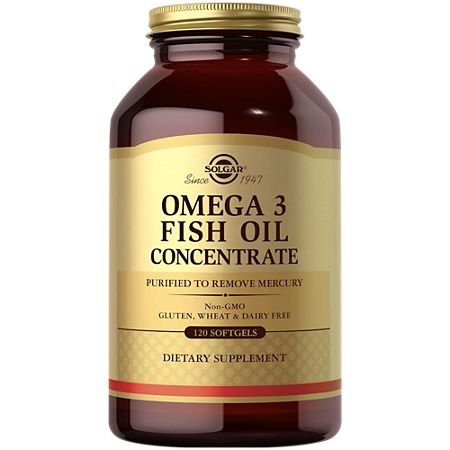
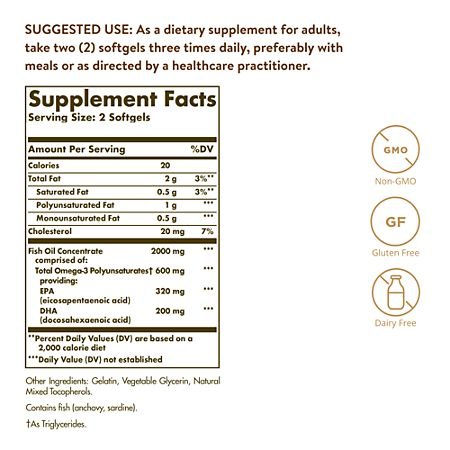
Find EPA and DHA quantities by reading their individual rows on the exact omega-3 product’s Supplement Facts panel. Keep each amount, its unit, and the labeled serving size together. Total fish oil, total omega-3s, EPA, and DHA are related descriptions, but they should not be treated as interchangeable numbers when comparing a purchase.
This guide explains how to review fish oil and omega products using a clear label record. It covers individual quantities, combined totals, ratios, package counts, price calculations, and missing information. The arithmetic examples are hypothetical and do not recommend personal amounts or establish health outcomes.
What do EPA and DHA identify?
The NIH Office of Dietary Supplements’ omega-3 fact sheet identifies EPA as eicosapentaenoic acid and DHA as docosahexaenoic acid. Recognizing the full names helps you find the relevant ingredient rows when a panel uses the longer wording rather than the abbreviations.
Copy each disclosed amount separately before calculating a combined total. This preserves the distinction between a formula emphasizing EPA, one emphasizing DHA, and another with a different balance. A single combined figure can hide that difference if the individual values are discarded.
Keep the exact product identity attached to the panel: brand, line, format, flavor where relevant, and package size. Related products can use similar artwork while supplying different quantities. A remembered number from another bottle should not become a specification for the selected item.
Why is total fish oil a separate number?
Read what each row actually names. A quantity labeled fish oil describes that stated ingredient quantity, while EPA and DHA rows identify their own disclosed amounts. Do not copy the total oil number into a field labeled EPA plus DHA unless the product explicitly establishes that relationship.
Likewise, a total omega-3 declaration may include information beyond the two individual rows you are investigating. Preserve the exact wording and any additional disclosed components. Adding or subtracting quantities is useful only when their meanings and serving bases are clear.
The following invented example illustrates the distinction. It is not a real label or a specification for the photographed product. Its purpose is to show why separate fields make a comparison easier to understand.
| Hypothetical panel field | Invented quantity per labeled serving | How to record it |
|---|---|---|
| Fish oil | 1,200 mg | Total stated oil quantity |
| EPA | 360 mg | Individually disclosed EPA |
| DHA | 240 mg | Individually disclosed DHA |
| Calculated EPA plus DHA | 600 mg | Sum of the two disclosed rows |
In this example, the calculated EPA-plus-DHA figure is 600 mg, while the stated oil quantity is 1,200 mg. Keep both rather than replacing one with the other. The example does not establish the composition of any actual oil or a recommended portion.
Read serving size before comparing quantities
The EPA and DHA amounts belong to the portion described by the panel. For a softgel product, the labeled serving may involve more than one piece. For a liquid, it may involve a specified measured volume. Record that basis before copying any number.
A front package count describes physical pieces, not automatically labeled servings. A bottle containing more softgels can represent a different number of portions depending on the stated serving. Keep physical count and labeled serving count in separate fields.
If a panel shows multiple columns, match the amount to the correct heading. A quantity from one portion basis should not be combined with another column’s serving description. Request a readable complete image when the heading or unit is missing.
Can I add EPA and DHA together?
When both amounts are separately disclosed on the same serving basis and use compatible units, you can calculate their sum. Keep the original rows beside the result. This makes it possible to check the arithmetic and preserves the individual composition information.
If the units differ, convert carefully while retaining the original values. One gram equals one thousand milligrams. A unit conversion changes the expression of the same quantity; it should not change the ingredient identity or serving basis.
If only a combined amount is supplied, do not invent the separate shares. A total does not establish an equal split. Ask whether individual quantities are available if that information matters to your comparison, and keep the shares marked undisclosed when necessary.
How should I read an EPA-to-DHA ratio?
A ratio compares the two quantities rather than stating their total. For an invented example, 300 mg EPA and 200 mg DHA simplify to a 3:2 ratio. Another hypothetical formula with 600 mg EPA and 400 mg DHA has the same ratio but a different combined amount.
Keep the ratio and total in separate fields. Equal ratios do not establish equal quantities, and equal combined amounts can still involve different individual shares. Preserve the original numbers so that a short ratio does not hide the actual disclosed composition.
A ratio also does not determine personal suitability. It is one description of a formula. Avoid turning a higher share of one ingredient into a universal ranking without relevant evidence and the context needed for the personal question.
| Hypothetical formula | EPA | DHA | EPA:DHA ratio | Combined amount |
|---|---|---|---|---|
| A | 300 mg | 200 mg | 3:2 | 500 mg |
| B | 600 mg | 400 mg | 3:2 | 1,000 mg |
| C | 200 mg | 300 mg | 2:3 | 500 mg |
These examples are arithmetic demonstrations only. They do not describe live products, recommended intakes, or equivalent effects. Their role is to clarify how ratio and total can answer different label-reading questions.
What about other omega-3 ingredients?
Read every relevant ingredient row and keep its identity visible. If a product lists another omega-3 or a broader blend, do not automatically count the entire quantity as EPA or DHA. The exact disclosed wording should determine the comparison field.
A mixed-source formula can also require more detailed source information. Record the actual oil or ingredient descriptions and any individually disclosed amounts. If the separate contributions are unavailable, preserve that limitation instead of assigning a guessed share.
Check additional nutrients and other ingredients independently. A combination formula may be a different purchase from a simpler oil product even when selected EPA or DHA amounts match. The full label matters when deciding which candidates meet your requirements.
How should liquids and softgels be compared?
Use each product’s own serving basis and directions. A measured liquid portion and a count of softgels are different physical forms, and neither provides a universal comparison unit. Keep the disclosed EPA and DHA amounts tied to their actual portions.
Review practical handling: measuring equipment, preparation, storage, and the package format. A flavor or portable bottle may matter to preference, but convenience does not establish identical ingredients or outcomes. Keep those practical details separate from the quantity record.
If measuring directions or a device are unclear, ask for the complete current instructions. Do not use a household measure or another product’s routine to fill an information gap. A purchasing worksheet should accurately describe the supplied information.
What does a useful price comparison include?
Calculate cost per labeled serving using the selected package price and confirmed serving count. If you investigate cost per disclosed EPA-plus-DHA quantity, use the sum supported by the actual panel and show the units. Keep source, ratio, and formula differences visible.
Do not use total fish oil as a substitute for undisclosed individual quantities in a metric labeled EPA plus DHA. A precise-looking cost ratio can be misleading if its denominator describes something different for each product.
The following invented prices illustrate serving-cost arithmetic. They are not current offers or specifications. The table deliberately keeps nutrient quantities separate so it does not imply equivalent formulas.
| Hypothetical package | Item price | Labeled servings | Cost per labeled serving |
|---|---|---|---|
| A | $18 | 60 | $0.30 |
| B | $24 | 60 | $0.40 |
| C | $15 | 30 | $0.50 |
| A with $6 allocated delivery | $24 total | 60 | $0.40 |
Include applicable checkout charges consistently. Record coupon, subscription, and multi-buy conditions. A promotional first price does not automatically describe recurring cost, and a bundle requires confirmed included products before serving counts are combined.
What should I ask when disclosure is incomplete?
Identify whether the missing fact is individual EPA, individual DHA, a readable unit, the serving basis, or the exact selected version. Include the product link and package size when asking the seller or manufacturer for the information.
If only a combined total is disclosed, ask whether the separate quantities are available. If several strengths share an image, ask which panel matches the selected option. A general assurance about quality may not resolve the specific quantity question.
Keep unanswered fields marked unconfirmed or undisclosed. Avoid combining quantities from one version with the lower price or larger count of another. All inputs in a comparison column should describe one confirmed item.
Does label arithmetic verify actual contents?
A calculation based on a label describes the disclosed information. It is different from an independent measurement of the contents. Keep that distinction when discussing quality documents or comparing a declared quantity with a test result.
The USDA and NIH Dietary Supplement Ingredient Database research calculator explicitly describes its estimates as research-based and not a guarantee of product content or an endorsement. A general research estimate should not be presented as batch verification of a specific bottle.
If testing information matters to your purchase, ask what document is available, which product or sample it identifies, and what was measured. A document should support the specific conclusion being drawn rather than unrelated claims about every ingredient or future batch.
Review the selected order and delivered label
Before checkout, confirm the exact formula, format, size, serving information, disclosed EPA and DHA, and payable total. Revisit the panel if you change the selected strength or package. A previously correct comparison may no longer describe the new option.
When the order arrives, compare the product identity, panel, physical count, and package condition with your saved information. Document a specific mismatch and contact the seller through the actual support process for the order.
Retain original values and sources beside calculations. A short record with clear names, units, and portion bases is easier to review than a long table of unexplained numbers. Update it when clarification changes an input.
Check storage information for a larger purchase
Read the actual product storage directions and investigate available date information for the offered stock when it affects your order quantity. Keep those practical details beside the price comparison. A lower unit cost does not answer whether an unfamiliar format or larger package fits your purchasing plans.
Frequently asked questions about EPA and DHA labels
Is total fish oil the same as EPA plus DHA?
Keep those quantities separately identified. Read the individual rows and calculate a combined amount only from compatible disclosed values on the same serving basis. Do not substitute an oil total automatically.
Can I split a combined total equally?
A combined amount does not establish equal individual shares. Ask for separate disclosure if needed and mark the shares undisclosed when that is the information available.
Does the same ratio mean the same quantity?
No. Two formulas can share a ratio while supplying different combined amounts. Retain the original EPA and DHA values beside the ratio so the distinction remains visible.
Is one softgel always one labeled serving?
Read the exact label. Physical piece count and labeled servings are separate fields, and a serving can involve more than one piece. Preserve the portion basis with every quantity.
Does a quantity calculation verify a batch?
It describes arithmetic based on disclosed inputs, not an independent test. Testing claims require relevant documents whose sample identity, scope, and measurements support the specific conclusion.
What is the best comparison record?
Keep the exact product, total oil where stated, individual EPA and DHA, units, serving basis, source information, full formula, labeled servings, price conditions, and unanswered questions together. This supports a clearer purchase decision without becoming personal dosage advice.