





Browse Sports and Outdoors at Sprinkles Menu with a practical focus on the activity equipment currently listed. The present examples emphasize disc golf, including Innova Champion models and an MVP Electron Soft Ion. Use this department guide to plan a recreational outing, organize equipment purchases and move into the Disc Golf category for more detailed model comparisons.
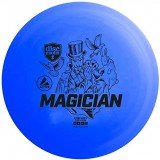

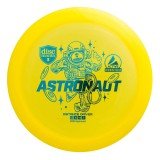
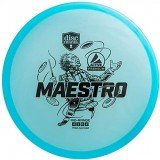


▼ Click here to read the full Sports and Outdoors guide — comparison tables and FAQs
What does the Sports and Outdoors department offer?
A broad department name can suggest many activities, so start with the products actually displayed. The current examples in Sports and Outdoors are disc golf discs. They include Innova Champion Sidewinder, Champion Shryke, Champion Leopard3, Champion Leopard, Champion Invictus and an MVP Electron Soft Ion, 165–169g, single unit. These examples should guide your expectations about the current selection.
This page does not establish that camping shelters, bicycles, hiking footwear, fishing equipment or team uniforms are available. Those are different product searches and require their own explicit listings. A useful department description should explain what you can investigate here without inventing a much larger outdoor catalog. If a particular type of equipment is not displayed, do not assume it is included with a disc or available as an unlisted option.
The department can still help you think beyond an individual purchase. Outdoor recreation involves choosing an activity, finding an appropriate place, organizing what you already own and deciding what additional equipment is actually useful. This guide focuses on that planning process. For a detailed discussion of disc roles and flight descriptions, continue to the Disc Golf category. Keeping the broader planning questions here makes the department useful without repeating every product specification.
| Department question | What the current examples show | What to do next |
|---|---|---|
| Which activity is represented? | Disc golf is prominent in the examples | Browse the dedicated Disc Golf category |
| Which brands are visible? | Named Innova and MVP examples | Open exact product pages for the selected versions |
| Is every outdoor activity covered? | The examples do not establish that | Search for an explicit relevant listing |
| Are discs supplied as a full outing kit? | Package contents must be read individually | Do not assume bags or other accessories are included |
| Can this page help with planning? | It provides an activity-focused starting point | Connect a purchase with a real recreational use |
How do you choose an outdoor activity before buying equipment?
Begin with how you want to spend the time. You may want a short solo practice session, a relaxed outing with friends or a recurring activity that fits around work and family. These plans have different equipment needs. Buying first and deciding the activity later can leave you with items that are attractive but inconvenient to use. A clear plan makes the purchase more purposeful and helps you avoid buying several products for a routine that has not yet taken shape.
Think about access. Identify a place where the activity is permitted and practical, then check its current information. For disc golf, that may mean a local course or an appropriate practice space. Access conditions, opening hours, fees and local instructions should be checked directly with the venue. A retail department cannot guarantee that a nearby facility is open or that every public green space permits disc throwing.
Consider the people involved as well. An outing with complete beginners calls for a different pace from a practice session among experienced players. Equipment familiarity can make the first experience less confusing, but it does not need to become a large shopping project. Start with the essentials for the activity you have actually chosen and add more only when a specific need becomes clear.
How can you plan a first disc golf outing?
A first outing works best when the goal is easy to understand. Decide whether you want to learn the basic activity, practice a small set of throws or simply enjoy time outside with other people. Then choose a location and a duration that fit that goal. An ambitious plan can become frustrating if the group has not yet learned how the equipment feels or how long a round may take for them.
Use the course or venue's own information to understand the layout and local expectations. Check whether the route is shared with other users and whether there are particular areas where throwing is restricted. Keep the first experience flexible enough to pause, ask questions and learn. A recreational outing does not need to resemble a formal competition to be worthwhile.
Choose equipment by clear identity rather than by an assumption that every disc is the same. The current category examples have different model names and material descriptions. If you are buying for a beginner, research the exact manufacturer's description and consider opportunities to try equipment before building a larger collection. A small, deliberate purchase can provide a useful starting point without promising that one product will suit every person.
| Outing plan | Useful preparation | Purchase question |
|---|---|---|
| First casual visit | Confirm location and local instructions | What basic equipment is actually needed? |
| Short practice session | Choose one repeatable task | Is a familiar model or duplicate more useful than a new mold? |
| Group recreation | Agree on pace and shared expectations | Does each person have clearly identified equipment? |
| Returning to a regular course | Review recurring shot situations | Is there a specific equipment gap? |
| Buying for someone new | Learn their preferences where possible | Can the product be selected without guessing essential details? |
| Building a longer-term routine | Make time and access realistic | Will the purchase be used consistently enough to justify it? |
How do you keep outdoor shopping focused on actual needs?
Write a short equipment inventory before browsing. List what you already own, what condition it is in and what job each item performs. Then add the specific problem you want a purchase to solve. This may reveal that the missing piece is not a product at all. Sometimes a practice plan, better organization or a clearer understanding of existing equipment is more useful than buying another item.
For the disc golf selection, a useful purchase reason could be replacing a lost familiar model, adding another copy for repeat practice or investigating a different role. A less precise reason is simply wanting something outdoors related. The latter can be enjoyable, but it gives you little basis for choosing between products. Being specific does not remove the pleasure of shopping; it connects that pleasure with equipment you can understand and use.
Keep desired features separate from essential features. A preferred appearance may matter to you, while a particular product identity or package quantity may be essential. If an essential detail is absent, resolve it before ordering. If a preferred detail is unavailable, you can decide whether another option remains useful. This distinction prevents a minor visual preference from hiding a more important uncertainty about what is actually being purchased.
What should you check when comparing outdoor equipment online?
The exact product description is more important than a broad lifestyle image. Read the complete brand and model name, the named material version, any measurements and the package contents. A photograph can help you recognize an item, but it may not define every variation supplied. When a color, size or measured weight is important, look for an explicit selected option or current written confirmation.
In this department, several examples use the Champion name alongside different Innova model names. That is not a collection of color variations of one model. The MVP example uses Electron Soft and includes a stated weight range. Those distinctions are part of the purchase identity. Preserve them when comparing prices, asking questions or saving a product for later.
Avoid borrowing specifications from another retailer's similar listing without establishing that it is the same version. A familiar model can appear in more than one material or package description. Even when another page is useful for background, the current seller's exact listing defines what is being offered in your basket. If a discrepancy remains, treat it as a question rather than filling the gap with the version you hoped to receive.
| Information layer | Why it matters | Example from the current selection |
|---|---|---|
| Brand | Identifies the manufacturer family | Innova or MVP Disc Sports |
| Model | Distinguishes the design identity | Leopard, Leopard3, Sidewinder, Shryke, Invictus or Ion |
| Material version | Clarifies the named product variant | Champion or Electron Soft wording |
| Measurement | Defines a stated specification | The Ion title's 165–169g range |
| Package quantity | Clarifies how many items are described | The Ion example explicitly says single unit |
| Selected option | Connects the basket with the intended version | Any current options offered on the exact product page |
How do you set a realistic recreation budget?
A useful budget includes the whole plan, while keeping the retail purchase separate from expenses the store does not control. Think about the product price, the current order terms and any activity costs you have independently confirmed. Do not assume that buying equipment includes venue access, event entry or transport. Those are separate arrangements unless an explicit offer says otherwise.
Prioritize the first purchase by frequency of use and clarity of purpose. Replacing an item you already use regularly is a different decision from buying an unfamiliar product for a possible future hobby. Both can be reasonable, but the level of uncertainty is different. A smaller initial purchase may leave room to learn your preferences before committing to a broader collection.
Compare like with like before deciding that one option is cheaper. The same model name with a different material or weight description may not be the same purchase. A single item and a set cannot be compared using package price alone. Price is useful information only after you establish the product identity and included quantity. It is not a substitute for checking whether the item fits your activity.
How can a group share equipment without confusing ownership?
Agree on what is being shared before the outing. A friend may be happy to lend a disc for a session but not to have it passed around indefinitely. Clear expectations are easier than trying to remember ownership after everyone has used several similar-looking items. Keep a simple list or identify equipment in an appropriate way that is consistent with manufacturer guidance and any rules relevant to the activity.
Separate borrowing for learning from buying a shared collection. Trying familiar equipment can help a new participant understand preferences, while a shared purchase creates questions about storage, responsibility and replacement. Discuss those practical points before spending. A group does not necessarily need every member to buy a large individual collection on the first day.
When selecting a gift, the same clarity helps. Ask which activity the recipient actually enjoys and whether a particular model or specification matters to them. A broad interest in outdoor recreation does not mean they want any random product from an outdoor department. Exact preferences can turn a well-intended gift into a genuinely useful addition rather than an item that duplicates something they already own.
How do you plan practice without turning every session into a shopping decision?
Choose an observation before choosing a new product. For disc golf, you might want to understand how consistently you can place a familiar disc near a target or how one unfamiliar model compares with something you know. Keep the task manageable and repeat it enough times to see a pattern. This gives you information about the equipment and the activity without requiring a new purchase after every session.
Record practical observations in ordinary language. Comfortable grip, unfamiliar release, repeated short landing and duplicated role are all useful notes. They are more informative than deciding a product is good or bad after one attempt. An equipment choice can be appropriate while still requiring practice, and an impressive single result can occur without establishing reliability.
Review those notes before browsing again. If a clear gap emerges, you can search for a product that addresses it. If the notes mainly show inconsistent practice or unclear goals, another purchase may not answer the problem. This is not a rule against collecting equipment for enjoyment; it is a way to distinguish recreational collecting from shopping to solve a specific performance or organization question.
| Planning tool | What to record | How it improves a later decision |
|---|---|---|
| Equipment inventory | Exact identity and current role | Reveals overlap and missing functions |
| Practice note | Task and repeated observations | Separates a pattern from one unusual attempt |
| Outing checklist | Venue, timing and actual equipment needed | Prevents unrelated purchases from expanding the plan |
| Budget note | Product spending and separate activity costs | Keeps the total plan realistic |
| Gift preference note | Recipient's exact interests and specifications | Reduces guessing about suitability |
| Reorder record | Product page and selected version | Helps identify the same item later |
What does responsible outdoor recreation look like?
Use locations where the activity is allowed and follow the current instructions for that place. Shared spaces may include walkers, families, maintenance workers and other activities. An equipment purchase does not give exclusive use of an area. Pause when necessary and keep other people outside the throwing path. Thoughtful use of space helps make an outing more comfortable for everyone involved.
Plan around the conditions you actually encounter. Check relevant local information before leaving and be prepared to change the plan if the location or weather makes the intended activity impractical. This department guide does not provide a current forecast or certify a venue's conditions. It can remind you to make those checks part of the outing rather than assuming that equipment alone makes every day suitable.
Leave the location in good condition and follow posted guidance about access and retrieval. Avoid damaging vegetation or entering restricted areas to recover equipment. If a course or recreation area provides specific instructions, use those as the local reference. Broad shopping advice cannot replace the rules for a particular place, and a more expensive item does not justify ignoring those boundaries.
How do you maintain an outdoor equipment collection?
Keep manufacturer information accessible and follow the care instructions relevant to the item. Avoid assuming that one cleaning or storage method suits every material and finish. A product's appearance can be part of its appeal, so check before using a method that could affect a printed design or surface. This guide does not prescribe a universal cleaning process for all discs or outdoor equipment.
Organize equipment so its identity remains clear. Exact model names and selected specifications are useful when you want to reorder, compare another version or explain what you lent to someone. A photo of a favorite item may help, but the written identity is often more useful than appearance alone. Similar-looking products can have different names, while the same model can appear in different colors.
Review the collection occasionally. Keep the items you use regularly easy to find, and identify those you are still learning or holding for a distinct purpose. This can make preparation faster and prevent buying something simply because an existing item was difficult to locate. Organization is a practical part of recreation, even when the equipment collection remains small.
How do you move from this department to the right product page?
Use the department to identify the activity, then narrow the search to the relevant category. For the current selection, the Disc Golf category is the more focused route for disc comparisons. Once you reach a candidate product, read it as an individual offer with its own identity, options and current information.
| Search stage | Main task | Information to keep |
|---|---|---|
| Department | Establish the activity represented | Sports and Outdoors currently emphasizes disc golf examples |
| Focused category | Compare relevant product families | Disc Golf provides the activity-specific route |
| Individual listing | Read the exact item and options | Full model, material and any stated measurements |
| Shortlist | Compare like with like | Purpose, quantity, current price and unanswered questions |
| Basket | Confirm the selected purchase | Correct item, version and quantity |
| After purchase | Retain useful records | Label or product identity and relevant instructions |
Sports and Outdoors frequently asked questions
Does this department contain camping and hiking equipment?
The current examples supplied for this department are disc golf products. They do not establish camping or hiking inventory. Search for an explicit relevant listing if you need another type of outdoor equipment. A broad department name should not be treated as a promise that every outdoor activity is represented.
Is Sports and Outdoors the same as Disc Golf?
Sports and Outdoors is the broader department route, while Disc Golf is a focused activity category. Their current examples overlap, but the guides serve different purposes. Use this page for outing and purchase planning, then use the Disc Golf category for more focused discussion of disc selection and comparison.
Are all the Innova Champion products the same disc?
No. Champion is shared wording in the current examples, while Leopard, Leopard3, Sidewinder, Shryke and Invictus are distinct model names. Preserve the full identity when comparing or ordering. Similar appearance or a shared manufacturer does not establish that two listings are interchangeable.
Should I buy several items before trying the activity?
A small, purposeful starting selection can make learning more manageable. Determine what the activity and venue actually require, then compare the relevant product information. Trying borrowed equipment where appropriate can help clarify preferences. There is no universal requirement to build a large collection before enjoying a recreational outing.
Can I choose an exact color or weight?
Only rely on details explicitly offered in the selected listing or confirmed for the actual item. The Ion example names a weight range, not necessarily one guaranteed exact weight. Product photographs do not automatically establish every supplied color or stamp. Resolve essential preferences before ordering.
What is the most useful first planning step?
Choose the activity and a realistic place to do it. Then check the venue's current information and identify the equipment actually needed. This order keeps shopping connected with a real outing. It also makes it easier to see whether a purchase fills a practical gap or simply adds another unfamiliar item.
How can I avoid buying overlapping equipment?
Keep a short inventory with each item's identity and intended role. Review it before browsing and write down the specific reason for a new purchase. If the new item serves the same purpose as something you already own, decide whether that duplication is useful for practice, sharing or personal enjoyment. Clear reasons make the choice easier to evaluate.
What should I remember when buying an outdoor gift?
Confirm the recipient's actual activity and any important product preferences. A person who enjoys disc golf may have specific model, material or weight preferences. A person who enjoys another outdoor activity may not want a disc at all. The closer the gift matches a real interest and a clearly identified need, the more useful the purchase is likely to be.
How should I compare a new hobby purchase with replacing familiar equipment?
Treat them as different levels of certainty. A replacement for an item you use regularly has an established role, so the main task is matching its exact identity and current specifications. A purchase for a new hobby has more unanswered questions about comfort, access and frequency of use. Give yourself room to learn those preferences. A deliberate first purchase can still be exciting while leaving the broader equipment collection open until you have more experience with the activity.