





Explore greens and superfood supplements in powders, capsules and gummies. This collection includes unflavored and peach-flavored greens powders alongside beet root, moringa and sea moss products. Compare what each product actually contains, how it is measured and how its format fits your routine.


Daily Foundational Nutrition Starter Kit – 1-Week Supply of AG1 Greens, Shaker, and Habit Journal
Original price was: $34.99.$27.99Current price is: $27.99.
Green Superfood Powder – Daily Green Foods, Fruits & Vegetables – Unflavored (30 Servings)
Original price was: $39.97.$19.98Current price is: $19.98.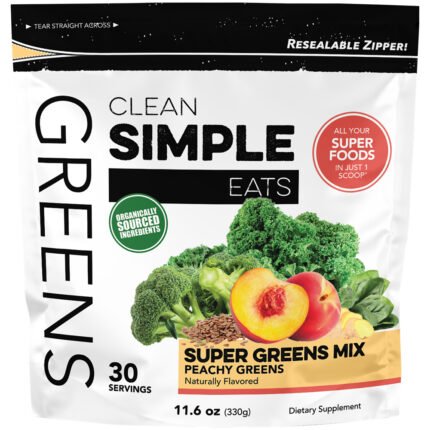
Greens Superfood Powder Mix – Peachy Greens (30 Servings)
Original price was: $41.97.$20.98Current price is: $20.98.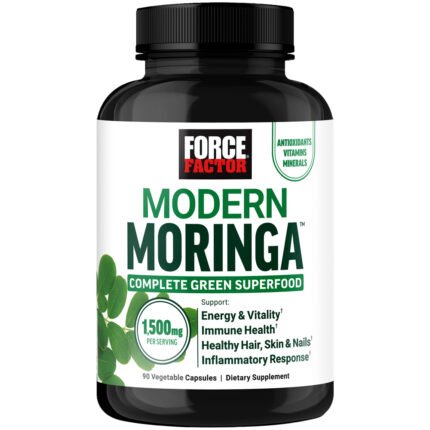
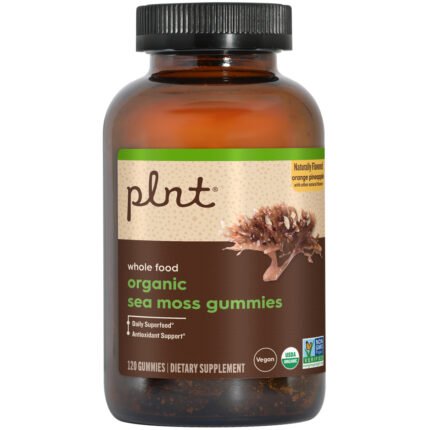
Organic Sea Moss Gummies – Daily Superfood Support – Orange Pineapple (120 Gummies)
Original price was: $27.97.$13.98Current price is: $13.98.
▼ Click here to read the full Greens & Superfoods guide — comparison tables and FAQs
What does the Greens & Superfoods collection include?
Greens and superfoods is a broad shopping category rather than a precise nutrition standard. The collection combines blended drink powders with concentrated plant ingredients and gummy products. The word superfood does not identify a required ingredient list, a specific nutrient amount or a guaranteed result. A useful comparison therefore begins with what is in the selected product, not how impressive the category name sounds. Look for the named plant materials, the amount provided, the serving size and the complete list of additional ingredients.
The current examples include a Green Superfood Powder described as unflavored with 30 servings, a Peachy Greens powder with 30 servings, and an Organic Super Greens Powder title naming 25 servings. These figures describe different packages. They do not show that the formulas have the same portion size or ingredients. Two tubs advertised as greens powders can be quite different purchases. Flavor preference is one part of the decision, but a product with a familiar flavor is still worth examining carefully before it becomes part of an everyday routine.
| Product type | Details named in the current examples | Useful comparison question |
|---|---|---|
| Unflavored greens powder | 30 servings named | Compare blend and preparation details |
| Peachy Greens powder | Peach flavor; 30 servings named | Review flavor ingredients and serving size |
| Organic Super Greens Powder | 7.05 oz.; 25 servings named | Do not equate tub weight with daily produce |
| Beet Root capsules | 610 MG; 100 vegetable capsules | Different format from a mixed greens drink |
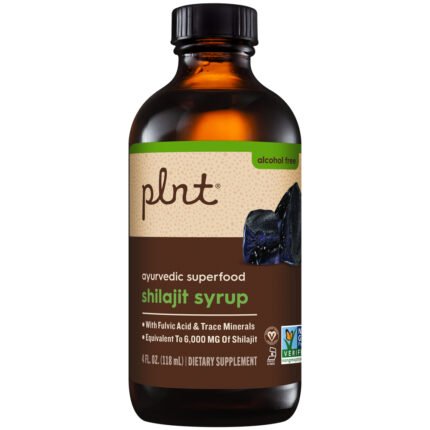
| Moringa and sea moss options | Capsules and gummies represented | Read their own ingredient panels |
How do the formats differ?
Capsules, gummies and mixed powders offer different experiences. The Beet Root listing is a capsule product, while Modern Moringa is also presented in capsules. The Organic Sea Moss product is an orange pineapple gummy listing. Neither a capsule nor a gummy is the same food experience as a portion of vegetables, and neither should be assumed to contain the nutritional range of a greens drink. The format can help you narrow the selection, but it does not establish nutritional equivalence across products.
Some existing product titles use words such as detox, digest, energize, high potency or purity. Those words help identify the listings but are not blanket promises from this category guide. Ask which specific ingredients and quantities support the description and whether there is evidence relevant to that exact product. Avoid treating a broad marketing phrase as a reason to ignore the facts panel. Likewise, a product named organic still needs review for its individual ingredients, serving instructions and the certification information actually shown on its own package.
A practical way to browse greens supplements is to keep their role separate from ordinary food choices. A supplement can be convenient without being a substitute for meals or a varied produce selection. When comparing powders, consider whether you enjoy mixing and drinking them, whether the flavor works with plain water, and whether the serving method is realistic for you. When comparing capsules or gummies, consider whether that physical format is easier to manage, then return to the ingredient details rather than assuming convenience proves a benefit.
How are greens powders different from other superfood supplements?
A greens powder is often selected as a drink-making product, while a beet root or moringa capsule is usually selected around a named ingredient. That difference changes the comparison. For powders, preparation, flavor and the disclosed blend matter alongside the portion size. For capsules, the ingredient identity and amount per serving are the more direct starting points. A gummy introduces a third set of questions about its complete formulation and the number of gummies in a serving. These are useful shopping branches, not a ranking of health value.
If you arrived here by searching for a daily greens powder, begin with the powder listings rather than assuming every superfood product is a possible substitute. If your interest is specifically sea moss or moringa, start with those names and investigate their individual labels. A category can make related items easier to discover, but its broad scope should not blur their differences. Defining the product type first makes the remaining comparison much shorter and more accurate.
What does unflavored mean for a greens drink?
Unflavored generally indicates that a product is not presented as a named added flavor, but it should not be read as a promise of no taste. Plant ingredients can have their own sensory characteristics. The actual product page and manufacturer preparation suggestions are more useful than an assumption based on the word alone. If you intend to mix a powder into a drink you already enjoy, review whether that use is consistent with the instructions and whether the complete ingredient list fits your preferences.
Peachy Greens offers a different starting point because its title identifies a peach-themed flavor. That can help someone narrow the sensory choice, but it does not tell you the sweetener, added ingredients or nutritional profile. Read those details on the actual package. Two powders can share a serving count yet differ in both composition and preparation. Choosing a flavor you expect to enjoy is sensible; assuming that all flavored greens powders have an identical formula is not.
What should you compare in a greens powder blend?
First identify whether the product discloses individual ingredient amounts, a combined blend amount or a mixture of both. Those presentations provide different levels of detail. A long ingredient list can show variety without showing substantial quantities of each component. Likewise, the word concentrated does not answer how much of a specific ingredient is present. Write down what the label actually states and leave undisclosed amounts as unanswered questions rather than inventing proportions from the order of a list.
Next distinguish the mass of powder from the amount of a particular nutrient. A scoop is a serving measure, not a guarantee of a complete vitamin and mineral profile. If you are comparing a specific nutrient, use the amount and Daily Value shown for that nutrient on the panel. If it is not declared, do not assume it is present in a meaningful amount because the source plant is associated with it. That approach keeps the comparison grounded in the finished product.
Finally compare preparation and container size together. The 30-serving powders and the 25-serving organic powder are not automatically comparable by tub weight. One may use a different serving mass or formula. A fair cost comparison uses the labeled serving count and current product price, then considers whether the actual ingredients meet your purpose. Avoid making a larger tub the default winner before you have compared what constitutes a serving.
Where do beet root, moringa and sea moss fit in this collection?
The Beet Root capsule listing centers on a named plant ingredient rather than a full mixed greens drink. Its title includes nitric oxide superfood language, but that phrase does not supply a personal performance prediction. If a specific benefit is the reason for your interest, investigate evidence relevant to the exact preparation and label. For ordinary comparison, identify the stated amount, serving size and other ingredients before considering whether its capsule format suits your preferences.
Modern Moringa is another distinct route through the category. A capsule count can help you understand the package, while a phrase such as complete superfood still needs interpretation through the actual facts panel. It should not be read as equivalent to a complete meal or a multivitamin. Ask what material is used, how it is described and what the label discloses. The product name is a starting point for those questions, not their answer.
The orange pineapple sea moss gummies bring flavor and chewable format into the decision. Review the complete gummy formula, including ingredients beyond the named sea moss component. A count of 120 gummies is not necessarily 120 labeled servings. If you avoid particular sweeteners or follow a dietary preference, use the actual ingredients and package statements to assess fit. Do not extend a dietary claim from a neighboring product to the gummies merely because both sit in the same archive.
Do greens supplements replace vegetables?
A supplement label does not establish equivalence to a varied produce intake. Whole foods and concentrated supplement products come in different nutritional and eating contexts. A convenient greens drink can still be compared as a convenient product without presenting it as an interchangeable replacement for meals. If your aim is to improve everyday eating, consider that broader aim separately from choosing among supplement formats. That keeps the product decision realistic and avoids expecting a tub or gummy to solve a different question.
Is organic the same as more effective?
Organic wording relates to a particular product claim and its supporting certification context. It does not establish superior results for an individual shopper or make every ingredient suitable for every person. Check the information on the exact listing and package. A non-organic product and an organic product may also differ in formula, flavor and serving size, so those other differences need attention before drawing conclusions from one label term.
How should I interpret detox and energy wording?
Treat such phrases as claims that require a specific explanation. Ask what outcome is meant, what evidence supports it and whether the evidence applies to the selected formula. The category itself does not promise detoxification, digestive improvement or increased energy. In many shopping situations, a clearer question is simply whether the ingredient panel, flavor and serving format meet the purpose you defined. That is an answerable comparison even when broad marketing language remains unhelpful.
Which greens format is easiest to keep using?
The answer depends on your preferences rather than a universal hierarchy. A powder requires preparation, a capsule requires comfortable swallowing, and a gummy has its own texture and complete ingredient list. Consider where the product would be stored, how it would be measured and whether the manufacturer directions are realistic for your routine. A format that you dislike is unlikely to become more appealing simply because its category sounds impressive. Practical fit matters alongside a careful review of composition.
Which current product examples are worth comparing?
The examples below identify specific listings represented in this collection. They are a starting point for browsing, not a promise of current stock or an exhaustive inventory. Open the product page for its current price, label and availability. The title details are kept distinct from personal recommendations.
Beet Root - Nitric Oxide Superfood - 610 MG (100 Vegetable Capsules)
The beet root capsule is a different format from the mixed greens powders. Its named amount and capsule count help identify the listing, but the nitric oxide wording should not be interpreted as a guaranteed exercise result. Compare the actual label and preparation with any evidence relevant to the specific claim you are investigating. See the Beet Root - Nitric Oxide Superfood - 610 MG (100 Vegetable Capsules) product page to check the current listing.
Green Superfood Powder - Daily Green Foods, Fruits & Vegetables - Unflavored (30 Servings)
This unflavored powder is a direct starting point for shoppers who want a greens drink without a named added flavor. Review the blend, the serving measure and the manufacturer mixing instructions. Unflavored does not establish a neutral taste, and 30 servings does not mean its formula matches the peach-flavored powder. See the Green Superfood Powder - Daily Green Foods, Fruits & Vegetables - Unflavored (30 Servings) product page to check the current listing.
Greens Superfood Powder Mix - Peachy Greens (30 Servings)
Peachy Greens offers a named flavor in a powder format. If taste is an important preference, examine the flavor-related ingredients and sweeteners on the actual label. A pleasant-sounding name is useful for browsing, but composition and preparation still need their own comparison with the unflavored and organic powder options. See the Greens Superfood Powder Mix - Peachy Greens (30 Servings) product page to check the current listing.
Modern Moringa - Complete Superfood - High Potency & Purity (90 Capsules)
The moringa listing centers on a named ingredient rather than a broad blend of greens. Its high-potency and purity wording is part of the listing identity, not a category-wide certification. Look for specific specifications and supporting information rather than assuming that the phrase complete superfood makes it a nutritionally complete product. See the Modern Moringa - Complete Superfood - High Potency & Purity (90 Capsules) product page to check the current listing.
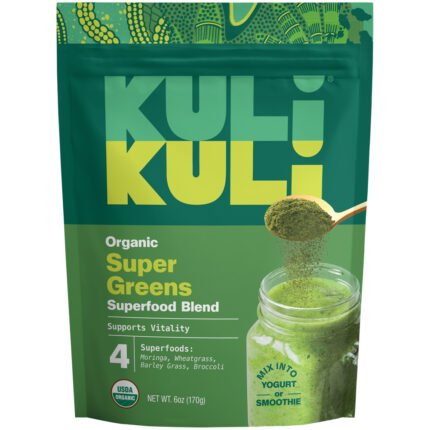
Organic Super Greens Powder - Superfood Formula to Detox, Digest & Energize (7.05 Oz. / 25 Servings)
This organic greens powder title names both container weight and servings. Those are helpful package details but answer different questions. The detox, digest and energize wording should be examined as marketing claims rather than accepted as universal outcomes. Compare the actual blend, preparation and label with the other powder options. See the Organic Super Greens Powder - Superfood Formula to Detox, Digest & Energize (7.05 Oz. / 25 Servings) product page to check the current listing.
Organic Sea Moss Gummies - Daily Superfood Support - Orange Pineapple (120 Gummies)
The orange pineapple sea moss gummies provide a chewable alternative to powders and capsules. Check how many gummies constitute a serving and review the complete gummy ingredients. A count of 120 physical pieces is not a personal use schedule. The organic wording also needs to be understood in the context of this exact product. See the Organic Sea Moss Gummies - Daily Superfood Support - Orange Pineapple (120 Gummies) product page to check the current listing.
How can you organize a comparison before buying?
| Comparison field | What to record | What the field cannot establish |
|---|---|---|
| Exact ingredient | The full name and form on the current panel | That another ingredient is interchangeable |
| Labeled serving | The stated number of capsules, pieces or measured portion | A personal amount or treatment schedule |
| Package size | The count, weight or volume actually supplied | The number of days suitable for every person |
| Complete formula | Active components and other ingredients | Suitability based on a headline alone |
| Evidence and documentation | Information tied to the exact product or preparation | A guaranteed outcome for an individual |
A useful comparison sheet does not need to be elaborate. Give each product its own column and leave missing details blank until they can be verified. This prevents assumptions from quietly becoming facts. If two labels express amounts on different serving bases, make that difference visible before comparing prices. If the products contain different ingredients, keep the price comparison separate from any claim that they do the same thing.
For this collection, start with blended greens versus single plant ingredients. Then consider powder mixing preferences and servings per container. These questions help narrow the page to products that actually match the purpose of your search. Only after that narrowing step does it make sense to compare a preferred physical format, the current package size and the price displayed on the individual listing.
Which questions should you ask about the label?
| Question | Why it is useful | Next step |
|---|---|---|
| What is the exact product type? | A broad category can contain different kinds of formulas | Match the full title with the current panel |
| How is the amount expressed? | A title may not reveal the serving basis | Read the serving size and amount per serving together |
| What else is included? | Additional ingredients may matter to your preferences | Review the complete formula and other ingredients |
| Is the claim specific? | Broad benefit language can hide important distinctions | Ask what evidence relates to the selected preparation |
| Is anything unclear? | An unanswered question should stay unanswered | Request the current label or a manufacturer explanation |
The most useful label review is tied to a real question. In this category that may involve flavored versus unflavored options, gummy other ingredients or organic wording and specific documentation. Write the question in plain language before contacting a manufacturer. A focused request for the serving definition or complete ingredient list is easier to answer than a general request for the best supplement. Keep the response with the exact product record so that information from one formula is not accidentally applied to another.
How do you assess cost without confusing it with suitability?
| Price comparison | When it can help | Important limit |
|---|---|---|
| Price per package | Comparing the immediate purchase cost | Different packages can contain different numbers of servings |
| Price per labeled serving | Comparing the same product type on a clearer basis | Serving definitions and formulas may still differ |
| Price per named ingredient amount | Only when the same ingredient and basis are clearly stated | A cheaper milligram does not prove a better choice |
| Repeat-purchase comparison | Checking an exact replacement against an earlier purchase | A familiar title can still accompany a changed formula |
| Format preference | Considering preparation and everyday convenience | Convenience does not establish a health benefit |
Use the live product page for current pricing rather than a number copied from an old review or search snippet. If you are comparing different formats, include any practical preparation requirements in your notes. The point is to understand the actual purchase, not to create false precision. A detailed calculation is only useful when its ingredient and serving assumptions are sound. Suitability should be established before a lower price becomes the deciding factor.
Where can you check reliable information and browse related products?
The FDA explains that dietary supplements are regulated differently from conventional foods and medicines. A supplement category name does not constitute FDA approval of a product or its advertised effects. The public health reference is a useful starting point for that specific issue. It does not replace the current product label or an individualized professional review.
For broader browsing, visit the related collection and return to the exact item that matches your ingredient and format requirements. Similar category names can be useful discovery paths, but the final comparison should always identify the actual formula. Keep the current label, the reason for interest and any unanswered questions together. That makes both a purchase decision and a later discussion with a manufacturer or health professional clearer.
| Stage | Useful action | Result |
|---|---|---|
| Define the search | Name the ingredient or product type you actually want | A narrower and more relevant shortlist |
| Inspect the listing | Check current label, format and package details | Fewer assumptions about composition |
| Resolve gaps | Ask a specific question about missing information | An answer tied to the actual product |
| Review personal context | Consider existing products and professional guidance where needed | A decision based on more than category wording |
| Choose deliberately | Compare the remaining suitable options on practical grounds | A clear record of why a product was selected |
A practical example: choosing a greens format shortlist
Suppose you want to compare greens powders that can be prepared as a drink. A sensible shortlist begins with the unflavored powder, Peachy Greens and the organic powder. The beet root capsules, moringa capsules and sea moss gummies can remain visible as related discoveries, but they do not need to be forced into the same drink comparison. This simple first step makes your notes more useful because the products share a practical format while their formulas can still be examined individually.
For each powder, write down the labeled serving, the disclosed ingredients and the preparation directions. Then add your flavor preference. If a formula uses a combined blend amount, record that limitation rather than guessing how much of each plant it contains. If a product's preparation differs from what you expected, decide whether that routine is realistic before making price the deciding factor. The result is a comparison grounded in the actual products rather than a contest between impressive category words.
A different shopper who dislikes drink powders might begin with capsules or gummies instead. That is a valid format preference, but it should produce a different ingredient review. Sea moss gummies are not simply a chewable version of every mixed greens powder, and moringa capsules are not the same formula in a smaller package. The format can narrow a shortlist without erasing the ingredient differences that still need attention.