





Explore Vitamin B at Sprinkles Menu with biotin products, a B-complex formula, P-5-P vitamin B6 and an inositol powder listing. Learn how individual nutrients differ from combination formulas, how to read microgram and milligram amounts and which questions make a comparison useful. The category brings related listings together without making them identical or promising a universal energy or beauty result.
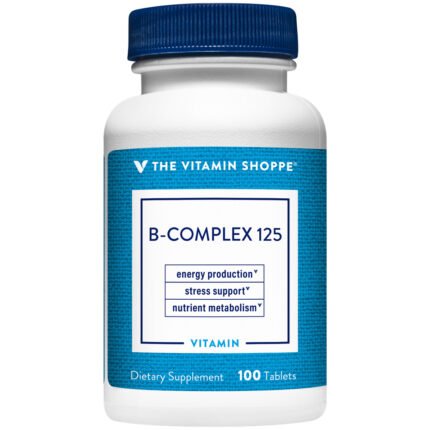
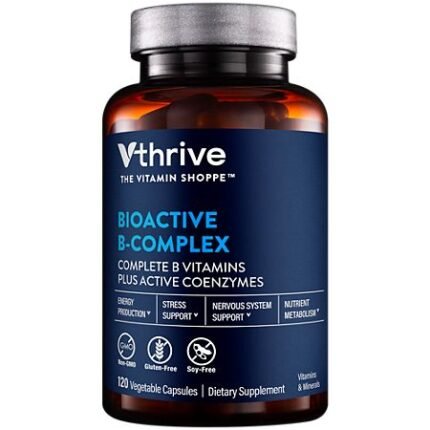
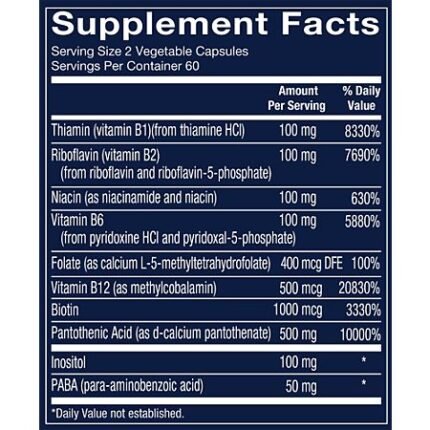
Bioactive B-Complex – Vitamin B + Active Coenzymes for Energy Production (120 Vegetable Capsules)
Original price was: $29.99.$23.99Current price is: $23.99.


▼ Click here to read the full Vitamin B guide — comparison tables and FAQs
What does the Vitamin B category include?
Vitamin B is a family name used in shopping for several distinct nutrients and formulas. A B-complex product combines B vitamins, while a focused product may highlight biotin or a particular form of vitamin B6. Those are different choices. The category examples here include both approaches, as well as inositol powder. Sharing a department makes the pages easier to find, but it does not mean that every listing contains all B vitamins or that every ingredient in the department is itself an essential B vitamin.
A good comparison starts with identifying the actual ingredient question. Are you looking for a particular biotin format, a combination formula or the P-5-P product named by a professional? If you know the answer, open the relevant listings first rather than sorting every bottle by its largest number. Numbers without an ingredient and a unit can be misleading. Ten thousand micrograms of one nutrient cannot be ranked against fifty milligrams of another nutrient as if both were measurements of the same thing.
This guide explains the selection and useful comparison methods. It does not diagnose a deficiency, prescribe an amount or promise that taking extra B vitamins improves energy, appearance or performance for everyone. If fatigue or another persistent concern is the reason you are browsing, seek an assessment rather than assuming the category name identifies the cause. A supplement can contain a nutrient involved in normal body processes without establishing that more of that nutrient will resolve a particular person's symptoms.
Which products are represented in this selection?
| Product example | Ingredient or formula emphasis | Format and package in title |
|---|---|---|
| Biotin Fast Dissolve | 10,000 mcg per serving wording | Strawberry; 60 tablets |
| Fully Active B Complex with Quatrefolic | B-complex formula | 60 capsules |
| Extra Strength Biotin | 10,000 mcg wording | 120 vegetarian capsules |
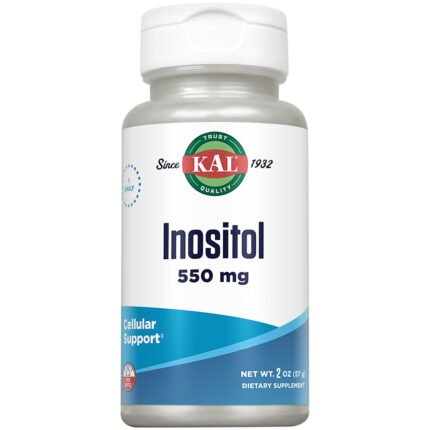
| Inositol Powder | 550 mg wording | Powder; title states 100 servings |
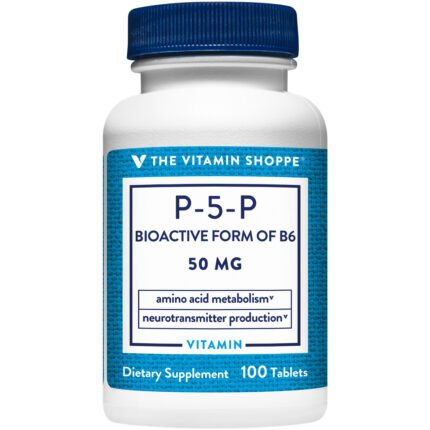
| P-5-P | Pyridoxal-5-phosphate, a B6 form; 50 mg wording | 100 tablets |
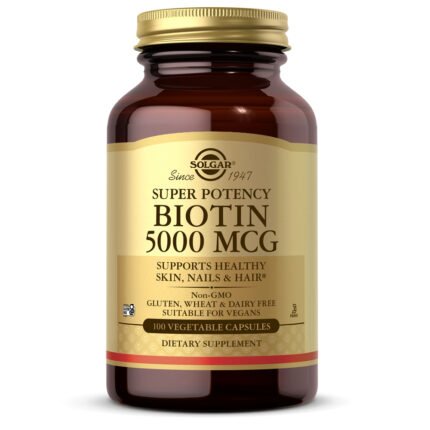
| Super Potency Biotin | 5,000 mcg wording | 100 vegetarian capsules |
The Biotin Fast Dissolve tablets identify a strawberry format and an amount expressed per serving in the title. The physical tablet count is a separate piece of information. Check the panel to learn the serving definition and the manufacturer's directions for the fast-dissolve format. Do not assume that a tablet called fast dissolve has the same instructions as a conventional swallowed tablet or that its format establishes a better personal outcome.
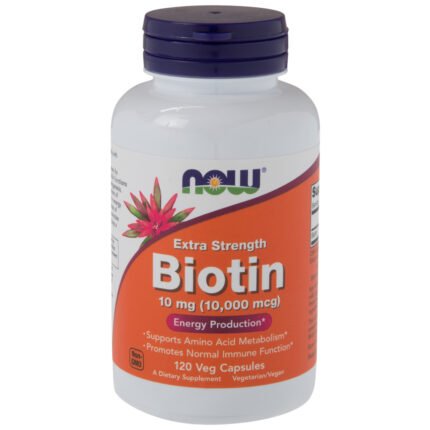
The Extra Strength Biotin vegetarian capsules and Super Potency Biotin vegetarian capsules provide two further biotin examples. Their titles use different amounts and counts, but the words extra strength and super potency are not standardized ranking categories across all products. Compare the actual ingredient information and serving basis. A larger stated amount does not automatically make a product more suitable, and a larger capsule count does not determine an appropriate personal duration.
The Fully Active B Complex with Quatrefolic listing is a combination formula rather than simply another biotin package. Read the complete panel to see which B vitamins it contains and the amounts of each. The phrase fully active and the branded ingredient name are reasons to examine the formula more closely, not substitutes for that examination. Avoid assuming that a complex has the same nutrient balance as a different brand or that every B-complex product is identical.
The P-5-P tablet listing identifies pyridoxal-5-phosphate as a coenzyme form of vitamin B6. Preserve that ingredient identity when comparing it with a combination formula or a product discussed elsewhere. The title names a specific form, rather than a general measure of all B vitamins. If someone has recommended reviewing P-5-P, ask about the exact product and amount rather than substituting any bottle that happens to contain the letter B.
The Inositol Powder listing appears in this department but should be evaluated as its own ingredient and format. Inositol is not one of the eight essential B vitamins. Its category placement does not make it interchangeable with biotin, B6 or a B-complex product. The title's fast-absorption wording should not be turned into an assumed clinical advantage. Use the actual powder label, measuring instructions and relevant evidence when deciding what information you need about that listing.
How do individual B vitamins differ from a B complex?
An individual-nutrient product focuses the comparison on a particular ingredient. A B complex requires you to consider several nutrient amounts at once. That difference can make a complex convenient to compare for a broad formula question, but it can also make overlap less obvious if you already use other supplements. A multivitamin, an appearance-oriented formula or a separate B6 product may already contribute ingredients found in the complex. Collect the full labels before deciding whether another product adds something useful or merely duplicates an existing ingredient.
The B-vitamin family includes thiamin, riboflavin, niacin, pantothenic acid, vitamin B6, biotin, folate and vitamin B12. These names help decode labels and search terms; they should not be treated as interchangeable ingredients. The NIH Office of Dietary Supplements vitamin and mineral fact sheets provide separate resources for individual nutrients. That separation is valuable because their functions, units, food sources and safety considerations differ. A general statement about B vitamins cannot answer every ingredient-specific question.
| Shopping approach | What you evaluate | Common comparison error |
|---|---|---|
| Individual biotin | Biotin amount, format and full label | Assuming it contains a complete B complex |
| P-5-P product | Exact B6 form and complete formula | Treating it as equivalent to every B vitamin |
| B complex | Each nutrient and amount in the combination | Looking only at the product's front name |
| Multivitamin overlap | Nutrients already included elsewhere | Adding another formula without checking duplication |
| Inositol powder | Its own ingredient identity and measuring instructions | Assuming category placement makes it an essential B vitamin |
A simple worksheet can prevent confusion. Give each product one row, then list the nutrients relevant to your question in separate columns. For a complex, do not collapse the entire panel into a single total milligram figure. Adding unlike nutrient amounts does not produce a useful measure of overall strength. Instead, compare each nutrient with the same nutrient in another formula, using matching units and serving definitions. This produces a clearer description of the differences without pretending to determine which product is right for every person.
What do mcg and mg mean on these labels?
Micrograms and milligrams are different units of mass. One milligram equals one thousand micrograms. That conversion is helpful when two labels express the same ingredient in different units. For example, 10,000 micrograms equals 10 milligrams as a mathematical statement. It does not mean that 10 milligrams of biotin is comparable in purpose or suitability to 10 milligrams of vitamin B6. Unit conversion standardizes a measurement; it does not make different nutrients biologically interchangeable.
Also distinguish the amount per serving from the amount per individual unit. A title may state a figure while leaving the serving definition to the panel. If a serving contains more than one physical piece, the package count alone will not tell you the amount in each piece. Read the exact label rather than reverse-engineering a personal schedule from the headline number. This is particularly important when comparing a fast-dissolve tablet with a capsule or a powder portion measured in a different way.
| Label term | What it measures | Useful comparison rule |
|---|---|---|
| mcg | Micrograms of an identified substance | Match the ingredient and serving basis |
| mg | Milligrams of an identified substance | Convert units only when comparing like information |
| Capsule or tablet count | Number of physical units | Do not confuse count with servings |
| Servings per container | Number of labeled portions | Check the serving size behind the count |
| Powder portion | A measured amount defined by the label | Follow product-specific measurement information |
Percentage Daily Value is another label detail that can be useful, but it is not a personalized prescription. It provides a reference for label interpretation. A high percentage does not automatically mean a product is more appropriate for you, and it should not be used as a score for ranking unrelated nutrients. Your circumstances, diet, existing supplements and professional advice provide the relevant context for an individual decision. A product grid cannot assess those factors simply by displaying large percentages.
What should you understand about biotin products?
Biotin appears in several examples here, which makes the category particularly relevant to shoppers comparing biotin formats and package sizes. It also overlaps with Hair, Skin & Nails, where biotin may be included within broader formulas. That overlap is a navigation convenience, not evidence that every product has the same purpose or result. Read the complete formula and note whether biotin is the central ingredient or one of several nutrients in a combination.
The NIH biotin fact sheet describes limited evidence for improving hair, skin and nails with biotin in people without deficiency. It also explains that biotin can interfere with certain laboratory tests. These are two reasons to keep the comparison measured: do not assume a universal beauty result, and tell the clinician or laboratory about biotin-containing products before testing. Follow their specific testing instructions rather than choosing a stop-and-start schedule from a shopping article.
If you are choosing between the fast-dissolve tablets and vegetarian capsules, make the physical-format question explicit. Do you prefer a flavored tablet or a capsule? Are you checking capsule materials or other ingredients? Those questions can be answered through product information. They are separate from the question of whether biotin supplementation is relevant to your circumstances. Keeping both questions visible avoids allowing an appealing flavor or a larger bottle to settle a decision that also requires an individualized suitability review.
What should you know about P-5-P and vitamin B6?
P-5-P is the ingredient form named in the catalog's B6 example. Its chemical name helps distinguish the product from a broad B-complex listing. The practical comparison should include the exact labeled amount, serving information and any B6 already present in other supplements. Do not assume that the word coenzyme means that any amount is appropriate or that a particular form removes the need for a safety review. Form descriptions identify an ingredient; they do not erase the relevance of total intake.
The NIH vitamin B6 consumer fact sheet notes that excessive supplemental B6 can cause nerve damage and that B6 can interact with certain medicines. This is a reason to review overlapping products, not a reason to diagnose symptoms from a category page. If you already use a complex, a multivitamin or another formula containing B6, bring those labels to a pharmacist or clinician before adding a separate product. The relevant question concerns the whole routine rather than a single bottle in isolation.
A good product record should include the full P-5-P name and not merely the shorthand B vitamin. That helps avoid confusion if a professional reviews the selection or if you compare it with a later purchase. If your reason for browsing is a symptom, explain the symptom directly instead of assuming that a nutrient's normal biological role identifies the cause. Product identification and clinical assessment are different tasks, and a clear separation makes both conversations more useful.
Do B vitamins provide the same kind of energy as a caffeinated drink?
No simple equivalence should be assumed. The word energy appears in many different product contexts. Nutrients involved in normal metabolism are not the same thing as a stimulant beverage, and a supplement title does not establish an immediate feeling of alertness. The NIH thiamin fact sheet explains thiamin's role in converting food into energy. That normal function should not be translated into a promise that adding extra B vitamins will create an energy boost for every shopper.
Similarly, the NIH vitamin B12 consumer information distinguishes correcting a deficiency from broad marketing claims about energy and performance. This guide does not imply that a B12 product is among the specific examples listed above; it uses the resource to clarify a common B-vitamin shopping question. If tiredness is persistent, seek an assessment rather than selecting a supplement solely because a category or advertisement uses the word energy. A symptom can require a wider review than a product comparison can provide.
| Search phrase | Better question | Why it improves the comparison |
|---|---|---|
| Best B vitamin for energy | What concern am I trying to address? | Avoids assuming a diagnosis from a slogan |
| Strongest B complex | Which nutrients and amounts are actually present? | Replaces vague ranking with identifiable information |
| Best biotin format | Which format and complete formula meet my preferences? | Separates convenience from unsupported outcome claims |
| Active B6 | What exact ingredient form and total intake are involved? | Keeps form terminology connected to safety review |
| Inositol versus B complex | Am I comparing distinct ingredients for a clear reason? | Prevents a category label from implying equivalence |
How do format and everyday practicality affect the choice?
Capsules, fast-dissolve tablets, conventional tablets and powders raise different practical questions. A powder requires clear measuring information and appropriate storage. A fast-dissolve tablet needs its own directions. Capsule materials can matter to a shopper with a particular dietary preference. None of these features alone establishes universal superiority. A useful shortlist combines a clearly identified formula with a format you can use according to its instructions, while leaving personal health suitability to the appropriate review.
For the inositol powder, the title's stated servings should be checked against the actual measuring directions. Do not assume that any household spoon matches the labeled portion or that a scoop from another product is appropriate. For the tablet and capsule products, check whether the serving contains one unit or several. If swallowing or handling is difficult, ask product-specific questions rather than modifying a product on your own. The category does not establish that every tablet can be split or every capsule opened.
Storage and identification matter once several products are in the same household. Retain original labels and avoid mixing similar-looking tablets from different formulas in an unmarked container. If using an organizer, keep the source information available and follow relevant product and professional advice. A photograph of the complete panel is more useful than a memory of the front-label color. Clear identification helps with later questions about ingredients, order differences or a professional review of the routine.
How can you compare value without chasing the largest number?
Begin with the actual product you want to compare. A 120-capsule biotin bottle, a 100-tablet P-5-P bottle and a powder with 100 stated servings are not equivalent packages simply because they contain large counts. Compare price per labeled serving within a meaningful product comparison, then keep that arithmetic separate from suitability. A lower cost per serving does not prove a greater benefit, and a higher amount of an unrelated nutrient does not make one formula stronger overall.
Check current prices and selected options on the product pages. This guide does not promise stock, discounts or delivery timing. If a panel is missing or unreadable, obtain the information before relying on a cost comparison. A precise-looking calculation is not useful if it uses an assumed serving size. The strongest practical comparison is one you can explain clearly: the exact formula, the relevant serving definition, the package quantity and the unanswered questions that remain before purchase.
Frequently asked questions about Vitamin B products
Does a biotin product contain all B vitamins?
Not necessarily. Biotin is one B vitamin, while a B-complex product contains a combination that must be read on its own panel. Do not assume that a focused biotin bottle provides the same ingredients as the Fully Active B Complex listing. Compare the complete labels and record which nutrients are present. The category name helps with finding products but does not establish the composition of every item placed within it.
Are 10,000 mcg and 10 mg the same measurement?
They are equal as units of mass. That conversion is useful when comparing the same ingredient on the same serving basis. It does not make different nutrients equivalent or determine an appropriate amount for you. Always keep the ingredient name beside the number. Without that context, a larger or smaller figure can create a misleading impression of strength, particularly when comparing biotin with vitamin B6 or a multi-ingredient formula.
Is inositol one of the eight essential B vitamins?
No. The inositol powder is a distinct listing that appears in this shopping department. Its placement should not be interpreted as proof that it is interchangeable with a B vitamin or B complex. Evaluate its actual ingredient, portion and product information separately. A clear comparison can acknowledge that products are related in shopping context while preserving their different identities and avoiding unsupported substitution claims.
Can I take a B complex with a separate B6 or biotin product?
Do not assume that combining them is appropriate merely because they are sold in the same category. Review ingredient overlap and seek individualized advice. Bring the full labels of products already used, including a multivitamin or beauty formula that may also contain B vitamins. The relevant question is what the complete routine supplies, not whether each bottle individually has an appealing name or a familiar nutrient on its front label.
Does a larger biotin amount guarantee better hair results?
No guarantee follows from a larger amount. The NIH resource linked above discusses the limitations of evidence for cosmetic benefits in people without deficiency. If the reason for browsing is a meaningful hair or skin change, seek an appropriate assessment rather than treating the highest number as the solution. A format or package comparison is useful, but it cannot determine why a change occurred or which response is appropriate.
What should I mention before laboratory tests?
Tell the clinician and laboratory about supplements, including biotin-containing products, and follow their instructions for the specific tests. Do not invent a timing rule from this page. The useful contribution is an accurate product list and complete labels. This helps the testing team interpret the situation and provide relevant guidance, rather than relying on a general statement that you take vitamins without knowing which ingredients or amounts are involved.
| Final Vitamin B comparison check | What to record | Why it matters |
|---|---|---|
| Ingredient identity | Biotin, B6 form, B complex or inositol | Prevents unrelated products being treated as identical |
| Units and serving basis | mcg or mg per labeled serving | Makes numerical comparisons meaningful |
| Complete routine | Existing vitamins and combination formulas | Reveals overlap for professional review |
| Physical format | Capsules, tablets or powder | Clarifies practical instructions and preferences |
| Current order | Exact selected package and checkout details | Keeps the purchase aligned with the reviewed listing |
For a broader comparison, visit Vitamins & Supplements. Return to the Vitamin B selection when you want to compare the specific nutrient and formula choices represented here. A useful decision starts with clear ingredient identity, consistent units and realistic expectations. Keep the complete label at the center of the process, and let unresolved health questions prompt an informed conversation rather than a purchase based only on the largest number in a product title.