





Discover specialty drinks and drink mixes at Sprinkles Menu, including listed electrolyte formulas, hydration powders, flavor variety sticks and an endurance-named mix. Compare preparation, flavor, serving information and the actual formula before choosing. This guide explains the differences between formats and helps you decide which product details matter for your routine without assuming that every specialty drink has the same ingredients or purpose.






▼ Click here to read the full Specialty Drinks guide — comparison tables and FAQs
What are specialty drinks in this category?
Specialty drinks is a browsing category for beverages and mixes that do not fit neatly into a simple water, coffee or soda comparison. In the current examples, powders and stick packs are prominent. These products need preparation, so the item you buy is not necessarily a ready-to-drink bottle. That distinction affects convenience, storage, cost comparisons and the information you need before deciding whether a product suits your intended use.
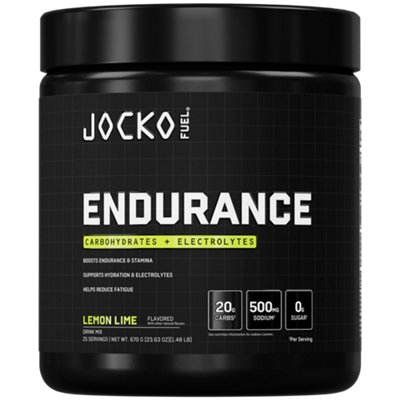
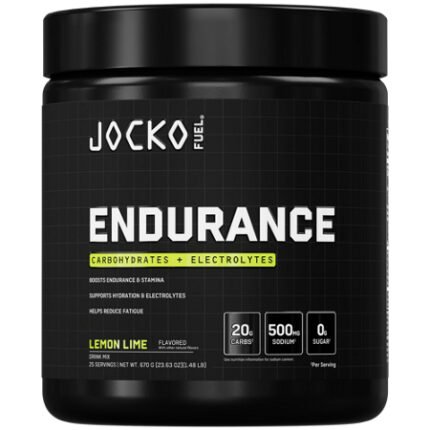
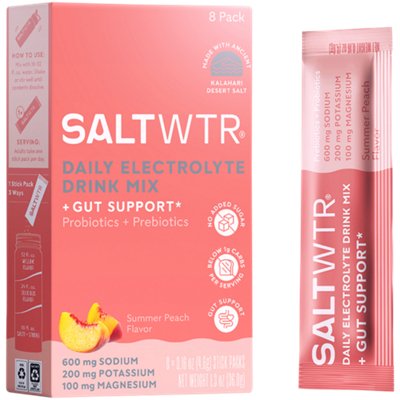
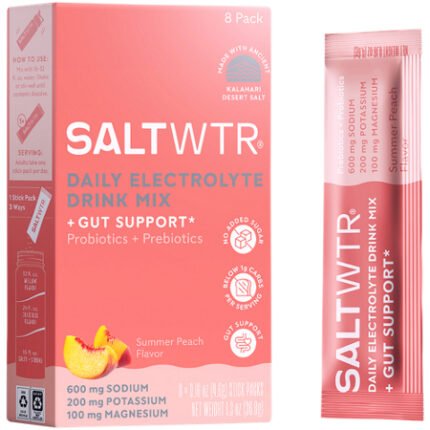
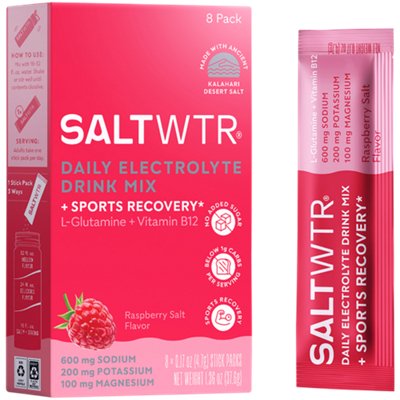
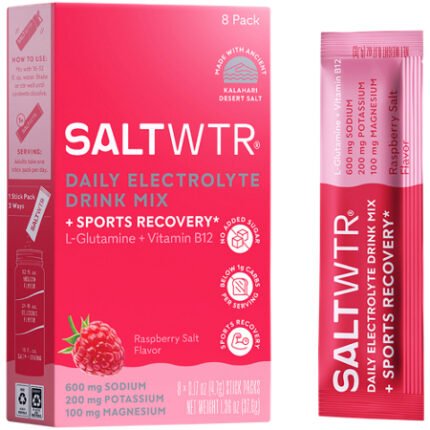
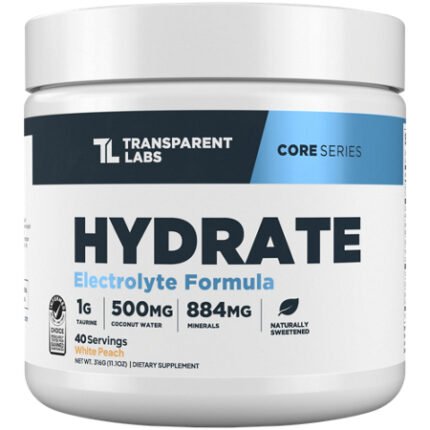
The sampled listings include Transparent Labs Hydrate, True Athlete Balanced Hydration, SaltWTR Daily Electrolyte Drink Mix and JOCKO FUEL Endurance. Their titles point to different positioning and formats, not a guarantee that the formulas are equivalent. A useful comparison asks what each product supplies, how a serving is prepared and whether that matches the situation you are planning for.
Which drink mixes can I compare here?
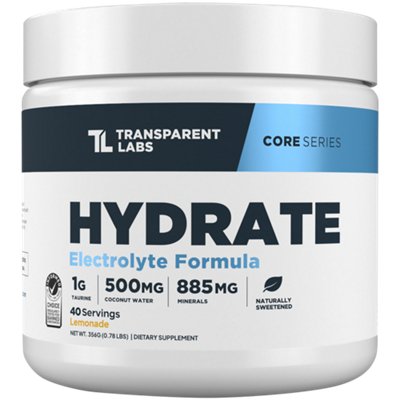
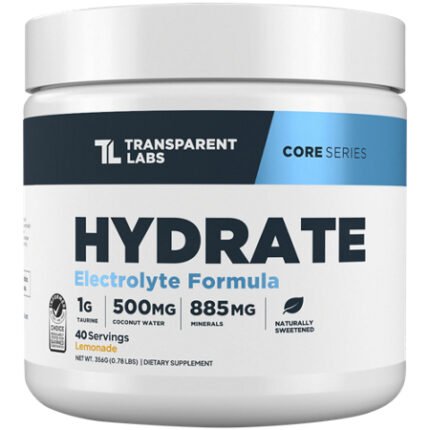
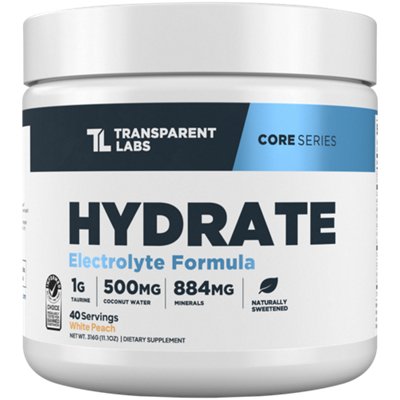
The Transparent Labs Hydrate Lemonade listing names forty servings and a 0.78-pound container. A White Peach Hydrate listing also names forty servings. These are useful flavor comparisons within a similarly named range, but the current labels are needed to confirm whether every formula detail matches.
True Athlete Balanced Hydration Lemonade and Tropical Punch provide another pair of named flavors with forty-serving titles. The SaltWTR variety pack names five flavors and eight sticks. JOCKO FUEL Endurance Lemon Lime names twenty-five servings. Compare these as specific examples rather than assuming a single formula across the department.
| Listed example | Format or quantity named | Practical comparison point |
|---|---|---|
| Transparent Labs Hydrate Lemonade | 0.78 pounds, forty servings | Formula and preparation for the named flavor |
| Transparent Labs Hydrate White Peach | Forty servings | Flavor preference and current label |
| True Athlete Balanced Hydration Lemonade | Forty servings | Ingredients and serving directions |
| True Athlete Balanced Hydration Tropical Punch | Forty servings | Flavor comparison within the named range |
| SaltWTR variety pack | Five flavors, eight sticks | Exact assortment and stick instructions |
| JOCKO FUEL Endurance Lemon Lime | 1.48 pounds, twenty-five servings | Formula purpose and serving information |
How is a powdered drink different from a ready-to-drink beverage?
A powdered mix requires a water source, a suitable container and the preparation method described on its label. A ready-to-drink beverage arrives already prepared. Neither format is inherently better, but they suit different practical arrangements. A powder may be easy to keep in a cupboard, while a sealed prepared drink removes the mixing step. Consider the whole process rather than only the apparent size of the package.
For a powder, the amount of water matters to the prepared drink's concentration and taste. Use the product's instructions rather than guessing from a different brand's scoop. If you are comparing cost with a bottled drink, compare the directed prepared serving, not just the dry weight. Container weight tells you how much powder is supplied, while the preparation directions explain how that becomes a drink.
What is an electrolyte drink mix?
Electrolyte is a term used for certain minerals in a fluid context, including sodium and potassium. A drink mix marketed around electrolytes should still be examined nutrient by nutrient. The word alone does not specify which minerals are included or how much is present in a serving. Two products using the same headline may differ substantially in their actual composition.
For shoppers, the useful task is to read the declared amounts and the serving basis. If you have been advised to manage sodium, potassium or fluid intake for a medical reason, discuss the exact label with your healthcare professional rather than relying on hydration wording. A category name is not enough to determine whether a concentrated mineral mixture is appropriate for an individual situation.
Do I need a specialty hydration mix for ordinary daily activity?
Not every occasion requires a special drink formula. The CDC and NIOSH hydration resource distinguishes ordinary hydration with water and regular meals from circumstances involving prolonged sweating where electrolyte drinks may be an option. That general workplace context is not a personalized sports plan, but it illustrates why the setting matters more than a universal claim that everyone needs a mix.
For a routine office day, a flavor preference may be the main reason you are browsing. For prolonged exercise, the discussion can involve a wider fueling and fluid plan. Keep those situations separate. A formula positioned for endurance should not automatically be chosen for every short errand, and an enjoyable flavored drink should not be described as medically necessary simply because it contains minerals.
How should I compare hydration and endurance wording?
Hydration wording focuses attention on fluid-related use, while endurance wording may indicate a product designed for a different performance context. Neither phrase tells you the complete formula. In particular, do not assume that all endurance products are stimulant products, that all hydration products are free of carbohydrate or that every mix supplies the same minerals. Check the actual panel for each item.
The JOCKO FUEL Endurance listing is therefore worth reading as its own formula rather than treating it as another flavor of the hydration products. If you are planning sustained exercise, identify your intended use and seek qualified sports nutrition advice where needed. The product comparison should follow that plan, not replace it with a guess based on whichever name sounds most athletic.
| Comparison dimension | Question to ask | Why names alone are insufficient |
|---|---|---|
| Electrolytes | Which minerals and amounts are declared? | Hydration wording does not quantify the formula |
| Carbohydrate | What does the panel state per serving? | Endurance wording does not specify grams |
| Caffeine | Is it present, and how much if stated? | A sporty name does not establish stimulant content |
| Other ingredients | What else is included and at what amounts? | Functional wording can cover different components |
| Preparation | How much water and powder are directed? | Container size does not define the finished drink |
| Intended setting | Does the formula fit the actual occasion? | One product type does not suit every situation |
How do tubs and stick packs compare?
A tub commonly involves measuring a serving from a larger container, while a stick pack provides a separately packaged portion according to its own instructions. The practical advantages depend on where you use the product. A tub can suit a consistent preparation space, while individually packaged sticks may be easier to organize for a trip or a day away from home. Confirm the product's actual format rather than assuming from a thumbnail.
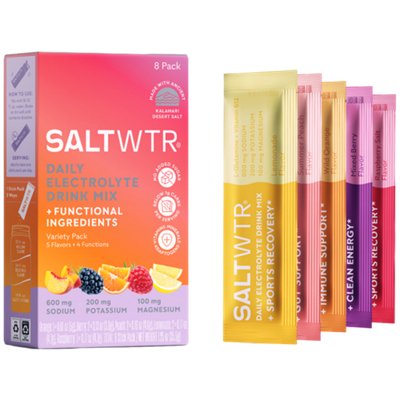
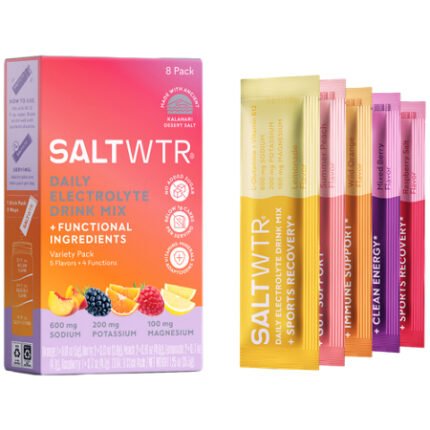
The SaltWTR title names eight sticks and five flavors. That does not necessarily mean the assortment divides evenly across all flavors, and it does not establish the water volume for each stick. Check the detailed contents and preparation directions. A variety format is useful when you want to explore preferences, but its value still depends on whether the assortment and quantity match your needs.
How do I choose between lemonade, peach, punch and lime flavors?
Flavor is a practical part of a drink choice because a product that you dislike may be an inconvenient purchase even when the label otherwise fits your priorities. Lemonade, White Peach, Tropical Punch and Lemon Lime identify different intended taste directions. They do not establish the sweetness level, acid intensity or ingredient composition with enough precision to replace the actual product information.
If you are unfamiliar with a range, a smaller confirmed quantity or a suitable variety option can help you learn your preferences. Do not assume that enjoying lemonade from one brand guarantees enjoying another brand's formula. Water volume, temperature and preparation instructions also influence the experience, so compare products as directed rather than judging one after an improvised mixture and another after careful preparation.
What does forty servings actually mean?
Forty servings is a package statement based on a defined serving. It is not the same as forty days, forty workouts or forty bottles of any size you choose. The product label establishes how much powder is used and how it is prepared. If you change the number of servings used on an occasion, the calendar duration changes too, so avoid building a purchase plan around the title alone.
Serving counts also help explain why two tubs with different weights can have different apparent values. A heavier scoop can reduce the number of servings in a container even when the total dry weight is larger. Compare the actual nutrient amounts and preparation basis, not just the number printed on the front. A fair comparison keeps quantity, formula and intended use together.
How do I compare the price of drink powders?
Start with the current price of the exact container or pack and its confirmed number of directed servings. Dividing the price by that count gives a simple per-serving figure. If two products have different prepared volumes or substantially different formulas, note those differences alongside the price rather than treating the result as a complete ranking. The least expensive serving may not represent the comparison you intended.
Include practical costs and waste in your thinking. A variety pack that helps you find a flavor you enjoy may be useful even if its unit price differs from a large tub. A large container of an unwanted flavor may be poor value regardless of its calculated price. Use the current checkout total, including relevant charges, instead of relying on an old price or an assumed discount.
| Format choice | Potential convenience | Detail to confirm |
|---|---|---|
| Forty-serving tub | Repeated preparation from one container | Scoop directions, formula and storage |
| Eight-stick variety pack | Separately packaged portions and flavor exploration | Flavor allocation and water volume per stick |
| Twenty-five-serving endurance formula | A differently positioned option | Full composition and intended preparation |
| One familiar flavor | Predictable taste preference | Current formula and package details |
| A new flavor or range | Opportunity to compare preferences | A quantity you are comfortable trying |
How can I compare nutrition panels fairly?
Use the same basis where possible. One label may describe a dry serving and another may describe a prepared serving, while a ready-to-drink product may state values for an entire bottle. Pay attention to those units before deciding which has more sodium, carbohydrate or calories. A number that appears smaller may simply refer to a smaller amount of product.
The FDA explanation of serving size is useful background for understanding how label quantities relate to nutrition information. For a specific powder, also follow its preparation directions. If you add other ingredients to the drink, those additions create a different final mixture, so its total nutrition no longer comes only from the original powder's panel.
Are zero sugar, low calorie and electrolyte claims interchangeable?
They describe different aspects of a formula. A sugar-related statement does not tell you the electrolyte amounts, and electrolyte wording does not establish the calorie content. Likewise, a product's sweetness may come from ingredients that require their own label reading. Keep each claim tied to the relevant part of the panel instead of treating one favorable-sounding phrase as a summary of the whole product.
This distinction helps you compare according to your actual priorities. Someone focused on flavor variety may ask different questions from someone reviewing sodium with a clinician or planning carbohydrate intake for an event. The same category can support those different shopping questions, but it cannot answer them with one universal best product. Specific information is more useful than a broad ranking based on a single claim.
What does functional ingredients mean?
Functional ingredients is broad marketing language rather than a complete ingredient list. In the SaltWTR title, it signals that there may be components beyond the basic flavor presentation, but the title does not identify all of them or establish a demonstrated effect. Read the label to see what is actually included and whether the amounts are disclosed clearly enough for the comparison you want to make.
If a component is unfamiliar, investigate that ingredient specifically. Evidence for one ingredient at one amount does not automatically validate every mixture that mentions it. The same applies to claims about focus, recovery or endurance: ask what outcome was studied and whether it concerns the actual formula. A clear explanation should preserve those distinctions rather than allowing functional wording to imply a list of unverified benefits.
How should I prepare a drink mix consistently?
Follow the directions for the particular product, including the specified serving measure and water amount. Consistency helps you evaluate flavor and compare experiences meaningfully. If one mixture is prepared with much less water than directed, its taste and concentration will differ, making a comparison with another product less informative. A larger bottle does not automatically require an extra scoop; use the actual instructions.
Check whether the label gives guidance about mixing, use after preparation and storage. Keep dry powder and the measuring utensil in the condition specified by the package. If you use a bottle away from home, plan for clean equipment and an appropriate water source. These practical details are part of choosing a powder format, not minor extras to consider only after the purchase.
| Preparation stage | Useful habit | Comparison benefit |
|---|---|---|
| Before measuring | Read the exact product's directions | Avoids borrowing another brand's serving size |
| When adding water | Use the directed volume | Makes concentration and flavor more consistent |
| When comparing labels | Keep dry and prepared serving bases clear | Prevents mismatched nutrition calculations |
| When traveling | Plan water access and a suitable container | Tests whether the format fits the occasion |
| After mixing | Follow product-specific handling instructions | Keeps use aligned with the package guidance |
| Between uses | Store the product as directed | Supports a practical repeat-use routine |
What about training, heat and outdoor activity?
A drink mix is only one possible element of planning for activity. Weather, exertion, access to water and breaks all affect the situation. The CDC's guidance for athletes in heat emphasizes taking heat seriously rather than treating a beverage as protection against every risk. Do not use a specialty drink as a reason to ignore conditions or continue through concerning symptoms.
For a long event or a demanding work setting, seek guidance appropriate to that setting instead of deriving a fluid schedule from an online product description. Individual needs and medical restrictions can differ. This category is useful for comparing the products you may discuss as part of a plan, but it does not provide a personalized hydration prescription or establish that every shopper needs added electrolytes.
Frequently asked questions about specialty drinks
Are the products here all ready to drink?
No. The sampled listings prominently include powders, tubs and stick packs that require preparation. Read the exact product page to establish the format before ordering. A photograph of a prepared beverage or a flavor illustration does not necessarily mean the item arrives as a bottled drink. The package description and directions provide the more useful answer for planning your purchase.
Does hydration wording mean there is no caffeine?
Not by itself. Check the ingredient list and any caffeine statement on the current formula. Product positioning does not replace a complete label, and a sports-oriented name does not establish either the presence or absence of a stimulant. If avoiding caffeine is important to you, confirm that detail for the exact version rather than making a category-wide assumption.
Are Transparent Labs Lemonade and White Peach identical except for flavor?
The names identify two flavors in a similarly named range, but the current labels are needed to establish whether every other detail matches. Do not transfer an ingredient amount or dietary claim from one version to another without checking. Compare the precise products you are considering, particularly if an ingredient restriction or specific nutrient target is important to your decision.
Does eight sticks and five flavors mean equal quantities of each flavor?
No equal split can be inferred from those numbers. Check the detailed assortment information for the actual pack. A variety title tells you the intended range, while the contents determine how many opportunities you have to try each flavor. This matters when you are sharing the pack or already know that some flavors are more appealing to you than others.
Is a larger tub always better value?
Not necessarily. Compare directed servings, formula, current price and the likelihood that you will use the quantity. Dry weight alone is an incomplete measure because serving sizes differ. A large container that does not suit your taste or purpose may be less practical than a smaller confirmed quantity. Value includes usefulness, not just the lowest arithmetic figure on one part of the label.
Can I mix two specialty drink powders together?
Do not assume that combining formulas is useful or appropriate. It changes the total ingredients and nutrient amounts in the drink, and the individual labels may not address the combination. Review the complete formulas with a qualified professional when needed, particularly if the products include overlapping minerals, stimulants or other active components. Start by understanding each product separately rather than stacking them by name.
What if I have been told to restrict sodium or fluids?
Bring the exact product label to the healthcare professional managing that advice. A general hydration claim does not determine whether a particular mineral formula fits your plan. Avoid making adjustments based on an archive description or a flavor preference alone. The relevant question is the actual amount and composition in the context of the individual instructions you have already received.
Can I use a drink mix to decide how much water I need?
The package tells you how to prepare that product, not your complete personal fluid requirement. Those are different questions. A directed water volume explains the intended mixture, while a daily plan depends on the setting and individual circumstances. Avoid treating one scoop's instructions as a universal hydration schedule.
If you are unsure how a specialty drink fits a longer activity, gather the formula and serving information first, then ask an appropriately qualified professional about the overall plan. This keeps preparation arithmetic separate from individualized advice and gives you a clearer basis for deciding whether the product is useful for the occasion you have in mind.
How can I narrow down my next comparison?
Choose one practical question first: format, flavor, formula or quantity. For example, deciding that you need a separately packaged portion narrows the search differently from deciding that you want to compare two forty-serving lemonade products. Once that first question is clear, read the full details of the relevant listings rather than comparing every product on every possible dimension at once.
| Your main question | Starting comparison | Information to gather |
|---|---|---|
| Which format fits my routine? | Tubs versus the SaltWTR sticks | Preparation, portability and storage |
| Which flavor should I try? | Lemonade, White Peach, Tropical Punch or Lemon Lime | Exact options and a sensible trial quantity |
| What is in the formula? | Current panels for the specific products | Nutrients, other ingredients and serving basis |
| How much am I buying? | Forty servings, twenty-five servings or eight sticks | Confirmed package and preparation details |
| Which is useful value? | Current prices on matching bases | Per-serving cost and actual intended use |
| Does this fit a medical or sports plan? | The exact proposed formula | Qualified guidance for your circumstances |
For other beverage formats, explore the wider Beverages category. Use the product links above to continue with the current specialty-drink details, and resolve any unclear ingredient or package information before choosing. A focused comparison makes this varied category easier to navigate without treating every formula as the same kind of drink.