





Browse energy drinks at Sprinkles Menu by brand, flavor, can size, and pack quantity. Explore ready-to-drink cans, energy drink multipacks, and powder formats, then compare caffeine information, sugar labels, ingredients, and the total price before ordering. Open each product listing for its current availability and exact pack contents.

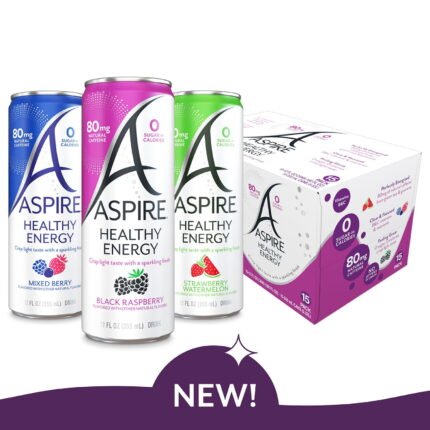

Energy drink buying guide: compare brands, formats, labels and pack sizes
Energy drinks: a practical guide to choosing your next pack
An energy drink category should help you understand what you are buying before you add a case to your cart. A colorful can and a familiar brand name can make a product easy to recognize, but they do not tell the complete story. The size of the container, the number of units in the pack, the flavor, the product format, and the information printed on the manufacturer’s label all affect the comparison. Start with those details rather than assuming that every drink with an energy-themed name is the same.
This guide explains how to compare energy drinks online without relying on a single ranking or a promise about how a drink will make you feel. It covers ready-to-drink cans, mixed packs, smaller containers, and drink mixes. You can use it when buying one flavor you already enjoy, comparing unfamiliar products, or putting together an order with several beverage options. Product availability and prices can change, so the individual listing and your final checkout remain the places to confirm the details of an order.
The most useful choice is a product whose format, ingredients, quantity, and price you understand. A larger pack can make sense when you already know the flavor, while a smaller quantity may be more practical when you are trying something new. A variety pack may provide different flavors, but its actual contents need to be checked. A sugar-free label concerns sugar; it does not by itself explain caffeine content, sweetness, or whether the drink fits your personal needs. Treat these as separate questions.
What belongs in the energy drink category?
Energy drinks are marketed as a beverage type, but their formulas and packaging vary. Some listings are individual cans, some are full cases, and some contain powders that need to be mixed with water according to the manufacturer’s instructions. Energy shots are another format and can be browsed in their own category. The words “energy,” “performance,” and “hydration” may appear across different product types, so identify the actual item before comparing prices. A capsule supplement with an energy-related name is not a ready-to-drink beverage.
The distinction matters because the unit you compare changes with the format. For a can, look at the amount of drink in each container and the number of containers included. For a powder, look at the packet count or manufacturer-listed servings and the preparation instructions. For an energy shot, look at the bottle size and serving information. Comparing the price of one powder packet with one large can without considering those differences can give a misleading impression of value or quantity.
You can also explore the wider Beverages category when your shopping list includes coffee drinks, tea, sparkling drinks, or other beverage formats. The Energy Shots category provides a separate place to compare compact shot products. Keeping these shopping routes distinct helps you find the type of product you intended to purchase. The category name is a starting point; the title, label, and pack information on the specific listing explain the actual purchase.
Ready-to-drink cans, cases, shots, and powders
Ready-to-drink energy cans are a convenient format to compare because the listing can state both the container size and the pack count. However, two twelve-packs are not necessarily the same quantity of drink. One may contain twelve twelve-fluid-ounce cans, while another contains twelve sixteen-fluid-ounce cans. Both have twelve units, but their combined volumes differ. Neither size is automatically better. The practical comparison depends on which format you want, the manufacturer’s serving information, and the available storage space.
Powder sticks and drink mixes require a different approach. Read how the manufacturer defines one serving, how much water is used for preparation, and how many packets or servings come in the package. A photograph of several prepared glasses does not tell you how many packets you will receive. If a title says “thirty packets,” check whether each packet is described as one serving. Do not estimate the contents from the size of the shipping box or from the number of drinks shown in an advertising image.
| Product format | Quantity to verify | Useful comparison | Detail not to assume |
|---|---|---|---|
| Single ready-to-drink can | One can and its stated volume | Price per can and label information | That every size from the brand has the same formula |
| Single-flavor multipack | Number of cans and volume per can | Pack price divided by can count | That “case” always means twenty-four units |
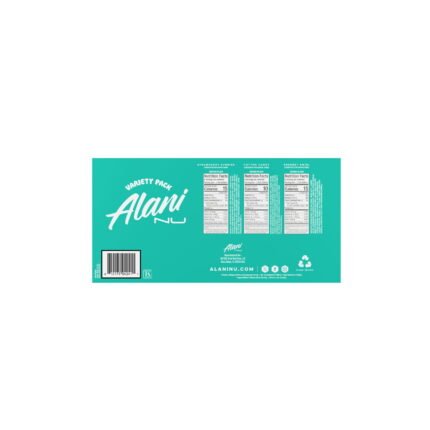
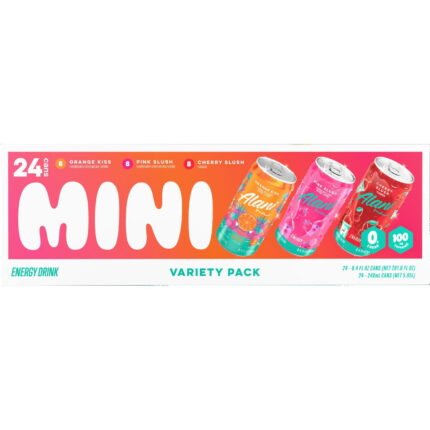
| Variety pack | Total units and flavor allocation | Price per unit and included flavors | That every pictured flavor is included |
| Energy shot | Bottle count, bottle volume, and serving size | Price per bottle and manufacturer instructions | That a smaller bottle means a lower caffeine amount |
| Powder sticks | Packet count and servings per packet | Price per prepared serving using label instructions | That the package is ready to drink |
The table gives a comparison framework rather than a recommendation for a particular quantity or formula. Use the fields that apply to the exact product in front of you. If a listing does not provide a detail you need, confirm it before ordering. That is especially helpful for products whose titles contain both a package weight and a serving count. Package weight describes the amount supplied, while serving count depends on the manufacturer’s instructions and should not be guessed from appearance.
Comparing energy drink brands without assuming identical formulas
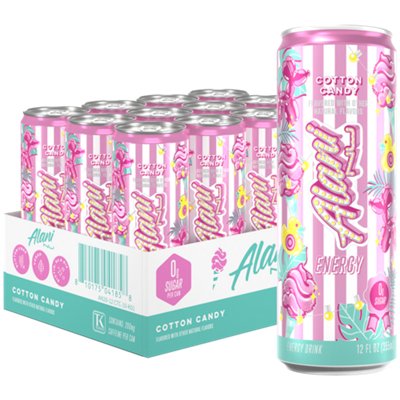
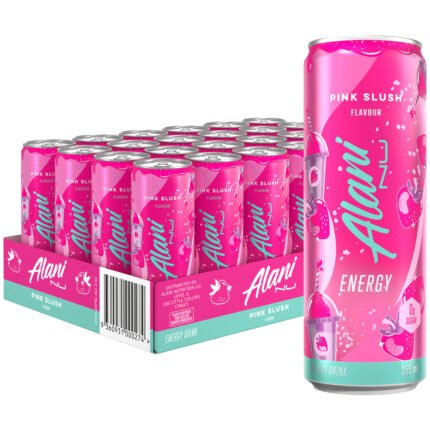
Brand names make browsing easier, particularly when you already recognize a flavor or can design. Listings in this catalog include products from brands such as GHOST, Alani Nu, BUM Energy, Bloom Nutrition, 3D Energy, Celsius, Reign, NOS, and V8. The presence of a listing does not establish that every flavor from that brand is available, or that its current stock will remain the same. Search for the exact brand and flavor combination, then check the individual product page rather than treating the brand as one uniform product.
Different flavors and sizes within a brand can have different ingredient labels or packaging information. A comparison should use the current label for the specific item, not a remembered detail from a can you bought elsewhere. Likewise, two products with similar flavor names may have different sweetness, carbonation, and ingredients. Compare them on the dimensions you can verify. The name of a fruit flavor is not enough to establish the amount of fruit juice, the sweeteners used, or the caffeine quantity.
When comparing brands, choose a small number of factors that matter to your shopping decision. You might record the flavor, can size, pack count, declared sugar, caffeine information where available, and total price. This is more helpful than collecting a long list of promotional phrases. If one field is unavailable, write “not confirmed” rather than inventing an estimate. A brand comparison is useful when it keeps clear distinctions between known label information, your own taste preferences, and details that still need checking.
Flavor families and how to narrow your shortlist
Flavor is one of the first ways shoppers narrow an energy drink selection. Citrus, berry, tropical, peach, candy-inspired, and soda-inspired descriptions can help you create a shortlist. These are browsing cues rather than reliable predictions of how every product tastes. A drink described as cherry limeade may differ from another brand’s version in sweetness, tartness, and carbonation. If you are trying an unfamiliar flavor, consider whether you want to commit to a full case before you have tasted that particular formula.
Single-flavor packs and mixed packs serve different shopping preferences. A single-flavor pack keeps the contents predictable when you already know the product. A mixed pack may be more interesting if you want to compare several flavors, but some combinations can include options you would not otherwise choose. Read the flavor allocation, not just the name “variety.” A twenty-four-can pack with three flavors may not contain an equal number of each, and the composition should be established from the listing or packaging.
Descriptions such as “peach,” “root beer,” or “raspberry sorbet” identify a flavor style. They do not provide an ingredient or nutrition guarantee. If you care about juice content, particular sweeteners, or another ingredient, use the ingredient panel as the reference. Packaging photographs may help confirm the version, but the newest readable manufacturer information is more useful than an attractive front-of-can image. Make the flavor decision alongside the format and quantity decisions, so you buy the right version of the drink you actually wanted.
Examples from the current catalog
The following examples illustrate how to read titles already present in the catalog. They are not a ranking, an endorsement of health benefits, or a statement that stock is guaranteed. A linked listing is the place to check its current price, availability, images, and full product information. The comparison deliberately focuses on the flavor and package details displayed in the title. Other facts, including caffeine and sugar quantities, should come from the exact product’s current label rather than from another flavor in the same brand.
| Catalog example | Flavor shown in title | Pack information shown in title | What to check next |
|---|---|---|---|
| GHOST Energy Drink Peaches | Peaches | Twelve drinks, sixteen fluid ounces each | Current label, stock, and total price |
| GHOST Energy Drink Cherry Limeade | Cherry Limeade | Twelve drinks, sixteen fluid ounces each | Exact flavor version and ingredient details |
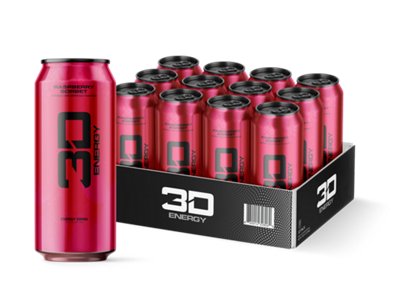
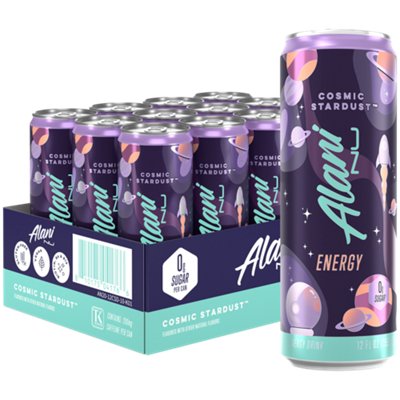
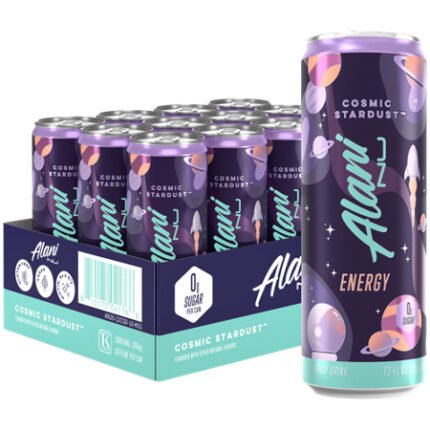
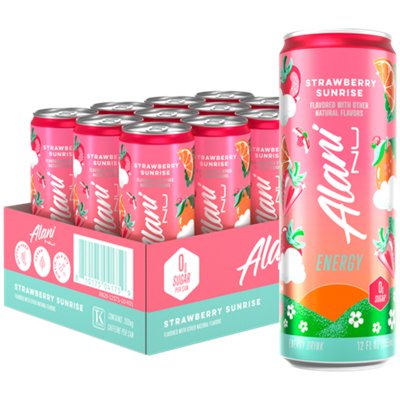
| Alani Nu Energy Drink Cosmic Stardust | Cosmic Stardust | Twelve drinks, twelve fluid ounces each | Manufacturer label and can quantity |
| BUM Energy Drink Root Beer | Root Beer | Twelve drinks, twelve fluid ounces each | Product formula and purchase quantity |
| Bloom Nutrition Sparkling Energy Drink Crisp Apple | Crisp Apple | Twelve-fluid-ounce cans, twelve-pack | Whether the selected listing matches this pack |
These examples also show why matching the complete product title is useful. A photograph might look familiar while the pack count is different from what you expected. If a title gives a count and a volume, record both. If one listing is an individual can and another is a case, compare their unit prices rather than their headline prices. Use the same method for products that are not in this table, including a flavor you already buy regularly or a newly encountered listing.
Reading caffeine information correctly
Caffeine should be compared using the actual amount declared for the exact product, where it is provided. Check whether the figure refers to one serving, one container, or a stated volume. Those denominators matter. A number copied from a brand advertisement may refer to a different can size or product line. If the package does not clearly state the quantity, do not guess based on words such as “extra,” “strong,” “natural,” or “performance.” Ask for clarification or consult the manufacturer’s current product information.
The FDA explains that caffeine content and personal sensitivity can vary, and that caffeine can come from several foods, beverages, supplements, and other products. Its consumer guide is a useful external reference when you want to understand that context. This category guide does not determine a suitable personal caffeine amount or recommend the most highly caffeinated option. Read the FDA’s caffeine consumer information and follow product warnings; individual health questions belong with a qualified healthcare professional.
For a shopping comparison, you can make a simple note of the declared amount and the unit it applies to. Keep that note separate from flavor preferences and case value. A lower price per can does not answer whether a formula is appropriate for you, and a higher number on a caffeine label is not a quality score. Separating these questions helps you compare products accurately without treating packaging intensity, larger containers, or a prominent performance claim as evidence that one drink is the better choice.
Sugar-free, zero-sugar, and other nutrition details
Sugar-free and zero-sugar descriptions are useful search terms when they match the product label, but they do not describe the entire formula. Read the sugar line, calorie information, serving size, and ingredient list. Check the package rather than assuming that every product in a brand has the same sugar information. A flavor sold in a sugar-free version may also have another version, or a similar name may appear on a different product format. Confirm the exact listing you are selecting before comparing it with another drink.
Sweeteners and sweetness are also different questions. The ingredient list can tell you which sweetening ingredients are included, while the taste is a personal preference that a nutrition panel cannot fully predict. A drink with a candy-inspired name may have a different formula from a fruit-inspired drink, even if both are described as having no sugar. Compare the information that is actually printed on each label. Do not assume that a familiar flavor description establishes a particular sweetener, calorie amount, or dietary certification.
| Label detail | Where to look | Comparison question |
|---|---|---|
| Serving size | Nutrition or supplement information panel | Are both products being compared on the same serving basis? |
| Total and added sugar | Nutrition panel where applicable | What amount is stated for this serving or container? |
| Calories | Nutrition panel | Does the figure apply to the whole can or a different serving? |
| Sweetening ingredients | Ingredient list | Which ingredients are named in this specific formula? |
| Caffeine information | Label, manufacturer information, and warnings | What amount is declared and what unit does it describe? |
| Allergens and dietary claims | Packaging statements and manufacturer details | Is the particular claim confirmed for this exact version? |
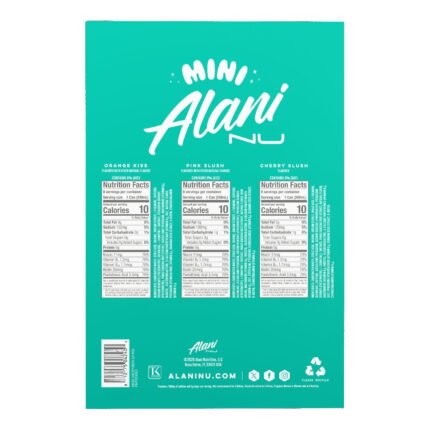
Use the table as a set of reading prompts rather than a rule that every product page must display the same panel. Beverages and supplement-style drink mixes can present information in different ways. If an image is unreadable, the solution is to obtain clearer information rather than estimate the missing numbers. These checks can help prevent a common purchasing mistake: choosing a product based on one prominent phrase while overlooking a format, serving, or ingredient difference that matters to the actual order.
Can sizes, pack counts, and total beverage volume
Pack count and can size answer different questions. Pack count tells you how many separate units you receive. Can size tells you how much drink is in each unit. Total beverage volume combines both. For example, twelve cans of twelve fluid ounces provide one hundred forty-four fluid ounces in total; twelve cans of sixteen fluid ounces provide one hundred ninety-two. This arithmetic can clarify quantity, but it does not establish which formula you should choose or how much you should consume. It is a shopping calculation only.
When comparing two packages, record the can count first, then the volume per can. If the quantity is written as “two packs of twelve,” confirm whether the cart item represents twenty-four cans or one twelve-pack within a larger shipping presentation. Photographs can show a case, a tray, a single can, or several different packages. The title and selected option should explain which item is actually being sold. If there is a conflict between them, resolve it before making a purchase rather than relying on the larger-looking photograph.
Container sizes can also affect practical storage. Think about where you will keep the package and how much refrigerator space is available when you want to chill individual units. A large case may require more room than a smaller purchase, while a powder pack occupies a different amount of space and needs preparation. These practical considerations do not make one format universally better. They simply help you choose a quantity and package type that you can store and use according to the manufacturer’s directions.
Price per can: a worked comparison
Price per can is a straightforward way to compare different pack counts, provided that the products are otherwise understood. Divide the pack price by the number of cans in the pack. The examples below use invented prices solely to demonstrate the calculation; they are not offers, current Sprinkles Menu prices, or a forecast of future discounts. Use the live product price when you make your own comparison. If container sizes differ, note that difference alongside the unit price rather than hiding it.
| Hypothetical package | Example price | Calculation | Example price per can |
|---|---|---|---|
| Twelve cans | 30 currency units | Thirty divided by twelve | 2.50 currency units |
| Eighteen cans | 39 currency units | Thirty-nine divided by eighteen | Approximately 2.17 currency units |
| Twenty-four cans | 48 currency units | Forty-eight divided by twenty-four | 2.00 currency units |
The largest hypothetical package has the lowest example price per can, but that does not mean every large case is the best purchase. You may not want the full quantity, you may be unfamiliar with the flavor, or the pack may include options you would not select separately. Value includes how well the purchase matches your needs, not just the lowest arithmetic result. The calculation is most useful when it makes differences visible and lets you decide whether a larger commitment is worthwhile.
If you also want to compare beverage volume, divide the package price by its total stated volume using consistent units. That calculation answers a different question from price per can. A twelve-fluid-ounce can and a sixteen-fluid-ounce can are separate unit sizes, so an apparently cheaper can may not be cheaper per fluid ounce. Neither metric includes personal suitability, flavor preference, or ingredient differences. Keep those factors in separate columns so a price comparison stays accurate instead of becoming an unsupported claim about overall quality.
Delivery charges and the final cost of an order
The product price is only one part of the amount you may pay. Check any delivery charge, taxes where applicable, and other checkout adjustments before comparing complete orders. Do not assume that a free-shipping rule or delivery promise from another retailer applies here. The current checkout and published store policies should provide the terms for your purchase. If the destination changes, the available delivery options and final cost may change as well, so use the destination you actually intend to receive the order at.
For a delivered price-per-can comparison, add the applicable delivery charge to the product total and then divide by the total number of cans in that order. If the cart includes several unrelated items, allocating the delivery charge between them can be an estimate rather than an exact product cost. State that assumption if you use it. Comparing two complete carts with the same delivery destination is often clearer than treating a shared shipping charge as though it belongs entirely to one energy drink package.
Bulk beverages can be heavy, so delivery information is an important practical check. Review any destination restrictions, packing details, or delivery requirements stated in the product listing or store policy. A case image does not tell you the final shipping weight. If you need packed dimensions, a delivery appointment, or information for a particular location, confirm those requirements before placing the order. This guide does not promise a transit time, courier, shipping price, or destination coverage that has not been established for your purchase.
Choosing a variety pack
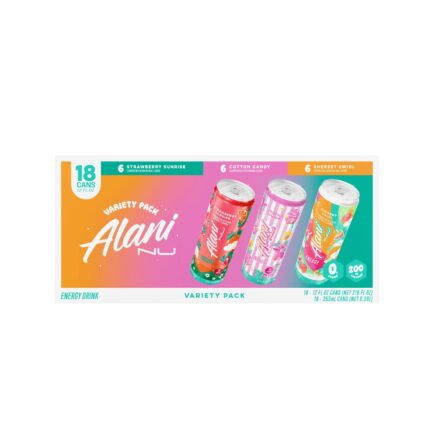
A variety pack can help you compare flavors within one purchase, but only if you understand the contents. Look for the total number of cans, the number of each flavor, and the size of every can. Some packs may list a fixed combination; others may display an assortment without a clear allocation. If the allocation matters to you, obtain confirmation. The word “mixed” does not automatically mean equal quantities, and the most prominent can in the photo is not necessarily the flavor supplied in the largest quantity.
Compare the pack contents with the flavors you would otherwise choose individually. A package can have an attractive unit price while including flavors you are unlikely to enjoy. If your aim is to try something new, decide how many unfamiliar options you want in the order. If your aim is to restock a known favorite, a single-flavor case may provide a more predictable purchase. Both are valid shopping preferences. Neither should be framed as a guaranteed way to save money without checking the current price and contents.
Keep a short record after trying a mixed pack: the complete flavor name, package size, and whether you would buy that version again. That can make a later order easier because similar names sometimes refer to different lines or formats. Your personal notes are more useful for repeat purchases than a broad list of “best flavors” that does not explain your own preferences. When you return to the catalog, match the exact product description rather than relying only on the color of the can.
Powder sticks and drink mixes
Powder formats deserve their own comparison because you are purchasing material to prepare a drink, not a finished canned beverage. Read the preparation directions, packet count, and serving information before calculating value. If the manufacturer describes a packet as a serving, use that stated basis. If the directions allow more than one preparation option, record the one you intend to compare. Do not change the stated preparation simply to make a price-per-serving figure appear lower or to infer a different product effect.
The selected format also affects your shopping routine. A ready-to-drink can can be opened without measuring water, while a powder stick requires suitable preparation. A tub may require measuring according to its instructions, whereas packets can provide individually packaged portions. These differences concern packaging and convenience, not a judgment about which formula is healthier or more effective. Compare the ingredient list and manufacturer information separately. A powder product’s flavor name does not establish that it matches a canned beverage with a similar name.
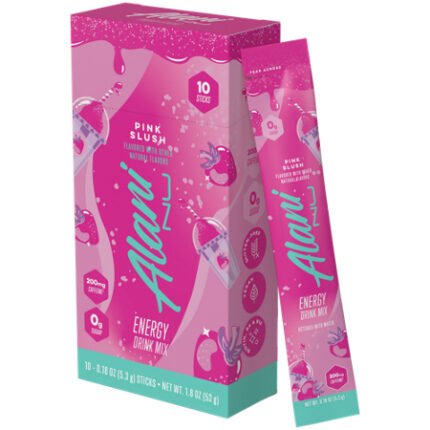
For a powder comparison, record the brand, exact product name, flavor, package count or net weight, and manufacturer-listed servings. Add the current price and calculate the price per listed serving when that information is clear. If a packet pack and a tub have different serving sizes, explain the difference instead of treating the results as perfectly equivalent. This approach keeps the comparison useful for shoppers who want to understand what they receive and how the preparation format differs from a standard can multipack.
Energy shots and why bottle size is not the whole comparison
Energy shots are compact products with their own container sizes and serving instructions. Their small volume should not be used as a shortcut for estimating caffeine or other ingredient quantities. Compare the actual label information and the number of bottles in the package. A twenty-four-bottle purchase and a single bottle are different order quantities even when the photographed bottle looks identical. Verify that the title, selected option, and pack description agree before placing an item in the cart.
If you are comparing shots with canned drinks, keep the comparison focused on identifiable differences: bottle or can count, volume, formula details, declared caffeine where available, and price. A shot is not simply a smaller can of the same drink. The formats may have different ingredients and manufacturer directions. Use the Energy Shots listings to inspect the specific products, then return to energy cans if you prefer that format. This avoids mixing together products that share marketing language but represent different purchases.
Flavor names may also differ between regular and extra-strength product lines, and packaging updates can create another source of confusion. Match the full title and label rather than just the brand logo. If a product is labeled as extra strength, do not translate that phrase into a particular numerical caffeine amount without confirmation. The most reliable shopping method remains the same across formats: identify the exact product, establish the pack quantity, read its current manufacturer information, and verify the order total.
Storage, package condition, and date information
Storage instructions should come from the package or manufacturer. Keep track of whether directions apply to an unopened product, an opened container, or a prepared powder drink. Do not assume that every beverage format has identical storage requirements. An unopened can, a resealable tub, and a packet that has already been mixed represent different situations. If you are buying a larger quantity, consider whether you can store it in the conditions stated on the label rather than choosing a pack only because its unit price appears attractive.
Date information is another practical purchase detail. Check the type of date printed on the package and any information the listing provides about it. Do not infer remaining shelf life from the date the product page was published or from the design of the can. If the date is important for a planned event or a larger order, ask for confirmation before buying. A guide cannot promise a minimum remaining date period unless the seller has made that exact commitment for the order.
When a package arrives, compare what you received with the order details. Check the flavor, unit count, container size, and visible package condition. If something does not match, record the order information and follow the published contact or returns process. This is ordinary order verification, not a guarantee that a particular remedy will apply. Store policies and the circumstances of the order determine the next steps. Keeping the original order confirmation can make it easier to explain a discrepancy without relying on memory.
Shopping for shared spaces or events
An office or event order needs clear quantity planning, but energy drinks should not be assumed to suit every person who attends. If you are organizing a shared beverage selection, keep product labels available and consider the different beverage preferences of the group. Plan alternative choices through the wider beverage catalog where appropriate. A mixed beverage order is a purchasing decision; it should not become a promise that everyone will want, tolerate, or benefit from a particular caffeinated product.
Start by estimating the number of units you want to purchase, then compare that quantity with the actual pack sizes available. If your list includes several flavors, record the unit allocation for each so you do not accidentally count a mixed pack twice. Keep a separate allowance for other beverage types if they are part of your plan. Do not assume that a case advertised for bulk purchase carries special wholesale terms or resale permission. Confirm any business requirements that matter to your specific purchase.
Practical planning includes storage space, chilling capacity, delivery timing, and package handling. Check the store’s stated delivery information rather than building a schedule around an assumed transit period. For an event with a fixed date, resolve uncertain delivery details before relying on the order. The purpose of the comparison is to establish what can actually be purchased and received under the available terms. Flavor variety and case count are useful, but they do not replace accurate delivery and inventory information.
A simple comparison worksheet for your shortlist
You do not need a complicated spreadsheet to compare a few energy drinks. A short table can keep the relevant details in one place and show where information is missing. Begin with the exact product title, not just the brand. Record the pack count and container size, then add the label details you care about. Use current listing information for the price and availability. If you cannot confirm a field, leave it as a question to resolve rather than treating a blank as zero.
| Field | What to record | Why it helps |
|---|---|---|
| Product and flavor | Complete title and selected version | Prevents confusing similarly named products |
| Format | Can, shot, packet, or tub | Makes quantity and preparation comparisons clearer |
| Package quantity | Units or manufacturer-listed servings | Establishes what the order contains |
| Size | Volume per container or package net weight | Distinguishes different versions of a pack |
| Label information | Declared caffeine, sugar, and ingredients as needed | Keeps formula comparison grounded in the exact product |
| Current price | Listing price and final order total | Separates product cost from delivery and other charges |
| Questions | Any unresolved pack, date, or delivery detail | Prevents assumptions from becoming purchasing mistakes |
After filling the worksheet, remove items that clearly do not match the format or quantity you want. Compare the remaining products using your own priorities: a known flavor, an understandable label, a manageable pack, or a suitable total cost. These priorities can be different for different shoppers. The worksheet does not produce a universal winner, and it should not be used to turn uncertain nutrition details into a ranking. Its purpose is to make a small set of products easier to understand.
Common energy drink buying mistakes
One common mistake is comparing a single-can price with a full-case price as though they describe the same quantity. Another is assuming that the word “case” always represents the same number of cans. Read the count printed in the title and product details. If the information conflicts, pause to clarify it. A third mistake is matching a product only by its front-of-can photograph when several formats or flavors share a similar design. The full title and selected option provide a more precise reference.
Formula assumptions can create a separate set of mistakes. A sugar-free label does not establish a particular caffeine amount, and a small bottle does not establish a low amount either. An ingredient mentioned in a marketing headline does not replace the complete ingredient list. A familiar brand name does not mean every flavor and size has identical packaging details. Treat each exact product as its own comparison and resist carrying information from a different version into the listing you are considering.
Finally, do not overlook the total order cost or practical use of the quantity. Buying an unfamiliar flavor in a large package can be less convenient than starting with an amount you can evaluate. An apparently lower unit price may not compensate for a pack that does not fit your storage or includes flavors you would not choose. Thoughtful purchasing is about a clear match between the product and the order you intended, not about collecting the largest possible number of cans at checkout.
Frequently asked questions about buying energy drinks online
How do I compare energy drink cases fairly?
Begin with the exact product version, the can count, and the size of each can. Divide the pack price by the number of cans when you want a unit-price comparison, and keep any size difference visible. Then compare the label details that matter to you, such as the declared sugar or caffeine information where available. Include delivery charges when comparing complete orders. A fair comparison explains both quantity and formula differences instead of declaring a winner based only on the lowest headline price.
Does a twelve-pack always contain twelve identical cans?
Not necessarily. A single-flavor twelve-pack generally identifies one flavor in the listing, while a variety pack can include several. Verify the flavor allocation and container sizes on the actual product page. Do not assume equal quantities of each flavor from a picture alone. If the listing does not make the allocation clear and that detail matters to your purchase, obtain confirmation before ordering. Pack count describes the total number of units, while pack composition describes how those units are divided.
Are sugar-free energy drinks caffeine-free?
The sugar description and caffeine information are separate label details. A product marketed as sugar-free should still be checked for its caffeine declaration, ingredient list, and warnings. Do not infer one from the other, and do not assume that all products in a brand follow the same formula. Use the exact manufacturer information for the selected flavor and size. This guide does not determine whether a product is appropriate for a particular health condition or personal caffeine limit.
Can I compare powder sticks with ready-to-drink cans?
Yes, but explain the format difference rather than treating the products as identical units. A can is supplied as a finished beverage, while a powder packet requires preparation according to its instructions. Compare the manufacturer-listed servings, packet count, ingredients, and total price. If you calculate a price per prepared serving, state the serving basis you used. Read the label for the specific powder instead of assuming its formula matches a canned product with a similar flavor or brand name.
Is a larger case always better value?
A larger case may have a different price per unit, but the actual listing price and contents determine the arithmetic. It can also represent a larger commitment to a flavor, more storage space, or more units than you want. Calculate unit price, then consider whether the quantity makes sense for your purchase. There is no universal rule that the largest package is best. A useful value comparison includes the amount you will receive and the total cost, alongside your own format and flavor preferences.
Where should I check caffeine content?
Look at the product’s current packaging information, manufacturer details, and readable label images where available. Establish whether the quantity refers to a serving or the entire container. Do not copy an amount from a different flavor, can size, or product line without checking it. If the quantity is unclear, ask the manufacturer or obtain clarification before relying on an estimate. The FDA’s consumer guide linked above provides general caffeine context, while personal health decisions require advice appropriate to the individual.
Why do similarly named drinks have different pack prices?
They can differ in unit count, can size, format, flavor combination, or other listing details. Compare those fields before assuming that the price difference represents a discount on the same item. A single can, twelve-pack, and twenty-four-pack are separate purchase quantities. A powder pack is another format entirely. Record the complete title and selected option, then calculate the relevant unit price. Current store pricing and checkout terms determine the amount payable; an example in a guide is not a live offer.
How do I choose a flavor when I have not tried the brand?
Use the flavor description to build a shortlist and read the ingredient information if particular ingredients matter to you. Consider whether you want a fixed single-flavor pack or a clearly described mixed pack. Taste is personal, so another shopper’s preference cannot guarantee that you will like the same product. Match the exact flavor and format when you reorder. A small test purchase, where that quantity is available, can provide more useful personal information than an unsupported claim that one flavor is the best.
What should I verify before buying a bulk beverage order?
Check the unit count, volume per unit, flavor allocation, date information where provided, and final delivered cost. Confirm the destination and any delivery requirements that apply to your order. Think about storage and the available room for chilling individual units. If the purchase is for an event or business, resolve any timing or documentation questions before relying on an assumption. Bulk quantity does not automatically establish wholesale pricing, a specific courier, a guaranteed arrival date, or special resale terms.
Can I use the product photo to confirm the package quantity?
The photo can be helpful, but it should be checked against the title and selected option. Some listings use a representative single-container image for a multipack, while others show several containers or different flavors. The order quantity comes from the actual listing details, not the number of items visible in promotional artwork. If the description and image appear inconsistent, clarify the difference before purchase. This is especially important when the same brand and can design appear across individual-unit and case listings.
Are energy drinks the same as sports or electrolyte drinks?
The names can overlap in promotional language, but you should compare the actual product type and label instead of assuming identical formulas. Read the ingredients, serving information, and any declared caffeine for the exact listing. A drink marketed around hydration, a powder mix, and a ready-to-drink energy can may represent different purchases. Browse the wider beverage categories to identify the format you intended. This guide focuses on shopping information and does not make a claim about sports performance, hydration needs, or treatment benefits.
What is the final check before I place my order?
Confirm the exact flavor and version, the pack count, container size, current price, stock information, and destination-dependent checkout details. Read the label information and any product warnings that apply. Check that the quantity in your cart is the number of packs you intended, rather than the number of individual cans you had in mind. Once those details are clear, the order is easier to evaluate. Keep the confirmation so you can compare the delivered product with what you selected if a question arises later.
Explore the energy drink selection at Sprinkles Menu
Use the product listings in this category to compare the drinks currently available, then open the pages that match your preferred format and flavor. Follow the same reading sequence for each shortlist item: complete title, selected option, unit count, size, label information, price, and delivery terms. This keeps the shopping process consistent across familiar brands and new finds. It also makes differences visible when two products look similar but have different can sizes, pack counts, or preparation formats.
For a broader shopping list, return to Beverages to explore other drink categories, or compare compact formats under Energy Shots. Buy according to the specific listing information rather than a general claim about the strongest drink, the best brand, or guaranteed savings. Clear product details and an understandable comparison are the most practical starting points for selecting an energy drink order that matches the quantity, flavor, and format you intended to purchase.