





Browse vitamins and supplements at Sprinkles Menu and compare individual products by ingredient, format, serving information and package quantity. This department brings together vitamin and mineral listings, multivitamins, collagen products, botanical formulas and other supplement collections. Start with the specific product or ingredient you want to investigate, then read the actual label before ordering. Our buying guide explains how to navigate the categories, distinguish a capsule count from a serving count and identify the information needed for a focused comparison.
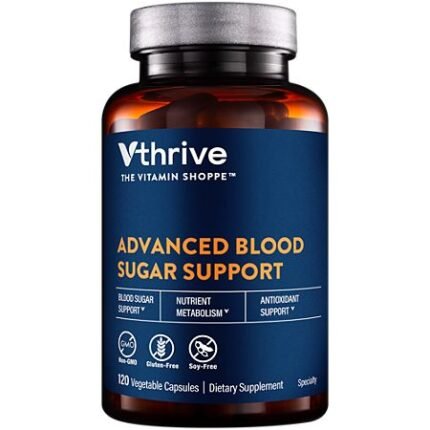
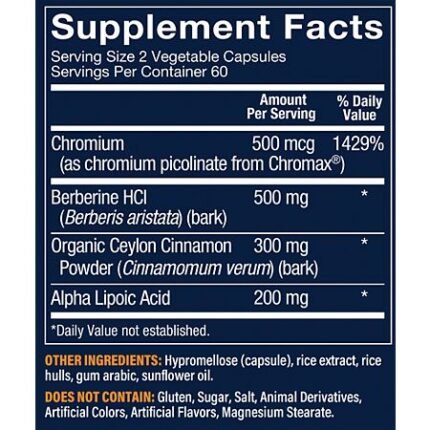
Advanced Blood Sugar Support – Antioxidant & Nutrient Metabolism – 500mg of Berberine (120 Vegetarian Capsules)
Original price was: $39.99.$31.99Current price is: $31.99.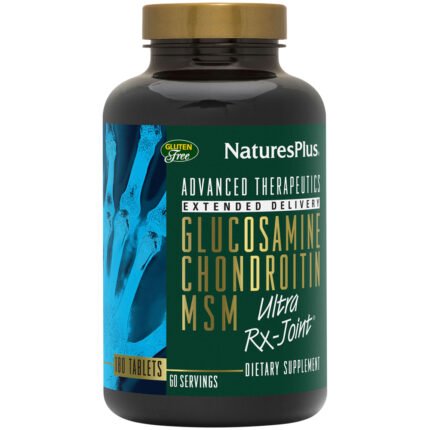
Advanced Therapeutics Glucosamine Chondroitin MSM Ultra Rx-Joint (180 Tablets)
Original price was: $79.97.$59.97Current price is: $59.97.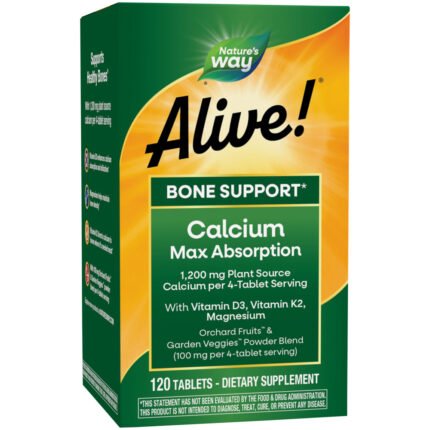

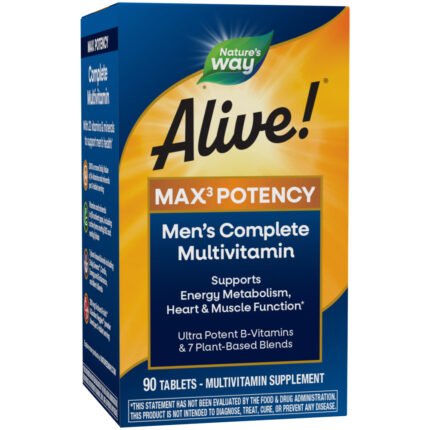
Alive! Whole Food Energizer Men’s Multivitamin (90 Tablets)
Original price was: $26.99.$23.76Current price is: $23.76.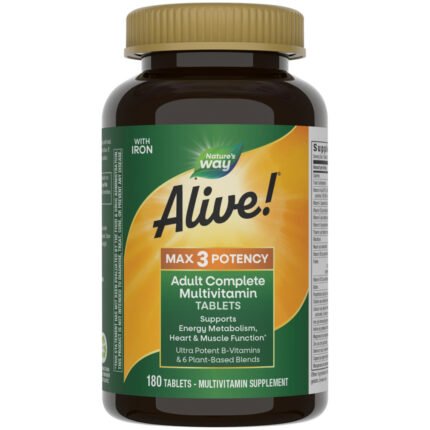

Vitamins and supplements buying guide: ingredients, formats, labels and FAQs
How to use the Vitamins and Supplements department
A broad department is a useful starting point when you know the general product family but have not chosen an exact item. It is less useful if every listing is treated as interchangeable. A collagen powder, a multivitamin and a mineral capsule are different products with different information to review. Choose the relevant ingredient family or format first, then compare a small number of individual listings on a consistent basis.
The current collection includes CoQ-10 capsules in more than one package count and collagen listings in powders, tablets and different flavors. Subcategories also organize vitamins, minerals, multivitamins, fish oil and omega products, herbs and botanicals, and other formulas. These are browsing groups rather than personal recommendations. Category placement does not establish that a product is suitable for a particular individual or that similarly named formulas have equal ingredients.
For a clearer shortlist, use Vitamins, Minerals or Multivitamins when one of those families matches your search. If you already know a product, match its full name and package rather than starting from a general benefit phrase. A precise identity makes both a first comparison and a repeat order easier to understand.
Vitamins, minerals and combination products
A vitamin listing, a mineral listing and a multivitamin or combination formula should each be checked by their actual ingredients. A broad name does not reveal every nutrient, amount or additional ingredient in a product. If you are comparing two items, read their complete panels rather than assuming that similar category names represent the same formula. Keep the stated serving basis alongside any ingredient amount so the numbers remain meaningful.
A combination product may include several ingredients highlighted in its title, while a simpler-looking title may still have other ingredients described on the label. Neither naming style establishes personal suitability. The useful shopping question is what the exact product supplies and what information remains to be clarified. For individual questions about nutrition needs, medications or health circumstances, seek guidance from a qualified healthcare professional rather than treating the department name as an assessment.
| Shopping starting point | Useful category to investigate | Detail to confirm on the product |
|---|---|---|
| A named vitamin product | Vitamins | Exact ingredient identity and serving basis |
| A mineral formula | Minerals | Stated form, amount and package information |
| A combination nutrient product | Multivitamins | Full ingredient panel and labeled directions |
| A collagen listing | Collagen | Source information, format and serving details |
| A botanical formula | Herbs and Botanicals | Specific ingredients and label warnings |
| An omega product | Fish Oil and Omegas | Actual source, formula and package details |
Compare product formats before package prices
This department contains several formats that require different quantity checks. Capsules and tablets are often described by unit count. Powders may be described by net weight and labeled servings. Liquids may show bottle volume and a measured serving. Read the exact listing rather than assuming that every large number in a title refers to the same thing. A format decision should come before an attempt to rank products by price.
Preparation and handling matter as well. A powder may require mixing according to its directions, while a capsule or tablet is a different format. A liquid has its own label instructions. This guide does not recommend one format for everyone or design a personal use schedule. It helps you identify what is offered and consider whether the product's preparation and storage requirements fit the arrangements you actually have available.
If you are repeating a purchase, match the format carefully. A familiar ingredient name can appear on a powder, a liquid or a capsule product. Selecting the first matching keyword can produce a different item from the one you intended. Use the full product name and known package details from an earlier order as your reference, then review the current listing because options, price and availability may change.
Capsules, tablets and labeled serving counts
A unit count and a serving count are different purchasing details. A bottle containing a stated number of capsules does not automatically supply that same number of labeled servings. Read how many units the actual label describes for one serving. Do not convert the bottle count into a personal timetable or assume that a larger capsule count changes the product's directions. Quantity describes the package, while personal use is a separate question.
The current CoQ-10 examples illustrate a practical package comparison. The catalog includes titles describing 200 MG with 60 capsules and 200 MG with 120 capsules. Those numbers help identify the listings, but the label must explain the serving basis. Match the formula and read the actual panel before comparing the two packages. A larger unit count is a quantity difference, not evidence of a different ingredient amount per labeled serving.
| Quantity term | What it identifies | What to check next |
|---|---|---|
| Capsule or tablet count | Number of physical units in the package | Units described by the labeled serving |
| Serving size | Quantity defined on the actual label | The basis for ingredient amounts |
| Servings per container | Labeled number based on that serving | Whether the comparison uses matching quantities |
| Net weight | Amount of powder or product supplied | Separate serving and preparation information |
| Liquid volume | Bottle contents described by volume | Measured serving directions on the package |
| Cart quantity | Number of selected sales units | Total packages being ordered |
Powders and liquids: identify the measurement
A powder title may show ounces, grams or a labeled serving count. Those measurements describe different aspects of the purchase. The current collagen collection includes examples with different package weights, flavors and serving-count wording. Do not use package weight alone to infer the amount of a particular ingredient per serving. Read the exact formula and panel, especially when a title includes additional words such as Plus or Complex.
A liquid listing needs a similar check. Bottle volume does not by itself establish the quantity described as one serving or the amount of a particular ingredient. If a product's title contains both a volume and another number, determine what each represents. Do not import preparation or serving instructions from another product simply because the bottles look similar. The actual label should provide the product-specific directions.
When comparing formats, begin by asking whether you intended to investigate the same ingredient in a different format or an entirely different formula. Those are distinct questions. A clear shortlist records full product identity, format and confirmed quantity for each candidate. If an important detail is missing, leave it as a question to resolve rather than completing the comparison with a guessed number from another listing.
How do I read Supplement Facts information?
The Supplement Facts panel is a central reference for a dietary supplement comparison. It identifies a serving basis and ingredient information, while the package may also list other ingredients separately. Use the actual panel matched to your selected product. The NIH Office of Dietary Supplements provides general background in Dietary Supplements: What You Need to Know. That background helps explain label terminology without establishing the details of a particular store listing.
Read the product name, serving information and ingredient amounts together. An amount without its serving basis can be misleading in a comparison. A short store title may highlight a single ingredient or number, but it is not a replacement for the complete panel. If the information needed for your decision is unavailable, ask about the exact product or consult the manufacturer instead of borrowing details from a neighboring option.
For additional context, the FDA's Supplement Facts labeling guide explains the labeling framework. This guide does not calculate individual nutrient requirements or translate label percentages into a personal plan. Product information helps identify what is supplied. A healthcare professional can help answer individual questions about whether a particular ingredient or amount fits your circumstances.
Ingredient preferences and allergen information
Check ingredient preferences on the exact flavor and formula rather than applying a statement from an entire brand or category. A capsule, a flavored powder and a combination formula can have different additional ingredients. The product title may not include everything that matters to your decision. Read the current ingredient and allergen information before relying on a dietary description, particularly where an ingredient affects your ability or willingness to use the product.
Words such as unflavored, botanical or liposomal should not be extended into assumptions about every other feature of a formula. They identify aspects of a product, not a complete ingredient list or a guarantee about personal effects. If a label statement is important, verify it for the selected item. Do not assume that two products sharing a highlighted ingredient are identical in all other respects.
| Product information | Useful question | Assumption to avoid |
|---|---|---|
| Full ingredient list | What does this exact formula include? | The highlighted ingredient is the only ingredient |
| Other ingredients | What additional formulation details are listed? | A short title contains the complete recipe |
| Flavor version | Does the information match the selected flavor? | Every flavor has identical ingredients |
| Dietary wording | What does the actual package state? | A category-wide statement applies to every item |
| Allergen information | What is provided for the chosen product? | A similar product's label answers the question |
What do support and benefit words mean while shopping?
Some category names and product titles use words such as support, health or longevity. Those words can help organize a catalog, but they should not be treated as a personal outcome guarantee. A category name does not diagnose a need, prove that an ingredient is appropriate for a particular person or establish a treatment effect. Read the actual product information and avoid turning a marketing phrase into a promise that the listing does not substantiate.
The practical comparison remains product-specific: identify the formula, format, label directions and package quantity. If your question concerns a medical condition, a medicine or personal suitability, take that question to a qualified professional. This shopping guide does not recommend replacing prescribed treatment or selecting a supplement solely from a symptom-related search phrase. It explains how to understand a store listing, which is a different task from individualized health advice.
A useful product description can be detailed without promising more than it can establish. It can explain the package, compare related formats and identify where information needs to be checked. That is the approach used here. The department is a place to browse products, while claims about individual outcomes require appropriate evidence and context. A familiar brand name or a large number on a label does not remove that distinction.
Check exact products instead of collecting claims
When comparing several listings, keep the information for each one together. Do not build a description using the ingredient amount from one page, the package size from another and a certification statement from an unrelated version. That combination may not describe any actual product. A simple comparison note can prevent this problem by recording the full title, format, confirmed quantity and unanswered questions in separate fields.
Start with a small shortlist. Someone repeating a familiar order may need only to confirm the exact package and current availability. Someone exploring a new product family may need more ingredient information before considering a purchase. Both situations benefit from clear questions. A focused comparison is easier to assess than a long list of appealing claims gathered without attention to which exact product each claim describes.
If you cannot verify a detail that is essential to your choice, ask before checkout. State the full product name and the specific question, such as the serving basis, package count or version supplied. Do not let an attractive price turn an unresolved assumption into a purchase. Accurate product information is more useful than a fast decision based on a partial title and a familiar image.
How can I compare vitamin and supplement prices fairly?
Begin with equivalent product identities and clearly understood quantities. A product-only price per labeled serving can be calculated from the current package price and confirmed serving count, but it does not prove that two different formulas are interchangeable. A lower price per capsule is a different calculation from a lower price per labeled serving. Make sure you understand the unit being compared before interpreting the result.
For the current CoQ-10 package examples, a comparison should first confirm the exact formula and label basis, then compare the 60-capsule and 120-capsule listings on their current details. For powders, the net weight and labeled serving information may both matter. For liquids, bottle volume alone may not answer the ingredient question. The same method applies throughout the department: identity first, quantity second, calculation third.
Checkout provides any order-specific delivery charges, taxes and adjustments. This guide does not promise a fixed shipping cost, a particular promotion or unchanged availability. Review the order when you place it. Also consider whether the package quantity fits your plans and storage space. A larger purchase is not automatically more useful when the product is unfamiliar or an essential specification remains unclear.
Quality wording, testing and approval claims
Do not assume that a supplement is FDA approved merely because it is sold online or carries a Supplement Facts panel. The FDA explains that dietary supplements do not undergo the same premarket approval process as drugs. Its questions and answers on dietary supplements provide background. This department guide does not make a blanket approval claim for the products listed.
Testing and certification statements should also be checked for the exact item. A claim associated with one formula or version should not automatically be extended to every product from the same brand. If a particular certification is essential to your purchase, verify it through the relevant program and matching product information. A logo in a representative image is not a substitute for establishing which item the claim actually covers.
For competitive athletes, sports-specific requirements create another set of questions. A general retail category cannot establish anti-doping suitability. Use appropriate sporting guidance and check the actual product rather than assuming that any sports-related supplement is suitable for every competition. Our Sports Nutrition guide links to relevant educational resources, while individual decisions require the appropriate product, professional and sporting information.
Plan for storage and clear identification
Storage directions should be checked on the actual package, including any difference after opening or preparation. Do not assume that every capsule bottle, powder container or liquid has identical requirements. Before ordering a larger quantity, consider where it can be kept as instructed. Suitable storage is a practical part of choosing a format and package rather than something to decide only after the product arrives.
Keep the original ingredient and direction information available, especially when more than one person uses the same storage area. A generic container marked only vitamins can obscure the actual product identity and serving instructions. Clear labeling also helps with repeat orders because you can identify the exact item rather than remembering only the package color. Preserve the information that explains what the product is and how its own label describes it.
On delivery, compare the product and quantity with the order confirmation before use. Inspect the packaging and retain relevant information if there is damage or a mismatch. Contact the store through the website and follow the published order and returns terms. This category guide does not create a separate guarantee about every package detail or replace the transaction policies that apply to an individual purchase.
Choosing the next relevant supplement collection
The department contains many ingredient families, so a narrower category can make browsing more manageable. Choose it according to the specific product you want to investigate rather than a promise inferred from the category name. The table below is a navigation aid. It does not establish personal suitability or imply that every product within a row has identical ingredients, formats or label information.
| Browse by this question | Relevant collection | Detail to check on the selected item |
|---|---|---|
| Which collagen format is listed? | Collagen | Source information, formula and serving basis |
| Which omega product is offered? | Fish Oil and Omegas | Actual ingredient source and package details |
| Which botanical formula is this? | Herbs and Botanicals | Complete ingredients and label directions |
| Which vitamin combination is included? | Multivitamins | Full panel and version supplied |
| Which mineral form is stated? | Minerals | Exact ingredient identity and amount basis |
| Which product fits a sports-format comparison? | Sports Nutrition | Formula, format and relevant product information |
Frequently asked questions about buying vitamins and supplements
Where can I buy vitamins and supplements at Sprinkles Menu?
Browse this department and use a narrower category when your ingredient family or preferred product is clear. Open the individual listing to review its current availability, format, ingredients and package information before adding it to the cart. Confirm the exact item and number of sales units during the final review. Order-specific delivery choices and final charges should be checked during checkout rather than assumed from a general guide.
Does a capsule count tell me how many servings are included?
Not by itself. Read the actual label to see how many units it describes as one serving and whether it provides a servings-per-container figure. A physical unit count and a serving count are different details. Do not turn either number into a personal timetable. Package quantity helps identify the purchase, while individual use and suitability are separate questions for the appropriate product information and professional guidance.
Are two products with the same ingredient name identical?
Do not assume that. They may have different formats, serving bases, additional ingredients or package quantities. Compare the full product identities and matching panels rather than selecting by one shared keyword. If you are repeating an earlier purchase, use its complete name and known details as a reference. Ask about any required specification that is missing rather than importing it from a neighboring listing.
Can I compare supplement prices by bottle size alone?
Bottle appearance does not establish the quantity or formula supplied. Check the unit count, serving information, ingredient amounts and package details relevant to the specific product. A price per capsule and a price per labeled serving are different calculations. Use the current product price and confirmed quantity, then review checkout for any additional order costs. Similar packaging is not enough evidence for an equivalent comparison.
What if I need a particular dietary or allergen detail?
Read the current information for the exact product, flavor and version. Do not apply a statement from another item in the brand range without checking. If an essential detail is unavailable, ask for clarification before ordering. A short title or category name cannot supply a complete ingredient assessment. For individual health questions, consult a qualified professional rather than relying on a broad store description.
Is a higher ingredient amount always a better choice?
This guide does not rank personal suitability from the size of a number on a label. Understand what the amount describes, including its serving basis, and seek appropriate professional guidance for individual needs. A numerical comparison can help identify product differences, but it does not by itself establish what a particular person should use or promise a better outcome from a larger amount.
Does a support-related category name guarantee a benefit?
No. A browsing category or marketing phrase is not a personal outcome guarantee. Check the actual ingredients and directions, and do not use a category heading to diagnose a need or replace medical advice. The purpose of this guide is to improve product identification and comparison. Questions about a health condition, medication or individual suitability should be addressed with an appropriate professional.
What should I check when my supplement order arrives?
Confirm that product names, versions and quantities match the order, inspect the packaging and read the actual label before use. Keep relevant packaging if you need to report a discrepancy or damage. Contact the store through the website and follow the published order and returns terms. A general category guide should not be treated as a substitute for those transaction-specific policies or instructions.
Final supplement shopping checklist
Bring the comparison back to the actual product before checkout. Read the complete title, verify its format and package quantity, and check the information that matters to your decision. If a required detail remains unresolved, ask about the selected item. A clear purchase is easier to identify on delivery and creates a more useful reference if you later decide to repeat or change the order.
| Final review | Confirm this information | Practical value |
|---|---|---|
| Complete identity | Full product name, formula and version | Prevents a partial-name mismatch |
| Format and quantity | Capsules, tablets, powder or liquid with stated amount | Clarifies the sales unit |
| Label information | Ingredients, serving basis and directions | Supports a product-specific comparison |
| Essential preferences | Matching dietary or allergen information | Avoids assumptions from other versions |
| Practical arrangements | Suitable storage and manageable quantity | Helps the order fit available space |
| Cart details | Correct products and number of sales units | Reduces avoidable ordering mistakes |
Choose a focused category, compare the exact product information and confirm the package before ordering. Clear identification, current labels and appropriate sources for personal questions make the Vitamins and Supplements department easier to navigate without expecting a store title to answer more than it can establish.