





Shop creatine supplements at Sprinkles Menu by ingredient form, format, flavor, and manufacturer-listed servings. Compare creatine monohydrate powders, capsules, gummies, chews, and combination formulas using their current labels, pack sizes, and prices. Open individual listings to confirm the exact product version and availability before ordering.
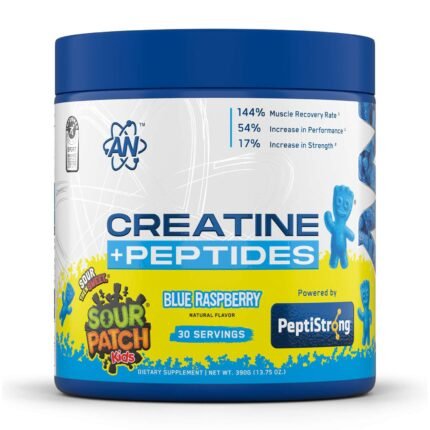
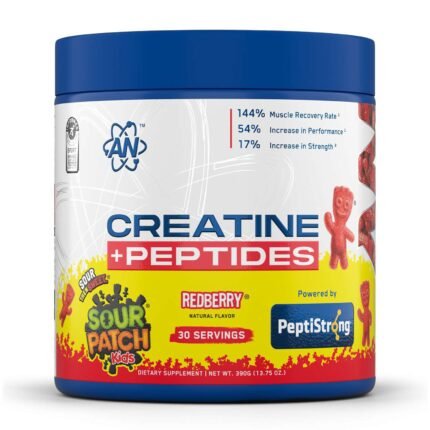

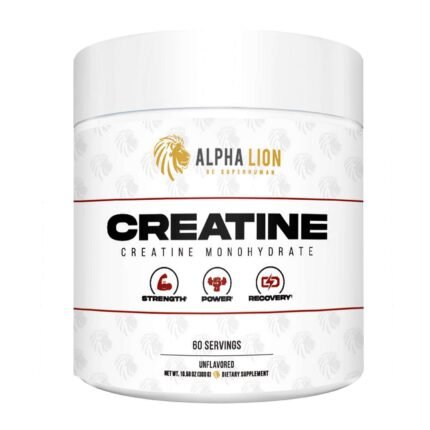
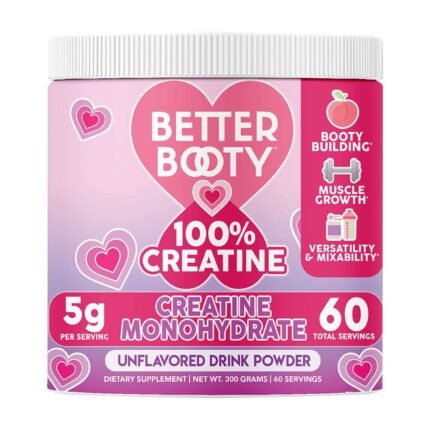



Creatine buying guide: compare forms, formats, labels and serving costs
Creatine supplements: understand the formula before choosing the format
The creatine category brings together products that can look very different even when they share the word creatine. An unflavored powder, a bottle of capsules, a bag of gummies, and a multi-ingredient blend represent different purchases. Their package weights, unit counts, serving definitions, and ingredients may differ. A useful shopping comparison starts by establishing what each item actually contains rather than assuming that one tub, bottle, or pouch is directly equivalent to another. The front label helps identify a product; the complete label explains the comparison.
At Sprinkles Menu, use the category to build a shortlist, then examine the exact listings that match your preferred format. The guide below covers creatine forms, flavored and unflavored options, servings, ingredient information, combination formulas, unit-price calculations, and practical purchase checks. It is written to help you read product information and compare packages. It does not prescribe a personal dose, promise an exercise result, or decide whether a supplement is suitable for an individual health situation. Those questions require appropriate evidence and qualified advice.
Keep three questions separate as you browse. First, which ingredient or combination of ingredients is listed? Second, how is the product supplied and how does the manufacturer define a serving? Third, what does the selected package cost under the current order terms? Separating formula, format, and price makes it easier to identify a meaningful difference. It also prevents a common mistake: treating a lower-priced bottle or a larger-looking tub as a better purchase without checking how many listed servings it provides or what those servings contain.
Creatine monohydrate and other ingredient names
Creatine monohydrate is a widely encountered ingredient name in this category. The National Institutes of Health Office of Dietary Supplements identifies it as the creatine form with the broadest use and research in supplements. You can read the NIH consumer information on exercise and athletic performance supplements for independent background. That information concerns the ingredient and evidence; it does not establish that every brand, flavored mixture, gummy, or proprietary blend has been evaluated in the same way.
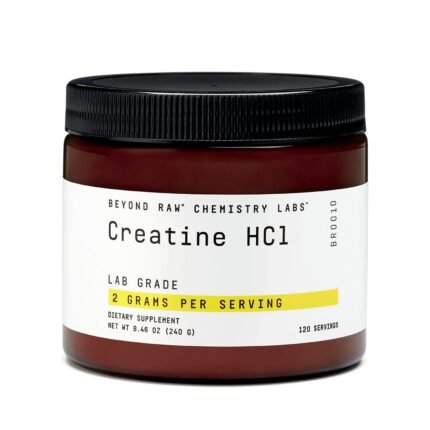
The catalog also includes listings that name creatine HCl, buffered products, and combinations with other ingredients. Read the ingredient wording on each exact label before deciding how to compare them. A branded ingredient name or trademark is not the same thing as a complete ingredient explanation. Similarly, a formula described with a performance phrase may contain several components. Record the actual form named in the ingredient panel and any quantity that is separately declared. Leave unconfirmed information as a question instead of replacing it with an assumption.
Do not treat similarly spelled terms as interchangeable without checking the manufacturer’s information. Product titles can be shortened, reformatted, or contain transcription errors, while package photographs can show a different version from the text. If an ingredient name appears unclear, confirm the readable label and exact product version before using it in a comparison. This is especially important when a title combines a trademark, a chemical-form name, and a serving count. Understanding the wording is a better starting point than assigning a quality ranking from the title alone.
Powder, capsules, gummies, chews, and blends
Format affects how a product is packaged and used according to its instructions. Powders are typically compared by net quantity, serving size, and manufacturer-listed servings. Capsules and tablets have a unit count, but one unit is not necessarily one serving. Gummies and chews also require a serving check because a package can contain several pieces per listed serving. Combination formulas need another layer of review: the full serving may include creatine plus other ingredients, rather than being a standalone creatine product.
Choose a comparison unit that matches the format. For a powder tub, record the amount of powder used for the manufacturer’s serving and the listed number of servings. For capsules, record the capsule count and the number of capsules in the serving definition. For gummies, use the same approach with pieces and servings. These are label-reading steps, not suggested consumption amounts. Follow the specific manufacturer’s instructions and warnings, and avoid changing the serving definition merely to make a price comparison appear more favorable.
| Format | Package information to verify | Serving information to verify | Practical question |
|---|---|---|---|
| Unflavored powder | Net quantity and listed servings | Amount of powder per serving | Does the label identify a standalone ingredient or a blend? |
| Flavored powder | Flavor, net quantity, and listed servings | Full powder serving and separately declared creatine | Which additional ingredients are listed? |
| Capsules or tablets | Number of units in the bottle | Number of units per listed serving | Is the unit count being confused with serving count? |
| Gummies or chews | Piece count and flavor | Pieces per serving and declared ingredient amount | What other ingredients and nutrition details are provided? |
| Combination formula | Pack format, full ingredient list, and servings | Amount of each separately declared component | Are you comparing the complete formula rather than only its name? |
The table helps you organize the information before selecting a product. It does not say that every product in one format has the same label, ingredients, or performance evidence. Two gummies with a similar count can have different serving definitions; two unflavored powders can have different formulas. Read the selected listing as an individual item. When a package photograph is not clear enough to confirm the facts, resolve the uncertainty before calculating quantity or deciding that a format is the one you want.
What a serving count tells you, and what it does not
A serving count describes the number of servings based on the manufacturer’s stated serving size. It should not be confused with the number of capsules, gummies, scoops shown in a photograph, or days a product will last for a particular person. A bottle containing ninety gummies might list thirty servings, eighteen servings, or another count depending on the product’s own definition. The correct figure is the one provided for that exact formula. Do not carry a serving definition from a different bottle into your current comparison.
This distinction is visible in catalog titles. For example, a product named as ninety gummies with thirty servings is not the same serving-count purchase as ninety gummies with eighteen servings. Both may have ninety pieces, but the labeled portion sizes differ. You can compare the package price per manufacturer-listed serving after recording the correct denominator. You should still inspect the ingredient amount and full formula because equal serving counts do not guarantee equal composition. Quantity and formula remain two separate parts of the shopping decision.
| Example title information | Unit count | Listed servings | What the shopper should verify |
|---|---|---|---|
| Ninety gummies, thirty servings | Ninety pieces | Thirty | Pieces per serving and the declared creatine amount |
| Ninety gummies, eighteen servings | Ninety pieces | Eighteen | The different serving definition on this exact product |
| Seventy-two capsules, seventy-two servings | Seventy-two capsules | Seventy-two | The manufacturer’s capsule serving and formula |
| One hundred twenty chews, thirty servings | One hundred twenty pieces | Thirty | Pieces per serving and complete ingredient information |
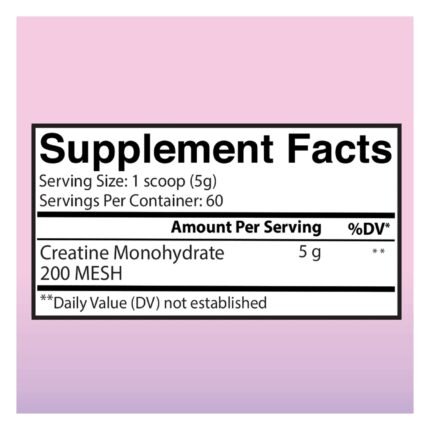
| Powder with sixty servings | Package net quantity as labeled | Sixty | Powder serving size and ingredient form |
Use these examples to understand the wording, not to choose a personal portion or predict a product’s duration. A package can state a serving count while also providing instructions that deserve closer reading. If a title and label disagree, do not silently choose the larger number. Confirm the correct current information. The FDA’s supplement-labeling information provides background on the different information that appears on supplement packages, including ingredient and quantity details.
Reading the Supplement Facts panel
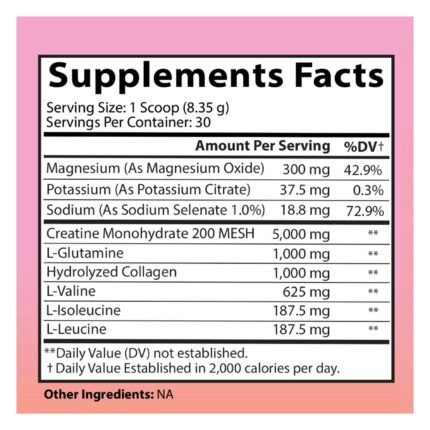
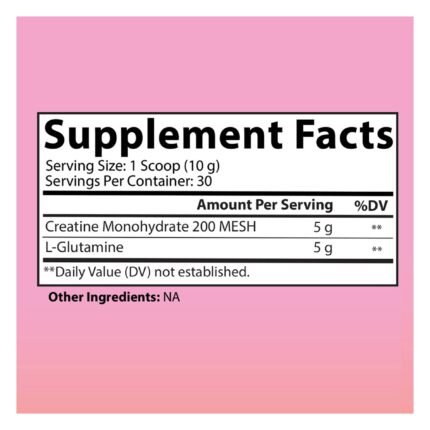
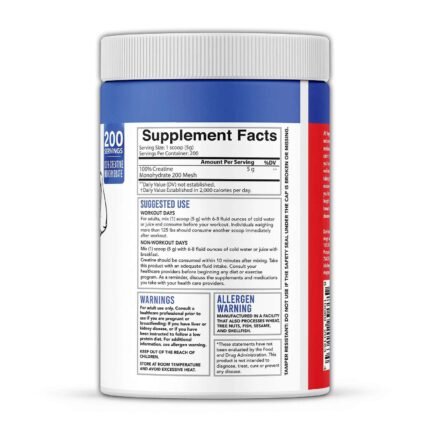
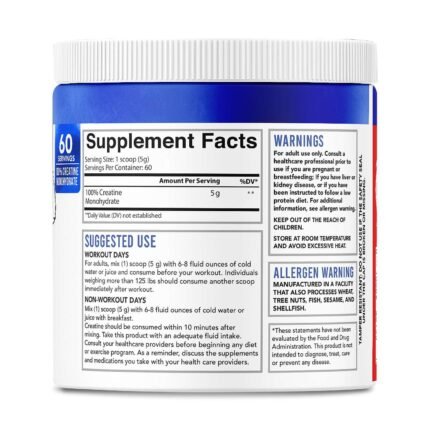
Read the serving-size line before comparing the amounts listed below it. A number described as an amount per serving has a meaning only alongside the serving definition. Then identify the ingredient form and any amount separately declared for creatine. If the product contains several ingredients, note whether each amount is shown individually or whether the label presents a combined blend quantity. A combined amount should not be treated as a known amount of every component. The product’s exact labeling determines which comparisons are possible.
Also inspect the other-ingredients information, which can explain parts of the formula not represented by the headline ingredient name. This is useful when comparing flavored powders, gummies, chews, capsules, or products with particular dietary claims. The complete label is a more precise reference than a broad title such as “muscle formula” or “performance complex.” If a label image is too small to read, seek clearer manufacturer information rather than estimating quantities or assuming that the additional ingredients match another product in the same brand.
Build your comparison around confirmed fields. Write the ingredient form as it appears, record its stated amount and unit, and record the serving size used. Add package quantity and manufacturer-listed servings in separate columns. This prevents a package weight from being mistaken for an ingredient amount or a capsule count from being mistaken for a serving count. If you are considering suitability, interactions, or a health condition, label-reading alone is not enough to answer that question. Discuss individual concerns with a qualified healthcare professional.
Net powder weight versus creatine quantity
A powder’s package weight and the amount of creatine in a serving are different measurements. The package weight describes the total material supplied. A flavored blend may include sweetening ingredients, flavors, or other components, while a combination formula may also contain collagen or other named ingredients. Do not assume that the entire package weight is creatine merely because the product appears in this category. Read the ingredient panel and the separately declared amounts when they are available.
Likewise, a scoop’s weight should not automatically be treated as the amount of creatine supplied by that serving. A scoop of a mixture can contain more than one ingredient. The label might state the complete powder serving and list the amount of creatine separately. Keep both figures visible if you compare it with a standalone product. If the ingredient amount is not separately declared, do not invent a number by subtracting guessed amounts of flavoring or by copying a figure from a different formula.
Package net weight can be useful for checking the selected size and for comparing two versions of the same clearly identified product. It is less useful as a standalone ranking across different formulas. A larger tub could have a different serving size, ingredient mix, or number of listed servings. To understand value, move from package weight to the manufacturer’s serving information and current price. To understand composition, use the ingredient details. Each measurement answers a specific question; none should substitute for the others.
Flavored and unflavored creatine powders
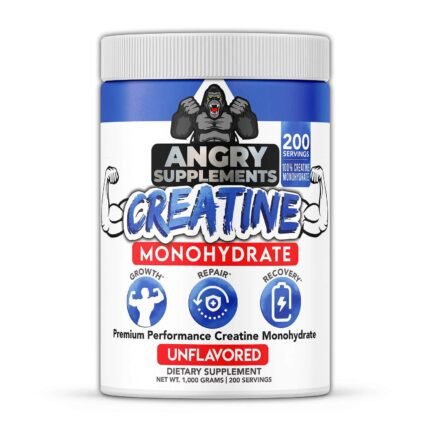
Unflavored products are often selected by shoppers who want a simpler flavor comparison or who prefer not to choose a flavored powder. However, “unflavored” is not a complete ingredient statement. Check whether the product contains only the named ingredient or a combination of ingredients, and read the other-ingredients information. Do not automatically translate the word into a claim that the product has no additional components, no texture, or no perceptible taste. The exact formula and the manufacturer’s description should establish what is being offered.
Flavored powders may be listed in options such as fruit punch, blue raspberry, lemon lime, mango, or sour watermelon. Use those names to find the version you want, then review the ingredient and serving details. A flavor option is not necessarily interchangeable with an unflavored product, and similarly named flavors from different brands can have different formulas. If particular sweeteners or ingredients matter to your purchase, rely on the exact label rather than deciding from a fruit name or package color.
When choosing a new flavor, consider whether the package quantity is a comfortable commitment. A large tub can be practical for a product you already know, but a smaller available package may be easier to evaluate when the formula or flavor is unfamiliar. This is a shopping preference rather than an efficacy recommendation. Record the complete title if you later reorder, including the brand, flavor, and listed servings. That helps prevent a repeat order from accidentally selecting another format or a similarly named combination product.
Capsule and tablet products
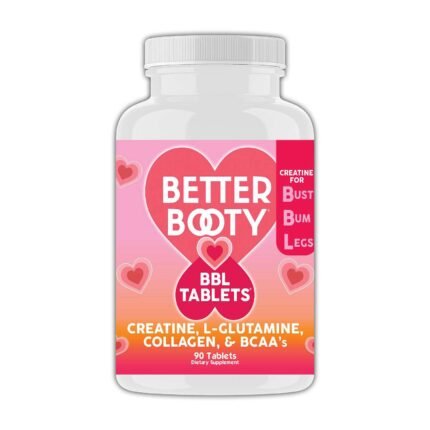
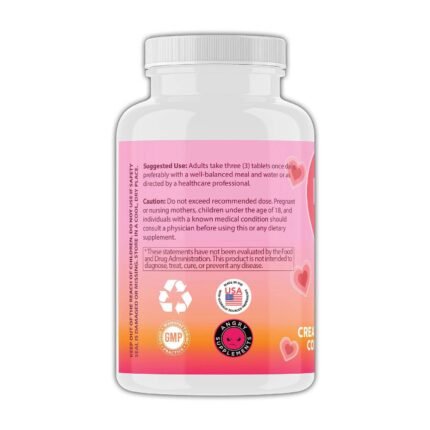
Capsules and tablets are usually displayed with a bottle count, which makes them easy to recognize but not automatically easy to compare. First verify whether the listed serving is one unit or several. Then record the ingredient amount associated with that serving. A bottle containing more capsules does not necessarily provide more manufacturer-listed servings than another bottle with fewer capsules. The formula, serving definition, and selected package size together explain the quantity supplied. Keep those details separate from the headline unit count.
Read the capsule or tablet ingredients if the shell material or other components matter to you. Dietary claims should be checked for the specific product, not assumed from the ingredient creatine alone. Different brands and lines may describe their formulations differently, and a product’s format does not establish a certification. If the listing uses a claim such as vegetarian or vegan, look for the manufacturer’s current supporting information. When that information is not present, treat the claim as something to verify rather than a category-wide property.
For price comparison, use the current bottle price divided by the manufacturer-listed servings when that number is established. If you also record price per capsule, label it clearly as a different calculation. The two figures can answer different purchasing questions, and neither is a personal usage instruction. Do not choose a portion size to obtain a more appealing price result. The comparison should remain grounded in the labeled product and should not imply that one number of capsules is suitable for everyone.
Creatine gummies and chewable formats
Gummies and chews add several practical comparison points: piece count, manufacturer-listed servings, flavor, ingredient amounts, and other-ingredients or nutrition details where provided. Start with the serving definition because a bag with many pieces may still provide a modest number of labeled servings. Then check the declared ingredient form and amount. A gummy’s size, flavor name, or appearance does not establish its creatine content. Read the manufacturer information for the exact version rather than estimating the amount from how the pieces look in a photo.
If you compare two gummy products, use the full title and the listed serving count. In the catalog, ninety-piece packages are associated with different numbers of servings across products. That difference is a reason to inspect the labels, not a reason to assume one formula is stronger or better. Composition can differ alongside the serving definition. Record any sugar, sweeteners, or dietary claims that matter to your shopping decision, and confirm them for that product instead of assuming that all gummy formats share the same ingredients.
Chewable tablets may be listed separately from gummies, even when both have flavored pieces and a serving count. Keep those format distinctions visible in your shortlist. If you already prefer a particular texture or package style, that can guide browsing, but it should not replace ingredient comparison. When you find a version you want to repurchase, match the brand, flavor, unit count, and listed servings. Familiar-looking packaging is useful for recognition; the complete product information is the stronger reference for the actual order.
Creatine combination formulas
The category includes products that combine creatine with collagen, HMB, or other named components. These are complete formulas rather than automatically equivalent substitutes for a standalone creatine item. Read the full ingredient panel and record the separately declared amounts where they are available. A combined product title can make the main ingredients easy to spot, but it does not answer whether the formula fits your intended purchase. Compare the complete product rather than isolating one word from its name and ignoring the remaining ingredients.
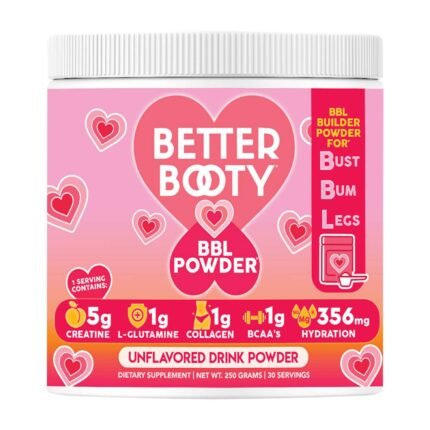
A creatine-and-collagen powder, for example, should be reviewed for its creatine form, collagen source information, serving definition, flavor, and additional ingredients. Those fields are distinct from the label information you would record for an unflavored standalone powder. If you are also shopping for collagen products, the Collagen category provides a separate route to compare that product group. Cross-category browsing can clarify the selection without assuming that a combination has the same composition as two independently chosen products.
Do not add two separately purchased products together based only on a category guide. Combining supplements can raise questions that this shopping information does not answer. If you have concerns about overlapping ingredients, suitability, or use alongside medication, seek qualified advice and consult the exact product instructions. For the purchasing comparison, simply identify the ingredients that are known, mark uncertain amounts clearly, and establish the package quantity and price. A transparent description of a formula is more useful than a promise that a blend delivers superior results.
Current catalog examples and what they illustrate
The examples below are drawn from product titles currently listed in this category. They show differences in format, ingredient naming, and package information; they are not a recommendation, a performance ranking, or a guarantee of stock. Open the linked page to check its live price, images, availability, and current label details. Ingredient or serving wording shown in a title still needs to agree with the manufacturer information for the product you select. If the information appears inconsistent, confirm the correct version before ordering.
| Catalog example | Format or formula described in title | Quantity information in title | Useful next check |
|---|---|---|---|
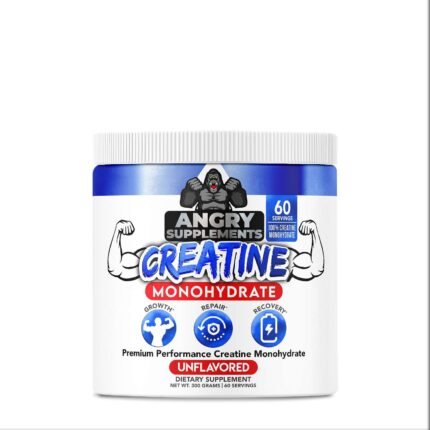
| Swolverine Creatine Monohydrate | Unflavored creatine monohydrate | Sixty servings | Serving size and full ingredient label |
| CON-CRET Creatine HCl capsules | Capsule product naming creatine HCl | Seventy-two capsules and seventy-two servings | Exact capsule serving and declared ingredient amount |
| Peach Perfect Creatine Gummies | Piña Colada gummy product | Ninety gummies and thirty servings | Pieces per serving, ingredients, and dietary statement |
| Animal Creatine Chews, Grape | Flavored chewable tablets | One hundred twenty tablets and thirty servings | Serving definition and complete formula |
| Creatine and multi-collagen powder | Unflavored combination formula | Thirty servings, with ingredient amounts named in the title | Current label and source information for each component |
These examples show why a category can be useful even before you decide on a brand. You may start by excluding formats you do not want, then compare the remaining formulas and package sizes. A shopper looking for an unflavored powder will ask different packaging questions from someone looking for flavored chews. Both should verify the ingredient amount and serving information. The catalog provides a starting list; the final comparison belongs to the exact products, not to a general assumption about every item carrying the same category label.
Comparing price per manufacturer-listed serving
Once the serving count is confirmed, divide the product price by that count to calculate price per manufacturer-listed serving. This is a purchasing calculation, not a dosing recommendation. Use the actual current price of the selected package. If two formulas have different ingredient amounts or other components, state that difference alongside the price result. An equal price per serving does not mean the formulas are equivalent, and a lower figure does not establish that a product is more appropriate for you.
The table below uses hypothetical prices to illustrate the arithmetic. The values are examples in currency units, not live Sprinkles Menu offers or a promise of savings. Replace them with the current listing prices when you make your own comparison. The examples deliberately use the manufacturer-listed serving count instead of guessing from capsule count or tub size. That makes the denominator clear. If the actual serving count cannot be confirmed, postpone the calculation rather than substituting an unsupported estimate.
| Hypothetical package | Example price | Listed servings | Example price per serving |
|---|---|---|---|
| Small powder package | Thirty currency units | Thirty | One currency unit |
| Larger powder package | Forty-eight currency units | Sixty | 0.80 currency units |
| Gummy package | Thirty-six currency units | Eighteen | Two currency units |
| Capsule package | Forty-five currency units | Seventy-two | Approximately 0.63 currency units |
In this example, the capsule package has the lowest arithmetic figure, but the table does not compare the ingredient amounts or decide which formula to buy. That is intentional: price is one dimension of the decision. Read the formulas before drawing a conclusion. You might also prefer a format that fits your routine, a flavor you know, or a package size you can store according to its label. A useful price table makes the assumptions visible and leaves the remaining purchasing questions open for a proper comparison.
When a price-per-gram comparison is useful
For some clearly labeled products, you may also want to compare price per declared gram of an ingredient. That calculation requires a confirmed ingredient amount per serving and a confirmed number of servings. Multiply those figures to establish the declared total under the label’s serving definition, then divide the package price by that quantity. Do not perform the calculation from package weight alone if the powder contains other ingredients. Do not assume an ingredient amount when the label does not disclose it separately.
This measure is most understandable when the ingredient form and other relevant details are being compared consistently. If products name different forms or contain additional ingredients, explain those differences rather than presenting the figures as perfectly interchangeable. A comparison of declared quantities is not a conclusion about absorption, effectiveness, or suitability. It can help describe what is supplied under the label, but it does not establish a personal use recommendation. The comparison should stay within the facts the exact labels actually provide.
For example, a formula with collagen or flavoring may have a different total powder serving from the separately listed creatine amount. Using the total scoop weight as though it were all creatine would distort the calculation. Similarly, capsule shells and other ingredients are not automatically the ingredient quantity you intend to compare. Keep the calculation simple and auditable: price, listed servings, and separately declared ingredient amount. If one input is missing or unclear, record that limitation instead of generating a precise-looking answer from incomplete information.
The complete order cost
The current product price may not be the final amount you pay. Check delivery charges, taxes where applicable, and any other checkout adjustments for the destination you actually plan to use. A policy from another retailer does not establish the terms of a Sprinkles Menu order. Likewise, a general guide cannot promise free shipping, a dispatch time, or a courier that has not been confirmed for the purchase. Use the store’s published terms and current checkout to establish the order details.
If your cart contains several products, decide whether you are comparing individual listing prices or complete order totals. Allocating a shared delivery charge between products can involve an assumption, especially when package weights differ. A comparison of complete carts sent to the same destination is often easier to interpret. If you do calculate an estimated delivered price per serving, state how you allocated the delivery charge. That keeps a helpful arithmetic example from appearing to be an exact cost for an item in a mixed order.
For a repeat purchase, compare the complete version of the product as well as its price. A familiar brand may offer different package sizes, flavored versions, capsule products, or updated formulas. A cheaper-looking listing could represent a smaller pack or another format. Match the title and serving information before deciding that you have found the same purchase at a lower cost. Price comparisons are strongest when the exact product, package quantity, and order terms are clear rather than inferred from a recognizable logo.
Product documents, testing statements, and certifications
Some product listings or manufacturers provide information about testing or certification. Read what a statement actually covers before treating it as evidence about a formula. It may relate to a specific product, batch, manufacturing practice, or testing program. A general brand statement does not automatically establish the same status for every flavor and format. Where a claim matters to your purchase, look for documentation that identifies the exact product and explains its scope rather than relying only on a symbol in promotional artwork.
The words “tested,” “premium,” and “high quality” are not interchangeable with a detailed testing report. A useful document identifies what was assessed and which product it concerns. If that information is unavailable, do not create a certification claim in your own comparison. Mark the field as unconfirmed. The presence of a certificate or testing statement also should not be translated into a guarantee of personal results. Product documentation supports specific factual questions; it does not replace individual advice about whether a supplement is suitable.
For shoppers who participate in organized sport, requirements can be specific to the organization and event. This guide does not certify that any catalog product meets those requirements. Review the relevant rules and the exact product documentation with the appropriate professional before relying on a label phrase. That distinction keeps a category’s shopping content accurate: it can explain how to locate and compare documents without promising that a formula is approved for every competition or that every manufacturer statement has been independently verified by the store.
Storage and package information
Read storage instructions on the exact product rather than applying a rule from another supplement. A sealed tub, an opened bottle, a gummy package, and a prepared powder drink can represent different storage situations. Check whether instructions apply before or after opening, and keep any directions that accompany the product. If you are considering a large package, think about whether you can store it as directed. A favorable unit price is less practical if the quantity does not fit the conditions and space available to you.
Package date information should also be confirmed where it matters. The publication date of a product page is not the product’s package date, and a familiar design does not tell you how much time remains before a printed date. If you need a particular remaining date period for a larger order, obtain confirmation rather than assuming it. This category description does not make a minimum-date guarantee. It explains which details to check so the purchase is based on the actual packaging and stated order terms.
When your order arrives, verify the exact product name, flavor, format, package quantity, and visible condition against the confirmation. If you notice a discrepancy, retain the relevant order information and follow the store’s contact or returns process. Do not rely solely on the appearance of the front label if several variants use a similar design. A clear record of the selected version can make a question easier to resolve. This is a purchase-checking step, not a promise of a particular return outcome or remedy.
Building a useful creatine product shortlist
Start with a few non-negotiable purchasing preferences, such as the format you want to inspect, whether you prefer flavored or unflavored products, and a package size you are willing to consider. Those preferences help you narrow the catalog without deciding suitability from the category name. Then record the exact ingredient form and serving information for the remaining items. If an unfamiliar formula raises a health or usage question, obtain qualified advice before treating it as equivalent to a product you have used before.
| Shortlist field | Record this information | Keep this distinction clear |
|---|---|---|
| Identity | Complete product title, brand, flavor, and version | A recognizable logo is not a complete product match |
| Ingredient form | Exact label wording | Similar marketing names do not establish identical formulas |
| Format | Powder, capsules, tablets, gummies, chews, or blend | Unit counts and serving counts answer different questions |
| Serving | Manufacturer’s stated serving definition | A labeled serving is not a personal recommendation from this guide |
| Composition | Separately declared amounts and additional ingredients | Total mixture weight is not automatically creatine quantity |
| Purchase quantity | Net contents, units, and listed servings | A larger-looking container may have a different serving count |
| Cost | Current product price and final checkout details | Example arithmetic is not a live offer |
Once your shortlist is organized, focus on the differences that remain. If two products are the same exact formula in different sizes, the package and price comparison may be straightforward. If they use different forms, formats, or combinations, more label review is needed. A useful shortlist is allowed to contain unanswered questions. It should not force a winner from incomplete information. The purpose is to help you make an understandable purchase after the relevant facts are established, not to produce a universal ranking for everyone who visits the category.
Frequently asked questions about creatine supplement shopping
What should I compare first when buying creatine online?
Begin with the ingredient form, exact formula, and product format. Then read the manufacturer’s serving definition and package quantity. These details establish what you are buying before price enters the comparison. A powder, capsule, gummy, and combination formula can have very different ingredient information. Use the selected product’s label rather than assuming that all products with creatine in their names are equivalent. After those fields are clear, compare the current price and the complete checkout terms for your intended order.
Is one gummy or capsule always one serving?
No. Use the manufacturer’s serving definition on the exact product. A package can contain several gummies, capsules, or chews per listed serving, and similar unit counts can correspond to different numbers of servings. Record both unit count and serving count in your comparison. Do not infer a portion from package appearance or from a different formula you have bought before. This guide explains the wording on labels; it does not recommend a personal number of pieces, capsules, or tablets to consume.
How do I compare a standalone powder with a creatine blend?
Read the complete ingredient lists and any separately declared amounts. A blend may include collagen, HMB, flavoring ingredients, or other components alongside creatine. The weight of the whole serving does not automatically establish the amount of creatine. Keep full mixture weight, ingredient amount, and serving count in separate fields. Compare price only after those differences are visible. A combination product should not be presented as identical to a standalone ingredient or as a guaranteed way to obtain better results.
Does a larger tub always provide more servings?
Not across different formulas. Package net weight and serving size work together to determine the manufacturer-listed serving count. A larger tub can contain a different mixture or have a different labeled serving. Confirm the exact count before calculating value. If you are comparing two sizes of the same verified formula, the package comparison may be simpler, but still check the selected listing. A product photo and a tub’s apparent size do not replace the net-quantity and serving information provided for the actual purchase.
How can I compare price per serving accurately?
Divide the current product price by the confirmed number of manufacturer-listed servings. Label the result clearly and keep ingredient or format differences beside it. If delivery charges or taxes matter to the comparison, use the final checkout details and explain any allocation assumptions for a mixed cart. Do not use a capsule count as a serving count unless the label establishes that relationship. Do not adjust the manufacturer’s serving definition just to make a product appear cheaper in a table.
Can I assume an unflavored powder contains only creatine?
No. “Unflavored” describes the flavor presentation, not necessarily the complete ingredient list. Read the ingredient panel and any other-ingredients statement for the selected product. An unflavored combination formula may contain more than one named component, and products can differ even if both appear plain in a photo. If you want to compare standalone ingredients, establish that from the actual label rather than the flavor description. Keep the formula and the flavor in separate columns so neither is mistaken for the other.
Are all flavors of the same brand interchangeable?
Do not assume that without checking their current labels and package information. Brands can sell multiple product lines, formats, and serving counts, and similar flavor names may occur across several formulas. Match the exact product version before relying on details from another listing. When you reorder, record the complete name, format, flavor, and selected size. That is more precise than choosing from a familiar color scheme or logo. The actual label is the reference for ingredients, serving information, and product warnings.
Where can I read independent background about creatine?
The NIH Office of Dietary Supplements consumer fact sheet linked earlier provides an independent starting point for information about exercise and athletic-performance supplement ingredients. Its discussion should not be treated as an endorsement of a particular store listing or a guarantee about every formula. A category guide can help explain how products are described and packaged, while individual questions about suitability or use require qualified advice. Read the exact product instructions as well as any independent evidence relevant to your question.
How should I check a testing or certification claim?
Look for documentation identifying the exact product and explaining the claim’s scope. Check whether it concerns a batch, ingredient, finished formula, or manufacturing process. A general brand statement or a promotional badge does not necessarily provide those details. If the information cannot be confirmed, keep the field marked as uncertain rather than repeating an unsupported certification in your comparison. The guide does not guarantee competitive-sport eligibility, personal outcomes, or a testing status that has not been established for the selected product.
What should I confirm before placing my order?
Confirm the exact product version, formula, flavor, format, net contents, manufacturer-listed servings, current price, and availability. Read label information and warnings, then check the destination-dependent checkout details. Make sure the cart quantity refers to the number of packages you intended to purchase. If you need a specific package date, delivery arrangement, or product document, resolve that question before relying on an assumption. Keep the order confirmation so you can compare the delivered item with the selected listing if anything appears different.
Explore creatine products alongside related sports nutrition categories
Use this category to compare creatine listings on their own terms, and return to Sports Nutrition when your shopping list includes other product types. Related categories include Protein Powders and Amino Acids & Recovery. These links help organize browsing; they are not a recommendation to combine products. Different supplements can have overlapping ingredients or distinct instructions, so any individual use questions should be addressed appropriately.
For your final shortlist, keep the formula, format, serving definition, package quantity, and current cost visible together. That framework works whether you are comparing unflavored creatine monohydrate powder, capsules naming another form, flavored gummies, chewable tablets, or a combination formula. Clear product information is more useful than a blanket statement that one brand or format is best. Open the listings that match your intended purchase, verify the exact details, and choose only after the questions relevant to your order are resolved.