





Compare shilajit capsules, resin-style syrup and gummies in one place. This category includes an extract listing, a PrimaVie complex, a small resin-format container and cherry vanilla gummies. Use ingredient, serving and quality-documentation questions to compare the individual products.
▼ Click here to read the full Shilajit guide — comparison tables and FAQs
What does the Shilajit collection include?
Shilajit shopping often begins with a format question: resin or capsules, gummies or an extract? This category makes those differences visible through several distinct listings. A Himalayan Shilajit extract title names 1,000mg, a 20:1 ratio and 150 capsules. A separate live resin listing names syrup form, 15 grams and 30 servings. The gummies and the PrimaVie complex are different products again. These details identify useful comparison points, but they do not establish that the products are interchangeable or that one format is universally superior.
An extract ratio, a weight of material, a gummy amount and a capsule count are different measurements. They should not be placed in a single stronger-versus-weaker ranking. A ratio such as 20:1 describes a stated relationship used for the extract; without the manufacturer documentation it is not a complete account of composition, purity or biological effect. The same caution applies to large front-label milligram figures. Confirm what is being measured, whether the amount is per capsule or per serving, and what other components appear on the actual label.
| Product type | Details named in the current examples | Useful comparison question |
|---|---|---|
| Himalayan Shilajit extract | 1,000mg; 20:1; 150 capsules named | Verify the basis of the stated amount and ratio |
| Live Resin syrup form | 15 grams; 30 servings named | Review measuring and storage instructions |
| Cherry Vanilla gummies | 250MG; 60 gummies named | Confirm amount per labeled serving |
| Fulvic Acid Complex | PrimaVie; 60 capsules named | Check the complete finished formula |
| All formats | Different labels and preparation methods | Do not assume equivalent portions |
How do the formats differ?
A resin-style syrup requires a different handling routine from a capsule. Before choosing it, read how the manufacturer tells users to measure and store the product. Do not improvise a portion from a photograph, a casual online demonstration or a household spoon. Capsules offer a defined physical unit but still require attention to the recommended serving. Gummies introduce flavor and texture as well as additional ingredients. A pleasant cherry vanilla format may be appealing, yet it should be compared as a supplement with its own label rather than as ordinary candy.
The Shilajit Fulvic Acid Complex with PrimaVie listing names a particular branded ingredient component. That name can help identify the exact formula when comparing listings or contacting a manufacturer. It does not by itself establish that the finished product matches every study involving that ingredient. To investigate a research claim, match the tested material, amount, population and outcome to the specific product. Evidence about one preparation should not be expanded into a guarantee for every shilajit gummy, resin or capsule.
Quality questions deserve particular attention when shopping for mineral-containing traditional products. Ask for documentation that is relevant to the finished product and current lot, including what was tested and what the results mean. A generic certificate graphic or a statement about natural origins is less informative than a clear, traceable report. A report should not be assumed to exist merely because a listing uses purity language. If the information you need is missing, it is reasonable to pause the purchase while requesting a clearer answer.
How can you compare shilajit without relying on dramatic claims?
Begin with the finished product rather than a general story about the ingredient. The collection includes an extract, a resin-style syrup, gummies and a fulvic acid complex. Each has its own serving definition, ingredient list and physical handling requirements. A claim attached to the broad word shilajit does not resolve any of those differences. A clear comparison names the exact product first and then asks what the label and supporting documentation actually establish.
This approach is useful when search results emphasize origin stories, traditional use or especially large numbers. Those details may explain how a product is presented, but they do not independently demonstrate purity, identity or benefit. A shopper can respect an ingredient's traditional context while still asking contemporary questions about the finished supplement. Clear documentation, identifiable ingredients and practical serving instructions are more useful purchase information than a claim that depends mainly on an impressive narrative.
What does a 20:1 extract ratio tell you?
A stated extract ratio can be a useful manufacturer specification, but it is not a complete potency score. To interpret it, you need to know what material was extracted and how the manufacturer defines the comparison. It does not automatically show the amount of every constituent in the finished capsule. Nor does it mean that a capsule is twenty times more beneficial than a resin or gummy. Keep the ratio in your notes, then ask for the rest of the product information.
Do not perform a casual conversion from an extract title to a resin serving. The products may have different compositions and different measurement bases. An arithmetic calculation can look precise while depending on assumptions the label does not support. If a manufacturer provides a clear equivalence statement, review its basis and any limits. If it does not, compare the products as different formulations rather than inventing an equivalence to decide which package offers more value.
What practical questions matter for a resin-style product?
The live resin listing is described as syrup form with 15 grams and 30 servings. Those are package details worth confirming on the product page. Ask how the serving is measured, whether a measuring device is included and what storage conditions the manufacturer specifies. Do not infer those answers from the appearance of the container. A small jar can be straightforward to use only when its directions are clear and the measuring method is appropriate to the product.
Handling preferences matter too. Some shoppers prefer a capsule because they do not want to measure a resin-style material. Others may prefer a non-capsule format after reviewing its directions. Neither preference proves a health advantage. Consider the everyday process honestly, including cleanup, storage and whether the product will be used at home or transported. A choice that is practical for one person may be awkward for another, even before the ingredient comparison begins.
If you are comparing the resin with the cherry vanilla gummies, notice how different the complete formulations may be. Gummies include a chewable base and flavor-related ingredients, while the resin-style product has its own composition. The number 250MG in a gummy title needs the actual serving basis before it can be interpreted. Sixty gummies is a physical count, not an automatic statement of sixty servings or a two-month supply. Read the full panel before using package size to make a value comparison.
How should you review purity and testing information?
A meaningful testing discussion identifies what was tested, which sample or lot was involved, the analytical scope and the result. A general phrase such as lab tested is incomplete on its own. It may refer to only one aspect of a material or to a supplier document rather than the finished product. Ask for enough context to understand the claim. Do not assume that every possible contaminant, identity issue or quality parameter has been assessed simply because a logo appears on a page.
For a certificate of analysis, check whether the product name and lot information match the item under consideration. A readable report should also make clear which measurements are reported and how the results are expressed. You do not need to pretend to be a laboratory expert; if a result is unclear, ask the manufacturer or an appropriate professional to explain it. The important point is traceability. A report about an unspecified raw material is not automatically a report about the finished gummies or capsules.
A general safety concern about a product class should not be turned into an accusation about an individual listing. At the same time, an attractive product description should not be used to dismiss a reasonable documentation question. Those positions can coexist: avoid unsupported allegations, and request relevant evidence. This produces a fairer comparison than either assuming every natural product is safe or assuming every traditional preparation has the same quality profile.
Is PrimaVie the same as every shilajit product?
The name identifies a branded ingredient referenced in one listing. It helps distinguish that complex from the extract, syrup and gummy options shown here. It does not make all products bearing the broader shilajit name equivalent. If research involving a branded ingredient interests you, compare the study preparation with the actual finished product and its amount per serving. Additional ingredients and different formats may matter, so a shared word should not erase those details.
Can I choose a product by fulvic acid wording alone?
That wording is one component of a comparison rather than a complete answer. Check what the manufacturer actually discloses about the formula and whether any amount or specification is stated on the label. Do not infer an unstated percentage from the presence of the phrase. A meaningful buying decision still includes the full ingredient list, serving instructions and relevant quality documentation. A single appealing constituent does not make those other questions disappear.
Are shilajit gummies ordinary sweets?
No. Their flavor and texture may resemble a familiar chewable format, but they are sold as a supplement with specific directions and ingredients. Store them according to the package instructions and keep them away from children as directed. Do not treat a pleasant flavor as a reason to exceed the labeled serving. If the format is appealing, compare its full composition carefully rather than allowing the sensory experience to overshadow the fact that it is a concentrated product.
Which shilajit format is best for a first purchase?
There is no universal best format established by the category. A useful first comparison starts with a product whose label and documentation are clear and whose instructions you understand. Then consider the physical routine: capsules, measured syrup or gummies. If the reason for interest involves a health concern or an existing treatment, review that purpose with a qualified professional before choosing. Clear questions are more valuable than a confident format ranking unsupported by the actual labels.
Which current product examples are worth comparing?
The examples below identify specific listings represented in this collection. They are a starting point for browsing, not a promise of current stock or an exhaustive inventory. Open the product page for its current price, label and availability. The title details are kept distinct from personal recommendations.
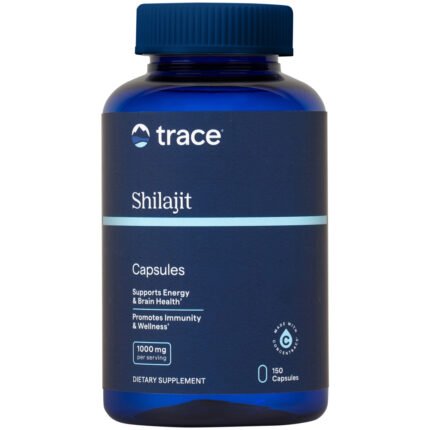
Himalayan Shilajit - 1,000mg - 20:1 Extract with Fulvic Acid (150 Capsules)
This extract listing combines several specifications in one title: Himalayan origin wording, 1,000mg, a 20:1 ratio and 150 capsules. Keep those details separate in your notes. None alone establishes the full composition or a personal outcome. Ask how each specification is defined on the actual product label and documentation. See the Himalayan Shilajit - 1,000mg - 20:1 Extract with Fulvic Acid (150 Capsules) product page to check the current listing.
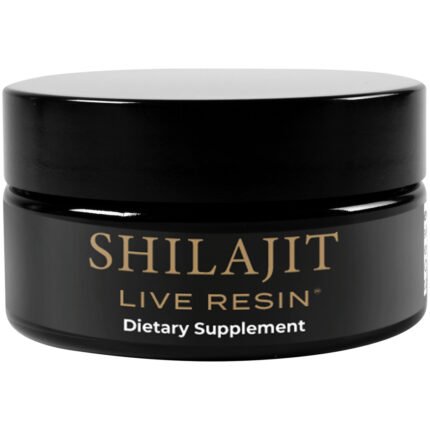
Shilajit - Live Resin - Syrup Form (15 Grams/30 Servings)
The live resin syrup-format product is identified by a 15-gram container and 30 servings in the title. Review the actual measuring method and storage instructions before purchase. A resin-style product should not be portioned by copying the appearance of a photograph or a casual demonstration involving a different preparation. See the Shilajit - Live Resin - Syrup Form (15 Grams/30 Servings) product page to check the current listing.
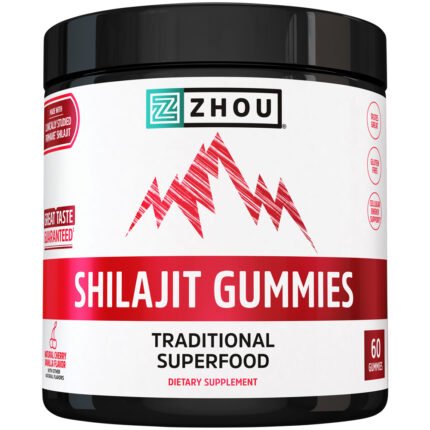
Shilajit Gummies - 250MG - Cherry Vanilla (60 Gummies)
The cherry vanilla gummy listing includes 250MG and 60 gummies. Confirm whether the stated amount refers to one piece or a labeled serving. Review the complete gummy base and other ingredients as well as the shilajit component. Flavor preference can guide format choice without establishing equivalence to resin or capsules. See the Shilajit Gummies - 250MG - Cherry Vanilla (60 Gummies) product page to check the current listing.
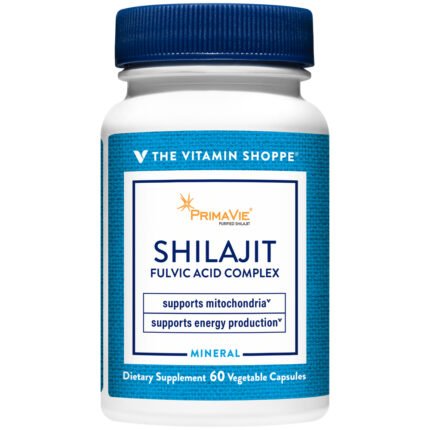
Shilajit Fulvic Acid Complex with PrimaVie (60 Capsules)
The PrimaVie complex title identifies a specific named ingredient component and 60 capsules. This gives you a more precise term for comparing labels or asking a manufacturer a question. It does not establish that every study involving that ingredient applies unchanged to this finished product or its serving amount. See the Shilajit Fulvic Acid Complex with PrimaVie (60 Capsules) product page to check the current listing.
How can you organize a comparison before buying?
| Comparison field | What to record | What the field cannot establish |
|---|---|---|
| Exact ingredient | The full name and form on the current panel | That another ingredient is interchangeable |
| Labeled serving | The stated number of capsules, pieces or measured portion | A personal amount or treatment schedule |
| Package size | The count, weight or volume actually supplied | The number of days suitable for every person |
| Complete formula | Active components and other ingredients | Suitability based on a headline alone |
| Evidence and documentation | Information tied to the exact product or preparation | A guaranteed outcome for an individual |
A useful comparison sheet does not need to be elaborate. Give each product its own column and leave missing details blank until they can be verified. This prevents assumptions from quietly becoming facts. If two labels express amounts on different serving bases, make that difference visible before comparing prices. If the products contain different ingredients, keep the price comparison separate from any claim that they do the same thing.
For this collection, start with resin versus capsule handling. Then consider extract-ratio interpretation and gummy serving details. These questions help narrow the page to products that actually match the purpose of your search. Only after that narrowing step does it make sense to compare a preferred physical format, the current package size and the price displayed on the individual listing.
Which questions should you ask about the label?
| Question | Why it is useful | Next step |
|---|---|---|
| What is the exact product type? | A broad category can contain different kinds of formulas | Match the full title with the current panel |
| How is the amount expressed? | A title may not reveal the serving basis | Read the serving size and amount per serving together |
| What else is included? | Additional ingredients may matter to your preferences | Review the complete formula and other ingredients |
| Is the claim specific? | Broad benefit language can hide important distinctions | Ask what evidence relates to the selected preparation |
| Is anything unclear? | An unanswered question should stay unanswered | Request the current label or a manufacturer explanation |
The most useful label review is tied to a real question. In this category that may involve fulvic acid wording, lot-specific quality documentation or research matching to the exact preparation. Write the question in plain language before contacting a manufacturer. A focused request for the serving definition or complete ingredient list is easier to answer than a general request for the best supplement. Keep the response with the exact product record so that information from one formula is not accidentally applied to another.
How do you assess cost without confusing it with suitability?
| Price comparison | When it can help | Important limit |
|---|---|---|
| Price per package | Comparing the immediate purchase cost | Different packages can contain different numbers of servings |
| Price per labeled serving | Comparing the same product type on a clearer basis | Serving definitions and formulas may still differ |
| Price per named ingredient amount | Only when the same ingredient and basis are clearly stated | A cheaper milligram does not prove a better choice |
| Repeat-purchase comparison | Checking an exact replacement against an earlier purchase | A familiar title can still accompany a changed formula |
| Format preference | Considering preparation and everyday convenience | Convenience does not establish a health benefit |
Use the live product page for current pricing rather than a number copied from an old review or search snippet. If you are comparing different formats, include any practical preparation requirements in your notes. The point is to understand the actual purchase, not to create false precision. A detailed calculation is only useful when its ingredient and serving assumptions are sound. Suitability should be established before a lower price becomes the deciding factor.
Where can you check reliable information and browse related products?
NCCIH cautions that some Ayurvedic products have contained potentially harmful metals. This general concern does not establish contamination in any listing here, but it is a sound reason to request specific quality documentation rather than relying on the word natural. The public health reference is a useful starting point for that specific issue. It does not replace the current product label or an individualized professional review.
For broader browsing, visit the related collection and return to the exact item that matches your ingredient and format requirements. Similar category names can be useful discovery paths, but the final comparison should always identify the actual formula. Keep the current label, the reason for interest and any unanswered questions together. That makes both a purchase decision and a later discussion with a manufacturer or health professional clearer.
| Stage | Useful action | Result |
|---|---|---|
| Define the search | Name the ingredient or product type you actually want | A narrower and more relevant shortlist |
| Inspect the listing | Check current label, format and package details | Fewer assumptions about composition |
| Resolve gaps | Ask a specific question about missing information | An answer tied to the actual product |
| Review personal context | Consider existing products and professional guidance where needed | A decision based on more than category wording |
| Choose deliberately | Compare the remaining suitable options on practical grounds | A clear record of why a product was selected |
A practical example: comparing resin, extract and gummies fairly
Imagine that three product pages are open at once: the 20:1 extract capsules, the resin-style syrup and the cherry vanilla gummies. It is tempting to compare the largest milligram figure or divide the price by the number of pieces. That shortcut would ignore the most important differences. First identify the material described by each label, the serving basis and the complete formula. Leave any equivalence between preparations unclaimed unless the manufacturer supplies a clear explanation that supports it.
Next compare the physical routine. The resin-style syrup needs a defined measuring method. The capsules need a clear number of units per serving. The gummies need a serving definition and a review of the complete chewable base. These practical questions do not prove which product is more effective, but they can reveal which options are easier for you to manage appropriately. A format you understand is a more useful starting point than one chosen only because an online demonstration looked appealing.
Then review quality documentation as a separate column. Does the available report identify the exact product or lot? What aspects were tested? Are the results understandable, and is there a contact for clarification? A broad laboratory claim should not silently fill every empty box. If the information is insufficient, ask for a specific document or explanation. A fair comparison acknowledges what is known and what still needs verification.
Finally consider any health-related purpose that prompted the search. If you are interested because of a symptom, a medicine regimen or a specific condition, a category page cannot establish suitability. Bring the exact label and your question to an appropriate professional. Do not assume that a resin is inherently gentler, that a gummy is inherently less concentrated or that an extract is automatically the most appropriate choice. Those are conclusions that require more than format names.
The same method works if you are replacing a previous purchase. Match the finished product and current label rather than relying on an old photograph, a familiar color or the broad word shilajit. If a package or formula has changed, investigate the difference before treating it as the same item. An accurate product record is especially useful when asking a manufacturer to explain a ratio, serving measure or testing statement.