





Shop fish oil and omega products at Sprinkles Menu and compare the actual oil source, formula, serving basis and package quantity before ordering. This collection includes softgels, liquids, chews and combination products, with listings that highlight different amounts and ingredients. Begin with the complete product name rather than the largest number on the front of the package. The guide below explains how to distinguish total oil from named omega components and how to compare a bottle count with a labeled serving count.

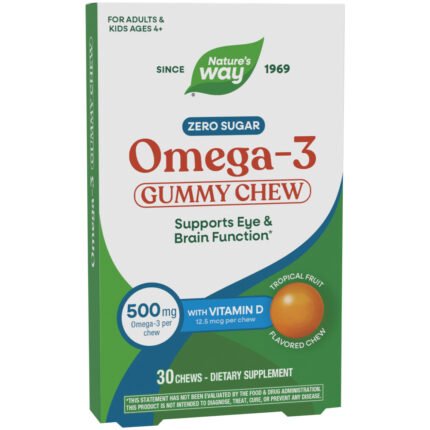
Omega-3 – 500 mg Omega with Vitamin D – Tropical Fruit (30 Chews)
Original price was: $21.97.$10.98Current price is: $10.98.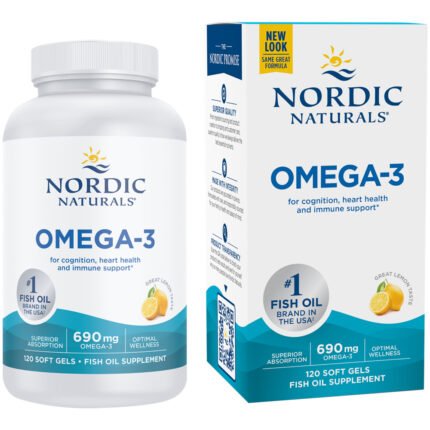
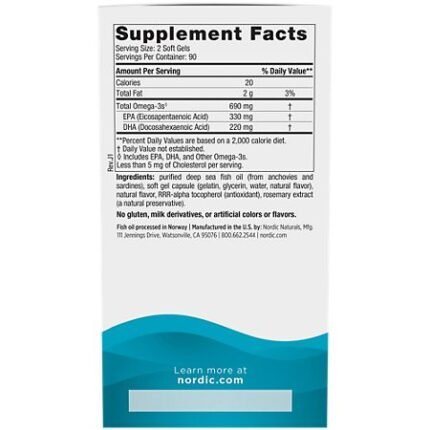

Omega-3 – 690 MG – Lemon (60 Softgels)
Original price was: $19.99.$15.99Current price is: $15.99.

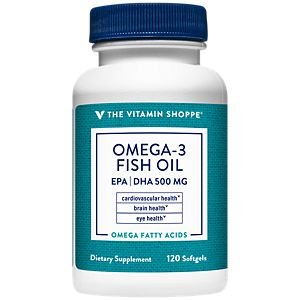
Fish oil and omega buying guide: sources, EPA/DHA, formats, packages and FAQs
What belongs in this Fish Oil and Omegas collection?
The current catalog includes fish oil concentrates, DHA-related products, cod liver oil, omega formulas with vitamin D or CoQ-10, flax oil and other oil listings. These are different product identities. Their placement in one collection does not make every item fish oil or establish the same fatty-acid composition. Open the exact product page and read its source and ingredient information before using the category name as a shorthand description.
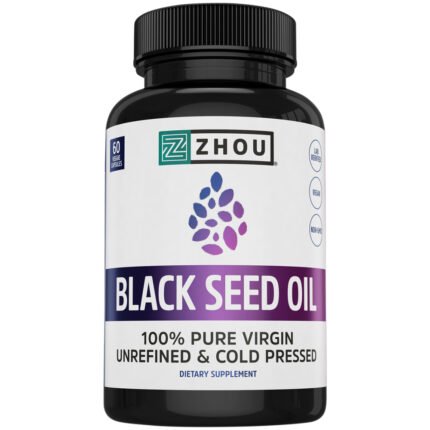
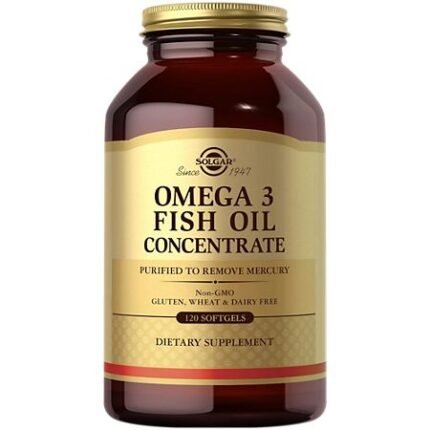
Current examples include Omega 3 Fish Oil Concentrate in a 120-softgel title, a Lemon omega formula in several softgel counts, a Lemon liquid fish oil listing and Tropical Fruit chews with vitamin D. The collection also includes Black Seed Oil and a Black Seed combination. Those examples show why a broad oils category needs product-specific checks. A familiar oil word cannot identify all ingredients or establish that two products can be substituted for one another.
For a broader browse, visit Vitamins and Supplements. If your search concerns a particular combination ingredient, use the relevant collection and return to the exact listing for the detailed decision. This guide helps organize that process. It does not recommend a personal omega intake or assess the suitability of a product for an individual health circumstance.
Start with source and complete product identity
An oil source, a fatty-acid name and a package count answer different questions. Fish oil describes a source-related product identity. EPA and DHA identify particular omega-3 fatty acids that may be listed separately on a panel. A number of softgels describes the physical units supplied. Keep those details distinct. A product title may highlight some of them without providing the complete panel needed for a reliable comparison.
| Current product family | Example wording in the catalog | First information to inspect |
|---|---|---|
| Fish oil concentrate | Omega 3 Fish Oil Concentrate | Source, full panel and labeled serving basis |
| EPA/DHA formula | Omega-3 Fish Oil with EPA/DHA wording | Named amounts and the quantity they describe |
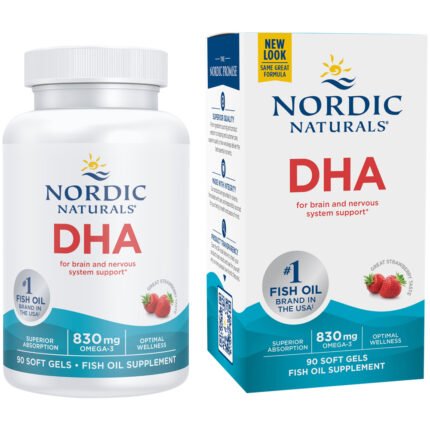
| DHA-related formula | DHA with Strawberry wording | Complete ingredient information and package details |
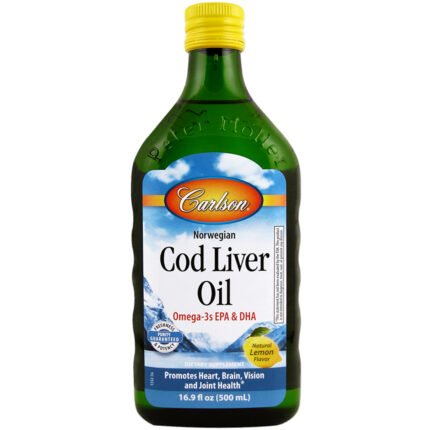
| Cod liver oil | Norwegian Cod Liver Oil, Lemon | Exact formula, liquid directions and volume |
| Combination omega product | Omega-3 with CoQ-10 or vitamin D | Full panel for all named ingredients |
| Other oil listings | Flax Oil or Black Seed Oil | Actual product identity rather than a fish-oil assumption |
The table is a navigation aid based on the catalog reviewed for this guide. It does not guarantee that every option will remain available. It also is not a recommendation to select every listed product family. Choose the particular item you want to investigate, then establish its actual source, ingredients and directions from matching product information. Personal suitability requires guidance appropriate to the person and circumstances involved.
Total fish oil is not the same number as EPA plus DHA
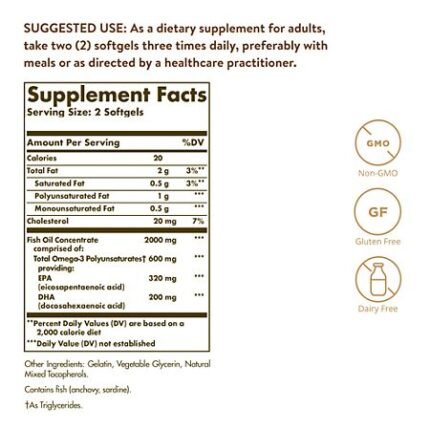
One important label distinction is the difference between total oil and separately declared components. The NIH Office of Dietary Supplements explains that fish oil formulas vary in their EPA and DHA amounts. A headline amount of fish oil should therefore not be silently treated as the same amount of EPA plus DHA. Use the actual panel and its serving basis. See the NIH omega-3 reference for background on the terminology.
Several current titles illustrate why this matters. One listing names EPA/DHA 500 MG alongside 1,000 MG, while another names EPA/DHA 840 MG alongside 1,200 MG. Those title figures must be read in the context of the actual product label. Do not assume that either figure applies to one softgel unless the panel establishes that. The guide identifies a comparison question rather than filling in a missing serving specification.
A useful product note keeps the total oil declaration, any total omega-3 declaration, and separately named EPA and DHA amounts in different fields. If one value is not provided, leave it as an unanswered question rather than deriving it from the product name. This prevents a precise-looking comparison from becoming misleading. The goal is to understand the exact item, not to make several different label numbers appear interchangeable.
How should I read EPA, DHA and omega wording?
Read the actual terms used on the panel and preserve their meaning in your comparison. A title highlighting DHA is not automatically the same as a formula highlighting EPA and DHA together. A total omega-3 amount may also be presented differently from separately named components. Check the complete label for the selected product and compare on its stated basis instead of assuming that a shared omega word establishes an identical composition.
| Label detail | What to record | What not to assume |
|---|---|---|
| Total oil | Exact declared amount and serving basis | It equals the separately named EPA/DHA amount |
| Total omega-3 | The amount actually stated, if provided | Every oil ingredient is described by that number |
| EPA | Specific declaration where available | A missing figure can be guessed from the title |
| DHA | Specific declaration where available | Every DHA-related formula has identical composition |
| Serving basis | Number of units or measured quantity | A headline amount always refers to one softgel |
For general educational context, the NIH consumer information on omega-3s is another useful reference. Use the actual item for product-specific information. This buying guide does not turn the terms into a personal dosage recommendation or promise a health outcome. An ingredient comparison can identify differences without determining what amount or product an individual should use.
Softgel listings: compare formula before bottle count
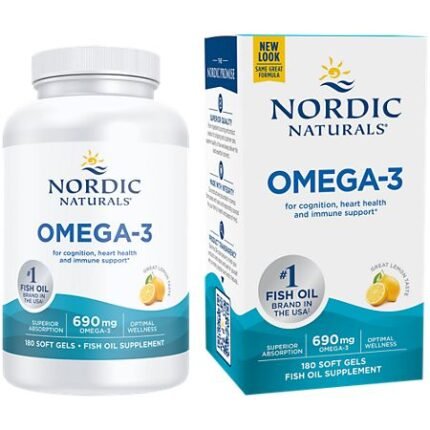
The current catalog includes an Omega-3 690 MG Lemon title in 60-, 120- and 180-softgel listings. This creates a useful starting point for investigating package quantities, but confirm the exact versions and matching label basis before treating them as the same formula in different bottle sizes. A familiar flavor and similar title are helpful identifiers, not a replacement for reviewing the selected product pages.
For any softgel listing, establish how many units the label describes as one serving. Sixty softgels do not automatically mean sixty labeled servings. The physical count identifies what is in the bottle, while the panel and directions provide separate information. Do not convert the count into a personal timetable or assume that a larger bottle changes the instructions. Package quantity is a retail fact, not an individual use plan.
Terms such as Minis or High Potency also need their actual product context. The current collection contains an Orange omega listing with Minis wording, but the name alone does not establish a guaranteed size, personal ease of use or suitability. Check the specific information supplied, and ask if an essential detail is missing. Do not substitute a broad marketing term for a specification you need to know.
Liquid fish oil and cod liver oil listings
A liquid product requires its own volume and measured directions to be read. Current examples include a Lemon fish oil title showing five fluid ounces and a Norwegian Cod Liver Oil Lemon title showing 16.9 fluid ounces. These are different product identities, not simply two bottle sizes of a universal omega formula. Compare the actual ingredients and panel before attempting a quantity or price comparison.
Bottle volume is not the same thing as the amount of a named ingredient per labeled serving. A liquid title may include several amounts that refer to different aspects of the formula. Read the measured basis on the actual label and keep it with the figures you record. Do not import a softgel's serving basis into a liquid comparison or assume that every liquid oil uses the same measured directions.
Preparation and storage information are also product-specific. Review the exact package, including any instructions that differ after opening. If a practical detail is essential before purchase and is not available, ask about the selected listing. This guide does not prescribe a mixing method or tell a shopper to treat a concentrate, an oil and a prepared beverage as equivalent formats. Their actual identities should remain clear.
Omega chews and combination formulas
The current catalog includes an Omega-3 listing with vitamin D in Tropical Fruit chews, along with an Omega-3 and CoQ-10 softgel formula. Other titles name additional nutrients or a particular audience. These combinations should be reviewed as complete formulas. Do not stop at omega-3 and assume the remaining ingredients match another product nearby. The whole panel determines what the listing actually describes.
Chew count is another physical quantity that should not be confused with serving count. A thirty-chew title does not create a universal thirty-day schedule. Read the directions and serving basis for that exact product. The same principle applies when comparing a chewable format with a liquid or softgel: identify formula differences first, then understand what each package supplies. A single price-per-unit calculation cannot explain all those differences.
If you are considering several products together, retain their ingredient panels so overlapping components can be identified. This guide does not design a supplement combination or determine personal suitability. Questions about a medicine, a health circumstance or an individual nutrition plan should be discussed with a qualified professional. Retail comparison information helps clarify the products under consideration without replacing that individual guidance.
Flax oil and black seed products need their own checks
Flax oil and black seed listings are present within this broader collection, but they should not be described as fish oil simply because they appear on the same category page. Read the actual source and formula. A product named Black Seed plus D3 and K2 is also a combination to review on its own terms. Category placement cannot establish its ingredient amounts, preparation basis or equivalence to a fish-oil product.
This distinction is useful when a shopper is looking for a particular source or formula. Start with the exact item and verify the information needed for that preference. Do not assume that every non-fish title supplies the same fatty-acid composition, or that a broad plant-related description establishes every dietary detail of the package. The matching label and any required clarification should determine what is known about the selected product.
A clear shortlist can include different product families while keeping them distinct. Record why each item is being investigated rather than labeling all candidates generically as omega oil. Someone repeating a familiar fish-oil purchase has a different shopping question from someone exploring flax oil for the first time. Accurate product names make those purposes visible and prevent an unintended substitution during a quick browse.
Flavor names and ingredient information
Lemon, Orange, Strawberry and Tropical Fruit wording appears among current titles. Flavor helps identify a version, but it is not a complete ingredient statement or a guarantee about a personal taste experience. Review the actual panel and other ingredients for the selected product. Do not apply a dietary or allergen statement from one flavor to another without checking the matching information.
Source information is particularly relevant when it affects an ingredient preference or allergy-related question. A short title may not provide everything needed. Ask about essential missing details before ordering rather than assuming a brand family's products are identical. Personal health questions require appropriate professional guidance. A category guide can identify the questions to ask, but it cannot assess a person's circumstances or guarantee suitability from a few words in a listing.
| Product question | Information to seek | Shortcut to avoid |
|---|---|---|
| Oil source | Exact label and manufacturer details | Every item in the category is fish oil |
| Flavor ingredients | Formula-specific ingredient list | A fruit name describes the entire recipe |
| Capsule or chew ingredients | Other ingredients on the matching package | Only the highlighted oil matters |
| Dietary preference | Relevant statement and actual ingredients | Similar branding establishes suitability |
| Audience wording | Product directions and appropriate guidance | A title provides an individual assessment |
Package counts and measured servings
A product title can contain a softgel count, a liquid volume, a milligram amount and a formula name. Each describes a different aspect of the item. Read what the units mean before comparing the figures. A larger bottle count may be a purchasing-quantity difference, while a larger ingredient figure may use a different serving basis. Without that context, an apparently simple numerical ranking can be misleading.
The FDA's Supplement Facts labeling guide provides general panel context. The actual selected product must supply the specific information used for the comparison. A short store title can highlight only part of the label. If an essential amount, count or serving detail is not clear, ask rather than completing it with a figure from an unrelated product.
| Package detail | What it describes | Useful confirmation |
|---|---|---|
| Softgel count | Physical units supplied | Units in one labeled serving |
| Chew count | Number of chews in the package | Exact serving and audience directions |
| Fluid ounces | Liquid volume supplied | Measured serving basis and storage information |
| Milligrams in a title | An amount needing context | Which ingredient and quantity it refers to |
| Servings per container | Count based on the actual panel | Matching product and version |
| Cart quantity | Number of sales units ordered | Total bottles, packs or containers supplied |
How can I compare fish oil and omega prices?
Identify the complete formula and serving basis before comparing prices. Two bottles with the same softgel count can declare different ingredient amounts, and two products with a similar total-oil number can have different component information. A product-only price per labeled serving can help describe a clearly identified purchase, but it does not prove that unrelated formulas are equivalent or that a lower figure is more appropriate for an individual.
If comparing package sizes of a familiar product, confirm that the full formula and version match before using their prices. For the current Lemon 690 MG titles, check the selected 60-, 120- or 180-softgel page and its actual panel. Do not combine the price of one bottle with the count or serving information from another. Keep missing details visible as questions rather than making a comparison appear complete through assumptions.
Quantity should fit your plans and storage space. A larger bottle can be a different commitment from a smaller package when a formula is unfamiliar. Checkout provides order-specific delivery charges, taxes and adjustments; this guide does not promise a fixed fee or a particular promotion. Review current availability and the final cart before ordering. A careful comparison stays grounded in the actual transaction information.
Quality statements and personal expectations
A support phrase in a title is not a promise that every buyer will experience a particular result. This collection guide does not recommend treatment, prescribe an intake amount or present supplements as replacements for prescribed medicines. Read the actual product information and discuss individual health questions with an appropriate professional. A useful retail description can explain ingredients and quantities without turning a category name into personal medical advice.
Testing or certification claims should be checked for the exact item and version through matching information. Do not extend a statement from one formula to all products from the same brand. A representative image may help identify the range without establishing every detail of the unit supplied. If a required specification or claim is unclear, clarify it before purchase rather than assuming that an appealing general description answers the question.
Storage and checking a delivery
Review the storage directions on the actual package, including any difference after opening. Do not assume that liquids, chews and softgels all require identical handling. Before selecting a larger quantity, consider where the package can be kept as instructed. Preserve the original label so the source, formula, directions and other ingredients remain available to identify the product accurately.
After delivery, compare the product identity and quantity with the order confirmation and inspect the packaging before use. Keep relevant packaging if there is damage or a mismatch. Contact the store through the website and follow the published order and returns terms. This general buying guide does not create a separate guarantee or replace the transaction policies that apply to the actual order.
Frequently asked questions about fish oil and omega shopping
Where can I buy fish oil and omega products at Sprinkles Menu?
Browse this category and open the exact product matching the source, formula and format you intend to investigate. Review its current label information, package count and availability before adding it to the cart. Use Vitamins and Supplements for a wider comparison. Confirm order-specific delivery choices and final charges during checkout rather than assuming a standard amount from the category guide.
Is total fish oil the same as the EPA and DHA amount?
Do not assume those declarations are identical. Read the actual panel and keep the total oil, any total omega-3 amount, and separately named components distinct. The serving basis matters as well. A front-facing number cannot replace the complete label, and a missing component amount should not be guessed from a product-family name or another formula's information.
Does one softgel always equal one serving?
Use the serving basis on the exact product label. A softgel count describes physical units, while the panel may describe a serving using a different number of units. Do not turn a bottle count into an assumed serving count or personal timetable. This distinction is also important when calculating a price per labeled serving rather than a price per softgel.
Are liquid oil and softgels directly interchangeable?
The formats can have different formulas and measured directions. Compare full product identities and actual panels rather than assuming equivalence from the category name. Bottle volume and softgel count describe different quantities. If an essential serving or ingredient detail is missing, seek clarification before ordering instead of importing a figure from another format.
Is everything in this category fish oil?
No. The current collection includes other oil listings such as flax and black seed products. Read the exact source and formula rather than applying the category's first words to every item. A non-fish title also should not be assumed to have the same composition as another oil. Product-specific information is needed for a reliable source and ingredient comparison.
How do I compare different bottle sizes of a familiar product?
Match the full formula and version first, then compare the confirmed physical counts and labeled serving information of each listing. Use each product's current price with its own quantity details. Similar images and flavor wording can help identify candidates but do not prove every specification matches. Ask about any required detail that remains unclear before selecting a larger package.
Do flavor names tell me all the ingredients?
No. Lemon, Orange, Strawberry and other flavor names identify versions without providing the full formula. Read the matching ingredient and allergen information for the selected item. Do not transfer a dietary statement from another flavor or product family without checking. Personal suitability questions require appropriate product information and professional guidance rather than a broad category assumption.
What should I do if important label information is unavailable?
Ask about the exact product before purchasing. State its full name and the specific detail needed, such as source, component amount, serving basis or package count. Do not complete the comparison with a neighboring formula's label. A reliable answer about the item offered is more useful than a precise-looking estimate built from unrelated information.
Final fish oil and omega comparison checklist
Before checkout, confirm the exact source, formula and format, then review the label basis for the amounts you are comparing. Check the physical package quantity and how the cart quantity applies to it. Resolve essential unknown details before ordering. A clear product identity makes the delivery easier to check and provides a useful reference if you later want to repeat or refine the purchase.
| Final check | Confirm this | Why it matters |
|---|---|---|
| Full identity | Exact oil source and formula | Avoids treating different oil families as identical |
| Ingredient amounts | Matching panel and serving basis | Keeps total oil and named components distinct |
| Format | Softgel, liquid or chew | Clarifies directions and package interpretation |
| Package quantity | Physical units or volume supplied | Establishes the sales unit |
| Practical arrangements | Appropriate storage and manageable quantity | Helps the purchase fit available space |
| Cart review | Correct version and number of sales units | Reduces avoidable ordering mistakes |
Choose a focused shortlist, compare the actual product panels and confirm the package before ordering. Clear distinctions between source, formula, serving basis and quantity make the Fish Oil and Omegas collection more useful than a comparison built around one headline number alone.