





Compare women’s health supplements by their actual ingredients and intended product type. Current examples include cranberry concentrate, D-mannose powder, a urinary support blend and an ovarian inositol combination. Review formulas carefully and distinguish general supplement shopping from care for symptoms or fertility concerns.


U.T. Vibrance Powder – 5,000 Mg of D-Mannose (10 Servings)
Original price was: $47.99.$35.99Current price is: $35.99.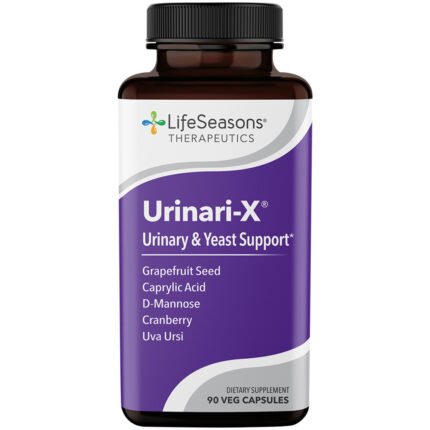
▼ Click here to read the full Women's Health guide — comparison tables and FAQs
What does the Women's Health collection include?
Women’s health is a broad category, while the products currently highlighted here address much narrower shopping interests. Cranberry, D-mannose and a combination urinary support product appear alongside an inositol formula with folate and CoQ10. These are different ingredients and different formulations. Their shared location does not mean that all women need them, that they can be combined without review or that one product can stand in for another. Start with a specific ingredient question and the reason you are comparing it.
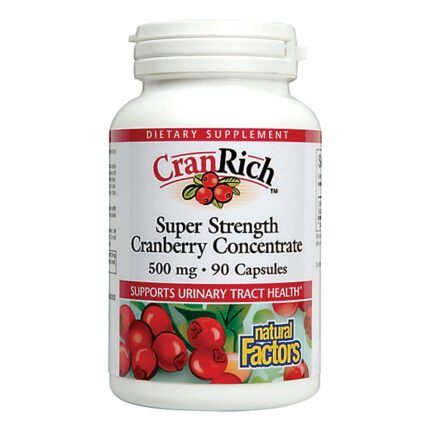
The CranRich listing names a 500 MG cranberry concentrate and 90 capsules. The U.T. Vibrance listing names a D-mannose powder, 5,000 Mg and 10 servings. The Urinari-X title names cranberry, D-mannose and additional ingredients in a vegetarian capsule product. Those titles provide a useful map, but the measurements do not establish equivalent servings or expected outcomes. A cranberry concentrate amount is not a D-mannose amount, and the presence of several ingredients in a blend does not automatically make it a better choice than a simpler formula.
| Product type | Details named in the current examples | Useful comparison question |
|---|---|---|
| CranRich Cranberry Concentrate | 500 MG; 90 capsules named | Check exact ingredient and label standardization details |
| U.T. Vibrance Powder | D-mannose; 10 servings named | Review mixing and labeled serving size |
| Urinari-X | Cranberry, D-mannose and more named | Compare the complete multi-ingredient formula |
| Ovarian Inositol combination | Folate and CoQ10 Phytosome named | Review all components with existing supplements |
| Across the collection | Different purposes and physical formats | Category membership does not establish suitability |
How do the formats differ?
Powder and capsule options raise practical differences. A powder may require measuring, mixing and a suitable drink, while capsules have their own labeled serving size and swallowing considerations. Ten servings of a powder should not be compared directly with 90 capsules as though both figures represented days of use. First establish the number of capsules in a labeled serving and the manufacturer instructions. Then compare the package in a way that makes sense for the actual product, without constructing a personal treatment schedule from the category title.
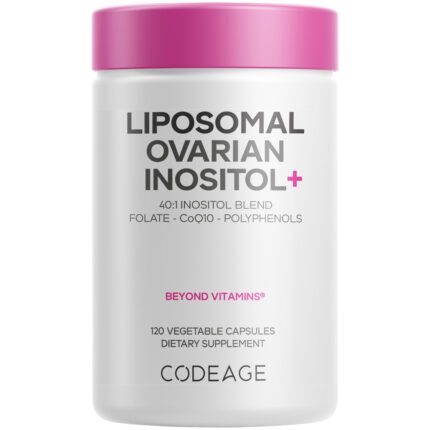
The Liposomal Ovarian Inositol + Folate & CoQ10 Phytosome product names several components and formulation terms. It is a different kind of comparison from choosing between cranberry formats. An ovarian or fertility-related phrase does not establish pregnancy suitability, an improved chance of conception, or an appropriate plan for a specific diagnosis. If you are trying to conceive, pregnant, breastfeeding or using fertility medicines, bring the full formula to a qualified health professional. Avoid using a broad women’s health category as a shortcut around that review.
A urinary support title must also be read with care. A supplement is not a substitute for assessment of urinary symptoms, and a yeast support phrase does not prove that a product treats a yeast infection. Symptoms that are persistent, worsening or accompanied by fever or pain deserve appropriate medical attention. This distinction allows useful ingredient comparison without confusing retail descriptions with diagnosis. For routine browsing, it is still possible to compare format, package size, formula transparency and ingredient overlap while leaving treatment decisions to proper care.
How should women’s health supplements be compared by ingredient?
Begin by separating the two main browsing routes represented in this selection. One route involves cranberry, D-mannose and urinary-support combination products. The other involves an ovarian inositol formula with folate and CoQ10. Those routes do not answer the same shopping question. A person comparing cranberry capsules should not assume that an inositol combination is a more comprehensive version of the same product. The exact ingredient and the reason for interest are more useful starting points than a broad women’s health label.
The distinction also helps avoid unnecessary stacking. If two products both contain a named ingredient, combining them may duplicate that component while adding others you have not assessed. A clear ingredient inventory makes this visible. Write down what is already used, the amount per labeled serving and the proposed new formula. Then review the overlap before purchase. This is a practical comparison method, not a suggestion that any particular combination is appropriate for every shopper.
Are cranberry and D-mannose the same type of product?
They are different ingredients, and the products shown here use different physical formats. CranRich is a cranberry concentrate capsule listing. U.T. Vibrance is a powder listing centered on D-mannose in its title. Urinari-X names both among a broader set of ingredients. These distinctions matter even if a search engine groups them under similar urinary-support phrases. A shared marketing theme does not create a shared formula, serving amount or evidence base.
When comparing cranberry products, a milligram number alone may not answer every composition question. Review how the manufacturer describes the material and any stated specifications. When comparing a D-mannose powder, confirm what is included in the serving and how the powder is measured. If the product title highlights a large amount, verify the basis of that amount on the panel. Avoid translating a title into a personal schedule or assuming an amount guarantees a particular result.
What should urinary support wording mean for a shopper?
It should prompt a careful look at the actual formula and the limits of the claim. A support phrase is not a diagnosis and does not establish treatment of an infection. This distinction matters because a person shopping for routine supplement information may have a very different situation from someone experiencing current symptoms. The category can provide ingredient comparisons, but it cannot determine the cause of symptoms or decide whether a supplement is appropriate in place of care.
If symptoms are present, do not let the availability of a supplement delay appropriate assessment. A product title containing urinary or yeast language cannot confirm which condition is present, if any. Persistent or worsening symptoms and concerning changes should be addressed with an appropriate health professional. The useful retail information remains the same: exact ingredients, serving format, complete label and product identity. Those details can also help a clinician understand what you were considering.
For someone browsing without current symptoms, the comparison can remain focused and practical. Decide whether you are investigating a single ingredient or a blend, whether powder or capsules suit your preferences and whether the label gives enough detail to evaluate the formula. Keep expectations tied to evidence relevant to the specific ingredient and purpose. Avoid broad promises such as complete urinary protection, because a category page cannot establish that outcome.
How is an ovarian inositol combination different from a general multivitamin?
The named product is a specific combination, with inositol, folate and CoQ10 terminology in the title. That is different from a general multivitamin category where products are organized around a broader range of nutrients. The current title does not establish a complete prenatal formula, an appropriate fertility plan or suitability for pregnancy. If any of those questions motivate the search, obtain the current panel and review it in that specific context rather than making an inference from the ovarian wording.
Folate and CoQ10 can also appear in other products a person already uses. That makes a complete ingredient inventory useful before adding the combination. Compare amounts on the same serving basis, including any existing multivitamin or prenatal product. Do not assume that separate products are automatically complementary because they use different category labels. Different names can still conceal overlapping components, and the overall routine matters more than the number of distinct bottles.
Formulation terms such as liposomal and phytosome identify features claimed by a product. They do not by themselves establish a better pregnancy outcome, fertility result or personal absorption advantage. If such a claim is important to your decision, ask for evidence connected to the actual formula. It is reasonable to compare the capsule format and label transparency while leaving unsupported outcome claims unresolved. A careful shopper does not need to turn every unfamiliar technical word into a reason to buy.
Should all women take a women’s health supplement?
No universal need follows from a category name. Women differ in diet, age, health history, medicines, pregnancy status and personal goals. A product that someone else uses may answer a question you do not have. Start with a defined purpose and assess whether the specific formula is relevant to it. If the purpose involves symptoms, pregnancy or fertility, professional guidance is more useful than choosing a product simply because it is marketed to women.
Is a larger capsule bottle better value than a powder?
Only a properly matched comparison can answer that question. Ninety capsules and ten powder servings are different measurements. Determine the labeled serving size of each product, compare the actual ingredient composition and use current prices. Even then, a lower cost per serving does not prove that two different ingredients are interchangeable. Value depends on the product that is appropriate for the question being considered, not merely the largest package count.
Can a support blend replace a single ingredient?
Not automatically. A blend may contain the ingredient you were looking for together with additional components and different amounts. Those differences can change the comparison. If you are replacing an established product, match the full formula rather than only the headline ingredient. If a professional recommended a specific product type, clarify any substitution with them. A broader ingredient list is a reason to review more information, not a guarantee of a more useful product.
What information should I bring to a health professional?
Bring the exact product name, current label, serving size and a list of other medicines and supplements. Explain the reason you are considering the product, including whether there are current symptoms, pregnancy plans or an existing treatment. This gives the discussion a concrete starting point. A broad request for something for women’s health is much harder to evaluate than a specific question about the cranberry capsule, D-mannose powder or inositol combination you have actually found.
Which current product examples are worth comparing?
The examples below identify specific listings represented in this collection. They are a starting point for browsing, not a promise of current stock or an exhaustive inventory. Open the product page for its current price, label and availability. The title details are kept distinct from personal recommendations.
CranRich Super Strength Cranberry Concentrate - 500 MG (90 Capsules)
The CranRich capsule listing centers on cranberry concentrate with 500 MG and 90 capsules named. To compare it with another cranberry product, review the material description, serving size and any specific standardization information. Do not assume that a milligram figure alone captures every relevant difference between cranberry preparations. See the CranRich Super Strength Cranberry Concentrate - 500 MG (90 Capsules) product page to check the current listing.
Liposomal Ovarian Inositol + Folate & CoQ10 Phytosome (120 Capsules)
The ovarian inositol formula names folate and CoQ10 Phytosome alongside liposomal wording. That combination deserves a full ingredient review, especially if another multivitamin or prenatal product is already used. Its name does not establish pregnancy suitability or a fertility result. Bring the actual label to any professional discussion. See the Liposomal Ovarian Inositol + Folate & CoQ10 Phytosome (120 Capsules) product page to check the current listing.
U.T. Vibrance Powder - 5,000 Mg of D-Mannose (10 Servings)
The U.T. Vibrance powder listing names D-mannose and ten servings. Review what the stated amount refers to and how the powder is measured. A powder serving count is not directly comparable with the physical capsule counts of other listings. Do not convert the product title into a personal treatment plan. See the U.T. Vibrance Powder - 5,000 Mg of D-Mannose (10 Servings) product page to check the current listing.
Urinari-X Urinary & Yeast Support with Cranberry, D-Mannose & More (90 Vegetarian Capsules)
The Urinari-X title names cranberry, D-mannose and additional components in a vegetarian capsule format. The words and more make the complete label especially important. Compare all ingredients and any overlap with products already used. Urinary and yeast support wording should not be expanded into claims that it treats an infection. See the Urinari-X Urinary & Yeast Support with Cranberry, D-Mannose & More (90 Vegetarian Capsules) product page to check the current listing.
How can you organize a comparison before buying?
| Comparison field | What to record | What the field cannot establish |
|---|---|---|
| Exact ingredient | The full name and form on the current panel | That another ingredient is interchangeable |
| Labeled serving | The stated number of capsules, pieces or measured portion | A personal amount or treatment schedule |
| Package size | The count, weight or volume actually supplied | The number of days suitable for every person |
| Complete formula | Active components and other ingredients | Suitability based on a headline alone |
| Evidence and documentation | Information tied to the exact product or preparation | A guaranteed outcome for an individual |
A useful comparison sheet does not need to be elaborate. Give each product its own column and leave missing details blank until they can be verified. This prevents assumptions from quietly becoming facts. If two labels express amounts on different serving bases, make that difference visible before comparing prices. If the products contain different ingredients, keep the price comparison separate from any claim that they do the same thing.
For this collection, start with cranberry versus D-mannose. Then consider single ingredient versus urinary blend and inositol combination formulas. These questions help narrow the page to products that actually match the purpose of your search. Only after that narrowing step does it make sense to compare a preferred physical format, the current package size and the price displayed on the individual listing.
Which questions should you ask about the label?
| Question | Why it is useful | Next step |
|---|---|---|
| What is the exact product type? | A broad category can contain different kinds of formulas | Match the full title with the current panel |
| How is the amount expressed? | A title may not reveal the serving basis | Read the serving size and amount per serving together |
| What else is included? | Additional ingredients may matter to your preferences | Review the complete formula and other ingredients |
| Is the claim specific? | Broad benefit language can hide important distinctions | Ask what evidence relates to the selected preparation |
| Is anything unclear? | An unanswered question should stay unanswered | Request the current label or a manufacturer explanation |
The most useful label review is tied to a real question. In this category that may involve powder serving count versus capsules, pregnancy and fertility review or support wording versus treatment claims. Write the question in plain language before contacting a manufacturer. A focused request for the serving definition or complete ingredient list is easier to answer than a general request for the best supplement. Keep the response with the exact product record so that information from one formula is not accidentally applied to another.
How do you assess cost without confusing it with suitability?
| Price comparison | When it can help | Important limit |
|---|---|---|
| Price per package | Comparing the immediate purchase cost | Different packages can contain different numbers of servings |
| Price per labeled serving | Comparing the same product type on a clearer basis | Serving definitions and formulas may still differ |
| Price per named ingredient amount | Only when the same ingredient and basis are clearly stated | A cheaper milligram does not prove a better choice |
| Repeat-purchase comparison | Checking an exact replacement against an earlier purchase | A familiar title can still accompany a changed formula |
| Format preference | Considering preparation and everyday convenience | Convenience does not establish a health benefit |
Use the live product page for current pricing rather than a number copied from an old review or search snippet. If you are comparing different formats, include any practical preparation requirements in your notes. The point is to understand the actual purchase, not to create false precision. A detailed calculation is only useful when its ingredient and serving assumptions are sound. Suitability should be established before a lower price becomes the deciding factor.
Where can you check reliable information and browse related products?
NCCIH distinguishes research on cranberry for reducing recurrent urinary tract infection risk in some groups from treatment of an existing infection. Cranberry supplements should not be presented as a treatment for a current UTI. The public health reference is a useful starting point for that specific issue. It does not replace the current product label or an individualized professional review.
For broader browsing, visit the related collection and return to the exact item that matches your ingredient and format requirements. Similar category names can be useful discovery paths, but the final comparison should always identify the actual formula. Keep the current label, the reason for interest and any unanswered questions together. That makes both a purchase decision and a later discussion with a manufacturer or health professional clearer.
| Stage | Useful action | Result |
|---|---|---|
| Define the search | Name the ingredient or product type you actually want | A narrower and more relevant shortlist |
| Inspect the listing | Check current label, format and package details | Fewer assumptions about composition |
| Resolve gaps | Ask a specific question about missing information | An answer tied to the actual product |
| Review personal context | Consider existing products and professional guidance where needed | A decision based on more than category wording |
| Choose deliberately | Compare the remaining suitable options on practical grounds | A clear record of why a product was selected |
A practical example: separating two women’s health shopping questions
Imagine that you are comparing cranberry capsule options. The CranRich listing is a relevant starting point, and the Urinari-X blend may be worth examining if you specifically want to understand a combination formula. The ovarian inositol product does not become a cranberry alternative simply because it appears in the same women’s health archive. Keep the question narrow enough to compare ingredients meaningfully. This also makes it easier to recognize when a search result has moved into a different product type.
Now imagine that your interest is the inositol combination because you are already discussing a fertility-related concern with a clinician. The useful information is the complete formula, current serving definition and overlap with anything already used. Cranberry and D-mannose products do not answer that same question. A category page can help locate the product, but the specific health context belongs in the professional review. Avoid treating a long list of support products as a ready-made routine.
A third shopper might be looking for information because of current urinary symptoms. That situation requires a different response from ordinary product comparison. A retail title cannot identify the cause or establish treatment. Product details can be recorded for discussion, but the availability of cranberry or D-mannose does not resolve the need for appropriate assessment. Keeping that distinction clear is part of providing useful information rather than an unsupported promise.
Once the purpose is clear, practical preferences become easier to evaluate. A powder requires measuring and mixing. A capsule format may be preferred by someone who does not want a drink. A blend may contain more ingredients than a person intended to investigate. Each preference should be checked against the actual formula and directions. Convenience is useful, but it should not be confused with a guarantee of suitability or an expected health outcome.
The final comparison should leave you with an identifiable product, an understood serving basis and a record of any unanswered questions. If you cannot establish a detail from the current page, request the label rather than assuming it matches another product. A well-defined question about cranberry concentrate, D-mannose powder or the inositol combination is more useful than a broad request for the strongest women’s supplement. Clear product identification supports a more informed discussion and a more deliberate purchase.