




Blog
Fish oil vs algae oil: what ingredient information should I compare?

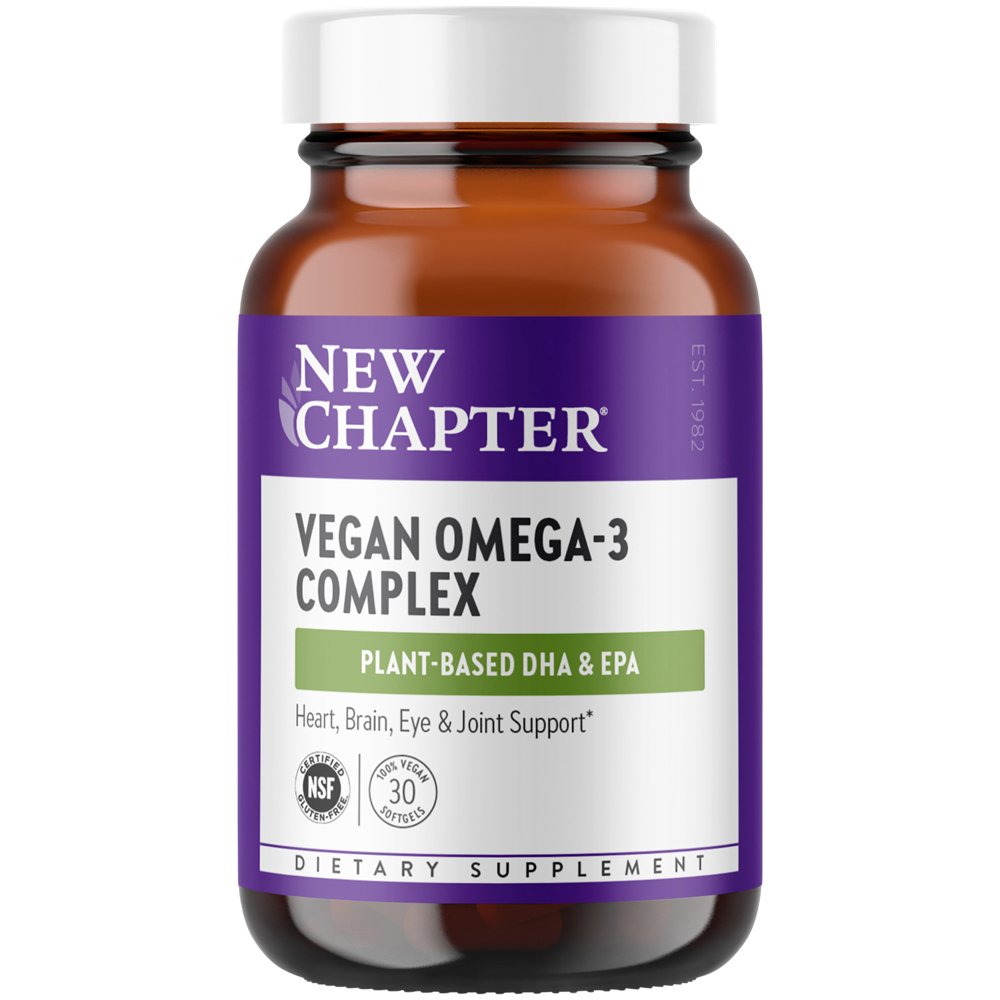
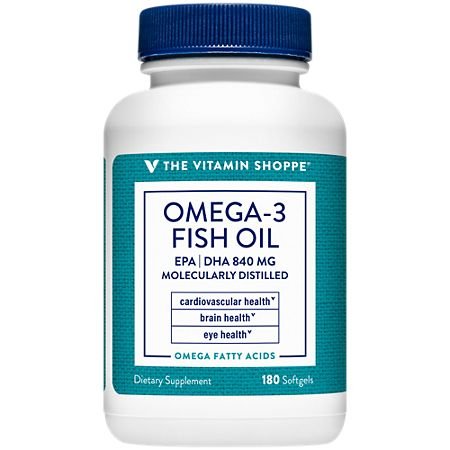
Compare fish oil and algae oil by the stated source, the individually disclosed EPA and DHA amounts, the serving basis, and the complete finished formula. The source name answers where the oil ingredient comes from, while the nutrient rows answer what quantities the product declares. Both are needed for a useful purchasing comparison.
This guide explains how to investigate omega-3 products, including source statements, capsule ingredients, dietary claims, testing documents, package costs, and practical questions. It does not establish that every fish-derived or algae-derived product is interchangeable or select a personal supplement amount.
Begin with an explicit source statement
Read the ingredient description on the exact product. For a fish oil, record any source information the manufacturer supplies. For an algae oil, record the actual algae or algal-oil wording. A marine-themed package or plant illustration should not replace the written specification.
The NIH Office of Dietary Supplements’ consumer reference identifies algal oil among available omega-3 supplement sources. That general category information is a starting point for terminology; the exact finished product still needs its own ingredient and quantity review.
Record the brand, full formula name, format, flavor where relevant, and selected package size. Related products can share artwork while using different sources or additional ingredients. Keep every panel and manufacturer explanation attached to the particular version it describes.
What can a manufacturer example show?
A product-specific page can clarify the source and other formula details. For example, New Chapter’s Vegan Omega-3 Complex page identifies algae as its oil source and supplies other ingredient information. This illustrates the value of checking a finished formula rather than assuming that an oil-source name describes every component.
A manufacturer example should remain product-specific. Do not transfer its source wording, capsule materials, quantities, or claims to another brand merely because both products are described as algae oil. Confirm that the retail item and manufacturer information refer to the same version.
If two sources disagree, identify the exact discrepancy and ask which information applies to the offered stock. A clear response about a specific product is more useful than a general assurance about the category.
Compare EPA and DHA separately
Copy the individual EPA and DHA amounts from the matching Supplement Facts panel, with units and serving basis. If a product provides only a combined quantity, record that limitation instead of assigning an equal share to each ingredient.
Keep total oil, total omega-3s, EPA, and DHA as separate fields. A large total oil figure does not automatically establish the same EPA-plus-DHA quantity. Read the wording attached to each number before performing any arithmetic.
When both individual amounts are disclosed on a compatible basis, you can calculate their sum and ratio. Retain the original values beside those results. Equal totals can hide different individual shares, while equal ratios can occur at different quantities.
| Comparison field | Fish oil product | Algae oil product |
|---|---|---|
| Oil source | Exact fish-source wording supplied | Exact algae-source wording supplied |
| EPA | Individually disclosed amount or disclosure limit | Individually disclosed amount or disclosure limit |
| DHA | Individually disclosed amount or disclosure limit | Individually disclosed amount or disclosure limit |
| Serving basis | Physical count or measured portion | Physical count or measured portion |
| Other ingredients | Complete statement for finished formula | Complete statement for finished formula |
| Claim evidence | Relevant product-specific information | Relevant product-specific information |
Read the serving basis before comparing amounts
A per-serving quantity belongs to the full stated portion. A softgel serving may involve several pieces, and a liquid serving may involve a measured volume. Record those details before copying a number into a common comparison column.
Do not assume that one softgel from each product represents the same amount. Physical size, color, or a familiar bottle shape cannot establish nutrient quantities. Use the exact panel rather than trying to estimate contents from appearance.
If you calculate an arithmetic average per piece, retain the original serving values and label the calculation. It does not measure an individual softgel or establish new directions for use. The worksheet should describe disclosed information accurately.
What should I check about capsule materials?
Read the other-ingredient statement for the selected product. An oil-source claim and a capsule-material statement address different components of the finished formula. If a dietary requirement matters, investigate the complete product rather than assuming the main ingredient settles every question.
Keep flavoring, carrier oils, preservatives, and other disclosed components in the record where relevant. A product can include additional ingredients that distinguish it from a simpler formula. Preserve the actual statement instead of reducing the entire ingredient list to fish or algae.
If the manufacturer makes a vegan or other dietary claim, record its exact wording and scope. Ask for clarification where the explanation concerns only one component or does not address your requirement. A broad category description is not a substitute for product-specific confirmation.
How should allergen questions be handled?
Use the exact current label and relevant manufacturer information. A fish-source statement is important information, while a different source does not automatically resolve every possible finished-product concern. Review the full formula and any supplied allergen statements.
A retailer thumbnail may omit part of the panel or be too small to read. Request a complete readable label rather than interpreting the absence of a visible warning in a cropped image as confirmation. Keep unresolved questions visible in the comparison.
For a personal allergy or suitability concern, seek appropriate qualified guidance with the complete product details available. A retail worksheet can organize the information but should not establish safety from source terminology alone.
What do sourcing and sustainability claims establish?
Treat each claim as a separate question. If a fish oil describes a particular catch source or an algae oil describes a cultivation approach, record the actual wording and what supporting information is available. Do not infer additional environmental or certification claims automatically.
Check the subject of any document or seal. It may concern an ingredient supplier, operation, process, or finished product. Read the program, standard, scope, and relevant dates before describing what has been verified.
A country statement also needs context. Manufacturing, packaging, company location, and ingredient origin are different fields. If more than one matters to your purchase, ask the questions separately instead of turning one location reference into a complete supply-chain description.
Which testing information is useful?
Ask what was measured, which product or sample the document identifies, and how it relates to the offered item. A report concerning selected measurements should not become proof of every source claim or every future batch.
Keep declared label quantities separate from independently measured results. A calculation based on a label does not test the contents. If a document reports a different basis or unit, resolve that distinction before comparing the figures.
If no relevant document is available, record that limitation rather than assuming that a premium price or technical phrase supplies the missing evidence. Clear evidence supports a specific claim; a general quality assurance may leave the particular question unanswered.
Compare practical formats and handling
Review whether the product is a softgel, capsule, liquid, or another format. Read its own directions and storage information. Similar source categories do not establish identical preparation or handling requirements.
For a liquid, confirm the measured portion and device or method described by the manufacturer. For a solid format, keep physical count separate from labeled servings. A format that suits your routine can be a valid preference without being described as a nutritional advantage.
Taste and convenience reviews can identify practical questions, but check whether they discuss the same version. Keep subjective comments about flavor separate from factual confirmation of sources, nutrient quantities, and package counts.
How should costs be compared?
Start with products that meet your essential requirements, then record the selected price and confirmed labeled servings. Divide price by servings for a basic purchasing metric. Keep source and formula differences visible so the result is not mistaken for proof of equivalence.
Where individual EPA and DHA are disclosed clearly, a quantity-based cost can answer a narrower question. Use the actual supported combined amount and compatible units. Do not substitute total oil for missing EPA or DHA in a metric labeled with those ingredients.
The following figures are invented budgeting examples. They do not represent current prices, actual specifications, or suggested amounts. Their purpose is to distinguish package price from cost per labeled serving.
| Hypothetical product | Item price | Labeled servings | Cost per labeled serving |
|---|---|---|---|
| Fish oil A | $18 | 60 | $0.30 |
| Algae oil B | $24 | 30 | $0.80 |
| Algae oil C | $30 | 60 | $0.50 |
| Fish oil A with $6 allocated delivery | $24 total | 60 | $0.40 |
The table does not rank actual source quality or suitability. Different quantities, formulas, formats, and order conditions can change the comparison. Review the actual selected labels before choosing between candidates on price.
Include applicable checkout charges consistently. Record coupon, subscription, and multi-buy conditions. Compare a one-time order with another one-time order when that is your intended arrangement, and keep introductory recurring discounts separate from continuing prices.
Consider package commitment and storage
A larger package can reduce unit cost while increasing the money committed upfront. If a formula or flavor is unfamiliar, compare the smaller initial option as a budgeting choice. Keep that preference separate from claims about ingredient quality or effects.
Read the actual storage directions and investigate available date information for the offered stock where it matters to your intended quantity. An old photograph cannot establish the date on a future order. Preserve unknown details rather than borrowing assumptions from another brand.
Before checkout, review the exact selected size and payable total again. Changing variants while browsing can make an earlier label or calculation no longer describe the order. A short final check helps keep all inputs attached to the same purchase.
Ask focused questions about missing information
Include the product link, selected version, and the exact missing fact. Ask about the source statement, individual EPA and DHA, capsule materials, claim scope, or relevant testing document. A focused request is more useful than asking which category is best in general.
If the title, image, and manufacturer explanation conflict, describe the disagreement directly. Ask which information applies to the offered item. Do not combine preferred details from several formulas into a specification that no source confirms.
| Unclear detail | Useful question | What remains unresolved |
|---|---|---|
| Source wording | What oil source is stated for this exact product? | Ingredient identity |
| Combined amount only | Are EPA and DHA individually disclosed? | Separate shares |
| Dietary statement | Does the claim cover the complete finished product? | Scope of the requirement |
| Testing statement | Which document and sample support this claim? | Relevance of the evidence |
| Multiple versions | Which panel matches the selected option? | Correct comparison basis |
Save the answer with the product identity and date checked. When the order arrives, compare the actual label, physical count, and package condition with the information that supported your choice. Raise a precise discrepancy with the seller when something differs.
Frequently asked questions about fish oil and algae oil
Does the oil source describe the whole capsule?
Read the full other-ingredient statement. The main oil and physical capsule materials are separate components, and additional ingredients may matter to a particular requirement.
Are EPA and DHA quantities identical across sources?
Use the exact disclosed amounts for each product. A source category alone does not establish individual quantities, combined totals, or ratios. Keep missing shares marked undisclosed where necessary.
Can total oil replace an EPA-plus-DHA quantity?
Keep those fields separately identified. Calculate a combined EPA-and-DHA amount only from compatible disclosed values or use a clearly stated combined declaration. Do not substitute an unrelated total automatically.
Does a premium price verify sourcing or testing?
Price is a purchasing detail rather than evidence for a particular claim. Examine the relevant statement and document, including its scope and sample identity, before describing what has been established.
Can I choose by a single unit-cost number?
Establish the formula and essential requirements first. Then compare cost alongside the disclosed quantities, source, format, evidence, order conditions, and initial package commitment.
What should a useful record contain?
Keep product identity, source wording, individual EPA and DHA, serving basis, full ingredients, claim evidence, labeled servings, price conditions, and unanswered questions together. Preserve original values beside any arithmetic so the decision remains easy to review.