





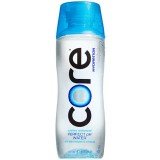
Shop Single Bottled Water at Sprinkles Menu for an individually listed Core Hydration water bottle. The example here is a 16.9 fl. oz. single unit, described with electrolytes, minerals and 7.4 pH wording. Use this guide to understand the package, compare single bottles with multipacks and plan a purchase without confusing bottle size, quantity or health claims.
▼ Click here to read the full Single Bottled Water guide — comparison tables and FAQs
What does single bottled water mean in this category?
Single bottled water means that the product listing identifies one bottle as the sales unit, rather than presenting a pack of several bottles as that unit. This distinction sounds simple, but it is important when comparing online beverage listings. A photograph may show several bottles for illustration, or a familiar brand may sell several package configurations. The product title and selected option need to establish what you are ordering. Here, the catalog example explicitly uses the words single unit alongside a 16.9 fluid-ounce bottle size.
The current example is Core Hydration Perfect 7.4 pH Water with electrolytes and minerals, 16.9 fl. oz. — Single unit. This category guide is centered on that actual listing. It does not imply that a broad range of spring waters, sparkling waters or flavored varieties is available here. If you want several bottles sold together, compare the separate Bottled Water Multipacks category and confirm the exact pack configuration on its product page.
An individual bottle can suit a small purchase or a shopper who wants to compare the taste and format before considering a larger pack. Those are practical reasons to choose a single unit. They are different from claims about superior hydration or special health effects. The bottle's convenience, its brand description and its package size can be discussed without suggesting that a pH number makes it a treatment or that added minerals establish equivalence to a medical rehydration product.
What information is actually stated in the Core Hydration listing?
| Listing detail | What it identifies | What it does not establish by itself |
|---|---|---|
| Core Hydration | Brand and product family | Every size or package sold by that brand |
| 16.9 fl. oz. | Bottle volume described in the title | Number of bottles in a multipack |
| Single unit | One individually listed sales unit | A case, subscription or bulk order |
| 7.4 pH wording | A characteristic highlighted in the name | A promised health outcome |
| Electrolytes and minerals | Ingredients or characteristics emphasized in the title | A replacement for a specialized sports or medical product |
Read the full product page before ordering, including the selected quantity and any option details. A single-unit title should not be silently converted into a multipack assumption because another retailer sells the same brand in packs. Equally, adding several single units to a cart is a different ordering action from selecting a factory multipack. The checkout should make the purchased quantity clear. If a detail is ambiguous, ask about the exact listing rather than relying on another store's package photograph.
The headline volume is expressed in fluid ounces, a measure of liquid volume. It should not be compared directly with a package's shipping weight or with ounces used as a weight measure on a snack product. The distinction matters when planning a combined groceries order. A water bottle and a food package can both display the abbreviation oz while referring to different quantities. Keep the measurement type alongside the number so that comparisons remain meaningful instead of just numerically tidy.
How does a single bottle compare with a multipack?
A single bottle and a multipack may contain the same size of individual bottle while representing different sales units. The useful comparison therefore has two layers: the volume per bottle and the number of bottles included. A pack with more bottles can have a larger total volume without changing the size of each individual bottle. If the per-bottle size differs as well, record both details before calculating cost or deciding how much storage space the order will require.
For example, an eight-bottle pack containing 16.9 fluid ounces per bottle would contain 135.2 fluid ounces in total. That is an arithmetic illustration of pack volume, not a statement that eight single units will be supplied under this listing. The single-unit page remains a single-unit page. To purchase a multipack, use the relevant multipack listing and confirm its actual details. Keeping examples clearly separated from the sales description prevents useful arithmetic from turning into a mistaken quantity promise.
| Comparison item | Single-bottle question | Multipack question |
|---|---|---|
| Sales unit | Is the selected item one bottle? | How many bottles are included? |
| Bottle size | What is the volume of that bottle? | Is each bottle the same stated size? |
| Total volume | What volume am I buying in one unit? | What is count multiplied by bottle volume? |
| Value | What is the current price per bottle? | What is the pack price divided by included bottles? |
| Storage | Where will one bottle fit? | Where will the complete pack fit? |
A multipack is not automatically the better purchase for every situation. You may have limited storage, want only one bottle or prefer to compare the product before buying several. A single bottle is not automatically the cheapest choice either. The current prices and order terms determine the economic comparison. Decide first what quantity makes practical sense, then compare the relevant listings. That approach keeps a discount from encouraging a larger purchase than the situation actually requires.
What do electrolytes and minerals mean on a water listing?
The words electrolytes and minerals describe a feature emphasized in the Core Hydration product name. They are useful for identifying the kind of water you are considering, but they do not provide a complete ingredient panel or nutrition profile. If you want to know the specific ingredients and quantities, read the bottle's current label or the relevant manufacturer information. Do not fill in missing details using a different size, a different product line or an unrelated electrolyte drink.
The Core Hydration manufacturer website describes the brand's use of electrolytes and minerals for taste. That is useful product context. It does not establish that this bottle should be used as a medical oral rehydration solution or that its mineral content is equivalent to a sports drink. Those products can have different purposes and compositions. A straightforward water purchase should remain a straightforward water purchase unless specific label information and appropriate professional advice support a different intended use.
Taste preferences are individual. Some shoppers prefer a familiar bottled water brand because they like its taste or its convenient size. It is reasonable to choose on that basis without turning the preference into a universal claim that the water is healthier or absorbed better than every alternative. If taste is the main reason you are comparing, a single bottle can be a practical way to evaluate your preference. The experience of one person does not establish a special physiological benefit for everyone else.
What does the 7.4 pH wording tell you?
The product title highlights 7.4 pH as part of the brand description. pH is a characteristic of the water, not a personalized measurement of your body. A number on a bottle should not be treated as evidence that drinking it will reset body pH, detoxify the body or treat a medical condition. This guide does not make those claims. The useful shopping question is whether this is the product you intended to buy and whether its current label matches your preferences.
A pH comparison can also distract from more practical purchasing details. If your task is to buy one 16.9 fluid-ounce bottle, the correct sales unit and selected quantity matter immediately. If your task is to compare drinking water options, ingredient information, taste preference, cost and packaging are useful points to consider. A prominent pH number is only one piece of the product description. It should not erase the need to confirm what is actually being sold or become an automatic ranking system for all bottled water.
| Bottle wording | Useful interpretation | Claim to avoid assuming |
|---|---|---|
| pH number | A stated characteristic of the product | It changes your body's overall pH in a beneficial way |
| Added electrolytes | A feature to inspect on the label | It matches every electrolyte sports drink |
| Mineral wording | A product detail relevant to ingredients and taste | It supplies a complete daily mineral intake |
| Hydration branding | A brand name and beverage context | It guarantees a special medical effect |
| Single unit | The listed package configuration | Several bottles will arrive because a photo shows them |
If you have a medical reason to monitor fluid intake or particular minerals, seek advice appropriate to that reason and use the actual label information. A category description cannot determine whether any particular bottled water fits a fluid or nutrient restriction. The brand name and pH wording are not sufficient for that assessment. The most useful information to bring to a professional is the precise product and its readable label, rather than a general statement that it is electrolyte water.
When can an individually listed bottle be a practical choice?
A single unit can be useful when the purchase is intentionally small. You might be adding one beverage to a groceries order, comparing the brand's taste or buying a bottle for a specific outing. Those scenarios depend on ordinary planning: how many people need a drink, what else is available and whether an individual bottle is the format you want. This guide does not prescribe a universal daily number of bottles, because fluid needs and circumstances differ and the category title cannot answer that personal question.
For a desk or work bag, consider the physical bottle and available space rather than only its liquid volume. The title's 16.9 fluid ounces describes the contents, not the external dimensions. If fitting a narrow bag pocket or holder is essential, seek the actual dimensions. Do not assume that every bottle with a similar volume has the same shape. Package design and dimensions can vary, and a product image without a scale is not a reliable measurement tool.
For shared use at an event, a single-unit listing can still be relevant if you deliberately select several units. Confirm the cart quantity and any order limits before relying on that plan. If a multipack would be more convenient, compare the actual multipack page instead. Do not assume that ordering several singles guarantees a sealed outer case or particular packing arrangement. The order configuration should be clear from the listing and checkout, and any essential packaging question should be resolved directly.
How do you calculate price per bottle and price per fluid ounce?
Price per bottle is the purchase price divided by the number of included bottles. For a single-unit listing, that is straightforward once the current price is known. For a multipack, the included count must be correct before the calculation is meaningful. Price per fluid ounce is the purchase price divided by the total fluid ounces included. These calculations can make unlike package sizes easier to compare, but they do not determine taste, convenience or personal preference.
A hypothetical example can show the method without pretending to quote a live price. If one 16.9 fluid-ounce bottle cost an illustrative amount of P, its price per fluid ounce would be P divided by 16.9. For a pack, divide the pack price by the combined fluid volume instead. Use the same currency and include the same types of charges when comparing. A listed item price and a final checkout total answer different questions, especially if shipping or other order-level charges apply.
| Calculation | Information required | What the result helps compare |
|---|---|---|
| Price per bottle | Price and actual included bottle count | Similar bottle sizes in different pack configurations |
| Total fluid volume | Bottle volume multiplied by bottle count | Overall quantity purchased |
| Price per fluid ounce | Price divided by total fluid ounces | Different package or bottle sizes |
| Cart bottle quantity | Sales-unit count and bottles per sales unit | What the selected order should contain |
| Final order cost | Checkout total and selected quantity | The actual purchase under current terms |
Do not let a neat calculation conceal an incorrect assumption. A pack count copied from another seller, a different bottle size or a promotional photograph can make the arithmetic look precise while the input is wrong. Confirm the product identity first. Also consider whether you actually need the larger quantity. A lower price per fluid ounce can be useful, but buying more than you can reasonably store or intend to use may not meet the practical purpose of the order.
How should you handle storage, packaging and order checks?
Follow the current bottle's storage and handling instructions. Keep the product clearly identified and inspect the package when it arrives. Check that the bottle size and quantity match the order and that the cap and seal appear as expected. If an item is damaged, leaking or different from what you ordered, contact the appropriate order support channel before deciding what to do with it. A category guide cannot inspect a particular shipment or guarantee its condition.
For general context, the FDA's bottled water overview explains that bottled water products are subject to food safety and labeling requirements. This is background about the product category, not a statement that the FDA endorses this particular bottle. Do not interpret regulatory oversight as a store-specific certification or a guarantee about an individual shipment. The practical role of the current label and condition check remains important for the item actually received.
Packaging disposal is another local, practical question. Check the markings on the actual bottle and the rules of the collection system where you live. Do not assume that every part of a package is accepted everywhere or that a general recycling symbol guarantees local acceptance. A single-unit purchase may reduce the amount you need to store at once, while a multipack may include additional outer packaging. Compare those actual formats rather than making broad environmental claims that the listing does not substantiate.
Frequently asked questions about single bottled water
How many bottles does this single-unit listing describe?
The example is titled as a single unit. That identifies one individually listed bottle, not an eight-pack or a case. Confirm the selected quantity in the cart and the product page before ordering. If you add multiple units, the cart quantity should reflect that choice. Do not infer a different included count from photographs, familiarity with another retailer's pack or the fact that the same brand is also sold in a multipack category.
Is 16.9 fl. oz. the bottle size or the pack size?
In this title, it describes the bottle's liquid volume. The single-unit wording separately identifies the sales configuration. These two details should be read together. If you compare with a multipack, record the volume per bottle and the bottle count as separate facts. Multiplying them gives total liquid volume, but it does not change the fact that this particular page is an individually listed bottle rather than a pack listing.
Is electrolyte water the same as a sports drink?
Do not assume equivalence from the word electrolytes. Products can differ in ingredients, amounts, calories and intended context. Read the exact current label if you need a specific nutritional characteristic. This guide identifies a bottled water product and does not claim it replaces a sports nutrition formula or medical rehydration product. A familiar word on two labels is a starting point for comparison, not proof that the beverages serve identical purposes.
Does 7.4 pH mean the water treats a health condition?
No treatment conclusion follows from the pH wording in the product title. It is part of the water's description. This category does not promise detoxification, a body-pH reset or a medical benefit. If you have a health-related reason to choose or restrict a beverage, use the exact label and appropriate professional advice. A pH number alone is not enough information for an individualized health decision.
Can I buy this bottle alongside pantry items?
The listing is part of the site's groceries selection, so it can be considered while browsing Groceries & Pantry. Confirm the actual cart and checkout terms for the order you intend to place. The guide does not promise a particular shipping arrangement, combined discount or delivery date. Its purpose is to make the product and quantity clear before you reach those order-specific details.
Is a multipack always cheaper than single bottles?
That depends on the current prices and complete order terms. Compare price per bottle or per fluid ounce using the correct included quantities. Do not assume a larger package automatically offers a lower final cost. Even if it has a lower unit price, the better practical choice depends on how many bottles you want, the storage available and whether the selected listing clearly matches the intended purchase.
What if I need the bottle to fit a particular holder?
Check actual dimensions if fit is essential. Fluid volume does not establish external width or height, and photographs can be misleading without a scale. The 16.9 fluid-ounce title tells you how much water the bottle is described as containing, not whether it fits every cup holder, pocket or storage compartment. Seek product-specific measurements rather than treating a common bottle volume as a universal physical standard.
What should I do if the received quantity looks wrong?
Compare the order confirmation with the exact listing and selected cart quantity. Keep the packaging and relevant information available while contacting order support. Do not assume a missing outer pack means something is wrong if the order was for singles, or assume a photograph overrides the written configuration. A clear record of the sales unit, selected quantity and item received makes the question easier to resolve accurately.
| Final single-bottle checklist | Detail to confirm | Reason |
|---|---|---|
| Correct item | Core Hydration listing and selected option | Avoids confusion with another beverage |
| Correct volume | 16.9 fl. oz. title wording | Keeps bottle size clear |
| Correct quantity | Single unit multiplied by cart quantity | Prevents a mistaken pack assumption |
| Practical fit | Storage and any essential dimensions | Matches the format to your needs |
| Current terms | Price, availability and checkout details | Grounds the purchase in live order information |
How can you keep a water purchase simple and accurate?
Start with the quantity you want, identify the exact sales unit and verify the bottle volume. Then consider taste preference, convenience and current price. Those steps answer the ordinary purchasing questions without making the bottle's pH wording carry more meaning than it can support. If one bottle is what you need, the single-unit page is the relevant starting point. If several bottles sold together are the goal, compare the separate multipack listing deliberately.
This category is useful because it makes an individual-bottle option easier to find. It should remain clear about the actual selection rather than inventing a broad range of waters that the examples do not show. Use the Core Hydration page for the current label and order details, use the multipack category for a different sales configuration and keep medical or dietary restriction questions separate from ordinary brand and package preferences. A precise description of what you are buying is the foundation of a confident, uncomplicated order.
If you save a product for a later order, keep its full name rather than a shorthand note such as Core water. The size and single-unit wording are the details most likely to prevent confusion when you return. A later comparison may involve the same brand in a different package, so revisit the selected option instead of assuming that the old cart configuration still applies. This small habit is especially helpful when another person places the order from your shopping list: specify one bottle, the stated size and the exact page so that the intended purchase is clear.