




Blog
How should I read a magnesium powder’s serving measurement?

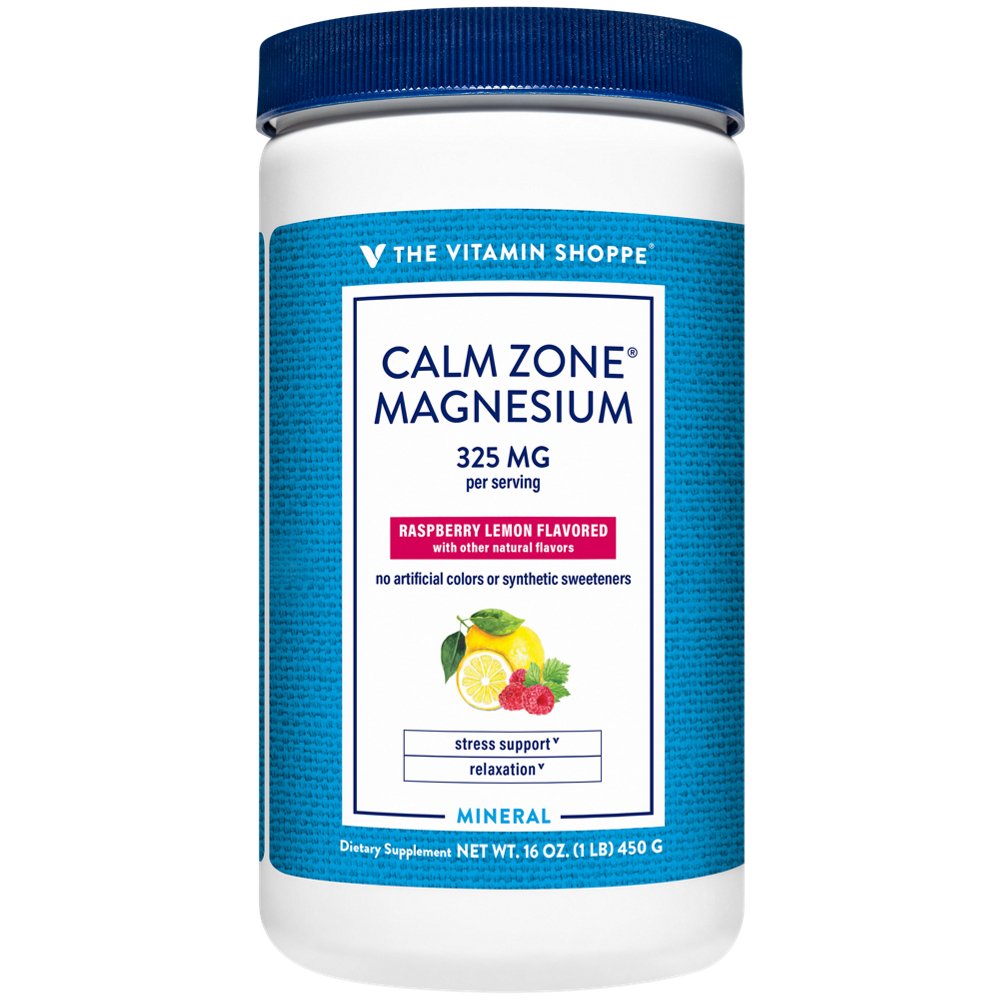
Read a magnesium powder’s serving measurement by keeping the stated powder portion, the measuring description, and the declared magnesium quantity together. A scoop or spoon measure describes how a portion is identified, while the magnesium row describes a nutrient amount on that basis. Total powder weight and elemental magnesium are separate quantities and should remain separate in a comparison.
This guide explains how to review magnesium powders before purchase. It covers serving lines, supplied measures, units, preparation directions, package sizes, prices, and questions to ask when information is incomplete. The examples explain label arithmetic rather than recommending personal supplement amounts or changing a manufacturer’s directions.
Find the complete serving statement
Start with the Supplement Facts panel and read the full serving-size line. Copy the number, unit, and any associated measuring description. If the statement includes a powder mass and a scoop or spoon description, retain both instead of keeping only the more familiar one.
Then read the declared magnesium amount for that serving. Keep the source wording separately, including any mixed-source description. The nutrient amount, powder portion, and source form each answer a different question about the finished product.
Use the matching panel for the exact selected flavor and container size. Related products can share artwork while differing in formula or directions. If the title and image appear inconsistent, ask which information applies to the item being offered before copying its quantities.
Why is powder mass different from magnesium amount?
A finished powder can include ingredients beyond magnesium, such as flavoring or other formula components. The total mass of the stated powder portion therefore should not automatically be described as magnesium. Read the nutrient row rather than substituting the powder’s weight.
For an invented example, a panel might describe a 5 g powder portion and separately declare 200 mg of magnesium for that portion. Those figures describe different things. Converting 5 g to 5,000 mg does not turn the powder’s entire mass into magnesium.
These invented values are a label-reading exercise, not actual product specifications or suggested quantities. Their purpose is to show why the name of the measured quantity matters as much as the number and unit.
| Field in a hypothetical record | What it describes | What to preserve |
|---|---|---|
| Powder portion: 5 g | Mass of the finished powder portion | Original powder unit and serving basis |
| Magnesium: 200 mg | Declared nutrient amount for that portion | Nutrient name, amount, and unit |
| Measure description | Manufacturer’s stated way of identifying the portion | Exact wording and supplied-device information |
| Net weight | Total powder contents of the container | Package basis rather than nutrient quantity |
| Labeled servings | Portions represented by the package | Any approximation stated by the label |
What does the scoop description establish?
Read the exact wording used by the manufacturer and whether a measuring device is supplied. A scoop from one product should not be assumed to identify the same portion in another. Physical scoop appearance alone does not establish a standard powder mass across formulas.
If the directions distinguish a particular fill or measuring method, preserve that instruction in your record rather than replacing it with a guessed household equivalent. A photograph of a heaped scoop in a customer review is not a verified measuring specification.
When the device or wording is unclear, ask for the complete directions for the exact product. The useful question is which measure and method the label describes. Avoid improvising a new portion merely to make a price or nutrient comparison easier.
How should I compare grams and milligrams?
Keep each unit attached to its quantity. One gram equals one thousand milligrams. This conversion can help express a disclosed mass consistently, but it does not change what is being measured. Powder mass remains powder mass after conversion.
Likewise, a declared magnesium quantity remains the declared nutrient quantity on the original serving basis. A unit conversion should not erase the distinction between a nutrient row, a source-ingredient statement, and the finished powder portion.
Preserve original values alongside converted figures. If a result looks surprising, you can then check decimal placement, copied units, and the associated portion. A column of numbers without ingredient names or basis information is difficult to verify later.
What should I check about preparation?
Read the manufacturer’s full directions for the selected formula. Record any stated measuring, mixing, or handling steps that affect whether the format fits your intended preparation setting. A powder may involve equipment and cleanup that a capsule does not.
Keep preparation information separate from nutrient quantity. A suggested liquid amount or preparation description does not automatically identify the powder mass unless the directions establish that relationship. Avoid using a different product’s routine to fill an information gap.
If you expect to prepare the product away from home, consider what equipment and storage the actual instructions involve. Convenience is a practical purchasing preference; it should not become a claim that a format delivers a particular health result.
How do flavor and additional ingredients affect the record?
Read the complete ingredient statement for the exact selected flavor. A flavor name does not identify every sweetening, coloring, or other formulation ingredient. Related flavors may require separate review when an ingredient matters to your requirements.
Check whether the powder is a simpler magnesium formula or a combination product. Additional nutrients or other ingredients belong in separate fields with their own disclosed quantities where available. A single magnesium number should not stand for the complete recipe.
Taste reviews can help identify preferences to investigate, but they do not verify the label or measuring basis. A reviewer may use another version or preparation method. Keep subjective flavor comments separate from the factual quantities copied from the panel.
Can I estimate servings from net weight?
Where net weight and a clear serving mass are disclosed, division can provide an arithmetic consistency check. Compare the result with the label’s stated servings per container. Preserve any approximation or rounding language used by the manufacturer.
For example, an invented 300 g container and a stated 5 g powder portion produce an arithmetic estimate of 60 portions. This does not establish the serving count of the pictured products. It also does not replace clarification if the actual label and description disagree.
If the calculation is not exact, check the copied values, units, formula version, and qualifications. Do not select the larger estimated count merely because it creates a lower price per serving. Keep the confirmed label count and the calculation clearly distinguished.
| Hypothetical net weight | Hypothetical serving mass | Arithmetic portions | Interpretation |
|---|---|---|---|
| 150 g | 5 g | 30 | Consistency check using invented inputs |
| 300 g | 5 g | 60 | Same hypothetical portion in a larger package |
| 240 g | 4 g | 60 | Different portion can yield the same count |
Package counts do not establish equivalent magnesium quantities or formulas. Two containers can represent the same number of labeled portions while supplying different disclosed nutrient amounts. Read the actual magnesium row and complete formula alongside the count.
How should larger and smaller containers be compared?
Confirm the exact formula and serving information for each size. A related product name or similar artwork can suggest a connection, but it should not replace the matching label. If the sizes share a formula, record the evidence supporting that comparison.
Then compare net weight, labeled servings, selected price, and order conditions. A larger package may reduce unit cost while increasing the initial expense. If the exact flavor or preparation routine is unfamiliar, a smaller initial purchase can be a practical budget choice.
Read storage directions and investigate date information for the offered stock where it matters to your intended quantity. An old photograph does not establish the date on a future order. Keep unanswered questions visible rather than assuming a shelf life from another product.
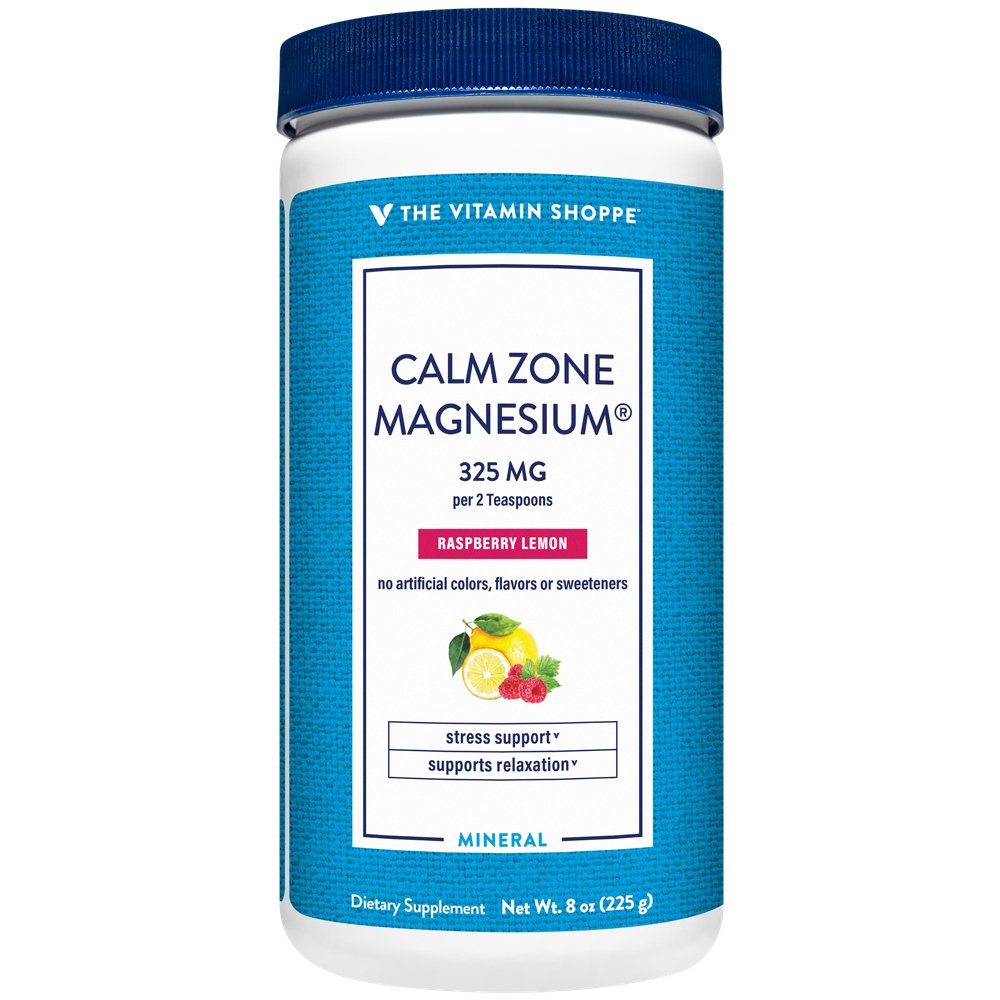
What does a fair powder-cost comparison include?
Divide the confirmed package price by labeled servings to calculate cost per labeled serving. If you also use price per gram of powder, name that metric explicitly. It describes finished powder mass rather than the amount of magnesium specifically.
A magnesium-specific quantity-cost calculation requires a clearly disclosed magnesium amount on a confirmed serving basis. Use the actual nutrient quantity and keep the source and formula differences visible. Do not substitute a blend total or total powder mass for an undisclosed nutrient amount.
The table below uses invented prices and counts. It demonstrates cost arithmetic, not live offers or actual product specifications. It also shows how delivery can change an item-only comparison.
| Hypothetical container | Item price | Labeled servings | Cost per labeled serving |
|---|---|---|---|
| Small A | $15 | 30 | $0.50 |
| Large B | $24 | 60 | $0.40 |
| Alternative C | $21 | 50 | $0.42 |
| Large B with $6 allocated delivery | $30 total | 60 | $0.50 |
Use the same currency and treatment of applicable order charges. Record coupon, subscription, and multi-buy conditions. A lower introductory price should not be presented as a permanent recurring price, and a bundle needs confirmed contents before its servings are totaled.
Which questions resolve unclear measurements?
Ask for the exact serving statement, complete current directions, and a readable panel for the selected product. Include the flavor, container size, and product link. A focused question about the measure is easier to resolve than asking generally whether the powder is strong.
If a scoop description and a powder mass appear inconsistent, ask how the manufacturer defines the portion. If the title and panel use different counts, ask which information applies to the offered stock. Keep the uncertain input unconfirmed until clarified.
Avoid combining information from several versions into a formula that no source actually describes. A clear alternative may be easier to evaluate than a cheaper listing whose essential measurement information remains unavailable.
Review the order and delivered package
Before checkout, confirm the selected size, flavor, exact formula, labeled servings, directions, and payable total. If you change a variant while browsing, revisit the comparison inputs rather than carrying the previous label forward automatically.
When the package arrives, compare the product identity, label, contents statement, and package condition with the saved order details. Retain the relevant package information while resolving a discrepancy. A precise description of a different size or panel helps the seller investigate.
Keep original values beside calculations in your record. This makes it easier to update a comparison without losing the basis of an earlier result. Accurate notes can remain concise while still showing what was confirmed and what requires clarification.
Frequently asked questions about magnesium powder measurements
Is total powder weight the same as magnesium weight?
Read the two quantities separately. Finished powder can include other ingredients, while the panel declares a magnesium amount on its stated serving basis. A mass conversion does not make those quantities identical.
Can I use a scoop from another product?
Do not assume that it identifies the same portion. Use the selected product’s actual measuring directions and ask for clarification if the device or method is unclear.
Does a larger container always provide more servings?
Check the stated portion and labeled serving count. Different formulas or serving masses can change the relationship between net weight and portions. Compare the confirmed information for each exact package.
Can I calculate servings from net weight?
A clear net weight and serving mass can support an arithmetic consistency check. Preserve any approximation and investigate disagreement with the label instead of presenting a guessed count as confirmed.
Is price per gram a magnesium-specific price?
Price per gram of finished powder describes the powder, including its other components. A magnesium-specific calculation requires the separately disclosed nutrient amount and a clear serving basis.
What is the most useful measuring record?
Keep the exact product, original serving statement, measuring directions, powder mass, declared magnesium amount, labeled servings, price conditions, and unanswered questions together. Preserve names, units, and portion bases beside every calculation.