





Explore a varied superfoods collection that includes beet products, tart cherry, golden milk, liver capsules and kelp. This guide explains why these items need individual comparison, with attention to food source, physical format, ingredient panels and practical preparation.

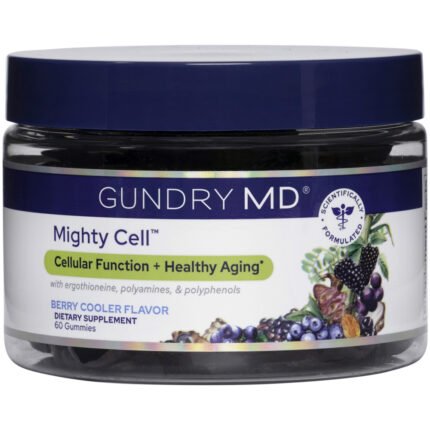
Mighty Cell with Polyphenols, Cellular Function + Healthy Aging – Berry Cooler Flavor (60 Gummies)
Original price was: $41.97.$10.49Current price is: $10.49.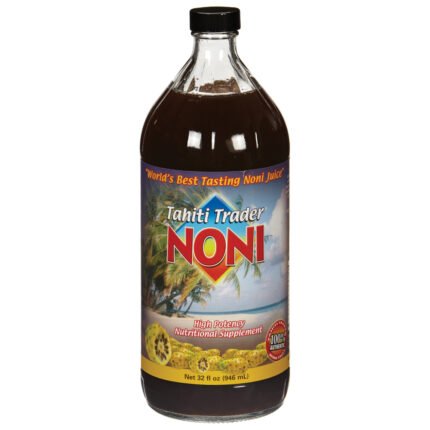
Noni Juice (32 Fluid Ounces)
Original price was: $38.99.$29.24Current price is: $29.24.
▼ Click here to read the full Super Greens & Superfoods guide — comparison tables and FAQs
What does the Super Greens & Superfoods collection include?
This Super Greens & Superfoods collection is broader than a shelf of green drink powders. The current examples include beet root with sea moss capsules, beet root juice, freeze-dried tart cherry capsules, a golden milk product, grass-fed liver capsules and kelp. That variety matters. Some items are plant-based ingredients, one is clearly animal-derived by its name, and their formats range from a bottled liquid to capsules and a powdered drink-style product. A useful category description should make those differences easier to navigate rather than presenting everything as the same daily greens blend.
The distinction between a food source and a finished supplement is central to this archive. A beet root juice bottle is a different purchase from beet root combined with sea moss in capsules. A tart cherry capsule is different from a serving of fresh cherries or a cherry beverage. Liver capsules are not a vegetarian substitute for greens, and kelp should be evaluated through its own ingredient and nutrient information. The shared superfood label is a merchandising term; it does not guarantee the same nutrients, dietary suitability or role in a routine.
| Product type | Details named in the current examples | Useful comparison question |
|---|---|---|
| Beet Root + Sea Moss | 1,000 MG; 120 capsules named | Combination formula; review both named components |
| Beet Root Juice | 32 Fluid Ounces named | Check the beverage label and portion guidance |
| Freeze-dried Tart Cherry | 90 vegetarian capsules; gluten-free title | Do not equate capsules with a serving of fruit |
| Golden Milk | 3.70 Ounces named | Review preparation, ingredients and serving count |
| Liver and kelp | Distinct capsule products | Verify source and nutrient details individually |
How do the formats differ?
Think first about how you expect to use the product. If you want a beverage, the 32 Fluid Ounces beet root juice listing and the Garden of Life Organics Golden Milk listing are relevant starting points, but they involve different preparation and portion questions. If you prefer capsules, the beet root and sea moss combination, tart cherry, liver and kelp examples belong on a separate comparison list. Physical convenience is useful information, but a format preference should not replace a review of the full formula.
Dietary preferences require close reading in this collection. Grass-Fed Liver explicitly identifies an animal-source product, while a vegetarian capsule description on another listing describes its capsule-related claim rather than proving that every ingredient in every product in the archive is suitable for a particular diet. Gluten-free wording in the tart cherry title belongs to that specific listing. It should not be extended to golden milk, kelp or neighboring products without their own supporting labels. Check allergen statements and manufacturer details on each product you are considering.
Kelp deserves a nutrient-specific question rather than a general more-is-better approach. If you are interested in kelp because of a nutrient such as iodine, read the actual amount on the label and discuss suitability where needed. The material weight in a title is not automatically the amount of a particular nutrient. Likewise, the weight of a golden milk container does not tell you how much of any one botanical it contains. A careful shopper separates total product size, serving size and the amount of an individual component.
How do you navigate a superfoods category with very different products?
Organize the collection by source and format before comparing package size. Beet root and sea moss capsules combine named ingredients. Beet root juice is a bottled liquid. Freeze-dried tart cherry is presented in capsules, while golden milk is a separate drink-style product. Grass-fed liver and kelp add two more distinct ingredient sources. Once these branches are clear, you can focus on the type that matches your purpose instead of treating every superfood listing as a version of the same item.
The broad selection also makes it important to avoid a common shortcut: assuming that the word greens means every product is plant-based. Liver capsules are an obvious counterexample in the current selection. Even within plant-source products, dietary suitability depends on the entire formula, including capsule materials and additional ingredients. If a dietary rule is important to you, review the exact package statements. Category placement is not a substitute for that product-specific check.
Is beet root juice equivalent to beet root with sea moss capsules?
No equivalence can be assumed from the shared beet root wording. The juice is measured as a liquid, while the capsule product combines ingredients in a supplement format. They may have different serving definitions and complete compositions. If your interest is a beverage, start with the juice label. If it is a specific combination supplement, start with that panel. Converting fluid ounces to a capsule number without manufacturer information would create a comparison the product titles do not support.
For the juice listing, review whether the panel is Nutrition Facts or Supplement Facts and how the manufacturer describes a portion. Also check storage and any instructions that apply after opening. Those details are part of buying a bottled product. For the capsule combination, identify how the stated amount is defined and whether each named component is individually quantified. The same ingredient word can appear in products that require very different practical questions.
What should you look for in a golden milk product?
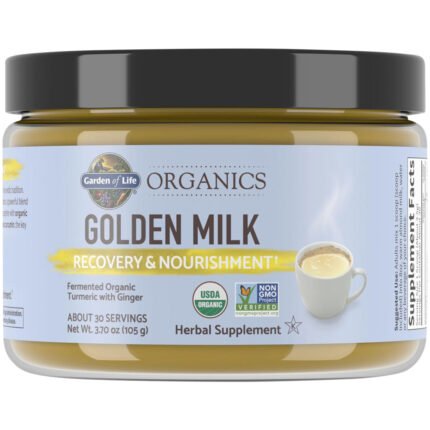
Golden milk is a product style rather than a complete formula disclosure. The Garden of Life Organics listing names recovery and nourishment in its title and gives a container weight of 3.70 ounces. Those details identify the product but do not specify all ingredients or establish a recovery outcome. Review the current label for the actual blend, preparation method and serving count. Do not assume a familiar homemade recipe has the same composition as the packaged formula.
Preparation can affect whether a product fits your routine. Check what liquid the manufacturer recommends, whether heating is part of the directions and how a portion is measured. If you plan to mix it with a milk or alternative beverage, remember that the resulting drink includes the ingredients and nutrition of that added liquid as well. A comparison between prepared drinks should account for those additions rather than attributing every feature to the powder alone.
Flavor and texture are legitimate preferences, but neither proves a specific benefit. If you are exploring golden milk because you enjoy a warm beverage ritual, evaluate the product on its actual instructions and ingredients. If a health claim is the main reason for interest, investigate evidence relevant to the finished formula. Those are different decision paths, and keeping them distinct helps prevent an appealing everyday drink concept from becoming an unsupported treatment expectation.
How should you compare fruit-derived and animal-derived capsules?
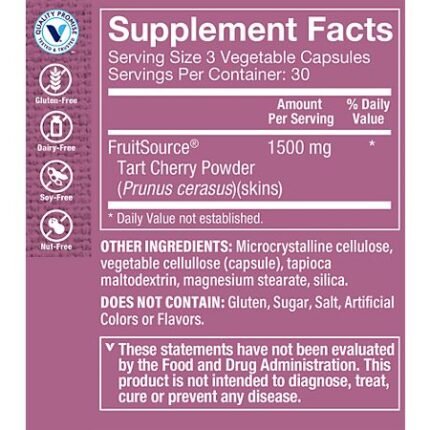
The freeze-dried tart cherry listing names 90 vegetarian capsules and a gluten-free claim. That provides a useful product identity, yet it does not show the complete composition or establish an outcome. Read the amount per serving and the other ingredients. A capsule made from a fruit-derived ingredient should not be counted automatically as equivalent to eating that fruit. Its role and portion are defined by the actual supplement label, not by the familiar food name alone.
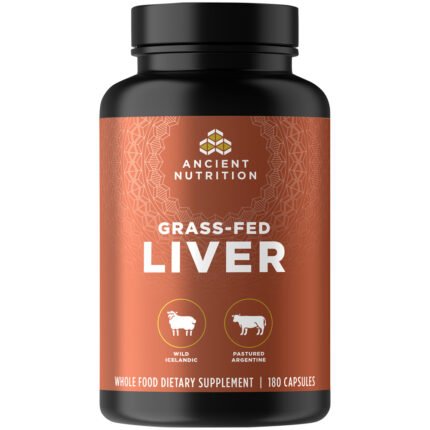
Grass-Fed Liver is a different source category altogether. Its name signals an animal-derived ingredient and its title names 180 capsules. If you follow a vegetarian or vegan diet, that source distinction is more decisive than the broad superfoods label. If you are considering it for a particular nutrient, find the declared amount of that nutrient on the panel instead of assuming a quantity from the word liver. Material weight and nutrient content are different measurements.
Comparing these products by capsule count alone would miss the real differences. Ninety capsules of one ingredient and 180 of another do not create a two-to-one value relationship. Establish the serving size, ingredient identity and reason for purchase first. Then use package count and current price to assess the practical cost of the specific option you actually intend to consider. The most informative comparison respects the source differences rather than hiding them under a common category name.
Why does kelp require a nutrient-specific review?
Kelp is often discussed in connection with iodine, but a title giving the weight of kelp material does not automatically disclose its iodine amount. Use the actual nutrient declaration where provided and seek clarification if the information you need is missing. Avoid assuming that a natural source makes an amount irrelevant. If you have a thyroid-related condition or use related medicines, an individualized review is particularly useful before choosing a product for a nutrient-related purpose.
Does superfood mean nutritionally complete?
No. It is not a promise that a product supplies every nutrient or can replace a balanced meal. A category containing juice, liver capsules, kelp and golden milk is clearly diverse, and each item needs its own panel. If you want a product for a specific nutritional reason, compare that declared nutrient directly. A broad phrase can help you discover products, but it should not be used as evidence that they meet a complete nutritional requirement.
Can I combine several products from this collection?
Category membership does not establish that a combination is appropriate. List the ingredients and nutrients already present in your foods, medicines and supplements, then identify the purpose of each proposed addition. A combination of several concentrated products can be harder to evaluate than one product considered on its own. If there is a health condition, pregnancy or a prescribed treatment involved, bring the complete labels to a qualified professional rather than relying on a general category description.
How can I compare this page with the Greens & Superfoods category?
Use the actual products as the distinction. The related greens archive includes examples such as mixed greens powders, moringa and sea moss gummies. This collection includes a different set of examples, including beet juice, golden milk, liver and kelp. Some broad themes overlap, but neither category name makes the formulas equivalent. Browse across them when useful, then return to the exact product page and its current label before making a choice.
Which current product examples are worth comparing?
The examples below identify specific listings represented in this collection. They are a starting point for browsing, not a promise of current stock or an exhaustive inventory. Open the product page for its current price, label and availability. The title details are kept distinct from personal recommendations.
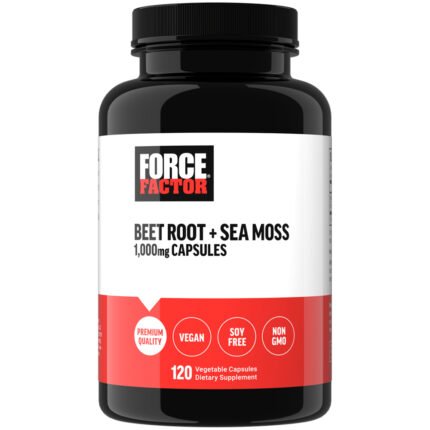
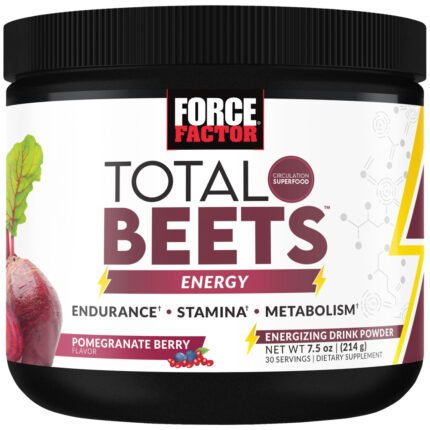
Beet Root + Sea Moss - 1,000 MG (120 Capsules)
This combination capsule listing names beet root and sea moss together. Review how the total stated amount is divided or described on the actual label. It is not the same product type as the beet root juice, even though both share a familiar ingredient name. Compare the formula rather than relying on that overlap. See the Beet Root + Sea Moss - 1,000 MG (120 Capsules) product page to check the current listing.
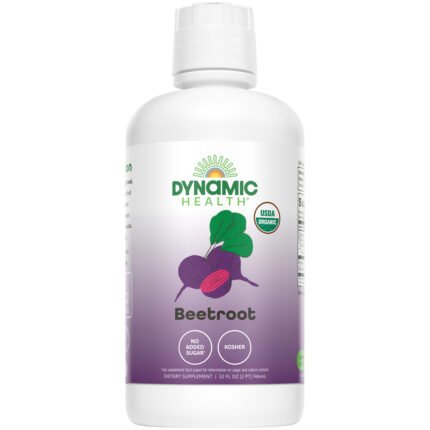
Beet Root Juice (32 Fluid Ounces)
The 32-fluid-ounce beet root juice listing is a liquid-format option. Check its current label, serving guidance and storage instructions, including any directions after opening. The total bottle volume should not be treated as a supplement serving, and the liquid format should not be converted to capsule equivalents without supporting manufacturer information. See the Beet Root Juice (32 Fluid Ounces) product page to check the current listing.
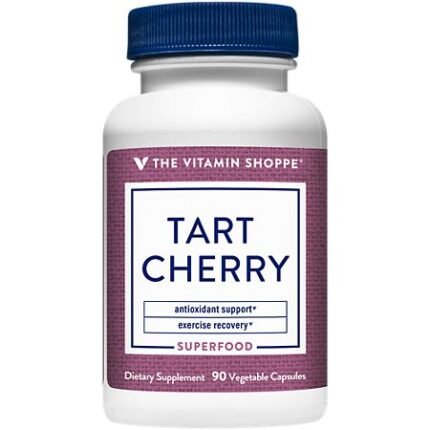
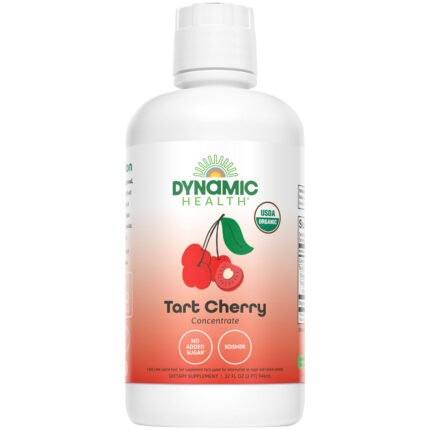
Freeze-dried Tart Cherry - Gluten-free (90 Vegetarian Capsules)
The freeze-dried tart cherry title names vegetarian capsules and gluten-free wording. Those are listing-specific claims to verify on the package. If you are interested in a particular component or outcome associated with tart cherry, review what the finished product actually discloses rather than assuming equivalence to fruit or juice. See the Freeze-dried Tart Cherry - Gluten-free (90 Vegetarian Capsules) product page to check the current listing.
Garden of Life Organics Golden Milk - Recovery & Nourishment (3.70 Ounces)
The Garden of Life Organics Golden Milk listing is a different preparation route from the capsules. Review the complete ingredients and mixing instructions before deciding how it fits your preferences. Recovery and nourishment language in the title should not be presented as a guaranteed outcome from drinking the finished product. See the Garden of Life Organics Golden Milk - Recovery & Nourishment (3.70 Ounces) product page to check the current listing.
Grass-Fed Liver (180 Capsules)
The grass-fed liver product explicitly identifies an animal-derived source and a capsule count. If you are shopping for plant-based greens, this is a meaningful distinction. If you are interested in a particular nutrient, compare its declared amount on the panel rather than assuming a quantity from the source ingredient alone. See the Grass-Fed Liver (180 Capsules) product page to check the current listing.
Kelp Whole Thallus - 363 MG (180 Capsules)
The kelp whole thallus listing names 363 MG and 180 capsules. That amount of source material is not automatically the same number as an iodine amount. Review the actual nutrient declaration and discuss suitability where relevant. Kelp should be compared as its own product, not as a generic substitute for mixed greens. See the Kelp Whole Thallus - 363 MG (180 Capsules) product page to check the current listing.
How can you organize a comparison before buying?
| Comparison field | What to record | What the field cannot establish |
|---|---|---|
| Exact ingredient | The full name and form on the current panel | That another ingredient is interchangeable |
| Labeled serving | The stated number of capsules, pieces or measured portion | A personal amount or treatment schedule |
| Package size | The count, weight or volume actually supplied | The number of days suitable for every person |
| Complete formula | Active components and other ingredients | Suitability based on a headline alone |
| Evidence and documentation | Information tied to the exact product or preparation | A guaranteed outcome for an individual |
A useful comparison sheet does not need to be elaborate. Give each product its own column and leave missing details blank until they can be verified. This prevents assumptions from quietly becoming facts. If two labels express amounts on different serving bases, make that difference visible before comparing prices. If the products contain different ingredients, keep the price comparison separate from any claim that they do the same thing.
For this collection, start with animal-source versus plant-source products. Then consider juice versus capsule formats and golden milk preparation. These questions help narrow the page to products that actually match the purpose of your search. Only after that narrowing step does it make sense to compare a preferred physical format, the current package size and the price displayed on the individual listing.
Which questions should you ask about the label?
| Question | Why it is useful | Next step |
|---|---|---|
| What is the exact product type? | A broad category can contain different kinds of formulas | Match the full title with the current panel |
| How is the amount expressed? | A title may not reveal the serving basis | Read the serving size and amount per serving together |
| What else is included? | Additional ingredients may matter to your preferences | Review the complete formula and other ingredients |
| Is the claim specific? | Broad benefit language can hide important distinctions | Ask what evidence relates to the selected preparation |
| Is anything unclear? | An unanswered question should stay unanswered | Request the current label or a manufacturer explanation |
The most useful label review is tied to a real question. In this category that may involve kelp label details, single-source versus combination products or dietary preference verification. Write the question in plain language before contacting a manufacturer. A focused request for the serving definition or complete ingredient list is easier to answer than a general request for the best supplement. Keep the response with the exact product record so that information from one formula is not accidentally applied to another.
How do you assess cost without confusing it with suitability?
| Price comparison | When it can help | Important limit |
|---|---|---|
| Price per package | Comparing the immediate purchase cost | Different packages can contain different numbers of servings |
| Price per labeled serving | Comparing the same product type on a clearer basis | Serving definitions and formulas may still differ |
| Price per named ingredient amount | Only when the same ingredient and basis are clearly stated | A cheaper milligram does not prove a better choice |
| Repeat-purchase comparison | Checking an exact replacement against an earlier purchase | A familiar title can still accompany a changed formula |
| Format preference | Considering preparation and everyday convenience | Convenience does not establish a health benefit |
Use the live product page for current pricing rather than a number copied from an old review or search snippet. If you are comparing different formats, include any practical preparation requirements in your notes. The point is to understand the actual purchase, not to create false precision. A detailed calculation is only useful when its ingredient and serving assumptions are sound. Suitability should be established before a lower price becomes the deciding factor.
Where can you check reliable information and browse related products?
NIH explains that iodine is an essential nutrient and that both inadequate and excessive intake can be a concern. If kelp is being considered as an iodine source, the relevant comparison is the labeled iodine amount, not an assumption based on the weight of kelp material. The NIH ingredient reference is a useful starting point for that specific issue. It does not replace the current product label or an individualized professional review.
For broader browsing, visit the related collection and return to the exact item that matches your ingredient and format requirements. Similar category names can be useful discovery paths, but the final comparison should always identify the actual formula. Keep the current label, the reason for interest and any unanswered questions together. That makes both a purchase decision and a later discussion with a manufacturer or health professional clearer.
| Stage | Useful action | Result |
|---|---|---|
| Define the search | Name the ingredient or product type you actually want | A narrower and more relevant shortlist |
| Inspect the listing | Check current label, format and package details | Fewer assumptions about composition |
| Resolve gaps | Ask a specific question about missing information | An answer tied to the actual product |
| Review personal context | Consider existing products and professional guidance where needed | A decision based on more than category wording |
| Choose deliberately | Compare the remaining suitable options on practical grounds | A clear record of why a product was selected |
A practical example: making two different superfood shortlists
Suppose your purpose is finding a drink-style product. The beet root juice and golden milk listing offer two relevant starting points, but they still require different preparation and composition questions. Put them on a beverage-oriented shortlist and compare their actual labels. Do not add the liver or kelp capsules merely to make the list longer. A shorter comparison of relevant formats is more useful than a large table containing products that answer different needs.
Now suppose your purpose is investigating a named ingredient in capsule form. You might begin with tart cherry, beet root with sea moss, liver or kelp, depending on the ingredient you actually want. The correct first filter is the ingredient identity, followed by the complete formula and serving definition. A shared capsule format does not make the products substitutes. A plant-based preference may exclude liver immediately, while a nutrient-specific question may require information not visible in a product title.
These examples explain why superfood is best treated as a discovery term rather than a final specification. It can lead you to interesting products, but the actual buying question should become more precise. Beet root juice bottle, golden milk preparation, tart cherry capsules and kelp nutrient label are distinct searches with distinct answers. Use the broad category to discover the options, then let the current product information determine which ones deserve a closer look.