





Explore coffee drinks at Sprinkles Menu, including listed Starbucks Doubleshot Energy coffee and vanilla drinks, individual cans and larger packs. Compare flavor, package quantity, caffeine information and nutrition before choosing a ready-to-drink coffee. The guide below explains how to read the listings, plan a practical purchase and distinguish a canned coffee drink from beans, ground coffee and other beverages.
▼ Click here to read the full Coffee Drinks guide — comparison tables and FAQs
What are ready-to-drink coffee drinks?
Ready-to-drink coffee drinks are packaged beverages that remove the brewing step from a coffee purchase. Instead of measuring grounds, heating water and adding ingredients yourself, you choose a prepared product with its own flavor and nutrition profile. That convenience makes the exact formula important. A coffee drink may contain ingredients beyond coffee, so a familiar coffee name does not tell you everything about sweetness, milk ingredients, caffeine or serving size.
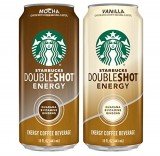
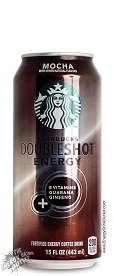
This category currently includes listings named Starbucks Doubleshot Energy in Coffee and Vanilla, alongside a Mocha and Vanilla variety pack. Those names help you begin comparing, but they are not substitutes for the information on the particular can. Formulas and packaging can differ across versions. Use the product page and current package together when deciding which drink matches your taste, dietary needs and intended quantity.
Which coffee drinks can I compare here?
The Starbucks Doubleshot Energy Vanilla single unit and the Vanilla pack of 16 are useful starting points for comparing a trial purchase with a larger order. Both titles identify a 15-ounce format, but the quantity in the title changes the purchase substantially. Always check the selected option and the quantity shown in the cart before paying.
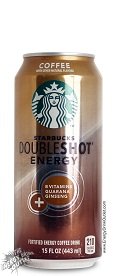
Coffee-flavor listings also appear as an individual unit and a pack of 16. A separate Mocha and Vanilla variety pack offers another comparison route. The following table summarizes wording in the listed titles, rather than guaranteeing availability or the contents of a shipment.
| Listed option | Wording to notice | Useful comparison question |
|---|---|---|
| Doubleshot Energy Vanilla single unit | Vanilla, 15 ounces, single unit | Would one can be enough to try the flavor? |
| Doubleshot Energy Vanilla pack | Vanilla, 15 ounces, pack of 16 | Will this quantity fit your storage and use? |
| Doubleshot Energy Coffee single unit | Coffee, 15 ounces, single unit | Do you prefer the coffee-named flavor option? |
| Doubleshot Energy Coffee pack | Coffee, 15 ounces, pack of 16 | Is the pack price favorable per can? |
| Mocha and Vanilla variety pack | Two named flavors, pack of 16 | Is the exact flavor allocation specified? |
How do coffee, vanilla and mocha flavors differ as shopping choices?
Flavor names describe the intended taste direction, not a complete ingredient analysis. Coffee is a sensible starting point when you want the coffee-named option in this particular range. Vanilla introduces a different flavor identity, while a mocha listing points toward a chocolate-and-coffee style. The amount of sweetness, intensity of coffee flavor and texture remain questions for the actual formula and your own preference.
If you have never tried a flavor, an individual can can be a more practical experiment than committing immediately to a full pack. For a household with different preferences, a variety pack may simplify the choice, provided its flavor split suits everyone. Do not assume a pack contains equal numbers of each flavor unless the description states that clearly. Product photographs may show representative cans without specifying the final assortment.
Is a coffee energy drink the same as ordinary brewed coffee?
The words coffee and energy appear together in the sampled titles, and both deserve attention. A prepared energy coffee can have a different ingredient list and nutrition profile from coffee brewed at home. You cannot reliably estimate its caffeine by thinking about how strong an ordinary mug tastes. Similarly, a drink that tastes creamy or sweet is not automatically low in caffeine simply because the coffee flavor is mild.
Treat the can as its own product. Read the caffeine information, serving size, ingredients and nutrition panel for that exact version. If your main goal is choosing beans, grounds or a brewing product, the broader Coffee category may be more relevant. If you are comparing prepared caffeinated beverages across different formats, the Beverages department provides a wider starting point.
How much caffeine is in a canned coffee drink?
The product title alone is not enough to give a dependable caffeine amount for every listing here. Look for a clearly stated amount on the current can or manufacturer information for the same flavor, size and formulation. When the amount is listed per serving, check whether the can contains one serving or more. Keep that unit distinction visible when comparing two drinks with different package sizes.
The FDA's caffeine guidance notes that 400 milligrams daily is an amount not generally associated with negative effects for most adults, while individual sensitivity varies. That is context, not a target or a recommendation to drink a particular number of cans. Pregnancy, medicines, health conditions and personal reactions can change what is appropriate; ask a qualified professional when those considerations apply.
What should I compare on a coffee drink label?
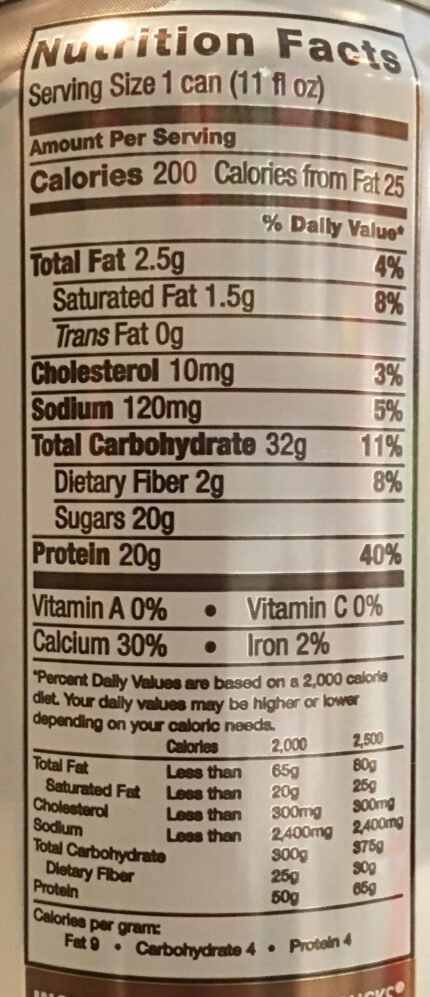
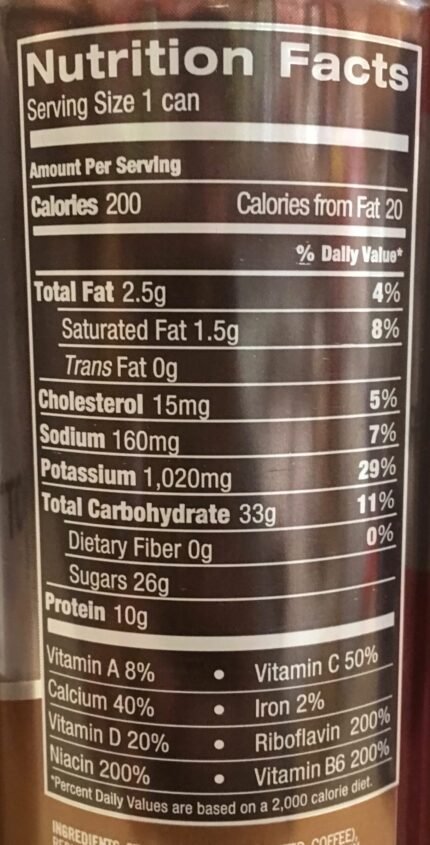
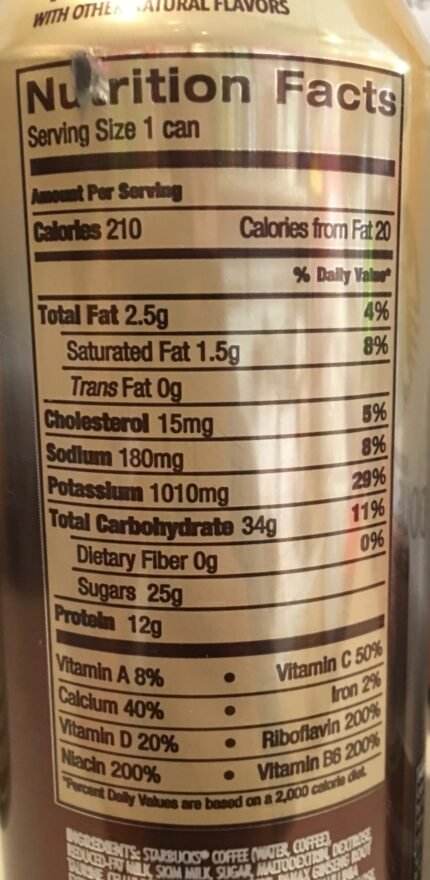
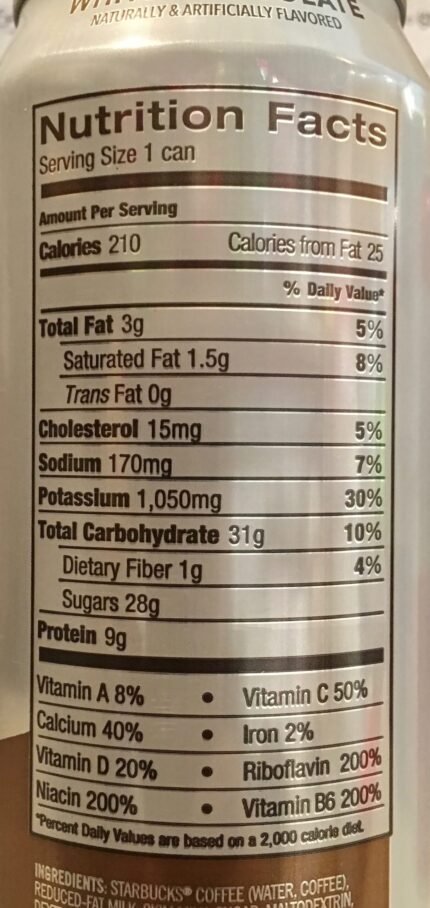
Start with the serving size because it gives context to the rest of the panel. Next compare calories, total sugars, added sugars when declared, and any nutrients important to your own shopping priorities. A flavor name, front-of-can slogan or familiar brand cannot replace this comparison. Two similarly sized cans may have different nutrition profiles, and a pack-size change does not necessarily mean the underlying formula changed.
Ingredient and allergen information deserve their own reading. Coffee drinks can include milk-derived ingredients or other components that matter to individual diets, but do not assume every item here shares the same allergens. Read each version rather than transferring information from a different flavor. If information is missing or the image is too small to read, confirm it before purchasing for someone with a dietary restriction.
| Label detail | Why it helps | What to compare fairly |
|---|---|---|
| Serving size | Sets the basis for the numbers | The same volume or the complete can |
| Caffeine information | Helps account for total daily intake | Milligrams for the amount you will drink |
| Calories | Describes energy supplied by the drink | Calories per matching serving or can |
| Sugars and added sugars | Helps distinguish nutrition profiles | Grams on the current formula's panel |
| Ingredient and allergen statements | Identifies dietary considerations | The exact flavor and package version |
| Storage instructions | Explains handling before and after opening | The instructions printed on the product |
Should I buy a single can or a pack of 16?
A single can suits a first taste test, a limited storage space or an occasional purchase. It also makes sense when you are uncertain which flavor you prefer. A larger pack can be convenient when you already know the product and expect to use the quantity. Convenience depends on your actual routine, however; unused cans do not become better value merely because the initial unit price was lower.
Before selecting a pack, check how many people will use it, how quickly it will be consumed and where it will be stored. Confirm that the listing actually refers to sixteen cans rather than a different unit arrangement. The cart quantity is separate: ordering two of a sixteen-can pack would represent two packs if the listing is set up that way. Resolve any ambiguous wording before completing the order.
How can I compare coffee drink prices without being misled?
Use the price of the exact selectable item and divide it by the confirmed number of cans. This produces a per-can comparison that is usually more informative than comparing the total price of a single unit with a larger pack. If can sizes differ, a second calculation per fluid ounce can help. Keep delivery charges, taxes and any qualifying discounts separate until the final checkout total is available.
Do not build a value comparison around an old screenshot or a price remembered from a previous visit. Prices and availability can change. Likewise, do not assume that a variety pack is cheaper or more expensive simply because it includes several flavors. Compare the current total with the confirmed contents, then decide whether you actually want all of those flavors and have a reasonable use for the quantity.
| Buying situation | Starting option | Detail to verify before ordering |
|---|---|---|
| Trying the range for the first time | A clearly identified single can | Flavor, size and current label |
| Reordering a familiar vanilla drink | The vanilla pack listing | Exact pack count and formula |
| Preferring the coffee-named flavor | Coffee single or pack listing | Selected unit and price per can |
| Sharing between different preferences | Mocha and Vanilla variety listing | Flavor allocation and total count |
| Working with limited storage | A smaller confirmed quantity | Storage instructions and available space |
What does 15 ounces tell me about the drink?
A 15-ounce designation tells you the volume named in the listing. It does not establish the caffeine amount, number of servings, sugar content or suitability for a particular person. Those require additional label details. When comparing this format with a smaller coffee beverage, consider whether you want the full volume at one time and whether the packaging instructions address handling after opening.
Volume can also affect practical decisions. A taller can may fit differently in a bag, cup holder or refrigerator shelf than a smaller container. If that matters for your routine, check the physical product details instead of relying entirely on a cropped photograph. Photographs often emphasize branding and flavor, while the useful everyday questions are about handling, portion size and how the drink fits the occasion you have in mind.
How do I choose a coffee drink for a workday or a journey?
Begin with when and where you intend to drink it. A sealed ready-to-drink format removes the need for a coffee maker at the destination, but it does not remove the need to read handling instructions. Check whether the label recommends chilling, shaking or refrigeration after opening. Do not assume that every packaged coffee can be stored the same way merely because the containers look similar.
For a workday, account for other caffeinated drinks you may already consume. For travel, check the practical requirements of your journey, including storage and any restrictions that apply to carrying liquids. Neither situation makes a higher caffeine amount automatically more useful. Taste, tolerability, volume and a clear understanding of the formula often matter more than choosing the strongest-sounding name in a product list.
Can I use these drinks as meal replacements?
A coffee drink should not be treated as a complete meal merely because it contains calories or has a creamy texture. Decide what role it plays in your eating pattern by looking at its nutrition information and your overall needs. The phrase energy in a product name does not mean complete nutrition, and a large can does not tell you whether the drink supplies a balanced meal.
If you are specifically shopping for a formulated protein shake or meal-replacement product, compare that kind of item in its own category and read its instructions. Coffee drinks are best compared here for their coffee flavor, prepared format, package quantity and label information. Keeping the intended product type clear makes browsing more efficient and prevents a flavor preference from being mistaken for a nutrition recommendation.
Why do similar product listings sometimes appear more than once?
A store may list a single unit, a larger pack and another version of a similar drink as separate products. Similar wording can also appear where an older listing and a more specific package listing coexist. The presence of several near-matching titles does not prove the products are interchangeable. Compare the selectable option, description, photographs and unit count on each page rather than deciding only from the archive thumbnail.
For example, a Vanilla listing without a quantity qualifier should not automatically be treated as equivalent to the page explicitly labeled Single unit or Pack of 16. If the page leaves quantity uncertain, ask the store to confirm the exact sellable unit. That is particularly important when calculating a price comparison, because an otherwise accurate calculation becomes misleading if the number of cans was assumed incorrectly.
How do I compare a variety pack with two separate flavors?
First establish the flavor allocation in the variety pack. A title naming Mocha and Vanilla tells you the intended flavor range, but not necessarily the number of cans of each. Next compare whether everyone using the pack wants both flavors. A mixed assortment is convenient only when the selection itself is useful; paying for unwanted flavors can reduce the practical value of an apparently economical bundle.
Then compare total units and current pricing with any separate packs you are considering. Include the amount you would actually buy, rather than an abstract price that requires a much larger order. If you already know you prefer one flavor, a single-flavor listing may make planning easier. If you are exploring preferences, smaller individual purchases may provide clearer feedback before you decide whether a larger mixed pack fits your routine.
| Comparison task | Information needed | Avoid this shortcut |
|---|---|---|
| Single flavor versus variety pack | Confirmed flavor counts and units | Assuming a fifty-fifty assortment |
| Individual can versus larger pack | Current price and confirmed count | Comparing total prices alone |
| Two different can sizes | Volume and label serving basis | Assuming the larger can has the same formula |
| Similar vanilla listings | Exact selected unit and description | Treating every title as the same item |
| Buying for another person | Their preferences and dietary needs | Guessing from the brand name alone |
How should I read nutrition information across different drinks?
Keep the basis of comparison consistent. If one panel uses a whole can and another uses a smaller serving, place both on the same basis before deciding which contains more of a nutrient. This is a simple arithmetic task, but it changes the meaning of the numbers substantially. A lower number per serving may not remain lower when the serving sizes are different.
The FDA guide to understanding the Nutrition Facts label explains how serving information relates to the rest of the panel. Use that resource for general label literacy rather than assuming it endorses a particular drink. Your shopping decision still depends on the current formula, the amount you plan to consume and any dietary guidance specific to you.
What questions help me make a more satisfying purchase?
Ask whether you want a familiar flavor or a new one, whether you prefer one can or a larger quantity, and whether the current label answers your ingredient and caffeine questions. These three checks often narrow the choice quickly. They also distinguish a taste decision from a package decision: liking vanilla does not by itself tell you whether sixteen cans is the right purchase.
Next think about your storage and use pattern. A pack intended for sharing has different practical requirements from a single drink for occasional use. If you are buying for a workplace or household, make sure the product suits the people who will use it rather than assuming everyone shares one preference. Clear information about quantity and ingredients is more valuable than broad claims about a drink fitting every lifestyle.
Frequently asked questions about coffee drinks
Are all products in this category the same Starbucks formula?
No single formula should be assumed across every flavor or listing. The sampled range includes Coffee, Vanilla and a Mocha and Vanilla variety pack, with several different quantity descriptions. Use the exact product page and current can to confirm ingredients, caffeine and nutrition. A shared brand name helps identify the family of products, but it does not replace a version-specific label comparison.
Does Doubleshot tell me the exact caffeine amount?
Do not use the product name as a caffeine calculation. Check the amount stated for the particular product and the serving basis used. Names can describe a product range without providing all of its numerical details. If the listing does not show readable caffeine information, confirm it from the current packaging or the manufacturer for that precise version before making a decision based on caffeine.
Is vanilla coffee necessarily sweeter than the coffee flavor?
The flavor name alone cannot establish that. Compare sugars and other relevant nutrition information on matching serving sizes, then consider your own taste preferences. A flavor can seem sweeter or milder without its name telling you the actual grams of sugar. Product-specific information is more useful than assuming a predictable nutrition difference between vanilla, mocha and coffee names.
Does a pack of 16 mean I should drink one every day?
Pack quantity is a sales format, not a consumption schedule. Choose how and whether to use the drink based on its label, your preferences and your individual circumstances. A larger pack does not create a need to finish it on a particular timetable beyond the actual product's storage and date instructions. Caffeine from other foods and beverages also remains relevant.
Can children use these coffee energy drinks?
These listings should not be treated as recommendations for children. Caffeinated energy-style beverages raise different considerations from an adult's occasional coffee purchase. Ask a pediatric professional about age-appropriate beverage choices, and do not infer suitability from a sweet flavor or attractive packaging. A product being sold in a general beverage category does not make it appropriate for every age group.
Should I choose a single can before buying a variety pack?
That can be practical if a comparable single flavor is available and you are unfamiliar with the taste. It lets you evaluate preference without committing to a larger quantity. The choice is about your budget, storage and familiarity, rather than a universal rule. Confirm the actual listing unit, because a product photograph showing one can may still accompany a multipack page.
What should I do if a title and image disagree about quantity?
Pause the purchase and seek confirmation of the sellable unit. Use the description, selected variation and cart details to identify the discrepancy, but do not guess based on whichever element looks most appealing. Once the quantity is clear, you can calculate the unit price meaningfully and decide whether it suits your needs. This is especially helpful for similar single-unit and pack listings.
A final checklist for comparing coffee drinks
Use the following checklist as a practical shopping tool rather than a ranking of flavors. The best fit depends on what you enjoy, what quantity you need and what the label says about the exact product. A clear comparison can be short: identify the flavor, establish the unit, check the important label details and review the final checkout total.
| Before ordering | Your check | Why it matters |
|---|---|---|
| Identify the flavor | Coffee, Vanilla, or the stated variety assortment | Keeps taste preference separate from pack size |
| Confirm the sales unit | Single can, pack of 16, or another explicit option | Prevents quantity assumptions |
| Read caffeine information | Exact version and amount you will consume | Supports an informed beverage choice |
| Review ingredients and nutrition | Current label with readable serving information | Addresses individual dietary priorities |
| Compare final value | Confirmed units, current price and checkout charges | Makes the price comparison meaningful |
| Plan handling | Follow package storage and opening instructions | Fits the purchase to your everyday routine |
Continue browsing the products above when you are ready to compare their current details. This guide provides a way to interpret the category, while each product page supplies the specific choice you will be buying. When quantity, ingredients or formula information remains unclear, resolving that question before ordering is the most useful next step.