





Compare Liposomal Supplements at Sprinkles Menu by ingredient, labeled serving and practical format. Current examples include liposomal TMG and orange mango liposomal quercetin. This guide explains how to read those product names, separate a delivery description from a health claim and choose questions that make a supplement comparison more useful.

Liposomal Quercetin – Antioxidant Support – 200mg – Orange Mango (6 Fl. Oz.)
Original price was: $34.99.$27.99Current price is: $27.99.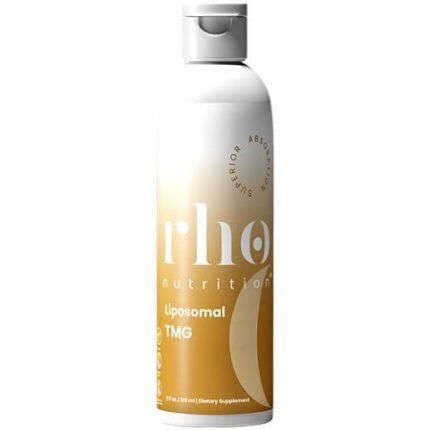

Liposomal TMG Trimethylglycine( Betaine) – 500 mg (30 Servings)
Original price was: $32.99.$26.39Current price is: $26.39.▼ Click here to read the full Liposomal Supplements guide — comparison tables and FAQs
What are liposomal supplements, and what does the category name tell you?
Liposomal describes a formulation approach, not a single nutrient. The word is commonly used for products that associate an ingredient with lipid-based structures. It does not tell you which ingredient a product contains, what its serving size is or whether it suits your needs. Those details must be established separately. Two products can both be called liposomal while differing in ingredient identity, concentration, flavor, package format and directions.
The current examples here are Liposomal TMG Trimethylglycine, Betaine, 500 mg, 30 Servings and Liposomal Quercetin, Antioxidant Support, 200mg, Orange Mango, 6 Fl. Oz.. Their titles identify different ingredients. They are not two strengths of the same supplement, and the shared delivery word does not make their intended uses interchangeable.
A good comparison starts by asking which ingredient you are actually investigating and why. Once that is clear, examine the exact formula and its current label. The category can help you find products with a common formulation description, but it cannot establish that every member has the same evidence, performance or suitability. In particular, do not turn a broad statement about a delivery technology into a guarantee about the results of an individual retail product.
| Current example | Information provided in its title | Information still needed for a purchase decision |
|---|---|---|
| Liposomal TMG Trimethylglycine | TMG, betaine, 500 mg and 30 servings are named | Exact serving directions, complete formula and current label |
| Liposomal Quercetin | Quercetin, 200mg, orange mango and 6 fluid ounces are named | Serving volume, servings per bottle and other ingredients |
| Shared liposomal description | A common formulation term is used | Product-specific explanation and relevant evidence |
| Different ingredient identities | TMG and quercetin are distinct names | Whether either ingredient addresses your actual shopping purpose |
| Different quantity descriptions | One title emphasizes servings; another bottle volume | A common unit before comparing price |
How do you separate the ingredient from the delivery format?
Imagine reading a product name in two passes. On the first pass, identify the ingredient: TMG or quercetin in these examples. On the second, identify the format description, flavor and quantity. This prevents the delivery word from becoming the whole decision. A formulation can be interesting, but it remains important to know what is being delivered and how much the label says is present per serving.
The same approach works when you compare a liposomal product with a capsule, tablet or other liquid. Keep the ingredient identity constant where possible, then examine the differences in formula and directions. A capsule count cannot be compared directly with bottle fluid ounces. A milligram amount cannot be interpreted correctly without knowing whether it refers to a serving and what that serving contains. Establish the units before deciding that one item is more concentrated or better value.
Also distinguish product convenience from product effectiveness. A flavored liquid might appeal to a shopper who prefers that format, while another shopper may prefer a capsule. That preference is a practical reason to compare formats; it is not evidence that one product will produce a better health outcome. A useful category guide keeps those questions separate so a convenient choice is not accidentally presented as a clinical conclusion.
What should you understand about the TMG listing?
The TMG product title provides both trimethylglycine and betaine as identity terms. Use the complete name when searching or comparing products, because a shortened term can be less precise than the actual listing. The title also states 500 mg and 30 servings. Confirm how the manufacturer defines the serving and whether the amount refers to that serving in the current Supplement Facts panel before making calculations.
Do not assume that this listing contains quercetin simply because both products appear in the same department. A shared formulation category does not establish a combination formula. Likewise, do not import ingredients from another product with a similar name. The current label for the exact product is the appropriate place to establish its full composition and any other ingredients used in the preparation.
If you are comparing TMG products, prepare a short side-by-side record of exact identity, amount per labeled serving, package quantity and directions. Include any unanswered questions rather than filling the gaps with guesses. That record can be useful when discussing the product with a pharmacist, dietitian or other qualified professional. It also makes it easier to recognize when a lower advertised price reflects a smaller quantity rather than an equivalent purchase.
What should you understand about the quercetin listing?
The quercetin example is described as orange mango and names a 6 fluid ounce package. That gives a practical starting point for shoppers who care about flavor and bottle size. It does not tell you the serving volume or establish the total number of servings without the label. Fluid ounces describe volume, while the milligram amount describes an ingredient quantity in a specified context. The two measures answer different questions.
The phrase antioxidant support appears in the product title. It should be read as product wording, not as a promise to prevent disease, treat symptoms or improve every person's health. If your interest is a particular medical concern, do not substitute a broad category phrase for an evidence review or an individual conversation with a qualified clinician. A supplement name is not a diagnosis or a treatment plan.
Flavor is another separate question. Orange mango tells you the named version, but it does not establish sugar content, sweetener identity, allergen status or the full ingredient list. If any of those details matter to your selection, look for explicit current information. Avoid assuming that a fruit flavor means the product contains a serving of fruit, or that a pleasant flavor makes a supplement suitable for children.
| Quercetin listing detail | Useful interpretation | Avoid this assumption |
|---|---|---|
| Orange mango | The named flavor version | A guaranteed sugar, sweetener or fruit-content profile |
| 6 fluid ounces | The stated bottle volume | A stated number of daily servings without further information |
| 200mg | A named ingredient amount to check against the panel | A complete personal use instruction |
| Antioxidant support | Wording used in the product name | A disease-prevention or treatment guarantee |
| Liposomal | A formulation description | Proof of superiority over every other preparation |
| Product photograph | A visual reference for the listing | A substitute for the complete current label |
How do you read a Supplement Facts panel for a liquid or complex formula?
Begin with serving size. Everything expressed per serving depends on that definition. For a liquid, the directions may use a volume or a provided measuring method; for other formats, they may specify a number of units. Read the exact product instructions rather than using a kitchen estimate or a serving size borrowed from another bottle. The category description cannot supply a substitute measurement when the actual label is unclear.
Next, identify each dietary ingredient and the amount listed for the defined serving. Then read the other ingredients section. A product's delivery components, flavoring ingredients or other formulation materials may matter to your preferences even though they are not the main reason you searched for the product. The FDA guide to supplement nutrition labeling explains the role of serving size and the Supplement Facts panel in presenting this information.
Finally, read the directions, cautions and storage information together. They describe how the manufacturer intends the exact formula to be handled and used. A shopper comparing two liposomal products should not assume that both have identical instructions. Flavor, bottle size and delivery wording are useful shopping details, but they do not replace the complete information panel for the version being purchased.
What evidence would support a liposomal absorption claim?
A meaningful product claim needs to identify what was tested. Ask whether the research involved the actual ingredient, the actual formulation and the relevant route of use. A study of one product cannot automatically establish the behavior of every product sharing a delivery term. Differences in composition, preparation and testing conditions can matter, so a general technology description is a starting point for questions rather than the end of the evidence review.
For technical background, research literature on liposomal delivery discusses formulation challenges for oral use. The practical shopping implication is modest: the details of a formulation matter. This guide does not claim a particular absorption percentage, a guaranteed advantage over capsules or a proven result for the two catalog examples. Such claims would require evidence specific enough to support them.
Also separate a measurement of an ingredient in the body from a demonstrated benefit that matters to a person. Those are different research questions. A higher measured level under study conditions does not by itself tell a shopper whether a supplement is needed, whether it is appropriate or whether it will change an outcome they care about. Clear evidence describes both the preparation studied and the outcome measured, with limitations stated honestly.
| Evidence question | Why it matters | What a broad marketing phrase cannot answer |
|---|---|---|
| Was the exact ingredient studied? | Different ingredients have different research histories | Whether findings transfer between TMG and quercetin |
| Was the actual formulation studied? | Shared delivery words do not define identical products | Whether every liposomal product behaves alike |
| What outcome was measured? | Absorption and personal health outcomes are distinct | Whether a laboratory measure guarantees a benefit |
| Who participated? | Research context affects interpretation | Whether findings apply to every shopper |
| What was the comparison? | A claim needs a defined alternative | Whether the product is superior to all formats |
| Were limitations disclosed? | Helps prevent exaggerated conclusions | Whether a simple percentage tells the whole story |
How do you compare liposomal supplement prices?
First make the products comparable. If you are comparing two TMG formulas, record the amount per labeled serving and the number of servings in each package. If you are comparing two quercetin formulas, do the same for quercetin. Comparing TMG with quercetin solely on price per bottle is not a useful value judgment because they are different ingredients. The cheaper bottle may simply be a different kind of purchase.
Once you know the labeled serving count, divide the current price by that number to calculate cost per labeled serving. Keep the result in context. It does not measure effectiveness, manufacturing quality or suitability. It is only a way to compare the spending required for the labeled quantity. If a product includes additional ingredients you do not want, a favorable cost calculation may still lead to a poor fit.
Do not estimate servings from bottle size alone unless the exact serving volume is known and the calculation is appropriate for the label. The quercetin title's 6 fluid ounces cannot be compared directly with the TMG title's 30 servings. A careful shopper resolves that difference before making a price ranking. This small step prevents a precise-looking calculation from being built on incompatible units.
How can you fit a supplement comparison into your existing routine?
Make a list of products you already use before considering another one. Include exact names and ingredients rather than only broad descriptions such as wellness blend. This can reveal overlapping ingredients or repeated purposes. A new format may look different while adding an ingredient already present elsewhere in the routine. The relevant question is what the new product contributes, not simply whether its packaging looks different.
Practical preferences matter too. Consider whether the labeled format is easy for you to measure, whether the named flavor is appealing and whether you can follow the storage directions. These are reasonable shopping questions. They should remain separate from claims about a product's health effects. Convenience may help you use an appropriate product as directed, but it cannot establish that the product is necessary in the first place.
If you need advice, bring the actual label rather than only the category name. A qualified professional can evaluate a specific ingredient list more usefully than a general statement that you want something liposomal. Include medicines and other supplements in that conversation when relevant. This guide cannot determine individual interactions or create a personalized serving schedule from the limited information in a product title.
| Routine consideration | Question to ask | Information to bring together |
|---|---|---|
| Existing products | Is the ingredient already included elsewhere? | Current labels for supplements already used |
| Measurement | Can the directions be followed accurately? | Exact serving definition and measuring guidance |
| Flavor preference | Is the named version practical for you? | Flavor plus the complete other ingredients list |
| Storage | Can the bottle be kept as instructed? | Current manufacturer storage directions |
| Professional review | Is individual suitability uncertain? | Full formula, medicines and relevant health history |
| Reordering | Will the exact same version be selected? | Complete name, format and package information |
How do you store and identify a liquid supplement?
Follow the current manufacturer's storage instructions for the exact formula. Do not assume that all liquids require the same conditions before or after opening. Keep the label readable and retain identifying information such as the product name, batch details and date information. Those details are useful if you need to ask a question about the bottle later or compare it with a newer version.
Use the measurement method described for the product rather than assuming that an ordinary spoon is equivalent to a specified measure. Avoid transferring a supplement to an unmarked bottle, which can separate it from directions and cautions. If the package is damaged or the product seems inconsistent with the manufacturer's description, obtain guidance about that exact item rather than relying on general advice for liquids.
Plan a purchase around realistic use, not only a larger package's apparent value. Buying more than you can manage according to the label can create waste. Equally, a smaller format is not automatically better; it may simply fit a trial of flavor or convenience more comfortably. These are practical decisions that can be made without inventing a promised benefit or treating every supplement as a necessary daily addition.
What should you check before ordering a liposomal supplement?
Review the final basket for the exact ingredient and version you intended. The similar department wording can make two different products look more alike than they are. Confirm whether you selected TMG or quercetin, then check the stated quantity and current product information. Resolve essential missing details before ordering rather than expecting the category name to answer them later.
| Final purchase check | TMG example | Quercetin example |
|---|---|---|
| Ingredient identity | Trimethylglycine and betaine wording | Quercetin wording |
| Named amount | Confirm how 500 mg relates to the serving | Confirm how 200mg relates to the serving |
| Package quantity | Confirm the 30-serving description | Confirm bottle volume and labeled serving count |
| Version details | Read the exact product panel | Confirm orange mango and other ingredients |
| Directions and storage | Use the current manufacturer's instructions | Use the current manufacturer's instructions |
| Suitability | Evaluate the complete formula | Evaluate the complete formula |
Liposomal supplements frequently asked questions
Are liposomal TMG and liposomal quercetin the same supplement?
No. The titles identify different ingredients. Liposomal is a shared formulation description, while TMG and quercetin are distinct product identities. Compare either product with relevant alternatives for that ingredient rather than treating the two bottles as interchangeable strengths of one formula. Their quantities and practical formats also need to be checked separately.
Does liposomal mean better absorption for every product?
The word alone does not establish a universal result. Any claim should be supported by evidence relevant to the ingredient and actual formulation. This category guide does not assign a superior absorption percentage to either current example. A product-specific evidence question is more useful than assuming that all products with a shared delivery term behave identically.
How many servings are in the quercetin bottle?
The title states 6 fluid ounces, which is a volume. Use the current label to establish the serving volume and stated number of servings. Do not borrow a serving size from a different brand or infer a daily schedule from the bottle size. Those details should come from the exact product's directions and information panel.
Is the orange mango product suitable for every dietary preference?
A flavor name cannot establish the full ingredient profile. Read the current other ingredients section and any explicit dietary statements. If an exclusion is essential, look for clear product-specific information or obtain clarification. The flavor wording alone does not prove the absence of sugar, sweeteners, allergens or other components.
Can I take these supplements together?
The category listing does not determine whether combining products is appropriate. Bring the exact labels and your existing products to a qualified professional when individual suitability is uncertain. Shared liposomal wording is not a reason to combine formulas, and different ingredient names do not prove that a combination has been studied or is suitable for a particular person.
Where can I compare other supplement categories?
Visit Vitamins and Supplements for the broader department. Use the specific ingredient name to narrow your search and compare the actual labels of relevant products. The most useful shortlist reflects the ingredient, format and practical details you wanted, with any unresolved questions visible before checkout.
How do I compare a liquid with a capsule fairly?
Start with the same ingredient and then compare the amount per labeled serving, the number of servings and the complete formula. A bottle volume and capsule count are different units. Convert them into a comparison that preserves the label's serving definition before judging price. After that, consider practical preferences such as measuring a liquid or using a premeasured unit. Neither convenience choice, on its own, demonstrates a better outcome. If the formulas contain different additional ingredients, record those differences rather than describing the products as equivalent.
What if a product page and a label photograph seem different?
Treat the discrepancy as an unanswered question. Product descriptions, packaging photographs and formulas can change over time, and a shopper should not decide which version applies by guessing. Ask for the current information for the item being sold. Keep a note of the exact name, package size and the detail that differs. A clear question about a specific serving amount or ingredient is easier to resolve than a general request to explain whether the product is good.
Is a longer ingredient list a sign of a better supplement?
The length of the list is not a useful quality score. Additional ingredients may serve formulation or flavor purposes, while a combination formula may include dietary ingredients beyond the one you originally wanted. The relevant question is whether the complete product is appropriate for your purpose and preferences. Compare the actual composition rather than rewarding a formula simply for having more components or assuming that a short list answers every suitability question.
What should I save after purchasing?
Retain the product name, current label and identifying package information. These records help with reordering, comparing a later version and asking questions about the item you actually received. Keep the manufacturer's directions accessible rather than relying on a remembered serving from an earlier product. A precise record is particularly useful when the same ingredient is sold in several formats or when similarly named products use different amounts and package sizes.