





Explore Blood Sugar Support at Sprinkles Menu with a closer look at berberine capsules, softgels, combination formulas and related products. This guide explains how to compare the listings, distinguish ingredient forms and prepare useful questions about suitability. Product names describe the catalog; they do not establish treatment results or replace an individual diabetes care plan.
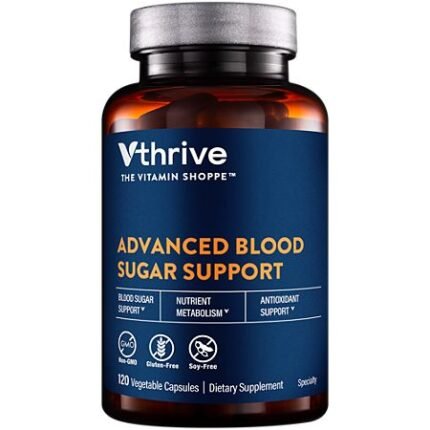
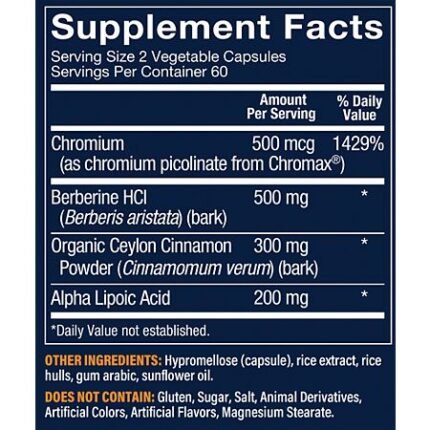
Advanced Blood Sugar Support – Antioxidant & Nutrient Metabolism – 500mg of Berberine (120 Vegetarian Capsules)
Original price was: $39.99.$31.99Current price is: $31.99.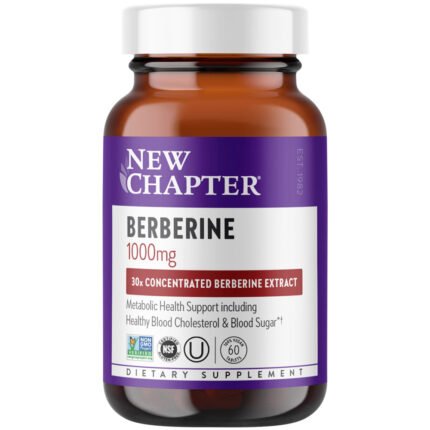

Dihydroberberine – Blood Sugar Support with Berberine & Ceylon Cinnamon (30 Capsules)
Original price was: $24.99.$19.99Current price is: $19.99.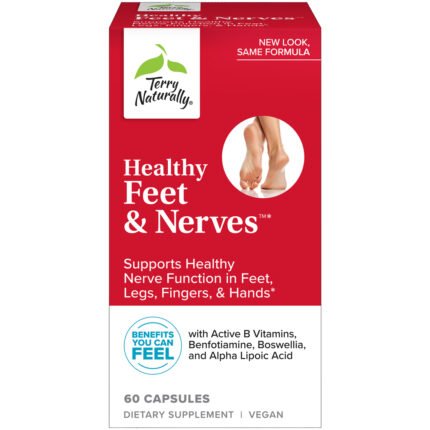

▼ Click here to read the full Blood Sugar Support guide — comparison tables and FAQs
What belongs in a blood sugar support category?
Blood sugar support is a shopping category, rather than a diagnosis or a single standardized supplement formula. Products placed here can have very different ingredients, delivery systems and intended audiences. A shopper searching for berberine supplements may therefore find straightforward capsules beside a combination product or a listing focused on nerve function. Those products should be evaluated separately. Sharing a category does not make them interchangeable, and an appealing title does not explain every detail needed to decide whether a purchase makes sense.
The examples on this page include Advanced Blood Sugar Support, several berberine products and Healthy Feet & Nerves. These names provide a useful starting point for navigation. They also show why a good comparison needs more than a large number on the front of the bottle. Ingredient identity, the basis of the stated amount, serving size, other ingredients and instructions all matter. Begin with the exact product page, and use its current label to resolve questions that the title leaves unanswered.
A practical way to browse is to separate the question of product identification from the question of personal suitability. Product identification asks which formula, form and package you are viewing. Suitability asks whether it is appropriate alongside your medicines, medical history and current care. This guide helps with the first task and with organizing the second conversation. It does not prescribe a berberine schedule, suggest changes to glucose monitoring or recommend replacing prescribed treatment with a supplement.
Which berberine products can you compare here?
| Catalog example | Format and package described in title | What to compare next |
|---|---|---|
| Advanced Blood Sugar Support | 120 vegetarian capsules; title mentions 500 mg berberine | Full combination formula and serving basis |
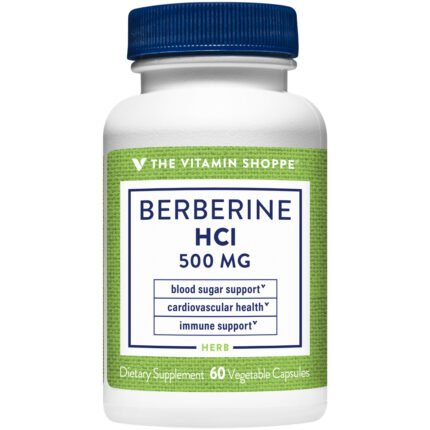
| Berberine 500 MG | 60 capsules | Ingredient form and current directions |
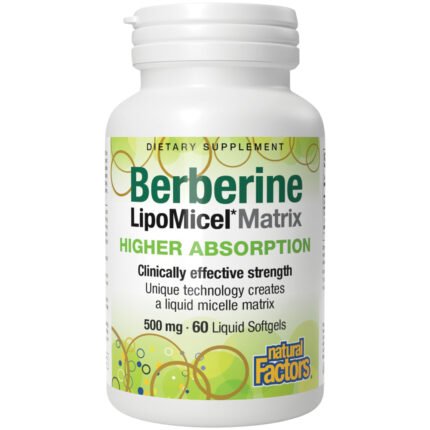
| Berberine LipoMicel Matrix | 60 softgels; title mentions 500 mg | Delivery system and documented amount |
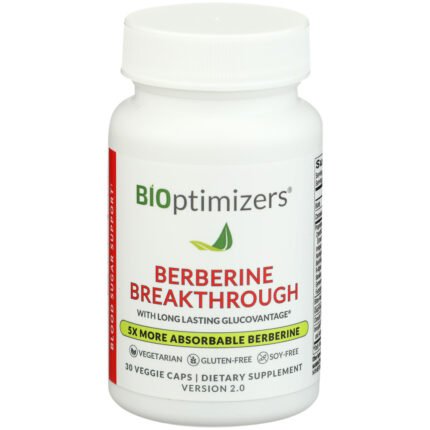
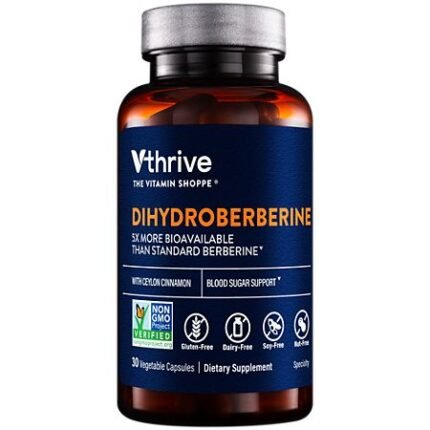
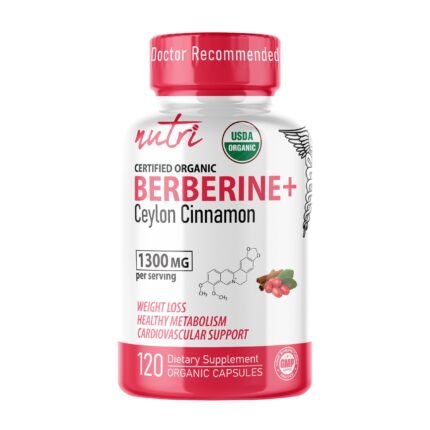
| Berberine Breakthrough with Glucovantage | 30 capsules; title mentions 100 mg dihydroberberine | Ingredient identity rather than milligram ranking |
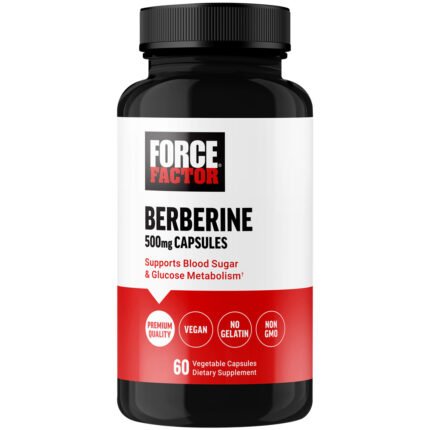
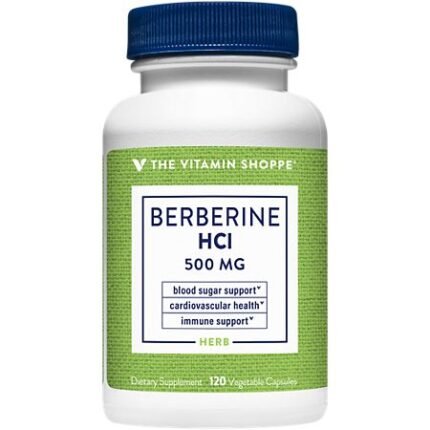
| Berberine HCl | 60 vegetarian capsules; title mentions 500 mg | Label definition of the stated amount |
| Healthy Feet & Nerves | 60 capsules | Exact ingredients and intended product context |
The Advanced Blood Sugar Support listing identifies a larger capsule package and uses language about antioxidant and nutrient metabolism support. Read that language as the manufacturer's product positioning. To compare it fairly with a simpler berberine listing, identify every active ingredient and amount in the current panel. A formula containing several ingredients needs a different review from one whose main distinguishing feature is a single named ingredient.
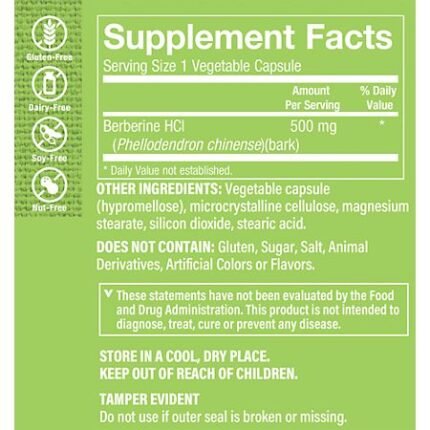
The Berberine 500 MG capsule listing and Berberine HCl vegetarian capsules have similar headline amounts and package counts. Similar titles still leave questions about ingredient sourcing, serving definitions and inactive ingredients. If a particular capsule material matters to you, inspect that information directly. The word vegetarian describes one relevant feature in the second title; it does not automatically establish every dietary, allergen or manufacturing characteristic a shopper might care about.
The LipoMicel Matrix softgel listing highlights a delivery system. That makes it a different comparison from simply checking capsule count. Ask what evidence supports the specific formulation and whether the manufacturer explains the conditions under which any absorption comparison was measured. A headline about absorption is not, by itself, evidence that this product produces better personal outcomes. Avoid converting a formulation claim into an assumed treatment advantage or an instruction to take a different amount.
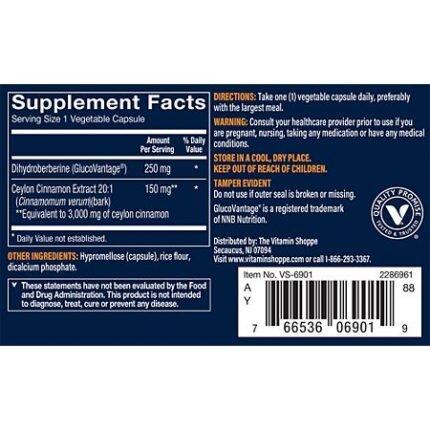
The Berberine Breakthrough with Glucovantage listing names dihydroberberine. Its 100 mg title should not be ranked below a 500 mg berberine product merely because the number is smaller. Those titles name different ingredient forms. There is no general shopping rule that permits converting them into equivalent doses from the product names alone. If you are considering a switch, bring both complete labels to a pharmacist or other qualified professional rather than treating the title numbers as a conversion chart.
How do you read amounts, servings and capsule counts?
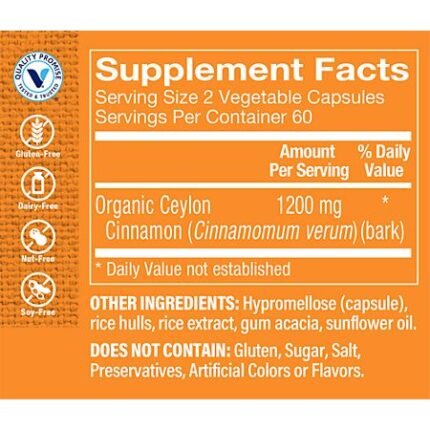
A bottle count tells you how many physical units the package contains. A serving size tells you how many units the label groups together for its nutrition information. Those are different measurements. A package with more capsules is not automatically a longer supply, because directions and serving definitions may differ. Before comparing value, establish the actual serving count and the exact amount declared per serving. Do not infer that one capsule equals one serving simply because the title lists a milligram amount.
Milligrams also need a clear ingredient reference. The relevant line may describe an ingredient compound, a plant extract or an amount within a blend. Read the entire line and any adjacent explanatory text. When a product title abbreviates that information, the label is the place to find the detail. If a panel or image is missing or unreadable, treat the unanswered question as a reason to seek clarification, rather than filling the gap with a number copied from another retailer's similar-looking bottle.
| Label item | Question to answer | Why the answer helps |
|---|---|---|
| Serving size | How many capsules or softgels make one serving? | Separates unit count from serving count |
| Named ingredient | Is this berberine HCl, dihydroberberine or a combination? | Prevents comparison of unlike forms as identical |
| Declared amount | What exactly does the milligram figure describe? | Keeps quantity tied to the correct ingredient |
| Other ingredients | What capsule materials and additional components appear? | Supports dietary preference and allergy review |
| Directions | What does the current manufacturer label actually say? | Avoids invented schedules based on a category title |
| Warnings | Are there relevant precautions or interaction instructions? | Makes the suitability discussion more complete |
Consider a hypothetical comparison where two bottles have the same purchase price but different serving sizes. Dividing price by capsule count answers the cost per capsule. It does not answer the cost per labeled serving. The second calculation requires the actual number of servings. Even then, a lower cost per serving is only one purchase consideration; it does not establish that the formulas are equivalent or that either one is appropriate for you. Keep the arithmetic separate from medical decision making.
When comparing a new label against a bottle you already own, use the complete product identity. Check the formula name, ingredient form, strength wording, package size and any version information. Manufacturers can revise products, and similar front labels can conceal meaningful differences. Keeping a photograph of the full panel can make a professional review easier. The most useful record includes the directions and other ingredients, rather than only the front-facing marketing statement or a cropped image of the headline amount.
What do blood sugar support claims actually tell you?
Terms such as support, metabolism and antioxidant are broad product descriptions. They do not tell you how a particular person will respond, how a product compares with a medicine or whether it has been tested in the exact formula being sold. A strong shopping habit is to turn each broad statement into a specific question. Which ingredient is being discussed? What outcome was studied? Were the participants relevant to the situation you are asking about? Was the finished formula actually evaluated?
NCCIH's overview of diabetes and dietary supplements discusses the limited and variable evidence around supplements in this area. It also emphasizes that supplements should not replace established diabetes treatment. That is the appropriate context for browsing this department. Research on an ingredient is a reason to ask informed questions, not a promise that every product carrying that ingredient will deliver a particular glucose result for every shopper.
Be especially cautious with social media comparisons to prescription weight management or diabetes medicines. A berberine supplement does not become a prescription medicine because a video gives it a nickname. Product identity, regulation, supporting evidence and individual monitoring all need their own consideration. The descriptions on this category page should help you identify a product accurately, without implying a medication-equivalent effect, a guaranteed laboratory change or permission to alter an existing treatment plan on your own.
How do capsules, vegetarian capsules and softgels differ as shopping formats?
Format affects the physical experience of using a product. Some shoppers prefer capsules because that is the format already used in their routine. Others are reviewing softgels or looking for a capsule explicitly described as vegetarian. These preferences can narrow a shortlist, but the format name alone does not reveal the complete formula. A softgel and a capsule may contain different other ingredients and different delivery systems. Read their panels individually instead of assuming that the outer form tells the whole story.
Capsule size and ease of swallowing are also personal considerations. Product photographs do not always provide a reliable sense of actual dimensions. If swallowing is a concern, ask for product-specific information. Do not open, crush or modify a capsule or softgel based on a general internet tip. The manufacturer or pharmacist can explain whether a particular product may be handled differently. This matters especially when a title emphasizes a specialized matrix or another feature intended to describe how the formulation is delivered.
| Shopping priority | Useful product information | Assumption to avoid |
|---|---|---|
| Vegetarian preference | Capsule description and complete other-ingredient list | Every capsule in the category is vegetarian |
| Swallowing comfort | Actual unit dimensions and manufacturer instructions | A product image shows true size |
| Simple comparison | Ingredient identity and amount per serving | All 500 mg titles describe the same formulation |
| Delivery-system interest | Specific formula evidence and label details | An absorption headline guarantees better results |
| Package planning | Count, labeled servings and expiration information | More capsules automatically means more months |
For a household where several people buy supplements, clear labeling and separate storage can prevent confusion between similarly named bottles. Do not transfer two berberine formulas into the same unmarked container. If a pill organizer is part of your routine, follow professional and product-specific advice about its use and retain the original label information. A clear record of what you actually take is more useful than relying on a family member to recognize the shape or color of a capsule.
Why is Healthy Feet & Nerves listed alongside berberine?
The Healthy Feet & Nerves product appears among these category examples, but its title focuses on a different shopping concern. Category placement should not be read as proof that it has the same ingredients or purpose as berberine. Inspect its own panel and description. A nerve-function product is not automatically a blood-glucose product, and a broad wellness category may contain items that need separate evaluation rather than a direct price comparison.
Symptoms such as persistent numbness, pain or changes in sensation deserve a clinical assessment rather than a shopping diagnosis. A product name cannot identify the cause of a symptom. If your reason for browsing is a new or worsening physical problem, discussing that problem with a professional is more useful than trying to match it to the most reassuring bottle title. The role of a category guide is to clarify the listings and questions, rather than to tell you which symptom a supplement will resolve.
This distinction also helps when searching the site. A shopper who wants to understand berberine should start with the listings that explicitly name it. Someone comparing a specific combination product should use that product's actual ingredients as the reference. Search results and category membership are convenient ways to find pages; they are not a substitute for reading the page that describes the exact item. Keeping that distinction clear reduces accidental purchases driven by a loosely related search phrase.
What should you ask before adding a blood sugar support supplement?
Prepare a short, specific list rather than asking only whether a supplement is good. Include your reason for considering it, medicines and supplements already used, any relevant medical history and the exact label of the proposed item. A pharmacist can review interactions more effectively with a complete list than with a brand name alone. Include over-the-counter medicines and products taken occasionally. A supplement that seems unrelated to blood sugar can still be relevant to the overall review.
NCCIH's berberine information notes safety concerns, including medication interactions and risks during pregnancy or breastfeeding. Do not assume a botanical ingredient is suitable because it is described as natural. If you are pregnant, breastfeeding or shopping for a child, seek appropriate professional guidance before considering these products. This page does not provide a child-use recommendation or a pregnancy-safe shortlist, and it does not establish that a product is appropriate for any particular medical condition.
| Conversation topic | Information to bring | Useful question |
|---|---|---|
| Current medicines | Full list with actual names | Could this exact formula interact with anything I use? |
| Current supplements | Labels of overlapping products | Am I duplicating ingredients unnecessarily? |
| Reason for considering it | A clear description of your goal | Is there a more appropriate way to address this concern? |
| Existing care | Relevant monitoring and treatment plan | What should remain under professional supervision? |
| Proposed product | Complete current label | Does the ingredient form change the review? |
If you already monitor glucose as part of an established plan, keep following the plan your care team provides. Do not use a supplement purchase as a reason to skip appointments, stop monitoring or change medicine without advice. If a professional agrees that a product can be considered, ask how to document its use and what information they want you to report. Clear communication is particularly useful when several products are introduced near the same time, because otherwise it becomes difficult to describe what changed.
How can you compare value without treating every formula as equivalent?
A fair value comparison starts within a reasonably similar product group. Compare the two basic capsule listings with attention to their actual labels before comparing them with a specialized delivery system or dihydroberberine product. A price difference can reflect package count, formula composition, manufacturing choices or marketing. It does not establish a predictable difference in personal benefit. A lower-priced item that does not match your requirements is not necessarily better value, and an expensive one is not automatically more suitable.
For a practical shortlist, write down three nonmedical preferences first: preferred physical format, package size you can reasonably store and any ingredient restrictions you need to verify. Then add the professional suitability questions separately. This approach avoids becoming distracted by every marketing phrase. It also makes it easier to explain a decision: you selected a product because its identity and format matched a reviewed need, rather than because its name sounded stronger than the alternatives.
Think about what you can verify before ordering. Can you read the panel? Does the title match the selected option? Is the item a single bottle or part of a larger offer? Are current price and availability clear on the product page? Category text cannot guarantee stock, discounts or delivery timing. Use the checkout information for order-specific terms. If an important detail is missing, ask about that detail directly instead of assuming that a different product's description applies.
Frequently asked questions about blood sugar support products
Is berberine HCl the same listing as dihydroberberine?
No. The examples here use different ingredient names, and they should remain distinct during comparison. A smaller milligram number on a dihydroberberine title does not establish inferiority, equivalence or a substitution ratio. Read the exact formulation and seek advice if considering a change. Do not copy directions from one product to another merely because both appear in the same department or are discussed in the same online article.
Does 120 capsules mean 120 days of use?
Not necessarily. The package count describes capsules, while the relevant duration depends on the actual label and any professional guidance. A serving can contain more than one unit, and directions may vary. Compare servings only after reading the panel. This category guide intentionally avoids converting package counts into a personal schedule, because a title alone is insufficient for that calculation and cannot determine what is appropriate for you.
Are higher-absorption claims enough to choose a softgel?
They are a reason to examine the formulation information, rather than a complete purchasing answer. Ask what was compared, how the claim was measured and whether the evidence concerns the finished product. Consider the rest of the label and your individual review as well. An absorption comparison does not automatically demonstrate a better clinical outcome, and it should not be used to invent a lower or higher personal amount.
Can I replace diabetes medicine with a supplement from this category?
Do not replace prescribed treatment with a supplement on the basis of a product page. Discuss any proposed change with the clinician responsible for your care. The category name is a navigation label and does not authorize treatment changes. If you are concerned about your current medicine, bring that concern to your care team so it can be addressed directly, rather than attempting an unmonitored substitution based on advertising.
Does a nerve-support product lower blood sugar?
The appearance of Healthy Feet & Nerves in this category does not establish that effect. Its ingredients and intended context need their own review. A product's placement on the site is not evidence of a clinical result. If you are browsing because of pain or sensory changes, seek assessment of the underlying concern rather than treating a similarly worded supplement title as a diagnosis or as proof of the right solution.
What is the simplest way to organize a comparison?
Use a small worksheet with one row per exact product. Record the full name, ingredient form, labeled amount, serving size, unit count and unanswered questions. Add links to the current pages so that the same version can be reviewed later. This keeps a practical shopping decision grounded in identifiable information and gives a pharmacist or clinician something concrete to evaluate when discussing whether a supplement belongs in your routine.
| Final comparison step | What to record | When to pause |
|---|---|---|
| Identify the product | Exact formula and selected package | Similar names leave the version uncertain |
| Read the panel | Serving size and named ingredients | The label cannot be read clearly |
| Compare like information | Amount per labeled serving and format | A conversion between ingredient forms is assumed |
| Review suitability | Medicines, conditions and professional advice | You would need to alter treatment to use it |
| Confirm the order | Current product page and checkout details | Quantity or product identity is unresolved |
For broader browsing, visit Vitamins & Supplements and return to this category when you want to compare these particular formulas. Keep the complete product label at the center of the decision. A clear understanding of the item, realistic expectations and a well-prepared suitability conversation are more useful than chasing the largest milligram figure or the most dramatic marketing phrase.
How can a comparison stay useful after the first purchase?
A good product record should make a future comparison easier, even if you decide not to buy anything now. Save the exact formula name and the reason it attracted your attention. For example, you might have been comparing vegetarian capsules, a softgel format or a product containing a different named ingredient. Those are concrete distinctions that remain understandable later. A note saying simply that something was stronger or better is less useful because it does not identify what was actually compared.
If you already own a product, keep the purchase information alongside the label rather than relying on memory. Record which package size you received and whether it matches the page you reviewed. Any question about a damaged seal, a mismatched item or a label difference should be addressed through the appropriate order support channel before use. Do not assume that an unfamiliar bottle is an updated version merely because the main ingredient sounds similar. The objective is to identify the item reliably, not to infer its acceptability from its general appearance.
For people researching on behalf of a relative, the most helpful contribution is often a clear, neutral shortlist. Provide the product pages and factual differences without promising that a supplement will solve the person's concern. Ask the person what practical issue matters: difficulty swallowing, uncertainty about overlapping ingredients or confusion between formulas. That conversation can reveal whether the real task is finding a particular format or obtaining professional advice about a health question. It also avoids turning a well-intended purchase into pressure to use an unsuitable product.
A comparison can end with deciding to wait. If you cannot establish the exact ingredient form, do not have a readable panel or need an interaction review, postponing the order is a reasonable outcome. The category remains available when the missing information has been clarified. Shopping carefully is not measured by how quickly a bottle reaches the cart. It is measured by whether the decision rests on information you can explain, verify and discuss with the people responsible for your care.