





Browse Groceries & Pantry for packaged food and bottled-water choices, with a practical guide to portions, pack sizes, pantry planning and everyday use. The reviewed examples include Pan’s Mushroom Jerky and Core Hydration water in single-bottle and multipack listings. Compare the exact item, ingredients and quantity on each product page before placing an order.

▼ Click here to read the full Groceries & Pantry guide — comparison tables and FAQs
What belongs in the Groceries & Pantry category?
Groceries & Pantry is the part of the store where everyday packaged food and drink can be considered together. It is useful when your shopping task is broader than choosing one beverage or one snack: perhaps you are planning a desk drawer, a small trip, a shared kitchen or a few convenient items to keep alongside regular meals. The category name is broad, but this guide stays close to the products actually reviewed rather than presenting a fictional supermarket assortment.
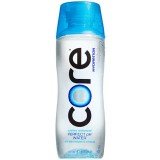
The reviewed examples are Pan's Mushroom Jerky, Original, Core Hydration 16.9 fl. oz single bottle and Core Hydration 16.9 fl. oz pack of eight. These examples establish the guide's scope: a mushroom-based packaged snack and bottled water in different purchase quantities. They do not establish that every pantry staple, flavor or food format is available here.
A good pantry purchase serves an actual occasion. A single bottle may fit a one-off need, while a multipack may suit several planned occasions. A snack can be convenient between activities without being treated as a complete meal. Thinking about the occasion first makes it easier to choose the right amount, avoid accumulating items you will not use and keep food preferences separate from assumptions about what a broad grocery category should contain.
How are the reviewed groceries different from one another?
The most immediate difference is the role each item plays. Mushroom jerky is a packaged snack; bottled water is a beverage. Their labels answer different questions. For the snack, ingredients, allergens, serving size and Nutrition Facts matter to the food comparison. For water, bottle volume, pack quantity, packaging information and any stated ingredients matter to the purchase. One cannot stand in for the other simply because both are convenient to carry.
| Reviewed example | Shopping role | Main quantity question |
|---|---|---|
| Pan's Mushroom Jerky, Original | Packaged snack | Does the order contain one unit or a four-pack? |
| Core Hydration single bottle | Individual bottled water | Is one 16.9 fl. oz bottle the selected item? |
| Core Hydration pack of eight | Multipack bottled water | Is the selected listing the eight-bottle pack? |
| Broader grocery category | Department browsing | Which exact product fulfills the planned occasion? |
There is an important ambiguity in the mushroom jerky title: it includes both “Pack of 4” and “Single unit.” Those phrases should not be silently reconciled by assuming which one controls the order. The product page or store should clarify the delivered unit before purchase. The 2.2-ounce wording identifies the displayed package-size wording, but it does not resolve whether the order contains one package or four. This guide deliberately leaves that question open rather than inventing a delivered quantity.
The water examples are easier to distinguish because one title explicitly identifies a single unit and the other a pack of eight. Even so, choose the actual listing that matches the intended purchase rather than relying on a shared product photograph. Two pages can use similar bottle imagery while representing different order quantities. That distinction affects price comparison, carrying weight, storage space and the number of occasions covered by the purchase.
What is mushroom jerky, and how should you compare this snack?
Mushroom jerky names a style of packaged snack built around mushrooms rather than identifying a meat product. The reviewed listing specifies Original flavor. The title alone does not establish every ingredient, allergen, certification or nutrient amount, so use the current package information for those details. A shopper looking for a particular dietary pattern should check the full formula instead of concluding that every mushroom-based snack meets every restriction associated with that pattern.
Texture and flavor preferences are relevant shopping considerations, but they are personal. The word jerky suggests a snack style, not a guarantee that it will taste or chew exactly like a familiar meat jerky. If you have not tried the item before, avoid treating an unresolved four-pack title as a reason to buy more than you intended. Clarifying the order quantity is especially useful when you are testing a new snack rather than replenishing a known favorite.
For a snack comparison, separate flavor from nutrition. Original flavor is a variety identifier. It does not tell you the amount of sodium, added sugars, protein or fiber. Those values must come from the Nutrition Facts panel. Similarly, the presence of mushrooms in a product name does not make the finished snack nutritionally identical to fresh mushrooms. Processing, seasoning and the rest of the recipe affect the finished food, so compare the packaged item on its own label.
Is mushroom jerky a meal replacement?
The reviewed title identifies a snack, and this guide does not classify it as a complete meal replacement. You can plan it as one component of an eating occasion without assigning it a role the listing does not establish. If you are putting together a packed lunch, think about the whole meal rather than expecting one small snack package to cover every requirement. Personal needs, appetite and any dietary advice should guide that larger plan.
A practical approach is to decide whether the snack is for a brief break, part of a lunch or something to share. Then check the labeled serving size and the amount in the package. This prevents two opposite mistakes: assuming a package is automatically one serving, or assuming it contains enough for several people without reading the label. The appropriate amount for the occasion is a planning decision; the package count is simply the information needed to make it.
How do you read Nutrition Facts when comparing pantry snacks?
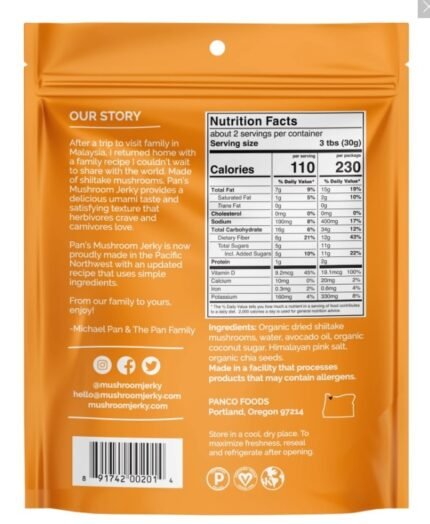
Start with serving size and servings per container. Nutrient numbers must be interpreted on the basis printed on the panel. The FDA guide to serving size explains that the amounts shown generally relate to the labeled serving, so eating more than that serving changes the amount consumed. A bag and a serving are not automatically the same unit. This is a useful distinction when a package looks small enough to finish at once.
After identifying the serving, read the nutrients relevant to your own comparison. Someone comparing sodium should keep the serving basis consistent; someone checking an ingredient restriction needs the ingredients and allergen information as well as the nutrient panel. No nutrient values for the mushroom jerky are invented here. The current label is the appropriate source for the actual numbers, and an unreadable photograph should prompt clarification rather than a guess based on a similar product.
| Panel detail | Question it answers | Common comparison mistake |
|---|---|---|
| Serving size | What quantity do the numbers describe? | Treating the entire bag as one serving automatically |
| Servings per container | How many labeled servings are supplied? | Confusing servings with separate packages |
| Sodium and sugars | What amounts are stated for that serving? | Comparing unequal portions without noticing |
| Ingredients | What is used in the recipe? | Inferring the complete recipe from the product name |
| Allergen information | What relevant declarations are present? | Assuming a plant ingredient removes every concern |
You do not need to turn grocery shopping into a spreadsheet for every purchase. A consistent reading order is often enough: serving, nutrients, ingredients, quantity. That order is especially helpful when comparing two products with different package sizes. It keeps a larger package from appearing more or less favorable simply because the panel uses a different serving unit. If you do calculate a comparison, write the unit beside the number so the result remains understandable later.
What is the difference between single bottled water and a multipack?
The water itself may be described similarly across the reviewed listings, but the purchasing unit is different. The single-bottle title identifies a 16.9 fl. oz unit. The multipack title identifies eight bottles with that displayed individual volume. This distinction is about how the item is sold; it does not imply a separate health effect for the pack. Choose the quantity that matches your actual plan and confirm the selected item before checkout.
Single bottles can be a straightforward choice for an immediate or limited need. Multipacks require more storage and carrying space but can reduce the number of separate purchases when several bottles are already planned. Neither is universally the better choice. A small household with limited space may value a smaller purchase, while a shared setting with a clear plan for several bottles may prefer a pack. The useful comparison is the one that fits your circumstances.
The phrase “Perfect 7.4 pH” appears in the reviewed Core Hydration titles. This guide treats it as product wording rather than proof of a special health outcome. A pH number does not establish that bottled water treats a condition, detoxifies the body or is medically preferable to other drinking water. Likewise, the words electrolytes and minerals do not make a bottle equivalent to every sports drink, oral rehydration product or supplement. Those are different product comparisons with different information requirements.
How can you compare price per bottle and price per volume?
Use current prices from the actual product pages. For the multipack, divide the pack price by eight to calculate price per bottle if the selected item is confirmed as eight bottles. Compare that result with the single-bottle price on the same basis. Because the reviewed titles show the same 16.9 fl. oz individual volume, a per-bottle comparison can be useful here. Do not assume a multipack is cheaper without doing the calculation.
Price per fluid ounce can be useful when comparing different bottle sizes elsewhere in the store. Divide the item price by the confirmed total fluid ounces supplied. For the reviewed eight-bottle listing, the title's arithmetic is eight times 16.9, or 135.2 fl. oz in total. That is a package-volume calculation based on the title, not a measurement of a received order or a statement about current stock. Confirm quantity and size on the selected product before using it.
| Purchase comparison | Method | What to confirm first |
|---|---|---|
| Single water bottle | Read current price for the single item | Selected quantity and 16.9 fl. oz wording |
| Eight-bottle water pack | Divide current pack price by eight | Actual pack selection |
| Total water volume | Multiply bottles by individual volume | Both numbers describe the selected item |
| Snack package value | Divide price by confirmed delivered packages | Resolve four-pack versus single-unit title |
| Complete order value | Review item prices and checkout charges | Applicable total shown before ordering |
For the mushroom jerky, avoid calculating a per-package bargain until the order quantity is resolved. Dividing by four when the order actually contains one unit would produce a misleading result. A clear delivered quantity matters more than an attractive calculation built on an assumption. Keep price comparisons provisional until the product information supports the units you are using.
How do you plan a small pantry without overbuying?
Begin with the places where the groceries will be used. A desk drawer, kitchen cupboard, day bag and shared break area have different space and access constraints. Choose products that fit the actual setting and follow their printed storage directions. This guide does not claim that every reviewed product can be stored in every temperature or that an opened package remains suitable indefinitely. The manufacturer's instructions on the received package should guide storage and handling.
Think in occasions rather than large purchase totals. If you need a snack for one afternoon and a bottle for one outing, that is a different task from planning several days of shared supplies. A multipack can be sensible when its contents have a clear use, but it can be inconvenient when storage is tight or preferences are uncertain. The purpose of a pantry is to make everyday choices easier, not to accumulate the largest possible quantity of every item.
Keep food and drink preferences visible when shopping for more than one person. One person may enjoy mushroom jerky while another needs a different snack, and the same package may not suit everyone's ingredient restrictions. Ask about relevant needs before treating a shared supply as universally suitable. Retaining the original packaging allows each person to review ingredients and serving information rather than relying on someone else's summary of the product.
What should you pack for work, travel or a short outing?
Plan around the length of the outing, available meals and opportunities to refill or purchase drinks. A snack can be convenient when a break falls between meals, while a bottle can be useful where carrying a drink fits the setting. The reviewed products are examples for that planning process, not a prescribed food-and-water kit for every person. Conditions, activity and personal requirements differ, so this guide does not assign a universal number of bottles or snack packages.
Pack items in a way that protects their containers and keeps the label available. Check lids and seals before placing a bottle beside documents or electronics. Follow the food package's handling instructions after opening, and do not assume an opened snack can be carried without attention to its directions. Where venue or transport rules matter, check those rules separately; this page does not promise that a particular container or food is permitted in every location.
For longer trips, a few packaged items may complement a broader plan but should not be mistaken for the plan itself. Consider meals, access to drinking water, food restrictions and storage conditions. It is easier to make a useful grocery purchase when you know what problem it solves. Buying a multipack simply because the category suggests pantry stocking can leave you carrying more than the occasion requires.
| Occasion | Useful planning question | Product information to check |
|---|---|---|
| Desk snack | Will this fit the intended break? | Serving information and ingredients |
| Packed lunch | What role does the snack play in the whole meal? | Package amount and personal requirements |
| Short outing | Is a single bottle enough for the specific plan? | Bottle volume and available alternatives |
| Shared supplies | Who will use the items and what do they avoid? | Ingredients, labels and pack quantity |
| Multipack storage | Is there space for the planned purchase? | Number of bottles and package dimensions if available |
How should you inspect groceries when the order arrives?
Compare the received items with the order record. For water, check whether you ordered the single-bottle or eight-pack listing. For mushroom jerky, compare the delivered quantity with the clarification obtained before purchase. Keep the original listing and any store response available so a discrepancy can be described precisely. A clear record is more useful than trying to remember whether a mixed title said pack, unit or both.
Inspect the package and read any date and storage information printed on it. This guide does not reproduce a universal shelf life or claim a particular date format for these products. If packaging appears damaged or product details do not match the order, contact the store with the relevant information. Avoid inventing a handling rule based on a different food or assuming that a familiar brand always uses the same instructions across every package.
Once products are stored, keep newer purchases distinguishable from items already on hand. A simple arrangement with earlier purchases visible can make everyday use easier and reduce forgotten packages. Retain labels until the food is finished, especially when others may use the supply. This is a practical organization step rather than a claim about the exact shelf life of any reviewed item.
Frequently asked questions about Groceries & Pantry
Does this category contain a complete grocery range?
This guide describes the reviewed mushroom jerky and Core Hydration examples. It does not imply that fresh foods, cooking staples or every pantry category are stocked. Use the current product grid to see the available listings and open an item for its details. A broad department title helps browsing but should not be treated as a promise about the size of the assortment.
Is Pan's Mushroom Jerky sold as one bag or four bags?
The reviewed title contains both “Pack of 4” and “Single unit,” so the delivered quantity needs clarification. Do not assume one phrase overrides the other. Confirm the exact order unit on the product page or with the store before placing the order, then use that confirmed quantity for any price comparison. The guide does not resolve the ambiguity by inventing an answer.
Are the two water listings different bottle sizes?
Both reviewed titles display 16.9 fl. oz for the individual bottle. Their clear difference is the purchase quantity: one listing says single unit and the other says pack of eight. Confirm that the selected product matches your intended order. Similar photographs should not replace checking the actual title, selected quantity and checkout record.
Does 7.4 pH make the water a medical product?
No medical role is established by that phrase in this guide. It is part of the product wording and should not be interpreted as proof of treatment, detoxification or a special health result. If your drinking-water choices are affected by a medical condition or specific professional advice, follow that advice and ask questions about the exact product rather than relying on a pH marketing phrase.
Can I compare the snack with fresh mushrooms?
You can compare foods for your own shopping needs, but a finished packaged snack should be assessed using its own ingredients and Nutrition Facts. Its name does not make it nutritionally identical to the fresh ingredient. Seasoning, recipe and serving size matter. Use the actual packaged-food information rather than transferring values or assumptions from a different food format.
Where can I browse the snack and water subcategories?
The Snacks & Packaged Foods category can help focus snack browsing, while the individual water links above distinguish the single-bottle and multipack items. If a category link changes or you prefer a broader view, return to the Groceries & Pantry product grid and open the precise listing. The product page should settle item-level questions before checkout.
A useful grocery order starts with a clear occasion
Choose the item for a real need, confirm its ingredients and delivered quantity, compare the price on a consistent basis and check the final order. That approach works whether the purchase is one bottle, a multipack or a snack you have not tried before. It keeps pantry shopping practical and makes the broad category more useful without assuming a larger assortment than the reviewed products establish.
| Final check | Water purchase | Mushroom jerky purchase |
|---|---|---|
| Exact item | Single bottle or pack of eight | Original flavor listing |
| Quantity clarity | Confirm the selected pack wording | Resolve mixed pack and unit wording |
| Personal fit | Consider the intended occasion | Read ingredients and serving information |
| Storage plan | Follow the received package | Follow the received package |
| Order record | Retain selected item and quantity | Retain quantity clarification |
A small, well-chosen order can be more useful than a larger order assembled from assumptions. Use the current listings for price and availability, keep unresolved questions visible, and let the food or drink serve the occasion you actually have in mind. The result is a pantry that is easier to use and a purchase that is easier to understand when it arrives.