




Blog
How do I compare magnesium glycinate, citrate and oxide labels?

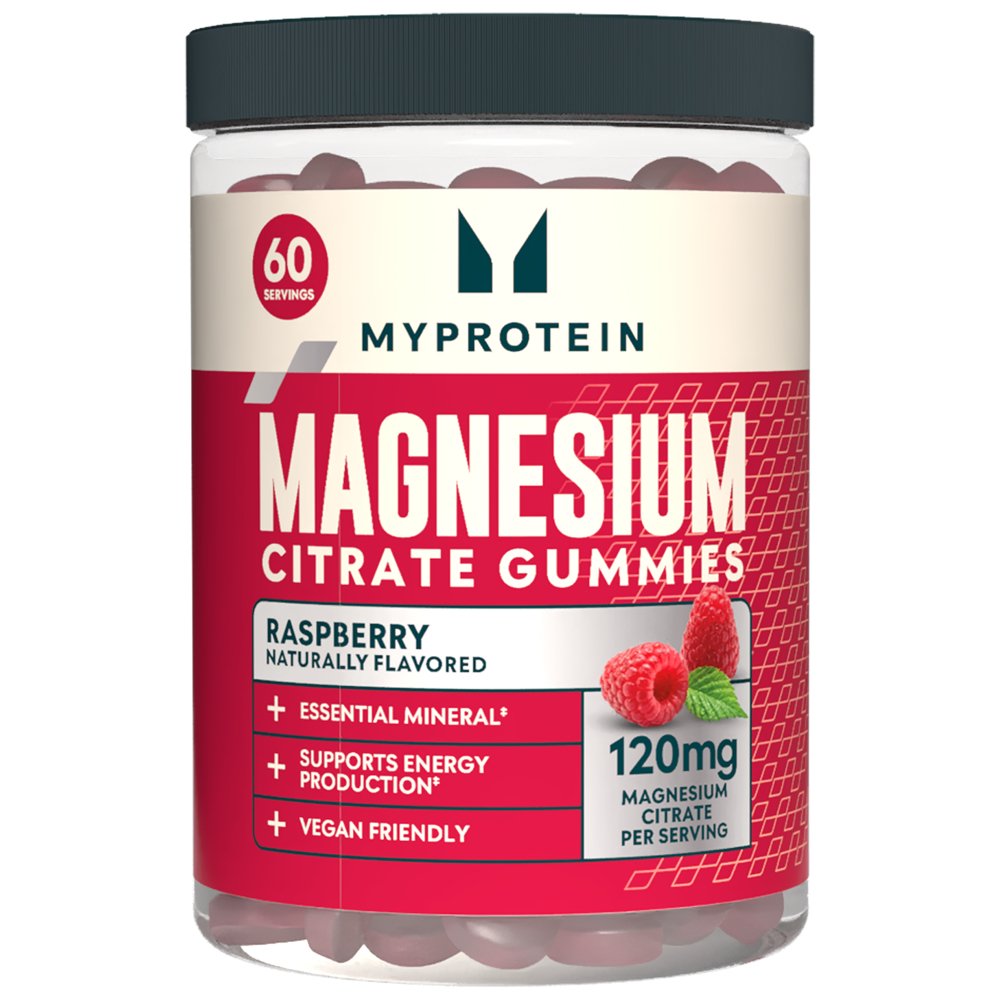
Compare magnesium glycinate, citrate, and oxide labels by the disclosed elemental magnesium amount, the stated source or sources, the serving size, and the complete formula. Keep the weight of a magnesium-containing compound separate from the magnesium amount shown on the Supplement Facts panel. A front-label form name is useful identification, but it is only one part of the purchase comparison.
This guide explains a practical way to review magnesium products. It covers form names, elemental quantities, mixed formulas, capsules, gummies, powders, price calculations, and questions to ask when disclosure is unclear. It does not prescribe a personal magnesium amount or choose a treatment for a health concern.
Start with the form wording on the exact label
Copy the full magnesium ingredient description rather than relying only on the product title. Look for glycinate, citrate, oxide, or other sources named on the panel. A product can use more than one source, and the front description may emphasize only selected aspects of the formula.
Keep the ingredient form separate from the physical format. Glycinate describes a source form, while capsule, gummy, tablet, or powder describes how the finished product is supplied. Both fields matter, and neither should replace the other in your notes.
Record the full product identity, including brand, line, flavor where relevant, package size, and selected version. Similar names can describe different amounts or combinations. Match the panel to the selected item before comparing numbers.
What does elemental magnesium mean for label reading?
The NIH Office of Dietary Supplements’ magnesium fact sheet explains that the Supplement Facts panel declares elemental magnesium rather than the weight of the entire magnesium-containing compound. This distinction is central when a product description shows several different mass figures.
Read the magnesium row and its amount on the stated serving basis. Keep source wording in a separate field. Do not replace the declared magnesium amount with a larger compound weight from a title or promotional paragraph simply because the larger number looks more substantial.
If the listing makes it unclear which amount is being described, request a readable current panel. Avoid estimating elemental content from a form name alone. A shopper should compare quantities actually disclosed for the finished formula rather than inventing a conversion based on incomplete information.
| Comparison field | What to record | Why it matters |
|---|---|---|
| Elemental magnesium | Declared magnesium amount and unit | Establishes the nutrient quantity being compared |
| Source form | Complete glycinate, citrate, oxide, or mixed-source wording | Identifies how the ingredient is described |
| Serving size | Pieces or measured portion | Defines the amount’s basis |
| Format | Capsule, tablet, gummy, or powder | Clarifies handling and preparation |
| Additional ingredients | Full formula and other ingredient statements | Identifies differences beyond magnesium |
| Package quantity | Physical contents and labeled servings | Supports a reliable price comparison |
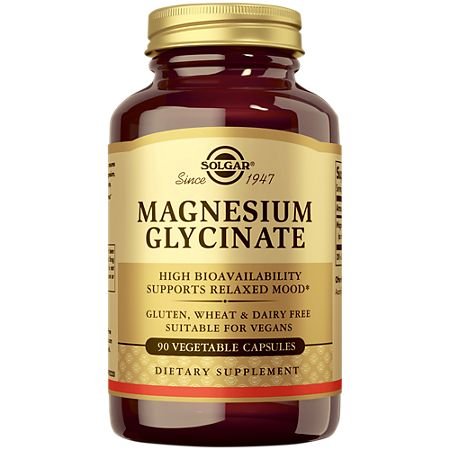
How should I compare glycinate wording?
Read the entire ingredient description, including any additional source or blend wording. Do not assume that a product title mentioning glycinate establishes a single-source formula or a separately disclosed amount from each source. Preserve what is actually stated and mark any missing information.
For a capsule or tablet product, record physical count and labeled serving size separately. The panel amount may describe several pieces rather than one. A large front number should remain attached to the portion basis shown on the exact label.
If a product makes a particular claim about its form, ask which evidence supports that precise statement when it affects your decision. A technical name or prominent adjective is not a complete comparison of every product in the category. Keep the specification and the claim evidence in separate fields.
How should I compare citrate products?
Check the source description and physical format independently. A citrate product may be supplied in a different format from a glycinate product you are considering. Compare the exact serving basis and additional ingredients rather than treating the source name as a complete formula.
For a gummy, read the serving count and full ingredient statement for the selected flavor. For a powder or liquid, read the measured portion and preparation directions. A flavor name, scoop, or physical piece count does not establish the same magnesium quantity across products.
Keep any subjective taste or texture comments separate from label specifications. Reviews can help identify questions to investigate, but the amount, unit, and serving basis should come from the exact current panel or confirmed product information.
What should I check when oxide is listed?
Record oxide as part of the complete source description and use the declared elemental magnesium amount for quantity comparisons. If oxide appears with other sources, preserve the mixed-source wording instead of reducing the formula to whichever form appears in the title.
The NIH fact sheet discusses differences in absorption among forms, including findings from small studies comparing citrate and other forms with oxide. That background does not establish a universal ranking of every finished product or determine what is suitable for an individual.
A useful purchase comparison can identify the form and available evidence while avoiding a broad claim that one label guarantees a particular result. If your decision concerns personal tolerance, a health condition, or medicines, use the full formula information when seeking qualified advice.
What if several magnesium sources are combined?
Read whether the panel lists a total magnesium amount from multiple sources and whether individual source contributions are disclosed. If the separate shares are unavailable, keep them marked undisclosed. A total does not justify dividing the amount equally among the listed forms.
Do not infer proportions from the number of source names or their placement in a short retailer summary. Use the actual label and manufacturer information. If a particular source contribution matters to you, ask whether the manufacturer provides that quantity for the exact formula.
Additional nutrients and other ingredients also belong in the record. A multi-ingredient product may be a different purchase from a simpler magnesium formula even when their elemental magnesium amounts match. Compare the full contents before treating them as alternatives.
How does serving size affect the comparison?
Read the serving line before copying the magnesium amount. A per-serving number belongs to the full stated portion. For a capsule formula, that may involve several capsules; for a powder, it may involve a particular measured mass or supplied measure.
Keep the amount, unit, and serving basis together. If you calculate an arithmetic average per physical piece, retain the original label value and explain the calculation. It does not measure an individual capsule or establish new directions for use.
Do not change preparation instructions to make a product appear cheaper or equivalent. The comparison should accurately describe the label. A personal decision about supplement use is a separate question from the arithmetic used to understand a package.
What does a fair price comparison include?
Start with the selected package price and confirmed labeled serving count. Divide price by servings to calculate a basic serving-cost metric. This describes each product’s own labeled portion and does not automatically establish equal elemental magnesium quantities.
Where both products disclose elemental magnesium clearly, a quantity-based cost calculation can answer an additional narrow question. Keep the inputs and units visible and preserve differences in sources and other ingredients. Arithmetic should clarify pricing rather than become a personal amount recommendation.
The following figures are hypothetical shopping examples. They are not live offers, product specifications, or suggested supplement portions. They illustrate why initial bottle price and cost per labeled serving should be recorded separately.
| Hypothetical product | Item price | Labeled servings | Cost per labeled serving |
|---|---|---|---|
| Capsule A | $18 | 60 | $0.30 |
| Gummy B | $15 | 30 | $0.50 |
| Powder C | $24 | 60 | $0.40 |
| Capsule A with $6 allocated delivery | $24 total | 60 | $0.40 |
Include applicable order charges consistently. Record coupon, subscription, and multi-buy conditions where relevant. A first-order reduction is a different purchasing arrangement from an unconditional one-time price, and a bundle calculation requires confirmed included sizes and quantities.
How should package size and convenience be weighed?
Consider the setting in which the format would be handled or prepared. A powder can involve measuring and mixing, while a capsule or gummy uses its own stated portion. Compare the actual directions and equipment rather than assuming that every format has the same practical requirements.
A larger package may lower unit cost while increasing the initial commitment. If the exact formula or flavor is unfamiliar, compare the smaller option as a budgeting choice. Keep that preference separate from claims about ingredient quality or effects.
Read the product’s storage instructions and investigate available date information for the offered stock if it affects a larger purchase. A date visible in an old image does not establish the date on a future order. Preserve uncertainty rather than borrowing information from another package.
What questions resolve an unclear label?
Ask for the precise missing detail with the selected product link, flavor, and size. That might be the declared elemental amount, complete source wording, individual contributions in a blend, or the matching current panel. Specific questions are easier to resolve than a general request for the best magnesium.
If the title and panel show different quantities, describe the conflict and ask which applies to the offered item. Do not combine a larger amount from one source with a lower price from another version. Keep all comparison inputs attached to one confirmed product.
| Missing detail | Useful question | Limit until clarified |
|---|---|---|
| Elemental amount | What magnesium quantity is declared on the panel? | Reliable nutrient comparison is unavailable |
| Mixed sources | Are individual source contributions disclosed? | Separate proportions remain unknown |
| Serving basis | Which portion does the amount describe? | Per-serving comparison is uncertain |
| Product version | Which current panel matches this option? | Formula identity needs confirmation |
| Package count | How many labeled servings are supplied? | Serving-cost arithmetic needs confirmation |
Save the answer with the date and product identity. Recheck the selected option before checkout. When the order arrives, compare the actual source wording, panel, physical count, and package condition with your order and contact the seller about a specific mismatch.
Review your shortlist before checkout
Reduce the shortlist to the products whose essential details are confirmed. Read each row across the comparison table and check whether a number has lost its unit or portion basis. Then read each product column from top to bottom to confirm that every entry belongs to the same version. This catches a common record-keeping problem: individually plausible facts that actually describe different packages.
Frequently asked questions about magnesium forms
Should I compare compound weight or declared magnesium?
Use the declared elemental magnesium amount on the Supplement Facts panel for a nutrient-quantity comparison. Keep compound or source wording in a separate field and ask for clarification when a listing does not distinguish the figures clearly.
Does a glycinate title establish a single-source formula?
Read the complete ingredient description. A title can emphasize one feature while the panel supplies more detail. Preserve any mixed-source wording and avoid assigning undisclosed proportions to individual forms.
Are a gummy and capsule equivalent if their front numbers match?
Check the serving basis, elemental amount, complete formula, and other ingredients. Matching one printed number does not establish identical contents or personal suitability across formats.
Can I divide a blended total equally among the sources?
Only disclosed information should support the comparison. A combined amount does not establish equal contributions from each named source. Record the individual amounts as undisclosed when that is the information available.
Does the lowest serving price settle the decision?
It answers a pricing question after the relevant inputs are confirmed. Sources, elemental quantities, additional ingredients, preparation, and package commitment still need their own review.
What should I retain in my comparison notes?
Keep the exact product, source wording, elemental amount and unit, serving basis, full formula, labeled servings, price conditions, source link, and unanswered questions together. This makes the decision easier to check without turning a retail worksheet into personal medical advice.