




Blog
What should I record when comparing B-complex products?

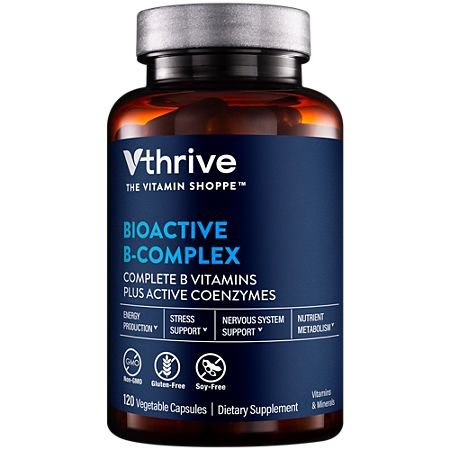
When comparing B-complex products, record the exact formula, labeled serving size, each disclosed B vitamin, its amount and unit, and any additional ingredients. Keep package count and price in separate fields. A number in a product name, such as part of a formula’s title, should not be treated as a complete specification for every nutrient inside.
This guide provides a practical record-keeping method for vitamin B products. It explains what to copy from a label, how to avoid mixing units, how to compare package costs, and which questions to ask when information is unclear. The worksheet organizes a purchase comparison rather than determining individual nutrient needs.
Record the exact product identity first
Begin with brand, complete product name, format, selected package size, and formula version where identified. Related products can share similar names while differing in nutrient quantities or other ingredients. Keep every label image attached to the specific item it describes.
Check the product title against the front photograph and panel. If one source appears to describe a different size or version, request clarification. A comparison becomes unreliable when quantities from one formula are combined with the price or count of another.
Save the source link and date checked. This is useful when revisiting the purchase later or comparing several sellers. A remembered label from an earlier order may not describe the selected current item, so retain a record that can be checked against the delivered package.
Create one row for each B vitamin
The MedlinePlus B vitamins reference identifies the B vitamin group. Use the names as a reading checklist while copying the exact wording and quantities from the selected product. The checklist below identifies nutrients to look for; it does not assert that every product includes the same amounts or formula.
| Nutrient identification | Common name to recognize | What to copy from the product |
|---|---|---|
| B1 | Thiamin or thiamine | Stated amount, unit, and form wording |
| B2 | Riboflavin | Stated amount, unit, and form wording |
| B3 | Niacin | Stated amount, unit, and form wording |
| B5 | Pantothenic acid | Stated amount, unit, and form wording |
| B6 | Vitamin B6 | Stated amount, unit, and form wording |
| B7 | Biotin | Stated amount, unit, and form wording |
| B9 | Folate | Full quantity wording and any equivalents shown |
| B12 | Vitamin B12 | Stated amount, unit, and form wording |
Copy what the label actually discloses rather than filling every row from expectation. If a nutrient is not listed on the panel you reviewed, record that observation accurately. An incomplete or cropped image should prompt a request for the full panel before concluding that the information is absent.
A separate row for each nutrient makes it easier to compare two products without creating an artificial combined strength score. Different nutrients and units are not interchangeable points. Keep the details visible rather than adding all printed numbers together.
Attach the serving basis to every quantity
Read the serving-size line before copying nutrient amounts. A per-serving figure belongs to the full stated portion, which may contain more than one capsule or tablet. It should not be relabeled as a per-piece amount simply because the package is counted in physical pieces.
Record the physical count and labeled servings separately. A larger bottle count can still represent the same or fewer labeled portions if the stated serving differs. This distinction matters both for nutrient comparison and for calculating cost per labeled serving.
If you calculate a per-piece arithmetic average, keep the original per-serving value and explain the calculation. It does not measure an individual piece or establish directions for personal use. A shopping worksheet should describe the supplied information accurately.
Preserve units and equivalent expressions
Write the unit beside every original number. Milligrams and micrograms differ, and a larger numeral can represent a smaller mass when the unit changes. One milligram equals one thousand micrograms, but a mass conversion should be used only when it answers a clear comparison question.
Some nutrient labels include additional expressions or equivalents. Copy the complete wording rather than deleting the part you do not recognize. If a specific comparison depends on interpreting that expression, use an authoritative nutrient reference or seek qualified clarification instead of guessing.
Keep percentage Daily Value in a separate field where shown. The percentage and amount describe different aspects of the panel. Neither should automatically become a personalized requirement or a score in which the largest printed number wins.
What should I do with ingredient-form wording?
Copy the exact form described for each nutrient when the label supplies it. This lets you identify a real difference between formulas without assuming that a technical-sounding name proves an advantage. Keep the wording available for a more specific evidence question if it matters to the decision.
Product descriptions may emphasize selected forms or use terms associated with the formula’s positioning. Match those statements to the actual ingredient panel. A front phrase can highlight one feature while leaving the quantities and other components to be checked separately.
If two products use different descriptions, note the difference rather than forcing them into an unsupported equivalence. A useful comparison can say that the forms differ and identify the relevant details without claiming a personal benefit that has not been established.
Record additional ingredients independently
Check the complete formula beyond the B vitamin rows. A product can include other nutrients, botanicals, or blends. These additions can make it a different purchasing option from a simpler formula, even when selected B vitamin quantities look similar.
Where a blend provides only a total, preserve that limitation. Do not divide it equally among the ingredients or assign the entire amount to whichever ingredient interests you most. If an individual amount is essential to your comparison, ask what is disclosed for the exact formula.
Review other ingredients and any relevant dietary statements. Capsule materials, coatings, or other components may matter to your requirements. A claim about a particular nutrient source should not automatically be extended to the whole finished product without checking its scope.
Keep personal suitability questions separate
A label comparison can identify disclosed quantities and overlaps, but it cannot determine an individual’s needs from product names alone. If a question involves medicines, health conditions, or several supplements, keep the complete labels available when seeking qualified advice.
For a practical record, list the exact other products relevant to that discussion. Different marketing names can still involve overlapping nutrients. Clear ingredient and serving information makes the discussion more useful than a list of broad purposes such as energy or wellness.
Avoid treating a package comparison as permission to combine products or change directions. The purpose of the worksheet is to organize accurate information. Personal decisions require the relevant context beyond the retail specification.
How should price be recorded?
Keep the selected package price, currency, labeled serving count, and purchasing conditions together. Divide the price by confirmed labeled servings for a basic cost metric. Retain the original bottle price so that the initial outlay remains visible alongside the unit cost.
The following invented figures demonstrate package arithmetic. They are not live prices, actual product specifications, or suggested supplement portions. They show how different bottle sizes can produce different cost-per-serving results.
| Hypothetical package | Price | Confirmed labeled servings | Cost per labeled serving |
|---|---|---|---|
| A | $15 | 30 | $0.50 |
| B | $24 | 60 | $0.40 |
| C | $36 | 120 | $0.30 |
| B with $6 allocated delivery | $30 total | 60 | $0.50 |
A lower serving price does not establish equivalent nutrient quantities or forms. Compare those separately. A larger package may reduce unit cost while increasing the amount committed upfront, so consider the actual formula and your purchasing plans before choosing by size.
Include delivery and applicable checkout charges consistently. If a price requires a subscription, coupon, or multi-buy order, record the conditions. A promotional first price should not be treated as the permanent cost of a recurring arrangement.

What makes a comparison easy to check later?
Use a consistent worksheet with original values, calculated values, sources, and unresolved questions. A compact comparison of two or three candidates is often easier to verify than a long ranking with many missing inputs. Prioritize the information that actually affects your choice.
Keep the original label values even when you convert a unit or calculate a cost. Write the calculation beside the result. If a surprising difference appears, you can trace it back to a copied unit, serving size, or package count rather than trying to reconstruct the reasoning from memory.
Add a note explaining why the selected product meets your purchasing requirements. That might concern a clearly identified formula, suitable format, complete disclosure, or manageable package size. A clear reason is more useful than calling one product the strongest without defining the comparison.
Resolve conflicts with specific questions
Identify the exact missing fact: a readable panel, formula version, nutrient unit, serving size, disclosed blend component, or relevant dietary statement. Include the selected product link and package size when contacting the seller or manufacturer.
If two sources disagree, describe the conflict rather than asking generally whether the brand is good. Ask which information applies to the offered item. Until clarified, keep the relevant field unconfirmed instead of selecting the more appealing figure.
| Unclear point | Useful request | Why it improves the record |
|---|---|---|
| Cropped nutrient panel | Complete current label | Establishes the actual disclosed list |
| Different serving counts | Confirmation for selected size | Supports reliable price arithmetic |
| Unfamiliar quantity expression | Explanation of the exact label wording | Preserves the correct comparison basis |
| Blend total only | Any individually disclosed component amounts | Identifies limits on a specific comparison |
| Conflicting formula versions | Matching label for offered stock | Keeps all inputs attached to one product |
Save the response with the date checked. Revisit it if you change the selected option. Before checkout, confirm the actual version, size, quantity, and payable total. After delivery, compare the received label and package with the information that supported the purchase.
Review storage and package commitment
Read the storage directions supplied for the exact formula and format. Ask about date information for the offered stock if it affects a larger purchase. An old customer photograph cannot establish the date on a future order, and a larger physical count should be evaluated alongside the initial expense.
If the format or formula is unfamiliar, compare a smaller initial package with the larger option. Keep that budget preference separate from the calculated serving price. Both figures can be useful when the tradeoff is stated clearly.
Frequently asked questions about B-complex comparisons
Does a number in a formula name describe every B vitamin?
Do not use a product-name number as a complete nutrient specification. Read the individual rows on the exact panel. Amounts, units, and forms should be recorded separately for each disclosed nutrient.
Can I add all nutrient amounts into one strength score?
That would hide important differences between nutrients and units. Use separate rows and compare the specific fields relevant to your question. A combined total does not establish suitability or a meaningful formula ranking.
Should I copy only the percentage Daily Value?
Keep the disclosed amount and unit as well as the percentage where provided. Preserving both fields makes the comparison easier to check and avoids replacing the underlying quantity with a single percentage figure.
What if a nutrient is missing from a photograph?
Check whether the image is complete and readable. Request the current full panel when necessary. Record what is actually disclosed rather than filling the gap from another product or a remembered formula.
Is the largest bottle always the best value?
Compare confirmed labeled servings and actual order costs first, then consider formula, format, initial expense, and available storage information. A lower unit price is one field in the decision rather than a complete assessment.
What should I verify when the order arrives?
Check the exact product identity, format, physical count, label information, package condition, and order details. Keep the information needed to raise a precise discrepancy with the seller if the delivered item differs from the listing you reviewed.