




Blog
How much elemental magnesium is listed per serving?

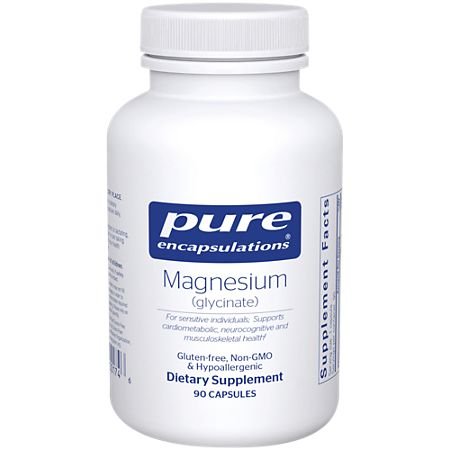
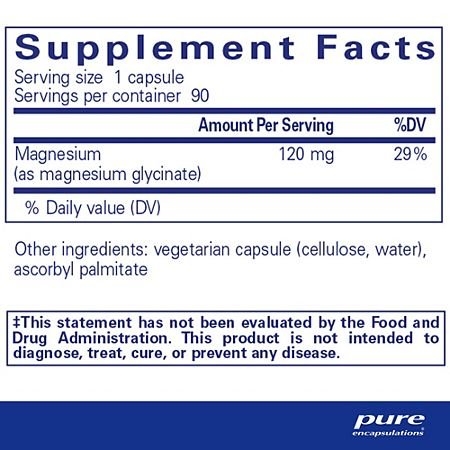
To find the elemental magnesium listed per serving, read the magnesium row on the Supplement Facts panel together with the serving-size line. Record the amount, its unit, and the full stated portion. Keep any larger magnesium-compound weight or source description separate so that the comparison uses the nutrient quantity actually declared.
This guide explains how to interpret quantities in magnesium products. It includes worked arithmetic, mixed-source examples, package calculations, and questions to resolve unclear listings. The examples are hypothetical label-reading exercises, not specifications for the pictured products or instructions about personal supplement use.
Where is the elemental amount identified?
Start with the complete Supplement Facts panel. The NIH Office of Dietary Supplements explains that the panel declares elemental magnesium rather than the weight of the entire magnesium-containing compound. This helps distinguish the nutrient amount from another mass figure that may appear in a description.
Find the row labeled magnesium and read the associated amount. Then read the source wording and serving basis. A nutrient quantity, an ingredient-source description, and a physical capsule count are different fields. Keeping them separate prevents an attractive front number from replacing the actual comparison basis.
If the retailer image is cropped or unreadable, request a full current panel. The missing unit or serving line is essential information. Guessing from the size of a printed number or from another product’s label can create a substantial error.
Why can two different mass figures appear?
A product description may discuss a magnesium-containing ingredient while the panel declares magnesium. Those figures can describe different things. Read the wording attached to each number rather than assuming that both represent the same nutrient quantity.
For a hypothetical example, imagine a description that mentions 900 mg of a source ingredient while the panel declares 90 mg of magnesium per labeled serving. The comparison record should preserve those as separately described quantities. The example does not assert the composition of any particular magnesium form.
Do not choose the larger number as a measure of nutrient content merely because it looks more substantial. Likewise, do not invent a source-to-elemental conversion from a name alone. Use the actual disclosed amount for the exact finished formula and seek clarification when the wording remains ambiguous.
| Hypothetical statement | What it describes in this exercise | How to record it |
|---|---|---|
| Source ingredient: 900 mg | Stated ingredient mass | Separate source-quantity field |
| Magnesium: 90 mg per serving | Declared nutrient amount | Elemental magnesium comparison field |
| Serving: several pieces as stated | Portion used by the panel | Serving-basis field |
| Bottle: physical count as stated | Total pieces in the package | Package-quantity field |
These invented statements are a reading exercise only. They are not a chemical specification, an actual product panel, or a suggested portion. Their purpose is to show why every number needs its own label, unit, and basis before calculations begin.
How do I preserve the serving basis?
Read how many capsules, tablets, gummies, or what measured portion make up the labeled serving. A per-serving amount belongs to that full portion. It should not be copied into a per-piece column without a separate, clearly explained calculation.
For a powder, keep the measured mass or other stated portion alongside the magnesium amount. For a liquid, preserve the stated volume or measure. The total package size does not establish the nutrient quantity in a particular portion without the relevant label information.
If the panel shows several columns, read every column heading before selecting a number. A value from one column should not be paired with the portion described by another. Request a complete image when the headings are cropped out.
Can I calculate an average per capsule?
If the label clearly discloses magnesium per serving and the number of capsules in that serving, division can produce an arithmetic average per capsule. Keep the original values visible and identify the result as calculated from the disclosed basis.
For example, an invented panel declaring 180 mg of magnesium for a serving of three pieces yields an arithmetic average of 60 mg per piece. This example explains division; it is not an instruction to use one piece, three pieces, or a different amount from the directions.
That calculation does not measure an individual capsule, reveal manufacturing variation, or disclose separate shares in a mixed-source formula. It simply expresses the declared total on another arithmetic basis. Preserve those limits when using it in a purchase comparison.
What if magnesium comes from several sources?
Copy the complete source wording and the total declared magnesium amount. If the formula names several sources but does not disclose individual contributions, mark those contributions as undisclosed. A combined total is not evidence that the sources contribute equal amounts.
Suppose a hypothetical panel declares 150 mg of magnesium from two named sources without separate shares. You can record the total on its stated serving basis. You cannot reliably assign 75 mg to each source merely because two sources are listed.
If a particular source’s contribution matters to your question, ask the manufacturer whether it is disclosed for the exact formula. An answer repeating the combined total may leave the individual-share question unresolved. Keep that distinction visible rather than supplying a guessed proportion.
How should I handle units and decimal points?
Keep mg, g, or any other unit attached to the original value. One gram equals one thousand milligrams. A conversion changes the unit expression of the same quantity; it does not change a compound weight into elemental magnesium or disclose a hidden ingredient amount.
For instance, converting a hypothetical 120 mg magnesium declaration to 0.12 g preserves its meaning and serving basis. Converting a source-ingredient mass to grams also preserves that source-ingredient meaning. The unit conversion does not erase the distinction between the two fields.
Check decimal placement and copied numbers before comparing prices. A small image can make a unit or decimal difficult to read. When uncertainty remains, request a clearer panel instead of presenting a precise-looking calculation based on an uncertain input.
What package calculations are useful?
Keep the physical count, labeled serving size, and labeled servings per container together. Where the information is clear, dividing physical count by pieces per serving can check consistency. If the result conflicts with the stated serving count, investigate rather than choosing the preferred figure.
You can also calculate the total declared magnesium represented by a package when the labeled servings and per-serving amount are confirmed. Label the result as arithmetic from the disclosed information. It is a purchase metric, not a recommendation about using the package in a particular way.
The following examples are invented. They illustrate how serving information affects package arithmetic and do not describe the photographed product or establish recommended quantities.
| Hypothetical package | Labeled servings | Declared magnesium per labeled serving | Calculated package total |
|---|---|---|---|
| A | 30 | 100 mg | 3,000 mg |
| B | 60 | 100 mg | 6,000 mg |
| C | 30 | 150 mg | 4,500 mg |
Keep source forms and additional ingredients beside these figures when comparing products. A larger calculated package total does not establish a better formula, a suitable personal amount, or equivalent contents across different products.
How can I compare cost without losing context?
Calculate cost per labeled serving using the confirmed package price and serving count. If you investigate cost per declared quantity of magnesium, show the exact inputs and units. Preserve differences in source wording, formula, and physical format rather than presenting the arithmetic as a complete ranking.
The next table uses hypothetical prices and serving counts. It demonstrates item-only serving cost and the effect of an allocated delivery charge. These are budgeting examples, not current store offers.
| Hypothetical package | Price | Labeled servings | Cost per labeled serving |
|---|---|---|---|
| A | $12 | 30 | $0.40 |
| B | $18 | 60 | $0.30 |
| C | $15 | 30 | $0.50 |
| B with $6 allocated delivery | $24 total | 60 | $0.40 |
Use the same currency and purchasing conditions for each option. Record subscription, coupon, and multi-buy requirements. A low introductory price should not be treated as the permanent cost of a recurring arrangement, and a bundle needs confirmed included products before its servings are totaled.
What should I ask when the listing is ambiguous?
Ask for the declared magnesium amount on a readable current panel for the selected product. Include the product link, package size, and the conflicting numbers if there are any. A specific question about the panel is easier to resolve than asking generally how strong the product is.
If a description gives a compound mass, ask how that statement relates to the declared magnesium row. If a mixed-source formula leaves proportions undisclosed, ask whether the individual contributions are available. Keep unresolved information marked unknown rather than assuming an answer.
When the title and image show different versions, ask which one applies to the offered stock. Avoid combining the largest amount from one version with the lowest price from another. Every comparison row should describe one confirmed product.
How should I review a finished comparison?
Read across each field to compare like information: elemental amount with elemental amount, physical count with physical count, and labeled servings with labeled servings. Then read down each product’s column to check that all entries belong to the same version.
Retain the original values beside conversions and calculations. This makes errors easier to locate and lets you revise the comparison if new information arrives. A short table with clear limits is more useful than a complete-looking table built from guesses.
Before checkout, confirm the selected option and payable total. After delivery, compare the product identity, source wording, panel, count, and package condition with your order. Raise a precise discrepancy with the seller when something differs.
Keep the evidence attached to the worksheet
Save the label source and date checked alongside the numerical record. If you receive clarification from a seller or manufacturer, keep the exact product identity with the answer. This helps distinguish a current response about one formula from an older explanation about another package.
For a larger order, review the actual storage directions and ask about available date information where it affects your purchase. Package arithmetic can describe a quantity accurately while leaving practical questions unresolved. A lower unit price is useful only after the product and package meet your essential requirements. Keep those requirements visible instead of allowing the largest calculated total to decide the entire purchase.
Frequently asked questions about elemental magnesium
Which number should I use for the nutrient comparison?
Use the declared magnesium amount on the Supplement Facts panel and preserve its serving basis. Keep source-ingredient mass and physical package counts in separate fields so their different meanings remain clear.
Can I estimate elemental magnesium from a form name?
Use the amount disclosed for the exact finished formula rather than inventing a conversion from incomplete information. Request clarification when the panel is unavailable or the listing does not distinguish nutrient and compound quantities clearly.
Does a combined total reveal each source’s share?
No separate share should be assumed without disclosure. Record the total and complete source wording, then mark individual contributions as undisclosed if that is the information available.
Does converting milligrams to grams change what is measured?
It changes the unit expression while preserving the original meaning and serving basis. A compound quantity remains a compound quantity, and a declared magnesium quantity remains the declared magnesium quantity.
Is the largest package total automatically preferable?
A larger total is a purchasing quantity, not a complete assessment of formula or suitability. Compare the exact sources, additional ingredients, format, price conditions, initial expense, and your relevant requirements separately.
What is the most useful comparison habit?
Keep every amount attached to its name, unit, and portion basis. Preserve the original label values and mark missing information clearly. This prevents many errors involving compound weight, mixed-source totals, per-piece averages, and package arithmetic.