




Blog
How do I compare protein powders with ready-to-drink shakes?

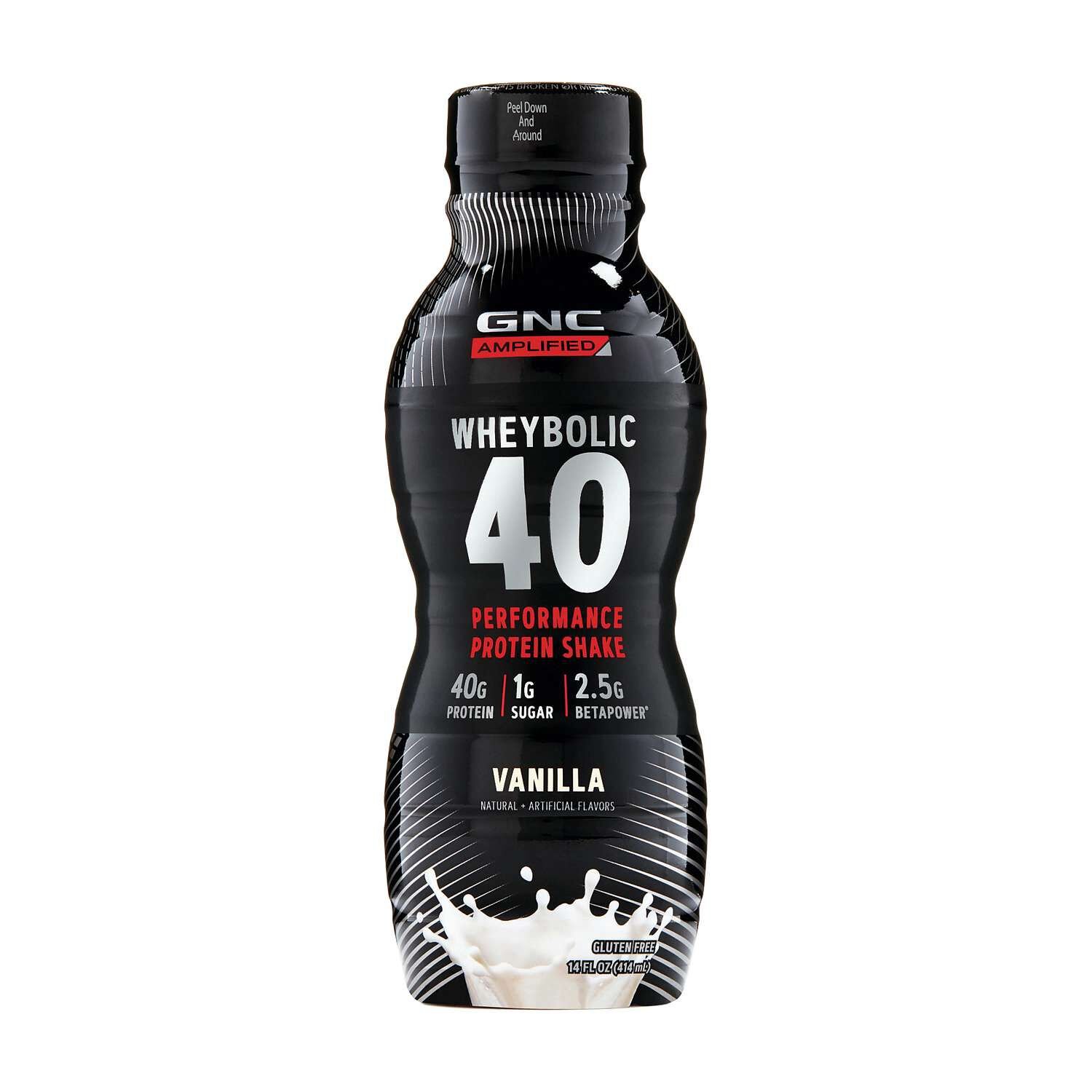
Compare protein powder with ready-to-drink shakes by looking at the portion you will actually prepare or open, the ingredients in that portion, its total cost, and the work involved. Powder offers a format you measure and mix. A ready-to-drink product supplies a packaged drink. Neither format automatically wins every comparison, and a bottle is not necessarily equivalent to one serving of a particular powder.
A useful decision begins with your routine. Are you choosing a drink to carry to work, a powder for a home shaker, or an ingredient for a recipe? This guide shows how to compare those purchases with clear tables and worked examples, without assuming that different products have identical formulas, storage requirements, or personal benefits.
What is the basic difference between the formats?
A powder requires preparation with a suitable liquid according to its directions. You need a way to measure the product and mix it, and your final drink includes whatever else you add. Its package generally contains several measured portions, so understanding serving size is part of understanding the purchase.
A ready-to-drink shake comes in a drink container, such as a bottle or carton. You still need to read its serving information and directions; convenience does not remove those checks. Do not assume that every container equals one labeled serving or that every case contains the same number of containers.
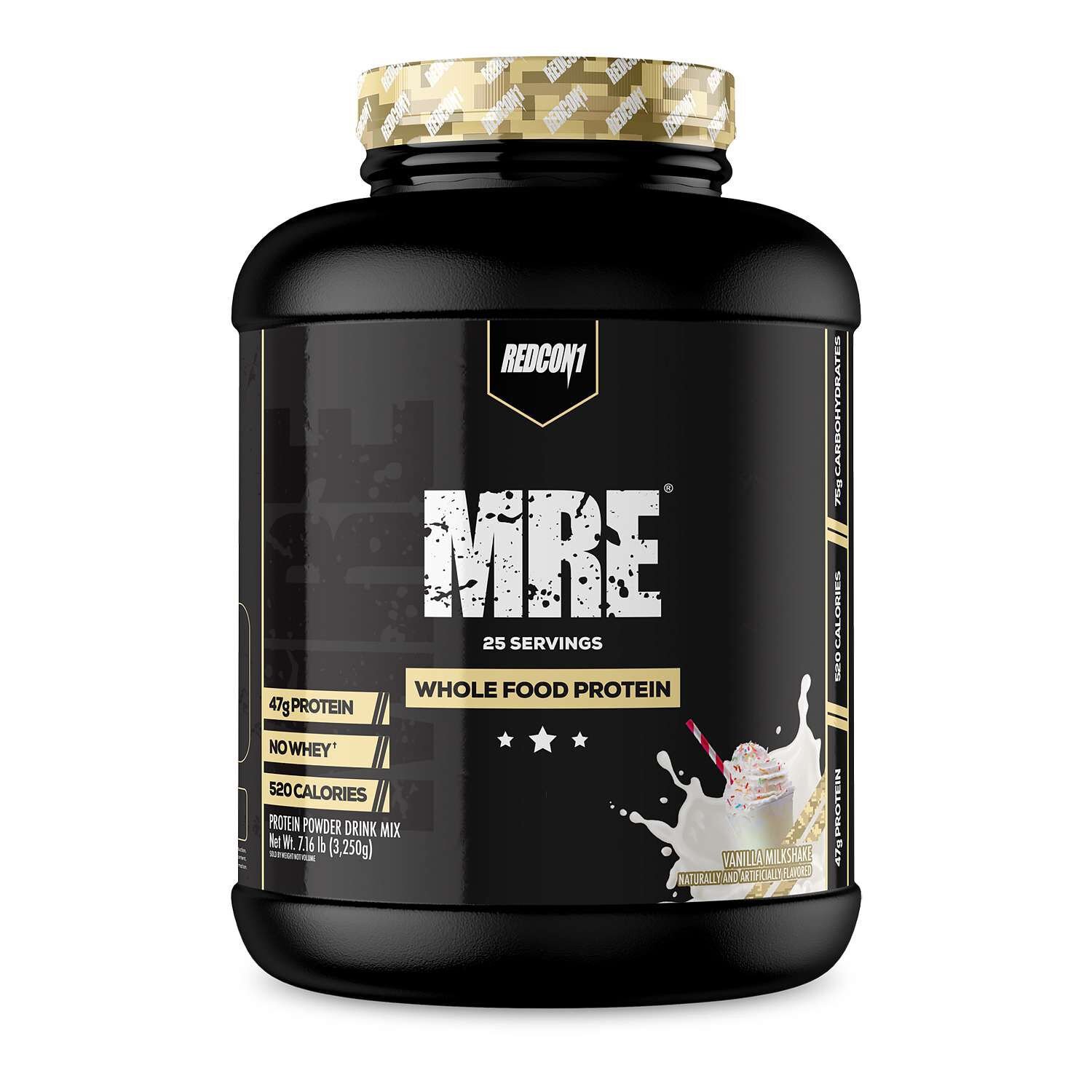
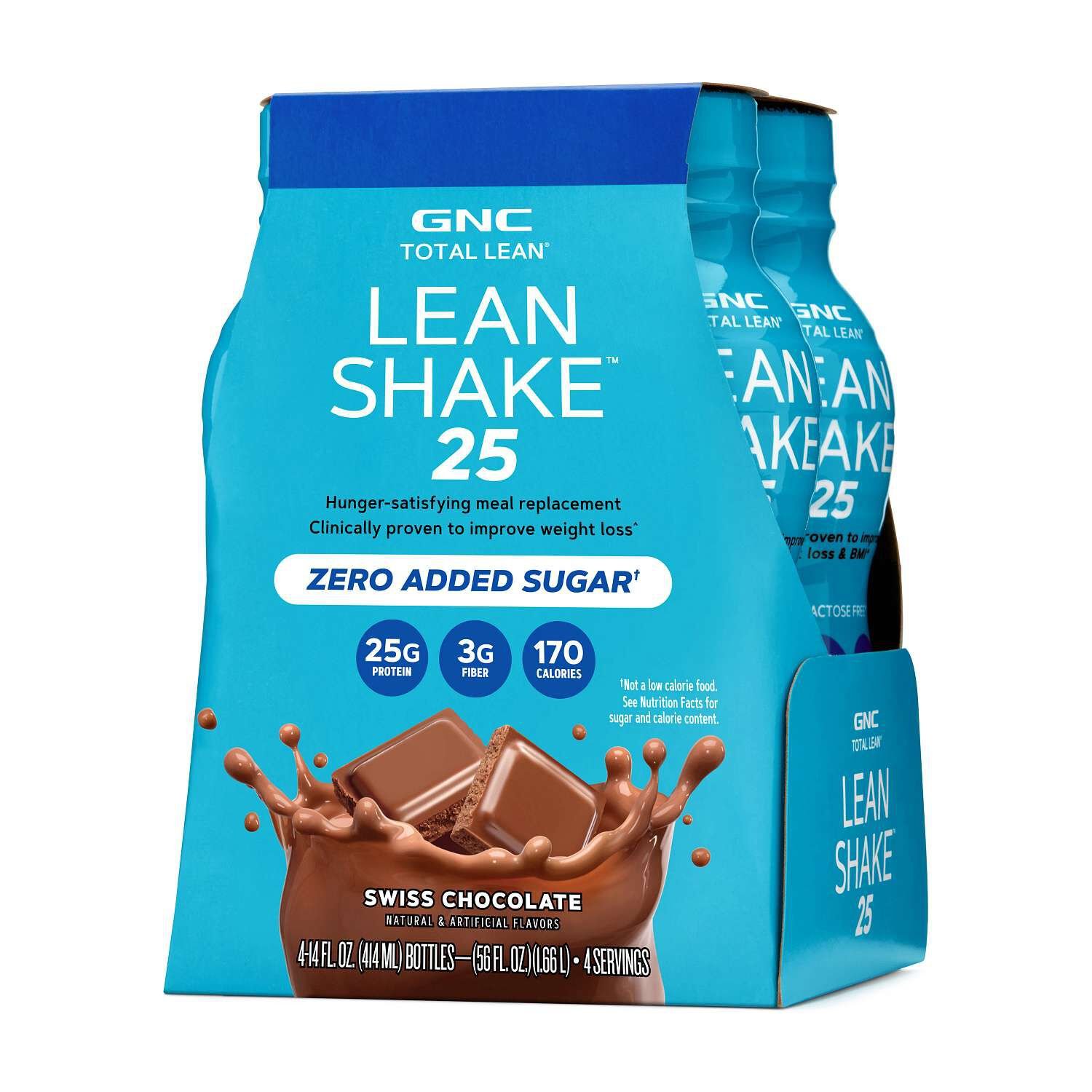
Examples in the Sprinkles Menu catalog include tubs of REDCON1 MRE LITE powder and multipacks of GNC AMP Wheybolic ready-to-drink bottles. These illustrate the two formats. Their names do not establish that the formulas are interchangeable, and a product family name should not replace checking each item’s current label.
| Comparison point | Protein powder | Ready-to-drink shake |
|---|---|---|
| Preparation | Measure and mix as directed | Follow the container’s directions |
| Portion information | Powder weight and serving count | Container size and labeled servings |
| Additional ingredients | Depend on your recipe | Check the packaged drink’s ingredients |
| Equipment | May require a shaker or blender | Usually no mixing equipment beyond directions |
| Purchase quantity | Tub, pouch, or individual portions | Single container or multipack |
| Storage | Follow dry-product and prepared-drink instructions | Follow unopened and opened-container instructions |
Compare the labeled serving before comparing the headline protein amount
Write the serving basis beside the protein number for each product. With a powder, that may be one scoop with a stated gram weight. With a drink, it may be a stated liquid volume or container. Look at the actual panel rather than taking the largest number from the front of each package.
The FDA’s serving-size explanation notes that nutrition information is usually based on one serving, with some packages also displaying per-package information. This makes the serving line an important starting point when comparing products of different sizes and formats.
For a hypothetical example, a powder listing 24 grams of protein per measured serving and a bottle listing 30 grams per container describe different amounts on different bases. Record both statements accurately. The larger number alone does not tell you the better purchase, an appropriate personal amount, or whether the remaining ingredients suit your needs.
Include the mixing liquid in the powder comparison
If you prepare powder with water, your recipe differs from one made with milk, yogurt, or another beverage. Keep the powder’s own declaration separate from the finished recipe. Adding ingredients can change the drink’s nutrient amounts, ingredient list, cost, and preparation time.
For a purely arithmetic example, imagine a powder serving with 24 grams of protein and a measured mixing beverage portion listing eight grams. Those two declared contributions total 32 grams for that recipe. This is an illustrative calculation, not a statement about any product pictured here or a recommendation to prepare a particular serving.
Use the quantities you actually intend to measure. A beverage panel may describe a different volume from the amount in your shaker. Copying its full serving figure into a smaller recipe portion creates an inaccurate comparison. Keep a separate line for each addition so the finished-drink calculation can be checked easily.
Compare cost per prepared portion
For powder, divide the tub price by its stated serving count for a basic labeled-serving cost. Then add the cost of the mixing ingredients you plan to use. For ready-to-drink products, divide the multipack price by the confirmed number of bottles or cartons, while checking how many servings each contains.
Consider an imaginary powder tub costing 45 currency units for 30 labeled servings. The powder costs 1.50 per labeled serving. If your chosen mixing portion costs another 0.40, the prepared recipe costs 1.90 before other applicable costs. An imaginary 12-bottle case priced at 27 costs 2.25 per bottle, but that does not establish equal nutrient contents.
These are examples, not current prices or offers. Check actual checkout charges, discounts, and purchase conditions when shopping. A subscription figure, multibuy price, and ordinary single-purchase price can represent different commitments. Keep those conditions visible instead of comparing only the most attractive number on each listing.
| Hypothetical cost item | Powder recipe | Ready-to-drink option |
|---|---|---|
| Purchase price | 45 units per tub | 27 units per case |
| Confirmed portions | 30 labeled powder servings | 12 bottles |
| Basic unit cost | 1.50 per powder serving | 2.25 per bottle |
| Recipe addition | 0.40 for the chosen liquid portion | Already part of the packaged drink |
| Compared preparation cost | 1.90 for this recipe | 2.25 for this bottle |
What does convenience mean in your routine?
A sealed bottle may be useful when you cannot carry mixing equipment, but consider the whole routine. You still need to transport the container, follow its storage directions, and deal with the empty packaging. A case can also require more carrying space than you expect from a product photograph.
Powder may suit a home preparation routine or a recipe you already make. It requires access to the appropriate liquid, a measuring method, and equipment suitable for the directions. Cleaning a shaker is part of the practical cost even when it does not appear in a price-per-serving calculation.
Instead of declaring one format universally more convenient, describe the setting. “No blender at work” is a concrete constraint. “I already prepare a smoothie at home” is another. The best comparison matches the format to those conditions and leaves personal nutrient decisions to a separate assessment.
Check storage before buying a large quantity
Read the package instructions for unopened storage, use after opening, and any prepared product. Do not infer that a bottle can be stored anywhere because it is sold in a case, or that a mixed shake follows the same instructions as a dry powder. The exact package supplies the relevant directions.
A multipack requires space for its stated container count. A tub requires a suitable place for the powder and potentially space for the mixing ingredients. If cupboard or refrigerator capacity is limited, check actual dimensions where available rather than estimating from a thumbnail image.
Portion planning does not establish shelf life. A calculation showing that a case represents several weeks of your intended use is only an estimate of quantity. Check the actual date information and storage instructions separately before assuming the purchase fits your routine.
Ingredients and allergens need an individual product check
Do not assume that a powder and a bottled drink from the same brand contain the same protein sources, sweetening ingredients, flavoring, or allergens. Packaging format is not a recipe. Compare the full current statements for the exact products and flavors on your shortlist.
If an ingredient is essential to avoid, remove uncertainty before ordering. A broad category description or a reviewer’s preparation notes cannot establish the current ingredients of the item you receive. Request a readable current label if the listing photograph does not answer your question.
This guide organizes purchasing information; it does not determine individual medical suitability. If you need advice related to an allergy, health condition, medication, or other personal circumstance, use the exact current label when discussing the product with an appropriate healthcare professional.
| Requirement | Powder check | Ready-to-drink check |
|---|---|---|
| Ingredient preference | Powder ingredients plus recipe additions | Complete packaged-drink ingredients |
| Allergen information | Current powder statement and mixing ingredients | Current container statement |
| Sugar comparison | Separate powder and recipe values | Values on the stated serving basis |
| Flavor preference | Consider your actual mixing method | Consider the exact packaged flavor |
| Product identity | Exact tub or pouch variant | Exact bottle or carton variant and case size |
Do not confuse protein drinks with interchangeable meal products
Some powders and drinks are marketed for different purposes. Check how the manufacturer describes the exact product rather than treating every item with protein on the front as the same type of purchase. A product name does not establish that another item supplies an equivalent overall composition.
If your aim involves replacing a meal or following a particular nutrition plan, that requires a broader assessment than this format comparison. Protein grams alone do not describe the whole product. Keep the complete label available and seek appropriate guidance for individual nutritional decisions.
For an ordinary shopping worksheet, record the product description exactly as presented, alongside its serving and ingredient information. This helps prevent a misleading comparison in which a straightforward protein powder, a meal powder, and a ready-to-drink shake are ranked as though every other feature were identical.
Build a comparison around one real use occasion
Choose one setting, such as a drink you plan to take to work or a recipe you make at home. Write the equipment and storage access available there. Then compare a realistic powder preparation and a realistic packaged option for that same occasion.
Record the price, portion basis, ingredients, preparation steps, and remaining uncertainties. You may find that each format fits a different occasion. There is no requirement to choose one exclusively, but compare the total quantity you would buy if you decide to keep both.
A useful worksheet makes the decision explainable. Instead of “bottles are better,” you might write, “This verified bottle size fits my bag and requires no shaker.” Instead of “powder is cheaper,” write the actual calculation and mixing assumptions that produced the cost difference.
Questions to resolve before checkout
For powder, confirm the net weight, labeled servings, serving weight, selected flavor, and preparation directions. For bottled products, confirm the container volume, containers per case, selected flavor, and serving information. For both, review current ingredients, storage directions, and the applicable purchase terms.
Mark any missing field as unconfirmed. If a case image shows several bottles but the title suggests a single item, ask which quantity the price covers. If a powder title and photograph show different serving counts, ask for the current variant. Guessing can erase the apparent savings in a comparison.
Frequently asked questions about powder and ready-to-drink shakes
Is a bottle always equivalent to one scoop of powder?
No. Check both labels. A bottle has a stated volume and serving information, while a powder serving has a measured amount. Their protein amounts and other ingredients may differ. Compare the declared bases before deciding whether they belong in the same purchase comparison.
Is powder always less expensive?
No. Calculate from the actual price, serving count, mixing ingredients, and checkout conditions. A promotion or a different recipe can change the result. Keep the arithmetic and assumptions visible rather than treating the format itself as proof of savings.
Should I count the protein in the mixing beverage?
If you are comparing the complete prepared recipe, include the declared contribution for the actual amount used. Keep it separate from the powder’s own figure so you can see how the total was calculated. Do not treat the finished recipe as the powder-only declaration.
Can I store every unopened protein drink at room temperature?
Follow the exact package’s instructions. Do not infer storage conditions from the format or from another product. Also check the instructions after opening, because they may differ from unopened storage requirements.
Does a matching brand name mean the ingredients are the same?
No. Brands can offer different formulas, flavors, and product types. Compare each exact product’s current ingredient and allergen statements. A shared logo does not establish that a powder and bottle are interchangeable.
Which format is easier to carry?
It depends on your setting, container size, storage access, and available preparation equipment. Compare what you would actually carry and use. A practical answer for a workday may differ from the answer for a home recipe.
What should I read next?
For the arithmetic step, see protein powder cost per serving. For interpreting portions, see serving weights versus tub weights. Keep the final decision tied to the exact products, preparation, and purchase conditions you have verified.