




Blog
How do ready-to-drink protein products compare by bottle size and cost?


To compare ready-to-drink protein products, record the number of bottles, volume of each bottle, labeled serving information, listed protein amount and current price. Then calculate cost per bottle for the confirmed package. If the bottles differ in size or serving basis, add separate volume and protein-quantity comparisons rather than treating every bottle as an identical portion.
This approach keeps three different questions visible: what the order contains, what the label describes and how much the purchase costs. It does not determine an individual’s protein requirements or establish that two formulas are interchangeable. All prices and numerical scenarios in this guide are hypothetical examples, not current Sprinkles Menu offers or personal nutrition recommendations.
Identify the exact prepared drink
Begin with the full brand, product-line name, flavor and container size. Ready-to-drink products can share part of a name with powders or other formats. A familiar brand and flavor are not enough to establish that two listings describe the same formula or preparation.
Check that the selected listing actually supplies a prepared beverage. A powder tub requires the manufacturer’s preparation, while a ready-to-drink bottle is sold as a prepared product. Keep those formats in separate columns if you compare them, and account for any additional preparation ingredients separately.
Save the product link with your notes. A search page can show individual bottles, cases and several flavors together. Returning to the exact listing prevents a price from one package being combined with a count or label from another similar-looking option.
What package information should you record?
Write down the bottle count and volume per bottle before doing any arithmetic. A twelve-bottle pack with smaller containers is a different quantity from twelve larger bottles. A picture showing one bottle may represent a case listing, so use written selected contents rather than counting pictured objects.
If the page offers several pack options, record which one is selected. Changing from four bottles to twelve changes the purchase quantity and may change the price basis. Earlier notes should be rechecked whenever an option changes, even if the main product photograph stays the same.
| Package field | Information to copy | Mistake it prevents |
|---|---|---|
| Complete identity | Brand, product line and flavor | Comparing different versions accidentally |
| Format | Prepared drink or powder | Mixing preparation assumptions |
| Unit volume | Bottle size with units | Treating all bottles as equal quantities |
| Pack count | Confirmed number of bottles | Using the photograph as the quantity |
| Selected price | Price for that package option | Combining unrelated prices and counts |
| Availability | Current ordering information | Treating an old mention as current stock |
When a field is unclear, leave it marked unknown and ask the retailer. A guessed bottle count can make a calculation look complete while describing a purchase that the listing does not actually offer. Obtaining the missing quantity is more useful than refining an inaccurate unit price.
How do you calculate cost per bottle?
Divide the current package price by the confirmed bottle count. A hypothetical $30 twelve-bottle case costs $2.50 per bottle before additional order charges. A $12 four-bottle pack costs $3 per bottle. The larger purchase has the lower container price in this example, but it also requires more money upfront.
Use the same price basis across every row. Do not compare a sale price for one option with a previous full price for another unless the comparison clearly identifies those conditions. Use the actual price applicable to the selected package when making a current purchase decision.
| Hypothetical package | Product price | Bottle count | Product cost per bottle |
|---|---|---|---|
| Smaller pack | $12 | 4 | $3.00 |
| Medium pack | $24 | 8 | $3.00 |
| Larger pack | $30 | 12 | $2.50 |
The first two rows have different package prices but the same bottle price. The twelve-bottle option is cheaper per container in this hypothetical set. You still need to compare bottle volume, formulas, flavor preferences and actual delivered costs before deciding which purchase fits your needs.
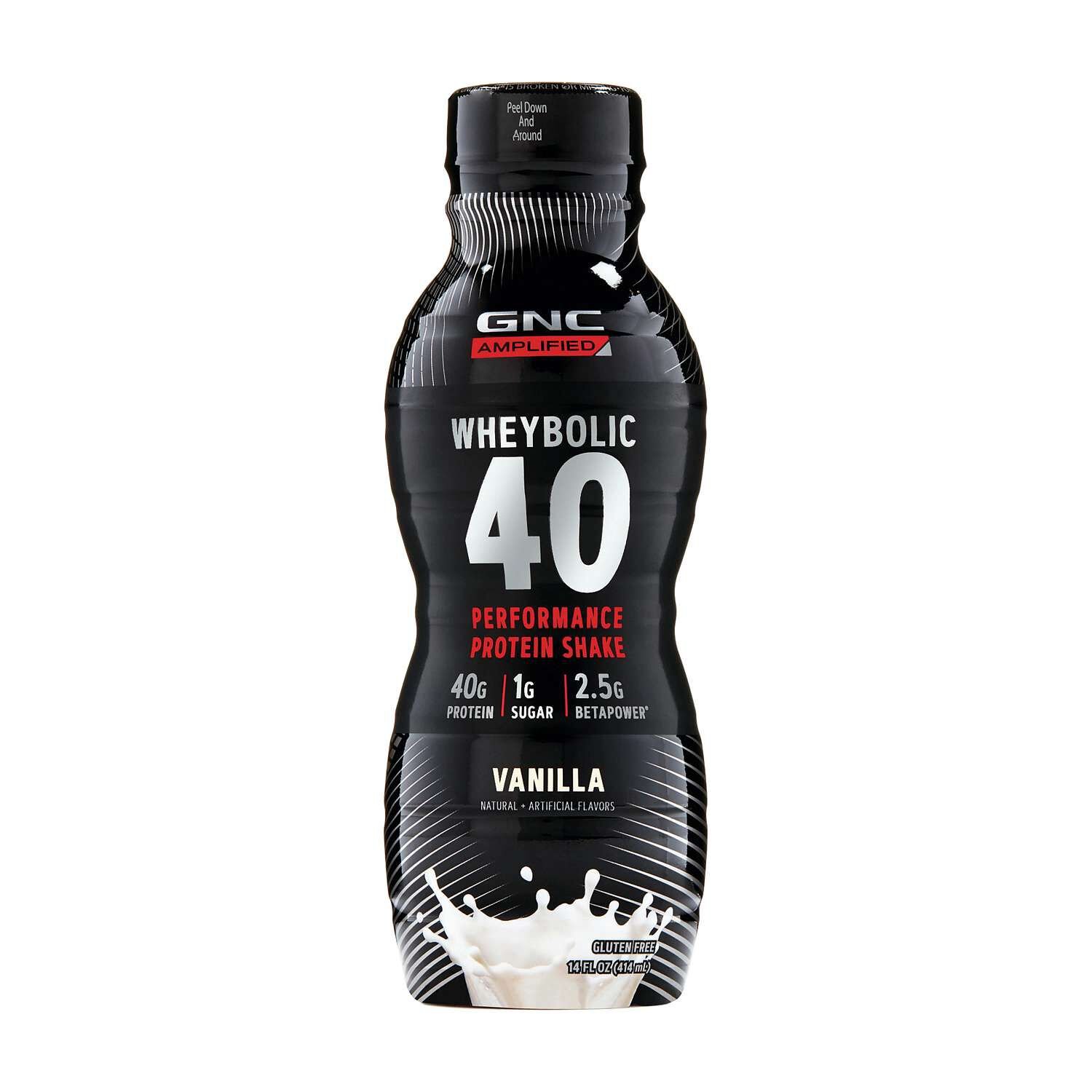
Why does bottle volume belong beside the price?
Price per bottle measures the cost of a container. When volumes differ, it does not compare the cost of the same quantity of drink. Add price per fluid ounce or per milliliter if volume value is important, using one consistent unit for every product.
For a hypothetical 12-fluid-ounce bottle at $2.40, divide 2.40 by 12 to obtain $0.20 per fluid ounce. A 16-fluid-ounce bottle at $2.88 costs $0.18 per fluid ounce. The larger bottle costs more to buy but less per unit of volume in this particular comparison.
That calculation does not establish the same protein quantity, ingredients or convenience. A smaller container may suit your preference even when its volume price is higher. Record the numerical result alongside the container size you actually want instead of allowing one cost metric to decide every practical question.
How should you read the protein amount?
Read the protein entry with the serving-size information on the exact product’s panel. Check whether the figure describes a complete bottle or another labeled portion. Do not assign a serving figure to the whole container until that relationship is clear.
Keep the protein amount separate from the drink’s total volume. A larger bottle does not automatically list more protein, and two bottles with the same prominent protein number may still have different formulas. Copy the actual panel rather than inferring composition from container size or product artwork.
If the front label and readable information panel appear inconsistent, request clarification for the selected flavor and package version. Do not resolve the conflict by choosing whichever number makes the product look better in the comparison. The exact supplied formula is the information you need.
Can you compare price per listed gram of protein?
Yes, as a clearly labeled purchasing calculation when the protein quantity per bottle is established. Divide the bottle price by the listed grams of protein in that bottle. Keep the serving basis visible so the calculation does not accidentally combine a whole-bottle price with a smaller-portion protein figure.
Suppose hypothetical Drink A costs $2.50 per bottle and lists 25 grams for the complete bottle. Its cost is $0.10 per listed gram of protein. Drink B at $3 with 30 grams for the complete bottle has the same result. This similarity does not make the remaining formulas identical.
| Hypothetical drink | Bottle cost | Protein listed for full bottle | Cost per listed gram |
|---|---|---|---|
| Drink A | $2.50 | 25 g | $0.10 |
| Drink B | $3.00 | 30 g | $0.10 |
Use this metric only for the question it answers. It does not rank taste, ingredients, individual suitability or the role of the drink in a person’s diet. If the products differ in purpose or composition, keep those differences visible instead of describing them as identical alternatives.
Which other label details may matter?
Read the complete ingredient list and the nutrition information for the selected version. If sugar, sweeteners, allergens or another named component matters to your purchase, record it separately. A protein-themed product title is not a complete description of the formula.
Do not use another flavor’s panel to fill missing fields. Similarly, information for a powder under the same brand should not be treated as the current information for a prepared drink. Ask for a readable label when the listing’s available image is too small or appears to show a different product.
The FDA’s Nutrition Facts label resource provides broader label-reading background. In this worksheet, the practical task is to keep each quantity with its stated serving basis and retain the exact formula identity while comparing purchases.
How do delivery charges change the result?
For a single-case order, add the actual delivery and other displayed charges to the product subtotal, then divide by the bottle count. A hypothetical $30 twelve-bottle case with $6 delivery costs $36 delivered, or $3 per bottle, before any further applicable displayed charges.
If you are comparing full shopping baskets, use their full confirmed totals rather than arbitrarily assigning every charge to one drink. If you choose to allocate shared charges, label the result as your estimate and explain the method. It should not appear to be a retailer-supplied bottle price.
Recalculate when the destination, quantity or delivery option changes. An earlier quote may not describe the revised basket. Keep any unconfirmed charge marked unknown instead of assuming that another retailer’s offer or a previous order’s arrangement applies to the current purchase.
How should storage and package dates enter the comparison?
Read the actual product’s storage instructions and look for any distinction between unopened and opened containers. Do not assume all prepared drinks use the same conditions. If you need clarification about handling or storage, ask about the exact product rather than the general category.
Date information in a stock image does not establish the marking on current supplied items. If a minimum remaining period matters to your purchase, ask the store before ordering. Preserve the actual wording of any confirmation instead of creating a shelf-life promise from an illustrative photograph.
A large case commits more storage space and more of your budget. Compare those practical requirements with the package count you intend to use. A lower bottle price is less useful when the selected quantity does not fit the conditions you can provide or your realistic shopping plan.
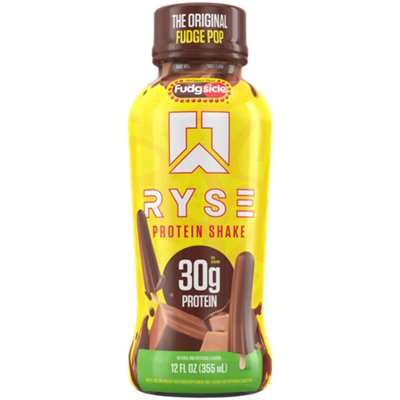
Should you buy several flavors at once?
Start by deciding whether the mix is a fixed assortment, individually selected products or a confirmed custom offer. Several flavor listings in a category do not automatically form one bundle. Check the contents, quantities and actual combined price before describing the order as a variety pack.
Taste preferences affect practical value, so keep them separate from label facts. A larger mixed purchase may provide options to try, but a lower average bottle price does not guarantee that every included flavor is one you want. Confirm the breakdown where the exact mix matters.
If you change flavors while comparing, recheck the ingredient and nutrition information. The same brand and container size do not establish identical formulas across every option. Keep separate entries where details differ rather than copying the first panel into every row.
A ready-to-drink comparison worksheet
Use the following rows for two or three live listings. Record unknown wherever the available information is incomplete. The worksheet should show what still needs checking, not hide gaps behind a polished-looking total. Keep the product links with your notes so the comparison can be traced back to the correct options.
| Field | Product A | Product B |
|---|---|---|
| Exact product and flavor | Copy complete name | Copy complete name |
| Bottle volume | Keep stated units | Keep stated units |
| Bottles supplied | Confirm selected pack | Confirm selected pack |
| Serving basis | Read exact panel | Read exact panel |
| Protein per full bottle | Establish from label | Establish from label |
| Current bottle cost | Price divided by count | Price divided by count |
| Volume cost | Use consistent units | Use consistent units |
| Delivered total | Confirm checkout | Confirm checkout |
| Storage information | Read actual directions | Read actual directions |
| Missing detail | Ask specifically | Ask specifically |
Before paying, match the cart against the worksheet. A correct calculation for a twelve-bottle vanilla pack will not describe a different selected flavor or single-bottle option. This final identity check connects your comparison to the item you are actually ordering.
Questions shoppers often ask
Does a larger bottle contain more protein?
Not automatically. Read the exact product’s panel and establish the quantity for the full bottle. Bottle volume and listed protein amount are separate measurements, so neither should be used as a substitute for the other.
Is cost per bottle enough for a fair comparison?
It is a useful starting point. Add bottle volume, serving basis, listed protein and formula details when those differences matter. A complete purchase comparison also needs actual order charges rather than product subtotals alone.
Can a powder and prepared shake with the same flavor share one label?
Use each product’s own label. The formats may have different formulas, portions and preparation assumptions. A matching flavor name is not enough to establish that the contents or quantities are equivalent.
Where can I check current listings?
Browse protein shakes and meal replacements. For another comparison, read about powders versus prepared drinks. Use the contact page with the complete product link and selected option when a label or package detail needs confirmation.