
Blog
How do protein powder serving weights differ from tub weights?

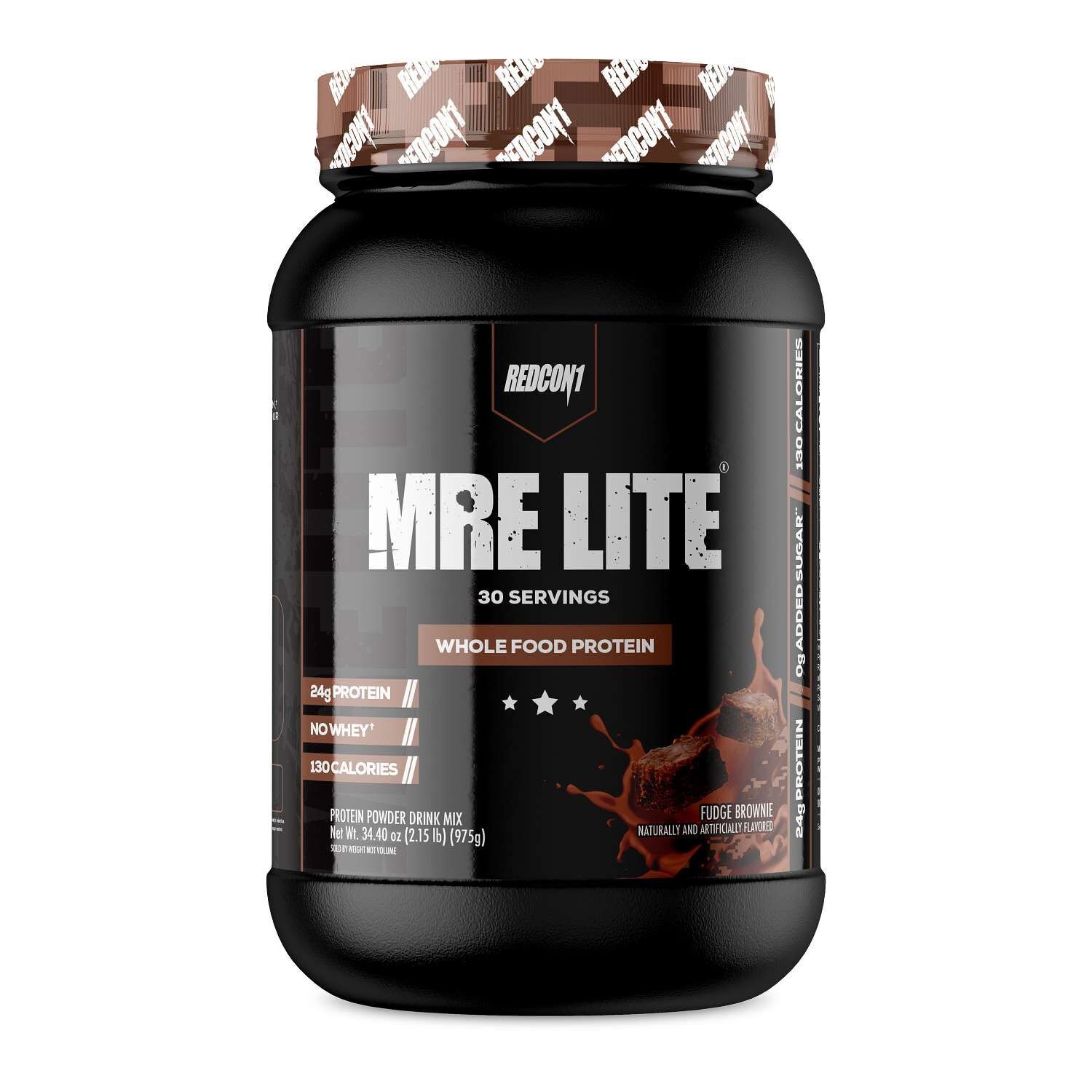
A protein powder‘s serving size tells you the amount of powder used for the nutrition information. Its net weight tells you the total quantity of product in the package. Its servings-per-container statement connects the two. Reading these three details together helps you compare tubs that look similar but contain different quantities or use different portions.
The scoop adds another detail: it is a measuring tool, rather than a standard unit shared by every brand. A statement such as one scoop becomes much more useful when it includes the corresponding gram weight. This guide explains how to keep serving weight, protein grams, net weight, and scoop information separate while comparing a purchase.
What does serving size mean on a powder label?
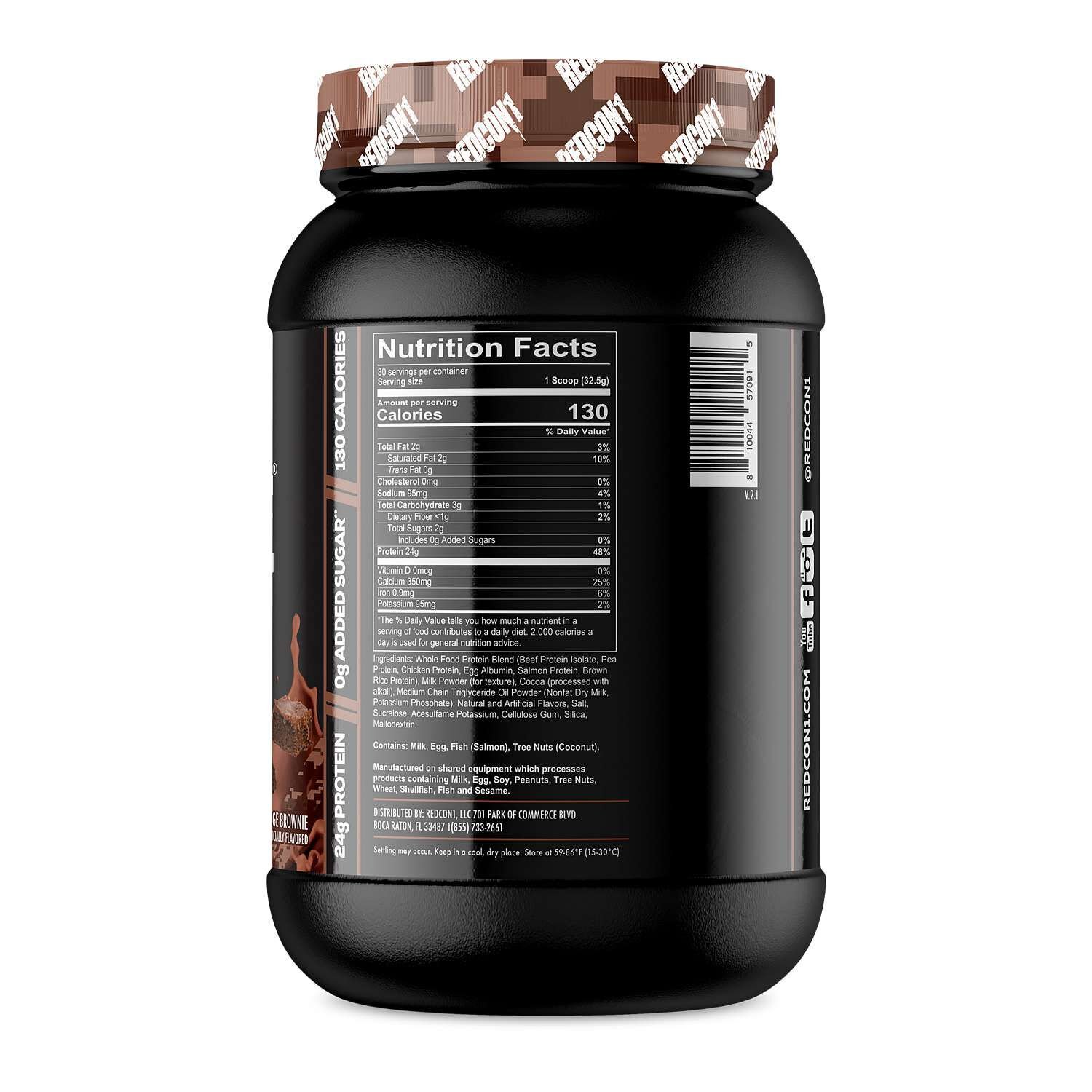
Find the serving-size line near the top of the nutrition panel. It may state a number of scoops and a weight in grams. The nutrient amounts elsewhere on that panel refer to the stated basis, unless the package clearly supplies another column or additional prepared-product information.
The FDA’s guide to understanding the Nutrition Facts label explains why serving size and servings per container should be read before the nutrient figures. For shopping purposes, this prevents a common mistake: comparing two protein amounts without noticing that they describe different amounts of powder.
A serving declaration is not a personalized recommendation about how much protein you need. This article uses it as a unit for interpreting a package and doing arithmetic. Questions about an appropriate amount for your individual circumstances require a different assessment from comparing the contents of two tubs.
What does net weight tell you?
Net weight describes the quantity of product, separate from its packaging. Look for the numerical amount and unit rather than judging capacity from the container’s height or width. A large tub photograph does not tell you how much powder is inside, and two similarly shaped containers may have different stated contents.
When comparing packages, put both net weights into the same unit. Grams and kilograms are straightforward to compare once you convert them consistently. If a listing uses ounces or pounds, preserve the original statement in your notes and use a reliable conversion for any comparison calculation.
Do not confuse a shipping weight with net product weight. A shipping figure may include packaging or other items, and it does not provide the quantity needed for a powder-price calculation. If the listing does not distinguish the two, ask for the product’s stated net weight before treating it as confirmed.
| Label or listing entry | What it describes | Common confusion to avoid |
|---|---|---|
| Serving size in grams | Powder quantity associated with a serving | Treating it as grams of protein |
| Scoop count | Measuring instruction associated with the serving | Assuming every scoop has the same capacity |
| Net weight | Product quantity in the package | Using shipping weight instead |
| Servings per container | Number of labeled portions stated for the package | Assuming a larger-looking tub has more servings |
| Protein per serving | Protein amount on the stated basis | Treating it as the serving’s total powder weight |
Why serving weight and protein grams are different
A powder serving can contain protein plus other ingredients. Its total weight and protein amount therefore answer different questions. For a hypothetical example, a 32-gram serving listing 24 grams of protein does not contain 32 grams of protein. The 32 grams refers to the portion of powder; the 24 grams refers to the protein declared for that portion.
Write both numbers in your comparison notes. A column headed simply “grams” is ambiguous because you may later forget whether it describes protein, powder, or net contents. Clear headings prevent a small transcription error from becoming a misleading value calculation.
Avoid assuming that the remaining weight represents one particular ingredient. A label’s serving weight minus its protein amount does not reveal the complete recipe. Use the ingredient list and the separate nutrient declarations for their respective purposes rather than reconstructing a formula from one subtraction.
How servings and net weight relate
For an arithmetic estimate, divide total powder weight by the gram weight of a serving. A hypothetical 900-gram package with a 30-gram serving represents 30 such portions. The calculation is useful for checking that you have copied the right package details, but it does not override the manufacturer’s stated information.
If the result differs slightly from the listed count, check for a statement such as “about,” displayed rounding, or a conversion between units. If the discrepancy is substantial, investigate whether you are looking at a different flavor, size, or product version. Do not silently change the serving count to make a spreadsheet balance.
A good comparison record preserves the original net-weight statement, the serving-weight statement, and the listed count. Add a separate calculated estimate if needed. Keeping the original values visible makes it easier to spot a mismatch and ask a precise question before ordering.
| Hypothetical package | Net powder weight | Serving weight | Arithmetic portion estimate |
|---|---|---|---|
| Package A | 900 g | 30 g | 30 portions |
| Package B | 900 g | 45 g | 20 portions |
| Package C | 1,200 g | 40 g | 30 portions |
These imaginary packages demonstrate why net weight alone does not establish the number of servings. A and B contain the same total mass but use different serving weights. A and C have different total masses but produce the same arithmetic portion count. None of these examples describes a current store offer.
Why the scoop should stay with its own product
Do not use a scoop from another tub as though it were an interchangeable unit. Its shape or capacity may differ, and the amount of powder it holds can differ too. The useful comparison is the gram weight associated with the current product’s instructions, not whether two scoops look approximately alike.
Check whether the directions specify a level scoop, another filling description, or multiple scoops. Follow the current package directions rather than inventing a method from an online photograph. If the scoop is missing or the instructions are unclear, request clarification about the intended measured amount.
A kitchen scale can help you compare an amount of dry powder with a gram-based statement, provided it is suitable for the measurement and used correctly. It does not replace the package directions, and it does not establish an individual’s appropriate serving. Keep the weighing task separate from decisions about personal intake.
How to compare two tubs fairly
Choose the question before choosing the calculation. Cost per labeled serving helps compare the manufacturer’s stated portions. Cost per 100 grams helps compare powder mass. Cost per stated amount of protein answers another question. Each can be useful, but the results should not share the same heading.
For a hypothetical 30-serving tub costing 60 currency units, the cost per labeled serving is two units. If its net weight is 900 grams, the powder costs approximately 6.67 units per 100 grams. These figures describe the same imaginary purchase using two different denominators; neither is a current Sprinkles Menu price.
Keep delivery charges, taxes, and discounts clear when you calculate a final purchase comparison. A product-page price and the checkout total may answer different cost questions. If a promotion requires buying several tubs, record the required quantity instead of treating the discounted unit figure as available for any order.
Estimate a purchase’s practical size
Servings per container helps you understand the commitment involved in buying a tub. Use a realistic number of portions you expect to prepare, rather than assuming you will automatically finish a larger package. The arithmetic is a planning estimate and should not be read as advice about how often to use a supplement.
For example, an imaginary 24-portion package used twice a week represents 12 weeks of portions. That estimate does not establish whether the product can be stored for that period after opening. Read the actual storage directions and date information separately, and do not turn a portion calculation into a shelf-life claim.
Cupboard fit is a separate practical question. Net weight does not supply container dimensions. If space is limited, look for the package measurements or ask for them. A tub can be economical per serving yet inconvenient if it does not fit where you intend to store it according to its instructions.
What to do when the product title and photograph differ
Check the exact variant selected on the listing. Titles, gallery photographs, and dropdown options may refer to different sizes or versions if a listing needs clarification. Compare the brand, line, flavor, serving count, and visible package wording before deciding which information applies.
Do not borrow a serving weight from a nearby flavor merely because its label is easier to read. That may create an internally consistent calculation for the wrong product. Mark the uncertain field as unconfirmed and ask for the current panel corresponding to the precise item being offered.
A helpful message identifies the discrepancy: for example, “The title says 30 servings, but this photograph appears to show a different count. Please confirm the current size and gram weight per serving.” That gives the seller something specific to resolve without requiring them to guess what you noticed.
| Information problem | Useful next check | Avoid |
|---|---|---|
| Missing serving weight | Request current panel for the selected variant | Copying another flavor’s figure |
| Unclear total weight | Distinguish net contents from shipping weight | Estimating from container height |
| Different count in title and image | Confirm exact version and size | Choosing the larger count automatically |
| Arithmetic estimate differs slightly | Check units, rounding, and qualifiers | Claiming the package is wrong immediately |
| Scoop details are unclear | Read current directions or request clarification | Substituting an unrelated scoop |
Build a comparison sheet that remains understandable
Use one row per variant, even when the products share a brand. Include separate columns for net contents, serving weight, servings per container, protein per serving, current price, and the date checked. Save the source link so you can revisit the details instead of relying on a remembered screenshot.
Label every calculated column with its denominator. “Price per serving” should identify whether it uses the labeled count or your own recipe portion. “Protein per 100 grams” should be marked as calculated if it comes from rounded label values. This keeps a useful worksheet from implying more precision than its sources support.
Record missing information explicitly. “Not readable” is better than a blank cell that might later be interpreted as zero. Before ordering, revisit any uncertainty that could change the comparison. The worksheet is most helpful when it reveals what you still need to know, rather than hiding those gaps behind tidy totals.
Frequently asked questions about powder weights and servings
Is a 30-gram serving the same as 30 grams of protein?
No. The serving weight describes the powder portion. Protein is a separate nutrient amount on the panel. Read and record both figures rather than using the serving weight as the protein quantity. The ingredient list provides another kind of information about the product’s composition.
Do two tubs with 30 servings contain the same weight?
Not necessarily. They may use different serving weights. Compare their net contents and serving-size statements together. Equal serving counts do not establish equal powder quantities, equal protein amounts, or identical preparation instructions.
Can I calculate servings by dividing net weight by scoop size?
Use the gram weight of the stated serving, rather than the scoop’s apparent physical size. The division gives an arithmetic estimate. Preserve the package’s own serving-count statement and investigate meaningful discrepancies instead of replacing it automatically.
Why might a package say about 30 servings?
The qualifier is part of the manufacturer’s statement and should remain in your notes. Displayed values and units can also involve rounding. If you need a precise answer about a particular package, ask for clarification rather than treating an estimate as a guaranteed exact count.
Does a larger tub always cost less per serving?
No. Compare the actual price with the labeled count, then account for the purchase conditions and checkout charges relevant to your order. A larger container can have a higher unit price, especially when comparing different formulas or package offers.
Can I use the same scoop for every powder?
Do not assume that it will measure the amount intended by another product’s instructions. Keep the scoop and directions associated with the correct tub, and use the stated gram weight to understand the portion. Ask for clarification if the original measuring information is missing.
Does my portion-count estimate tell me the expiry date?
No. It only estimates how many planned preparations a quantity might provide. The package’s date information and storage directions answer separate questions. Do not infer storage life from the number of weeks produced by a worksheet calculation.
Which number should I use for a simple shopping comparison?
Begin with net weight, serving weight, and servings per container together. Then calculate the unit price that matches your question. For more detail, read how to compare protein powders by cost per serving and how to check protein per serving.