




Blog
What should I check on a protein supplement label?

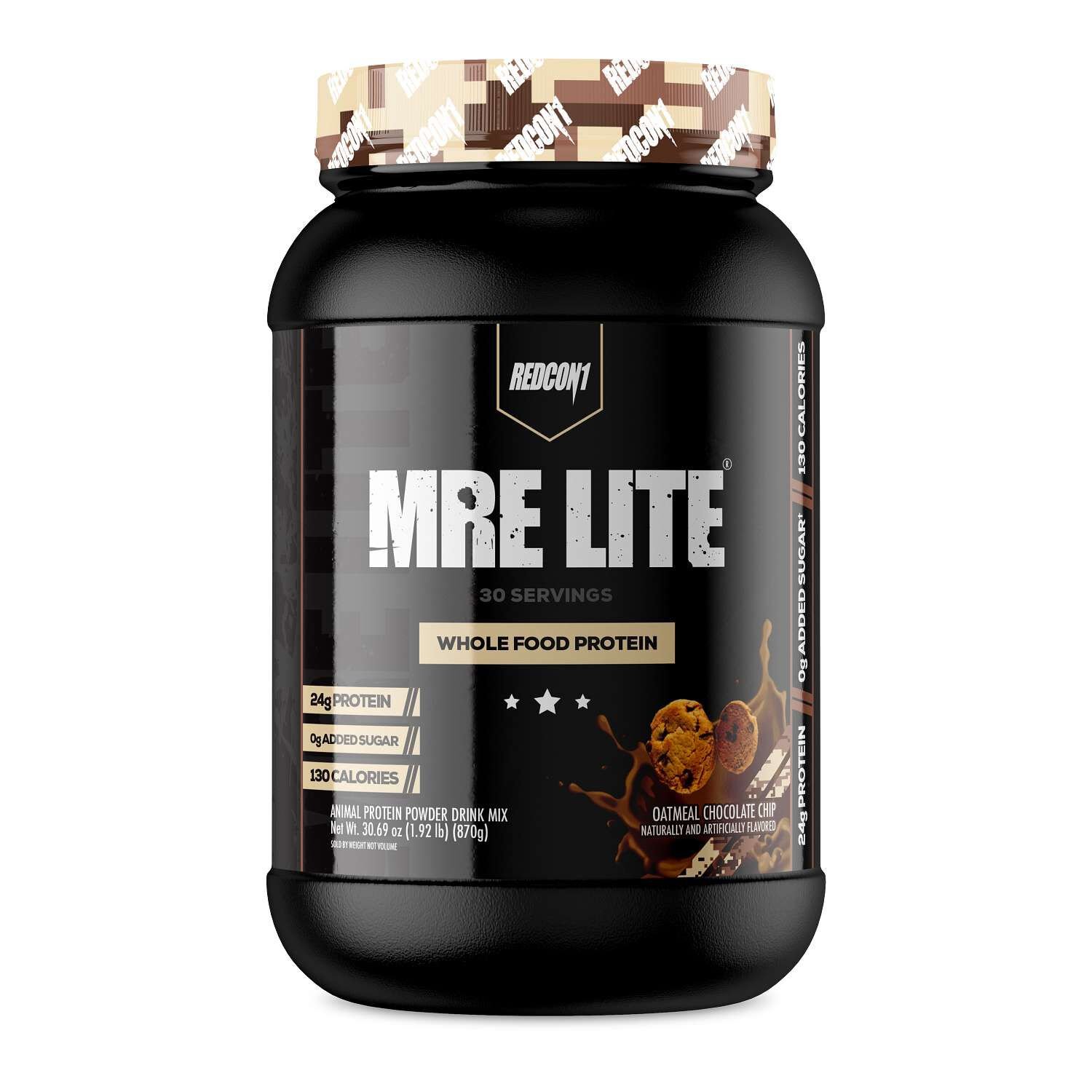
When reading a protein product label, start with the exact product identity and serving size, then check the protein amount, full ingredients, allergen information, directions, storage instructions, and date details. Keep the package’s facts separate from your own calculations and from general marketing statements. This order helps you answer practical shopping questions without mistaking one prominent number for a complete product description.
Protein products can carry different types of panels depending on how they are sold and labeled. Read the actual Nutrition Facts or Supplement Facts panel on the item rather than assuming every powder uses the same format. This guide is a structured shopping checklist, not a recommendation about an individual’s protein needs or the suitability of a product for a health condition.
First confirm that you are reading the right label
Match the brand, product line, flavor, and package size to the item you intend to buy. A clear image is only useful if it belongs to that exact variant. Similar-looking tubs can have different formulas, serving weights, counts, and preparation instructions, so do not borrow numbers from a nearby product merely because its photograph is easier to read.
Compare the front photograph with the panel photograph. If the title says one flavor while the image shows another, record the mismatch and request clarification. A listing’s gallery may contain information that needs updating; choosing whichever figure looks most favorable is not a reliable way to resolve uncertainty.
Write the date you checked the label and keep the source link. If you return to the comparison later, those details help you see whether you are still examining the same item. The current package should be checked again when you receive it, especially where ingredients or instructions determine whether you can use it.
Read the serving line before the nutrient amounts
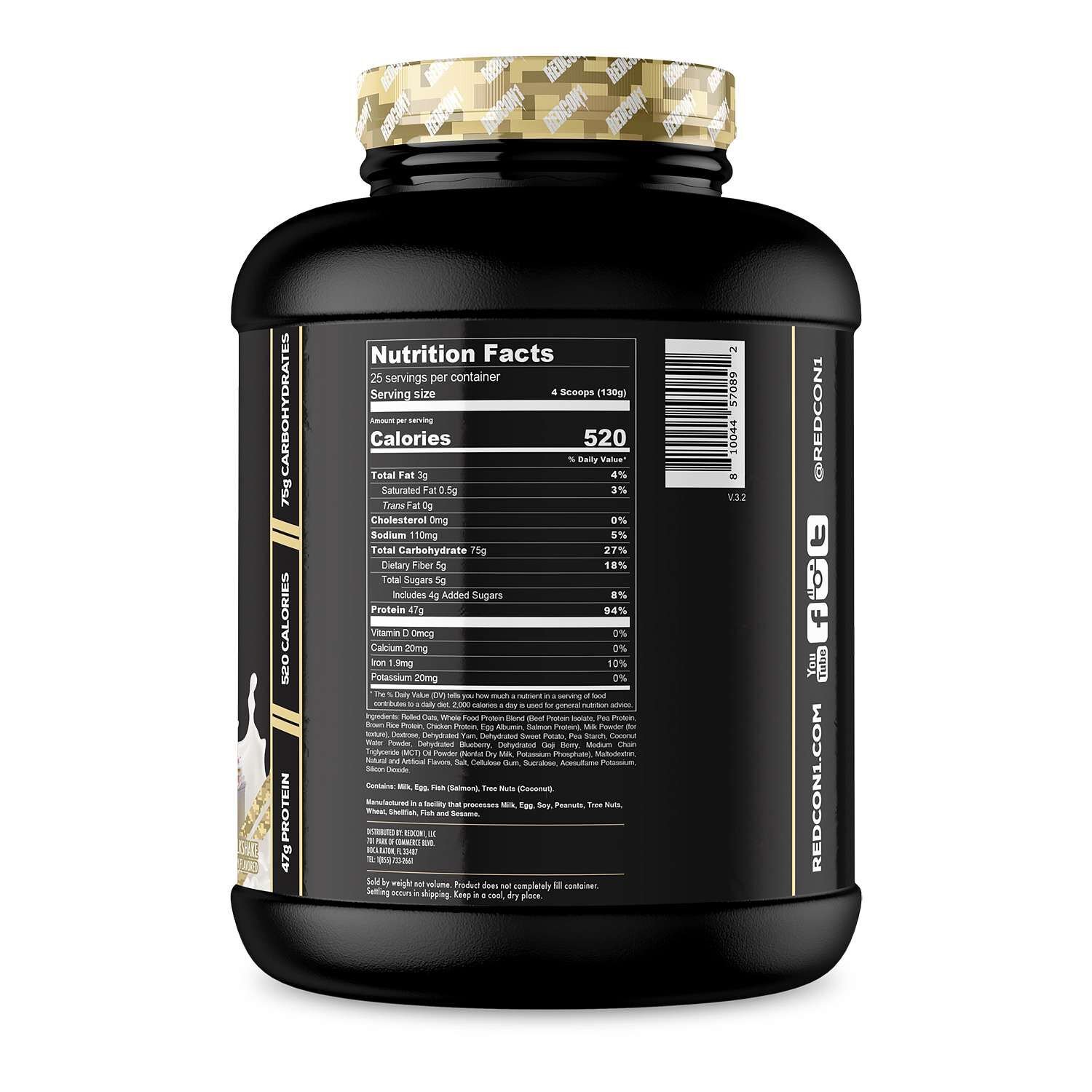
The serving size supplies the basis for interpreting the panel. On a powder, it may state a scoop count and gram weight. On another protein format, it may describe a liquid volume, container, or other portion. Copy the unit as well as the number so the meaning remains clear in your notes.
The FDA’s guide to using the Nutrition Facts label explains that serving information frames the nutrient amounts. For comparison purposes, the important habit is to keep the serving basis beside each figure instead of copying isolated numbers from different packages.
A hypothetical 35-gram powder serving containing 25 grams of protein is not the same statement as 25 grams of powder. One describes total product mass and the other describes a nutrient amount. Clear column headings prevent these different quantities from being accidentally substituted for one another.
| Detail to copy | Why it matters | Useful note format |
|---|---|---|
| Exact product and flavor | Identifies the variant | Brand, line, flavor, size |
| Serving size | Establishes the panel’s basis | Scoop count plus gram weight |
| Servings per container | Helps describe package quantity | Preserve qualifiers such as about |
| Protein amount | Supplies the declared nutrient figure | Grams per stated serving |
| Panel basis | Distinguishes dry and prepared information | Copy any stated preparation basis |
Check protein separately from the rest of the panel
Locate the protein row and record its amount on the stated basis. If the front also highlights protein, check that you understand what portion or preparation the front statement describes. Do not assume that a large front number and a back-panel number refer to identical quantities without reading the accompanying wording.
A protein amount does not describe every feature of the product. Other nutrient rows and the ingredients may matter to your purchase, and a higher protein figure alone cannot establish that a powder is better for you. Keep the comparison tied to the criteria you actually need to evaluate.
If you want to compare values per 100 grams, calculate a separate column and identify it as calculated. Preserve the original serving values alongside it. Arithmetic based on rounded label figures is useful for a worksheet, but should not be presented as more precise laboratory information than the package supplies.
Understand which sugar figure you are copying
Total sugars and added sugars are separate entries on a Nutrition Facts panel. The FDA explains that added sugars is included within the total-sugars amount. Do not add the two together as though they were independent quantities, and do not substitute either one for the total-carbohydrate figure.
Write the row names in full if you are making a comparison. A note reading only “sugar: zero” may later be mistaken for a statement about total sugars when you originally meant added sugars. Explicit wording prevents that ambiguity when you revisit several products at once.
If you want to know whether sweetening ingredients are present, read the ingredient list as another step. A nutrient declaration does not answer every question about taste or recipe. For examples using actual catalog photographs, see the guide to protein powders and added sugars.
Read the full ingredient statement
Identify the declared protein ingredients and the other ingredients in the exact formula. A front word such as whey or a plant-related phrase may highlight part of the product without describing the entire list. Avoid turning that one word into an assumption about every ingredient in the tub.
The NIH Office of Dietary Supplements explains that products sold as dietary supplements carry a Supplement Facts panel and ingredient information. Its consumer supplement guide is a useful starting reference for understanding those declarations. Use the current package for the particular product you are reviewing.
Do not reconstruct a complete recipe by subtracting protein grams from serving weight. That remainder cannot identify every ingredient or its quantity. The ingredient statement, nutrient rows, and any explicitly declared amounts provide different kinds of information and should remain separate in your notes.
Check allergen information as its own task
Read the current ingredient and allergen statements rather than assuming a product category excludes a particular ingredient. A brand may sell several different formulas, and a flavor name does not establish suitability. Your own mixing ingredients also need checking if you are assessing a prepared shake.
If an allergy-related answer is uncertain, request the precise current information before purchasing. Do not use an old review, a general category description, or an unrelated variant’s label as confirmation. Keep essential unanswered questions visible rather than letting an attractive price settle them indirectly.
For individual allergy or medical decisions, use appropriate professional guidance with the exact product information available. This shopping checklist helps you gather the relevant details; it cannot establish personal safety from an online photograph or guarantee that a particular product meets an individual’s needs.
Read directions beyond the scoop count
Preparation directions may specify a liquid quantity, mixing method, or other steps. Copy enough detail to understand how the product is intended to be prepared. A serving-size line and a preparation instruction answer related but different questions, so examine both rather than treating the scoop count as the entire instruction.
Keep a scoop associated with its own product. A scoop from another tub may not measure the same amount, even if it looks similar. If the original measuring information is unclear or missing, ask for clarification instead of inventing a replacement instruction from a photograph.
When comparing recipes, write down the amount of powder and every additional ingredient actually used. The powder panel does not automatically describe a shake made with milk, fruit, yogurt, or other additions. Separate the dry-product values from your finished-recipe calculations.
| Question | Look for | Avoid assuming |
|---|---|---|
| How is it prepared? | Current package directions | Every powder uses one mixing method |
| How much powder forms the labeled serving? | Serving line and gram weight | All scoops are interchangeable |
| What describes the finished recipe? | Actual measured ingredients | Powder-only values include additions |
| What if an instruction is missing? | Current manufacturer clarification | Another brand’s directions apply |
Check net contents and the package count
Find the net product weight and servings per container. These help explain the quantity offered and support a price-per-serving calculation. A tall tub does not necessarily contain more powder than a shorter one, and shipping weight is not automatically the same as net contents.
For a hypothetical example, a 900-gram package with a 30-gram serving gives an arithmetic estimate of 30 portions. Keep the manufacturer’s own stated count visible as well. If figures do not seem to agree, check units, rounding, qualifiers, and whether the images belong to the same size.
A large discrepancy is a reason to ask a specific question, not to quietly correct the label in your worksheet. For more detail about these quantities, read serving weight versus tub weight before comparing packages with different portions.
Find storage directions, date information, and identifying details
Check the storage instructions for the dry product and any instructions relevant after preparation. Do not infer a storage period from the number of servings. A calculation suggesting how many weeks a tub might last in your routine does not establish how long it can be kept after opening.
Look for the date information on the actual package. Its location and wording can vary. If the listing does not provide current stock-date information and that detail matters to your purchase, ask about the exact item rather than assuming a photograph represents every unit in stock.
Retain the package’s identifying details if you later need to ask a product-specific question. A lot or batch identifier can help distinguish the item involved. Keep the wording accurate rather than treating a printed identifier as an expiry date or assuming every number on a container has the same purpose.
Keep claims separate from the facts you have verified
A phrase about quality, benefits, or testing should lead to a specific follow-up check. Record the exact wording and what information supports it. A general marketing term should not receive a technical meaning that the package or manufacturer has not supplied.
If a certification matters, verify the exact program and applicable product information. A logo in an old image is not enough to assume every current variant is covered. Likewise, a label-reading checklist should not turn a general benefit statement into a promise about a personal outcome.
You can organize the evidence as confirmed, unclear, or requiring follow-up. That is more useful than treating every visible statement as equally established. The purpose of reading a label is to make the purchase more understandable, including where information is still missing.
Use a final label-check worksheet
Before ordering, revisit the fields that would change your decision. Confirm the selected variant, serving basis, ingredient requirements, package quantity, and current purchase conditions. Keep nutritional interpretation separate from price arithmetic and avoid allowing a low unit price to answer an unrelated ingredient question.
| Final check | Record | If uncertain |
|---|---|---|
| Identity | Exact flavor and size | Request matching current images |
| Portion basis | Serving units and gram weight | Request a readable panel |
| Ingredients and allergens | Current statements reviewed | Clarify essential requirements |
| Directions and storage | Applicable package instructions | Ask about the exact version |
| Date and batch details | Information available for the item | Ask a specific stock question |
| Value calculation | Price and stated portion count | Resolve quantity before dividing |
Frequently asked questions about protein labels
Is every protein powder labeled as a dietary supplement?
Read the actual product description and panel rather than assuming one classification for the whole category. Protein products can be sold in different forms and labeled differently. Use the information on the exact package you are comparing.
Does serving weight mean protein weight?
No. Serving weight describes the quantity of product, while the protein row describes a nutrient amount for the stated basis. Record each separately so a worksheet does not confuse grams of powder with grams of protein.
Can a zero-added-sugars powder still contain sweetening ingredients?
Yes. Read the ingredient list if that is your question. The added-sugars declaration and the presence of particular ingredients are separate checks. A flavor name or nutrient number alone cannot predict your taste experience.
Should I use the online photograph or the package I receive?
Use photographs to investigate the purchase, then check the current package when it arrives. Versions and images can differ. Resolve important discrepancies before using a product where the ingredients or directions are essential to your decision.
What if the nutrition panel is too small to read?
Open the original image if available or request a readable current photograph. Keep unreadable values marked as unconfirmed. Do not copy another flavor’s figures simply to fill a blank comparison cell.
What information helps when asking about an unclear label?
Provide the exact product, flavor, size, and the row or instruction you need clarified. A focused question is easier to resolve than asking whether a product is generally good. Avoid sending unnecessary personal health details just to request a readable panel.
