




Blog
Which probiotic strains are listed on a product label?


To identify the probiotic strains listed on a product, read the complete microorganism names and any strain designations on the exact label. Keep genus, species, and strain information separate from the CFU count and the number of organisms advertised on the front. A headline about multiple strains is not a substitute for the actual disclosed list.
This guide explains how to investigate digestive-health products using a clear label record. It covers naming, strain codes, mixed formulas, quantities, evidence questions, storage information, and package costs. It organizes a purchasing comparison rather than recommending a probiotic for an individual condition or selecting an amount to use.
Find the complete microorganism list
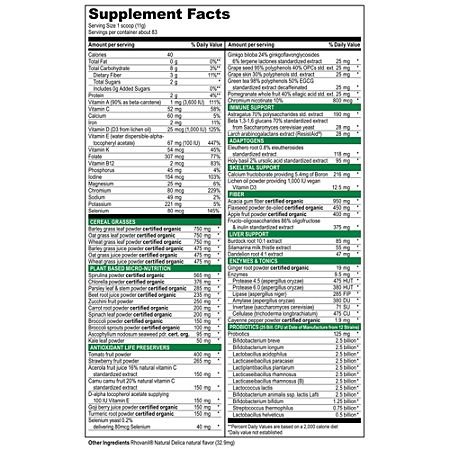
Start with the matching Supplement Facts panel and any full ingredient information supplied for the selected product. A retailer summary can highlight selected organisms while leaving the complete list to another image or manufacturer resource. Obtain the full information before treating a short description as comprehensive.
Record brand, complete product line, format, flavor where relevant, and selected size. Related formulas can have different organisms or quantities even when their artwork looks similar. Keep the list attached to the exact version it describes.
If the image is cropped or too small to read, ask for a readable current panel. A missing character in a strain code can matter to identification, so copying an approximate spelling from a blurry image is less useful than recording the field as unconfirmed.
Distinguish genus, species, and strain
The NIH Office of Dietary Supplements’ probiotic information explains that probiotic microorganisms are identified by genus, species, and strain. Its example, Lacticaseibacillus rhamnosus GG, illustrates the three-part identification: Lacticaseibacillus is the genus, rhamnosus the species, and GG the strain designation.
Use that naming structure as a reading aid, not as a claim that the example organism is present in a product you are browsing. Copy the exact label wording and record any missing designation. A species name alone should not be silently expanded into a specific strain.
Preserve letters, numbers, punctuation, and other identifying characters when supplied. If the manufacturer uses an abbreviation or an alternate name in another resource, ask how the statements relate rather than assuming that similar-looking terms identify the same exact component.
| Identification field | What to retain | Why it matters |
|---|---|---|
| Genus | Full label wording | First part of microorganism identification |
| Species | Full label wording | More specific identification within the named genus |
| Strain designation | Exact disclosed code or name | Distinguishes the stated strain information |
| Quantity basis | CFU statement and serving basis where supplied | Keeps identity separate from amount |
| Disclosure limit | Missing or unreadable fields | Prevents inventing a more specific identity |
What if a label supplies only genus and species?
Record exactly what is disclosed and identify the missing strain designation in a separate field. Do not assign a familiar strain code from another product, a search result, or a general article. The more specific identity requires relevant product information.
Ask the manufacturer whether strain-level details are available for the exact formula. Include the product link, version, and the microorganism wording you are trying to clarify. A general answer naming the species may leave the original strain question unresolved.
A useful comparison can remain incomplete when a field is undisclosed. Keeping that limitation visible is more accurate than creating a complete-looking list from assumptions. It also helps you focus follow-up questions on the information that actually affects your decision.
How should a multi-organism formula be recorded?
Create a separate row for every disclosed organism and preserve the full wording. Keep any combined blend heading outside the individual identity fields so that the total description does not replace the component list.
If quantities are supplied only for the combined formula, record that basis. A total CFU figure does not automatically disclose each organism’s share. Avoid dividing the total equally among the list simply because several names appear under one heading.
Count only what the label clearly identifies according to the comparison you are making. A front claim about a number of strains can require clarification if the detailed list does not show corresponding designations. Ask for an explanation rather than manufacturing the missing codes.
Keep CFU separate from strain identity
A microorganism name identifies what is listed, while a CFU statement describes a quantity on its stated basis. Preserve both fields instead of allowing a large front number to stand for the complete formula. An organism count and a CFU count also answer different questions.
Read the serving basis and any time-related qualification attached to the quantity. A per-serving figure should not be relabeled as a per-capsule or per-scoop amount without a separate explained calculation and clear inputs.
If individual quantities are not disclosed, keep that limitation. A precise total can coexist with incomplete component-level information. The comparison should show both rather than implying that one number supplies every detail.
How should research or benefit claims be matched?
Identify the specific claim being made and what supporting information is offered. A general statement about a species or a product category may have a different scope from evidence about a named strain or finished formula. Preserve that distinction when comparing resources.
Record which organism, formula, quantity basis, population, and outcome the cited information actually concerns. A product label and a study can be useful together only when their relationship is clear. Similar terminology alone does not establish a match.
For a personal question about a health condition or suitability, use the complete product information when seeking qualified guidance. A retail worksheet can organize the disclosed facts but should not select a probiotic regimen from a headline claim.
What should I check in a combination product?
A product can include probiotics alongside vitamins, minerals, fiber, greens, or other ingredients. Record the microorganism list separately from the rest of the formula. Additional components can make the product a different purchase from a simpler probiotic formula.
Check the complete other-ingredient statement and relevant dietary information for the exact version. A claim about one component should not automatically describe the finished product, capsule materials, or every other ingredient.
If a blend leaves component quantities or identities unclear, ask a focused question. Do not use the total mass of a combination powder as a substitute for microorganism quantity or strain identity. Those fields need their own disclosed information.
Review the source and date of the information
Keep the exact label source and date checked alongside the list. A retailer image, manufacturer explanation, and research paper are different types of sources. Identify what each contributes instead of merging them into an unqualified specification.
If names differ between the package and another resource, describe the discrepancy and ask the manufacturer to clarify. Preserve the original wording so that a response can be traced to the actual question. Avoid silently replacing a label term from memory.
If the selected version changes, revisit the list. A response about one formula or format should not automatically be carried over to another product. The same brand name does not establish identical microorganisms across its range.
What practical label details belong beside the list?
Record storage directions, relevant package date information, format, and labeled servings. These details help describe the actual purchase rather than only its advertised organism count. Read the product’s own instructions instead of transferring handling assumptions from another formula.
For a larger order, ask about available date information for offered stock when it affects your plans. An old photograph cannot establish the date on a future package. Keep unknown information visible instead of guessing from a general category.
Consider whether the preparation and storage requirements fit your setting. A powder, capsule, chewable, and packet can involve different handling. Convenience is a purchasing preference separate from identity, evidence, and personal suitability questions.
How should costs be compared?
Start with the selected package price and confirmed labeled serving count. Divide the price by servings for a basic purchasing metric. Keep the full microorganism list and disclosure limits beside the result so that a low number is not mistaken for formula equivalence.
The following invented examples demonstrate package arithmetic only. They are not current prices, actual product specifications, or suggested amounts. The table does not rank strains or claim a relationship between cost and effects.
| Hypothetical package | Item price | Labeled servings | Cost per labeled serving |
|---|---|---|---|
| A | $24 | 30 | $0.80 |
| B | $36 | 60 | $0.60 |
| C | $21 | 30 | $0.70 |
| B with $6 allocated delivery | $42 total | 60 | $0.70 |
Include applicable checkout charges consistently. Record subscription, coupon, and multi-buy conditions. A promotional first price should not be treated as permanent recurring cost, and a bundle needs confirmed contents before its labeled servings are totaled.
A larger package can reduce unit cost while increasing the initial commitment. Consider the exact formula, available information, practical handling, and storage requirements before choosing solely by size. A shorter shortlist with clear disclosure can be easier to evaluate than many incomplete alternatives.
Ask questions that address the missing field
Send the exact product link, selected version, and microorganism wording. Ask for a complete current list, a specific missing strain designation, or clarification of the quantity basis. A focused request is more useful than asking only whether the product contains good bacteria.
If the front claim and detailed panel appear inconsistent, describe the conflict directly. Ask which information applies to the offered item. Keep the uncertain field unconfirmed until clarified rather than choosing the more attractive count or description.
| Missing information | Focused request | Record to retain |
|---|---|---|
| Full list | Current complete microorganism statement | Exact product identity |
| Strain designation | Product-specific code or name if available | Original wording and response |
| Individual quantity | Whether component-level CFU is disclosed | Disclosure limit if unavailable |
| Version mismatch | Which panel matches the selected option? | Confirmed current version |
| Claim evidence | What specific support relates to the claim? | Scope and source of information |
Save the answer with the date checked. Before checkout, confirm the selected option and payable total. After delivery, compare the actual label, format, physical count, and package condition with the information that supported the purchase.
Review the completed worksheet
Read across each identity row to compare like information, then down each product column to confirm that all entries belong to the same version. Keep an abbreviation key if your notes shorten any names, while retaining the original full wording. This makes a later review easier without losing characters that may be relevant to identification.
Frequently asked questions about probiotic strain labels
Is a species name the same as a strain designation?
Keep them as separate identity fields. Copy the exact label wording and do not add a familiar strain code unless relevant product information establishes it for the selected formula.
Does a front strain count provide the complete list?
Use the detailed microorganism information and ask for clarification when the list or designations are missing. A headline count should not replace the actual disclosed identities.
Can I divide total CFU equally among listed organisms?
A combined total does not establish equal component shares. Record individual quantities only where disclosed and keep any limitation visible in the comparison.
Can a study about a related name verify a product claim?
Check the exact organism, formula, quantity basis, population, and outcome addressed. Preserve the scope of the evidence rather than assuming that similar terminology establishes the same conclusion.
Should price decide the comparison first?
Confirm essential product information and requirements before using price to choose between candidates. Serving cost is one purchasing metric, while identities, disclosure, handling, and evidence remain separate fields.
What should I keep in my notes?
Retain product identity, full microorganism wording, strain designations where disclosed, quantity basis, serving information, complete formula, sources, dates, price conditions, and unanswered questions. Preserve original statements beside calculations or summaries.