




Blog
What storage instructions should I check before buying a supplement?

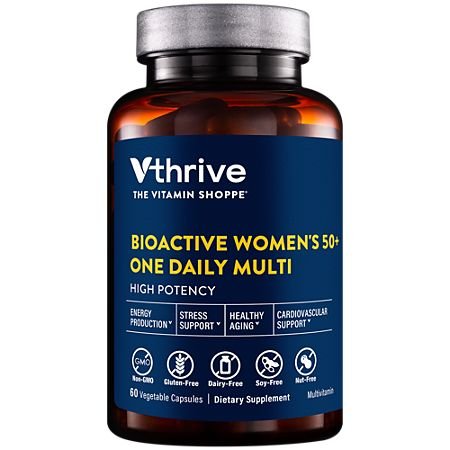
Before buying a supplement, check the exact product’s storage directions, any instructions that change after opening, available package date information, and requirements relevant to the order you intend to place. Keep those details attached to the selected formula and format. A general category name or another product’s routine does not provide a complete handling specification.
This guide explains a practical pre-purchase storage review for supplements, including digestive-health products. It covers current labels, powders, liquids, capsules, delivery questions, package quantities, and records to keep. It does not invent universal temperature limits or establish the condition of a particular package without relevant information.
Identify the exact product and format
Record brand, full formula name, selected version, flavor where relevant, and package size. Storage information should match that identity. A brand can sell several related formulas with different directions, so a familiar logo should not substitute for the actual instruction.
Use the manufacturer’s format description, such as capsules, tablets, gummies, liquid, powder, or packets. This helps identify the handling steps you need to investigate. Physical format is useful context, but it should not be treated as a universal storage rule.
Check whether the retailer’s label image matches the selected option. If the title, image, and panel appear inconsistent, ask which information applies to offered stock. A clear answer should identify the product rather than merely describing the category in general.
Find the complete current storage statement
Read the entire instruction rather than copying only a short phrase from a preview. Keep qualifications about opening, temperature, moisture, light, or the container wherever the actual product supplies them. Preserve the original wording so its meaning can be checked later.
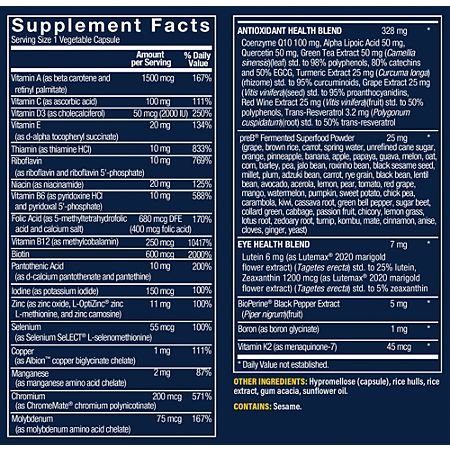
If a label photograph is cropped or unreadable, request a complete current image or a matching manufacturer resource. A front photograph can identify the item without showing the directions. Missing information should remain unconfirmed rather than being filled from memory.
Record the source link and date checked. Product information can be updated, and an older image may describe another version. If the selected option changes, revisit the matching storage statement rather than carrying a previous answer forward automatically.
| Information to collect | Where to look | Why it matters |
|---|---|---|
| Exact product identity | Selected option and matching label | Keeps instructions version-specific |
| Unopened directions | Complete package or manufacturer statement | Defines the stated initial storage basis |
| After-opening directions | Any separate instruction supplied | Identifies changes between stages |
| Date information | Actual package or relevant stock confirmation | Supports quantity planning |
| Container guidance | Product-specific directions | Keeps handling tied to the supplied formula |
| Unresolved questions | Focused manufacturer or seller response | Makes limits visible before ordering |
Separate unopened and opened-package instructions
Check whether the product distinguishes those stages. If it does, record both statements separately. A condition applying only after opening should not be rewritten as a statement for every stage, and the reverse also applies.
If one stage is unclear and it affects your plans, ask the manufacturer about the exact formula. Quote the wording you can see and identify what you need explained. A narrow question is easier to resolve than asking how supplements generally should be stored.
Keep any relevant opening record for your own organization without creating a new use period. The manufacturer’s actual date and instructions remain distinct from a note you make about when a container was opened.
Read temperature wording with its unit and context
If a numerical range is supplied, retain the unit, limits, and relevant stage. Avoid copying a bare number into a worksheet without explaining what it refers to. A unit or qualification omitted from a small image can materially change the interpretation.
If the label uses a broad phrase rather than a numerical range, seek product-specific clarification when your intended setting raises a question. Do not invent a universal definition from another product or assume that one short phrase answers every possible environment.
Avoid creating alternative instructions such as freezing, repackaging, or changing containers solely from a general belief about storage. The purchasing task is to establish the relevant supplied directions, then determine whether they fit the actual setting.
What should I check for a powder?
Read directions concerning the actual powder and its supplied package. Keep the serving measure, preparation steps, and storage statement in separate fields. A scoop or portion description does not itself establish a complete handling instruction.
Consider the practical setting in which the powder would be measured or prepared. Determine what equipment and space the actual directions involve. Convenience is a purchasing preference separate from a claim about ingredient quality or effects.
If a larger tub is unfamiliar, compare the initial commitment with a smaller option. Read date information and storage requirements before choosing solely by price per serving. A lower unit cost does not answer whether the package fits your storage plans.
What should I check for a liquid?
Look for any explicit distinction between unopened and opened storage, together with the manufacturer’s actual measuring and handling directions. A large bottle’s volume and a nutrient concentration are separate quantities and do not supply missing storage information.
If the package includes a measuring device or a particular method, retain that information with the exact formula. Avoid transferring another liquid’s routine into the selected product’s record. Similar physical formats can still have different instructions.
Ask a focused question if the listing omits information essential to your planned purchase. A product-specific answer is more useful than guessing from the word liquid or from a customer review about another version.
What should I check for capsules, tablets, or gummies?
Use the exact product’s complete directions and other relevant package information. Physical count describes pieces, not how the formula should be handled. A similar bottle shape or coating does not establish identical storage requirements.
Keep the original product identity and instructions available when planning how the package will be stored or carried. If a particular arrangement raises a question, ask about that arrangement rather than assuming a rule from another product.
For gummies or flavored formats, the selected variant matters to the complete formula record. Keep flavor and version attached to the directions you reviewed. A related package image should not fill a missing statement without confirmation.
How does delivery affect the questions I should ask?
Identify whether the product has a stated requirement relevant to order planning. Ask the seller what actual handling information can be confirmed and the manufacturer what product-specific clarification is available. Keep home storage and transport questions separately identified.
Do not invent shipping methods, packing practices, temperature-control arrangements, or replacement terms on the seller’s behalf. A guide can explain what to ask, while the actual answer must come from relevant confirmed order information.
If you ask about a particular route or exposure, describe the actual circumstances. A broad response about normal storage may not address the specific question. Preserve the limits of the answer rather than turning it into a guarantee for every journey.
| Situation | Focused question | Information to keep |
|---|---|---|
| Missing label directions | Can you provide the complete current statement? | Matching product identity |
| Opening stage unclear | Do different instructions apply after opening? | Exact manufacturer response |
| Intended storage setting | What does the instruction mean for this setting? | Actual conditions being asked about |
| Delivery question | What confirmed order handling applies? | Real terms rather than assumed practices |
| Uncertain package history | What product-specific information is relevant? | Observed facts and identifiers |
Check date information before buying a large quantity
Ask what can be confirmed for offered stock when date information affects your quantity decision. An old image or review cannot establish the date on a future order. Keep the relevant field unknown when the information is unavailable.
Read the wording associated with each date. A product date, a laboratory report issue date, and the date of a manufacturer answer can describe different events. Do not merge them into a single field without checking their meaning.
A larger package may lower unit cost while increasing upfront commitment. Consider familiarity with the formula, storage space, relevant instructions, and available dates alongside price. A low ratio should not resolve practical questions that remain unanswered.
Keep evidence and price separate
A premium price does not supply missing directions, and a discount does not establish a problem. Compare the actual information first. Then evaluate the selected package cost and order conditions as separate purchasing fields.
Use confirmed labeled servings for cost-per-serving arithmetic. The following examples are invented budgeting figures, not current offers or specifications. They show how a larger package can have a lower unit cost while involving more money upfront.
| Hypothetical package | Item price | Labeled servings | Cost per labeled serving |
|---|---|---|---|
| Small A | $18 | 30 | $0.60 |
| Large B | $30 | 60 | $0.50 |
| Alternative C | $24 | 60 | $0.40 |
| Large B with $6 allocated delivery | $36 total | 60 | $0.60 |
Include applicable checkout charges consistently. Record subscription, coupon, and multi-buy conditions. A first-order reduction is a different arrangement from an unconditional one-time price, and a bundle requires confirmed included products before its servings are totaled.
Keep formula differences beside the arithmetic. Equal serving costs do not establish equal ingredients, quantities, or handling requirements. The comparison should make those limits visible rather than presenting one price metric as a complete ranking.
What should I do when sources disagree?
Describe the exact conflict between the retailer page, label photograph, and manufacturer resource. It might involve a different version or an incomplete image. Ask which statement applies to the offered product before relying on a preferred interpretation.
Do not create a combined specification by taking the most convenient instruction from each source. All fields in the record should describe one confirmed formula and package. Keep uncertainty visible while a focused question is answered.
Save the response with the date and product identity. If the selected option changes, review whether the answer still applies. A general brand statement can be useful context without establishing the direction for every product in the range.
Review the delivered package
Compare product identity, version, label, size, relevant dates, and package condition with your saved order information. Read the actual supplied directions again. A delivered item is the package whose information needs to match the purchase record.
If there is a discrepancy, retain relevant identifiers and describe the difference precisely when contacting the seller. A changed instruction or formula should not automatically be dismissed as a design update, while a layout change alone should be checked for substantive differences.
Avoid declaring the contents acceptable or unacceptable solely from appearance or a remembered rule for another product. Seek relevant product-specific clarification and appropriate qualified guidance where the situation requires it. Keep conclusions tied to the facts available.
Build a compact storage worksheet
Use separate fields for exact product, source link, date checked, unopened directions, after-opening information, relevant package dates, container guidance, and unresolved questions. Keep actual wording available beside any summary.
Read the worksheet across fields to compare like information, then down each product column to confirm that all entries describe the same version. This catches a common error in which individually plausible facts actually belong to different packages.
Update the record when clarification changes an input. A short, accurate worksheet can be more useful than a large ranking with guessed instructions. The goal is to know whether the selected purchase fits the actual requirements and available information.
Frequently asked questions about supplement storage
Can I apply one storage rule to every supplement?
Use the exact finished product’s directions. Category names and similar formats do not establish identical instructions across formulas. Request matching current information when an essential statement is unavailable.
Should unopened and opened instructions be combined?
Keep them separately identified where the product distinguishes the stages. Preserve qualifications rather than turning a stage-specific instruction into a statement for every situation.
Does a product photograph establish the date on my order?
An older or representative image may not identify the stock supplied. Ask what can be confirmed for the offered item when date information affects your quantity decision.
Can a storage statement guarantee every delivery situation?
Keep home storage and transport questions separate. Use actual confirmed order information and product-specific clarification rather than inventing a shipping practice or guarantee.
Does a lower serving price answer storage questions?
Price is a separate purchasing field. Confirm essential handling information first, then compare cost alongside formula, format, initial commitment, available dates, and actual order conditions.
What is the best final check before ordering?
Confirm the exact selected formula, current directions, relevant opening-stage information, available dates, package size, labeled servings, and payable total. Keep unresolved essential questions visible until clarified.