




Blog
How do I compare vitamin C capsules, tablets and powders?


A useful vitamin C comparison separates three questions: which vitamin C ingredient is listed, how much is disclosed per labeled serving, and how the product is prepared or handled. Capsules, tablets, chewables, and powders describe physical formats. Ascorbic acid and other ascorbate descriptions identify ingredient forms. Keeping those distinctions clear makes it easier to compare the products that actually meet your requirements.
This guide explains how to evaluate vitamin products by their labels, additional ingredients, format, package quantity, and cost. It includes a practical worksheet, worked price examples, and questions to use when information is missing. Personal decisions about supplement suitability or amounts require more context than a retail comparison.
Begin with the exact vitamin C ingredient
The NIH Office of Dietary Supplements’ vitamin C information describes ascorbic acid as a common supplement form and identifies other forms, including sodium and calcium ascorbate. Record the actual wording on the selected product so that ingredient form and physical format remain separate in your notes.
A capsule can contain a particular ingredient form, and a powder can contain that form or a different formula. Read the panel instead of treating the word capsule or powder as the answer to the ingredient question. Related product names may also cover different combinations.
Where the label identifies a form alongside vitamin C, preserve the full description. If a title uses a branded or technical phrase, investigate what the current ingredient statement says. The phrase can help identify the product, while the panel supplies the disclosed quantities and formulation details.
Define the comparison you need
Choose the questions that matter before browsing a long list. You might be comparing a familiar capsule with a chewable, investigating a particular ingredient, or looking for clear serving information. A shortlist based on those requirements is easier to review than a ranking based only on bottle price.
Separate essential requirements from flexible preferences. A required ingredient statement should be confirmed first. Flavor, package size, and initial outlay can then be weighed among suitable candidates. This sequence helps you avoid buying an unsuitable formula simply because a larger package appears economical.
Record the complete product identity: brand, line, format, flavor where relevant, and selected size. Keep each image and label attached to that identity. A photograph from another flavor or older version may not establish the formula you intend to order.
Read serving size before comparing amounts
The quantity of vitamin C shown on a panel belongs to its stated serving basis. Read that basis before copying a number. A serving may involve more than one capsule or tablet, while a powder may use a specified measured portion. Keep the unit and portion together.
Physical count and labeled serving count answer different questions. A bottle containing more pieces can represent fewer servings if its stated portion includes more pieces. Use the confirmed labeled serving count for serving-cost calculations rather than assuming that every capsule or chewable represents a full portion.
For a powder, distinguish total net weight from disclosed vitamin C quantity. A combination powder may contain several ingredients. The total mass of the powder should not automatically be described as the mass of vitamin C, and a blend total may leave individual quantities undisclosed.
| Comparison field | Information to collect | Practical use |
|---|---|---|
| Ingredient form | Exact vitamin C description | Identifies the formula being compared |
| Physical format | Capsule, tablet, chewable, or powder | Clarifies handling and preparation |
| Serving basis | Number of pieces or stated measured portion | Defines the nutrient amount’s basis |
| Vitamin C amount | Disclosed quantity and unit | Supports a specific quantity comparison |
| Other ingredients | Full statement for the selected variant | Checks additional requirements |
| Labeled servings | Confirmed package count | Supports price arithmetic |
Compare capsules by contents and serving information
For capsules, record the physical count and the labeled serving size separately. Check the shell information and other ingredients where supplied if those details matter to your requirements. A claim about the vitamin C ingredient may have a narrower scope than a statement about the finished product.
Review whether the formula includes other nutrients, plant ingredients, or blends. A capsule sold with vitamin C in its title can still be a combination product. Record those additions separately rather than reducing the entire purchase to one front-label number.
Consider the package and handling details that fit your plans. A smaller bottle may be easier to carry, while a larger one may have a different unit cost. Neither feature settles the ingredient comparison, so keep practicality and formulation in separate parts of your worksheet.
Compare tablets and chewables using the exact format
Check whether a product is described as a tablet, caplet, or chewable. Use the manufacturer’s actual format description and directions. These distinctions matter when deciding whether the product fits your preferred preparation and handling routine.
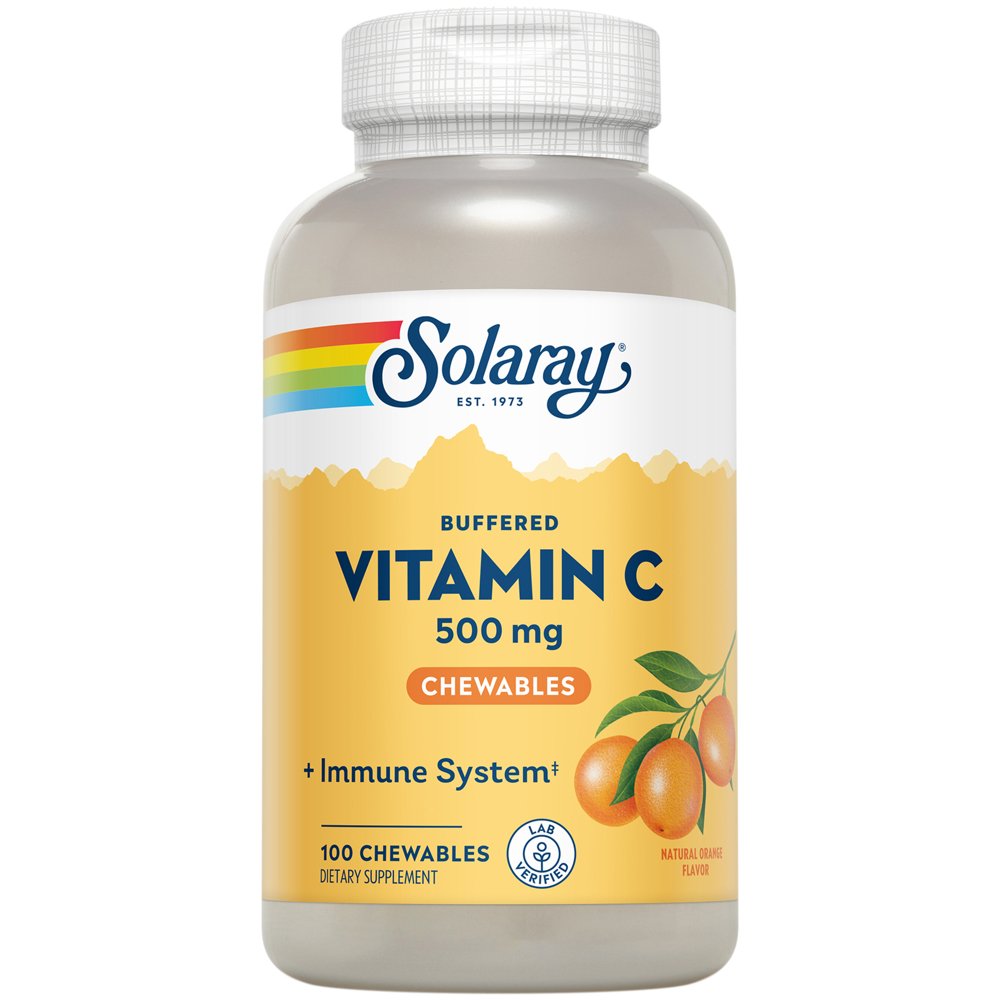
For a flavored chewable, read the complete ingredient statement alongside the flavor name. The name alone does not establish every sweetening, coloring, or flavor ingredient. Check the selected variant when a particular ingredient matters to the purchase.
Taste reviews can identify preferences to investigate, but they do not confirm nutrient quantities or guarantee your experience. Look for comments about the same exact version and keep subjective flavor notes separate from the disclosed label record.
What should I check for a powder?
Read the stated portion and measuring instructions for the exact formula. Confirm whether the manufacturer refers to a supplied scoop, a specified mass, or another measure. A household spoon or a scoop from another product should not be assumed to represent the same portion.
Check preparation directions, flavor, and the complete ingredient statement. A powder intended for mixing can involve practical considerations such as a container, liquid, and cleanup. Evaluate those steps in the setting where you expect to prepare it rather than assuming that a powder is always more convenient.
This guide’s discussion of powders is educational. It does not confirm current stock of a standalone vitamin C powder. A combination powder that includes vitamin C should be identified as that combination, with its own label and additional ingredients reviewed independently.
Keep formulation claims separate from shopping preferences
A product may use terms such as buffered or a branded delivery description. Record the precise claim and ask what evidence supports the specific statement if it influences your decision. Avoid treating a technical-sounding name as an automatic ranking of every available format.
Keep a preference for a capsule or a particular flavor separate from a conclusion about effects. Practical fit can be a valid purchasing reason without being described as a health advantage. The label comparison should make the reason for your choice clear.
For questions involving personal tolerance, medicines, health conditions, or overall intake, use the complete product information when seeking qualified advice. A retail worksheet can organize the details, but it cannot establish an appropriate routine from marketing phrases alone.
Build a fair cost comparison
Start with the payable package price and confirmed labeled servings. Divide the price by that count to calculate cost per labeled serving. Keep the physical count or net weight beside the calculation so that you can trace the denominator back to the label.
If you also compare cost per disclosed quantity of vitamin C, use the vitamin C amount actually provided on the panel and show the unit. A broader blend total or total powder mass cannot supply a missing vitamin C quantity. Leave that metric unavailable when the required input is undisclosed.
The following figures are hypothetical purchasing examples. They are not current prices, product specifications, or suggested amounts. They demonstrate how an initial package price and a serving price can lead to different impressions.
| Hypothetical option | Item price | Labeled servings | Cost per labeled serving |
|---|---|---|---|
| Capsule A | $18 | 60 | $0.30 |
| Chewable B | $14 | 40 | $0.35 |
| Powder C | $24 | 60 | $0.40 |
| Capsule A with $6 allocated delivery | $24 total | 60 | $0.40 |
Those calculations do not establish equal ingredient forms or quantities. Check the actual formulas before using price to choose between candidates. A lower cost per serving is one useful field, while the complete product comparison remains broader.
Include the actual order conditions
Use the same currency and treatment of delivery for every option. If products share a delivery charge, explain any allocation rather than presenting it as a fixed product fee. Also compare the complete order total so that an attractive unit number does not hide a larger initial expense.
Record coupon, subscription, and multi-buy conditions. A first-order reduction can describe a different arrangement from a one-time purchase. For a bundle, confirm the included sizes, quantities, and exact formulas before counting its combined labeled servings.
Consider the package commitment before choosing a large quantity. An unfamiliar flavor or format may justify comparing a smaller initial purchase. Read the storage information and ask about available date details for the offered stock where those details affect your decision.
Resolve missing information before choosing
Identify the smallest missing fact that prevents a clear decision. It might be the ingredient form, the serving count, a complete panel, or the exact selected flavor. Include the product link and package size in a focused request to the seller or manufacturer.
If the title and panel disagree, describe the conflict directly. Do not combine the preferred quantity from one source with the lower price of another version. Keep the field unconfirmed until you know which specification applies to the item being offered.
Save the response with the product identity and date checked. Review the selected option again before checkout. When the package arrives, compare its format, label, quantity, and condition with the information that supported your order.
| Unclear information | Useful question | Decision it helps resolve |
|---|---|---|
| Ingredient description | Which vitamin C form is on the current panel? | Whether the formula meets your requirement |
| Portion basis | What is the stated serving for this exact product? | Accurate nutrient comparison |
| Powder measurement | Which measure do the directions describe? | Practical preparation requirements |
| Package quantity | How many labeled servings are supplied? | Reliable serving-cost arithmetic |
| Conflicting variants | Which label matches the selected option? | Correct product identity |
Keep a useful delivery record
Photograph the received product identity and relevant label if you need to raise a discrepancy. Keep the package size, lot information where available, and order reference together. A precise description of a different format or count helps the seller investigate more efficiently than a general statement that the item looks wrong. Follow the actual support process provided for your order.
Frequently asked questions about vitamin C formats
Is ingredient form the same as capsule or powder format?
No. Ingredient form describes the vitamin C ingredient, while physical format describes how the finished product is supplied. Record both fields and compare the exact formula rather than treating one as a substitute for the other.
Does a larger tablet establish more vitamin C?
Use the disclosed panel quantity rather than appearance. Physical dimensions do not establish a verified nutrient amount. Keep the amount, unit, and serving basis together when comparing products.
Can total powder weight be used as vitamin C weight?
Only if the exact disclosed composition establishes that relationship. A flavored or combination powder can contain other ingredients. Read the vitamin C quantity separately and preserve any limitation in the available information.
Are the hypothetical price examples live offers?
No. They demonstrate arithmetic only. Check the selected live listing and actual checkout total for a purchase, including the relevant size, quantity, and promotional conditions.
What if a panel is unreadable?
Request a clear current panel for the selected product. Mark the relevant quantities unconfirmed until you can read the amount, unit, and serving basis accurately. A guessed value is not a reliable comparison input.
What is the best final check?
Confirm the exact ingredient form, physical format, full formula, serving information, package quantity, directions, and payable total. Resolve essential unanswered questions before relying on a comparison and retain the details needed to check the delivered package.