




Blog
How do I compare multivitamin labels?

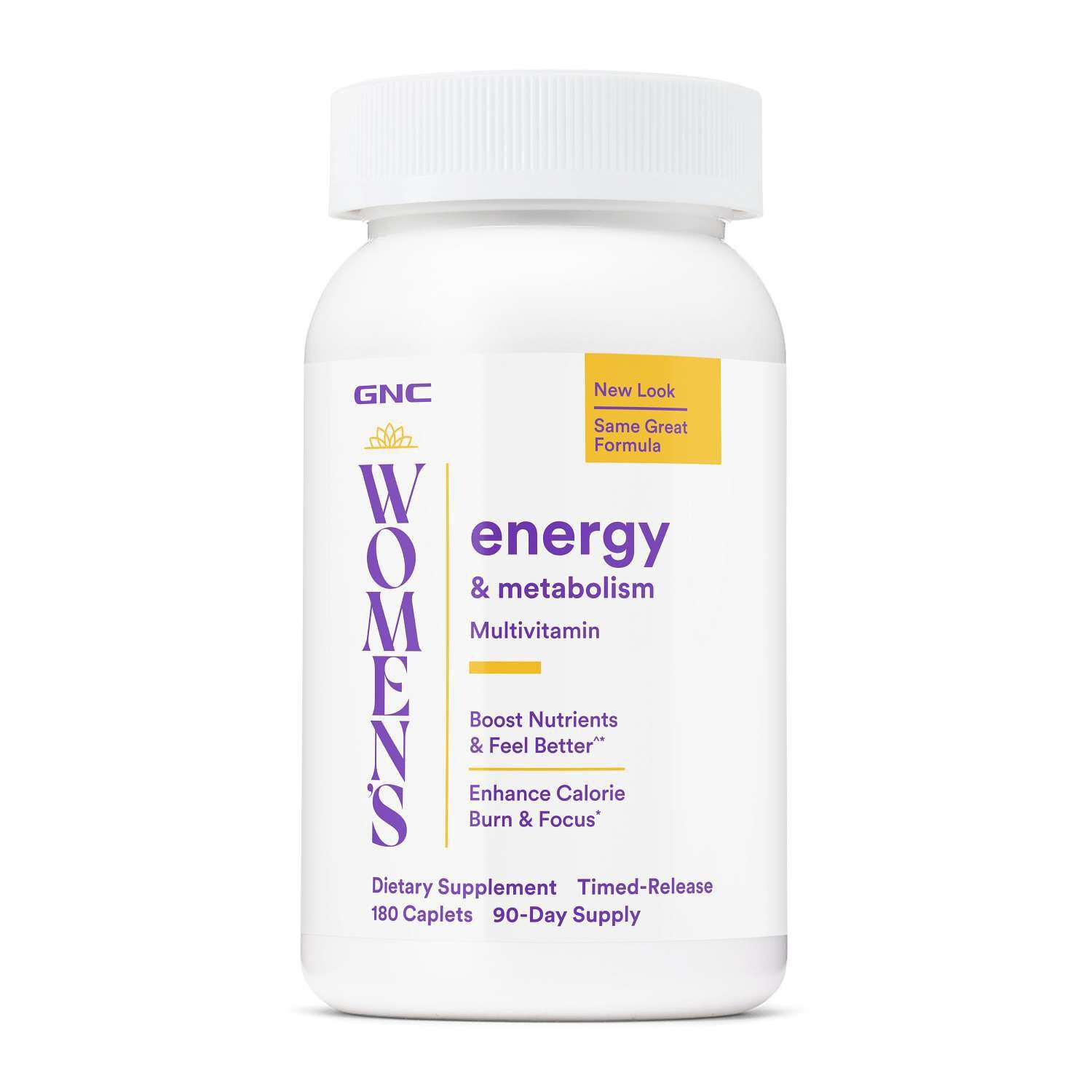
Compare multivitamin labels by matching the exact products, reading their serving sizes, and recording the nutrients and quantities on the same basis. Do not choose only by the number of ingredients or the largest percentage printed on the panel. A useful comparison separates what the label discloses from what you need to investigate further.
This guide explains how to review multivitamins as purchases, including package counts, nutrient amounts, Daily Values, additional ingredients, formats, and price. It helps you organize information for a clearer decision. It does not determine your individual nutrient needs or replace advice about medicines, health conditions, or supplement suitability.
Why can two multivitamin labels look so different?
The NIH Office of Dietary Supplements’ consumer fact sheet explains that there is no standard multivitamin/mineral formula or standard ingredient list. Products can therefore differ in the nutrients included, their quantities, and other ingredients. The category name alone is not a complete specification.
Begin with the actual formula rather than assuming that every item labeled multivitamin is interchangeable. A product marketed for a particular group or routine may differ from another product in the same brand range. Read the exact label instead of transferring a remembered ingredient list from a previous purchase.
A comparison works best when you decide which questions you need answered. Are you checking a specific nutrient, comparing package value, investigating additional ingredients, or looking for a manageable format? Defining the question prevents a large ingredient count or a promotion from dominating the decision.
Which product version am I comparing?
Record the brand, full product name, intended label group, format, and package count. A brand can sell related formulas for different groups, as well as tablets, capsules, gummies, liquids, and daily packs. Similar artwork does not establish identical ingredients across those products.
Check the front image against the panel photograph. If the title names one formula while the panel appears to belong to another, request clarification. An older image may also differ from a current version. Do not combine numbers from separate labels into a specification that no single product confirms.
Save the date and source of the information. This is particularly useful when comparing several retailers or revisiting the decision later. When the order arrives, compare the actual package with the product information that supported the purchase and raise any discrepancy with the seller.
What does the serving size change?
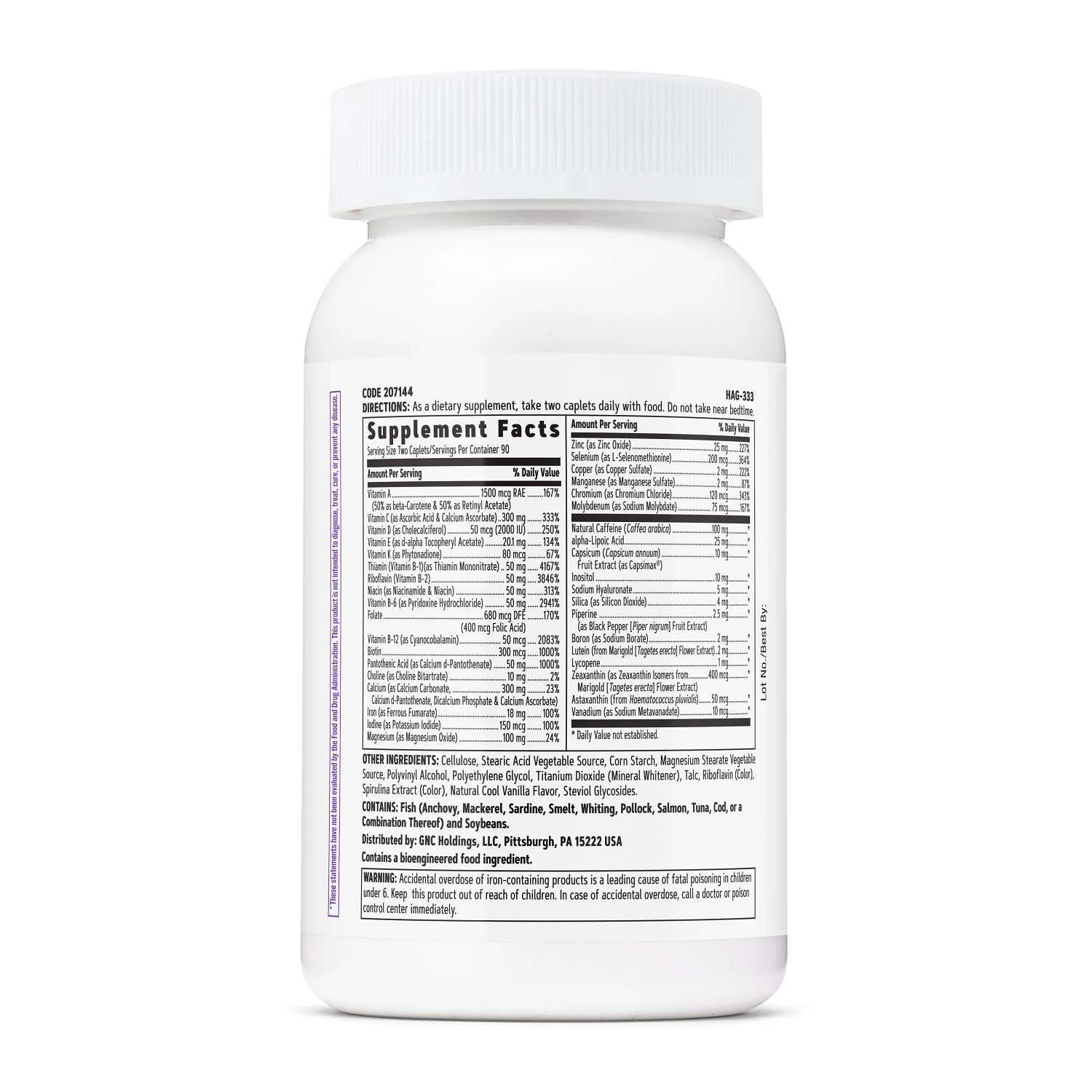
Read the serving-size line before comparing any nutrient amount. A panel may report quantities for more than one tablet, capsule, gummy, or other unit. The stated number belongs to that full serving, not automatically to each physical unit in the package.
Keep the physical unit count separate from servings per container. A bottle with a large caplet count can provide fewer labeled servings if the stated serving contains multiple caplets. Use the confirmed serving count for cost-per-serving calculations, and investigate any mismatch between the title and panel.
Do not change product directions to make two formulas appear equivalent. If you calculate a per-unit average for comparison, label it as arithmetic based on disclosed information and retain the original serving value. A shopping calculation should not become a recommendation about an amount to take.
| Field to record | Example of the information needed | Why it matters |
|---|---|---|
| Exact formula | Full product line and version | Prevents mixing related products |
| Physical unit count | Tablets, capsules, gummies, or packs | Identifies package quantity |
| Labeled serving | Number of units in the stated serving | Defines the basis for nutrient amounts |
| Servings per container | Confirmed label count | Supports cost-per-serving arithmetic |
| Nutrient amount | Number and unit on the panel | Allows a specific comparison |
| Additional ingredients | Complete ingredient statement | Reveals differences beyond the nutrient headline |
How should I read nutrient quantities and units?
Copy each nutrient’s name, amount, unit, and stated form where provided. Keep the unit attached to the number. A value in micrograms is not directly comparable with a value in milligrams unless you convert the units correctly. One milligram equals one thousand micrograms.
Be careful with nutrients whose label descriptions use additional expressions or equivalents. Do not make a conversion from memory when the basis is unclear. Keep the original label wording and consult the relevant authoritative nutrient information if a specific comparison requires more explanation.
For a practical shopping record, compare a small set of nutrients you are actually investigating before expanding the table. This makes differences easier to notice and reduces copying errors. It is more useful than ranking products by the sum of unrelated nutrient numbers, which do not form a meaningful combined score.
What does the percentage Daily Value tell me?
The NIH consumer fact sheet explains that supplement labels use Daily Values, which are not always the same as other nutrient reference amounts. Treat the percentage as label information on its stated basis, rather than a personalized measure of how much you need from that product.
A larger percentage should not automatically receive a better score in a product comparison. Record the amount and percentage accurately, then consider the specific nutrient question you are trying to resolve. Individual suitability depends on more than comparing the largest figures on two bottles.
If a panel says that a Daily Value has not been established for an ingredient, do not interpret the missing percentage as zero quantity or as a sign that the ingredient is unimportant. Read the disclosed amount and preserve the distinction between quantity and the availability of a reference percentage.
What about ingredient forms and added blends?
Where the label identifies a nutrient form, record it exactly. Do not assume that different names establish a meaningful advantage without relevant evidence. A product’s use of a technical-sounding ingredient name is a reason to investigate the claim, not automatic proof of superior suitability.
Separate vitamins and minerals from other formula components. A product may include botanicals, amino acids, or other ingredients, and the panel may disclose them individually or in blends. A long formula can raise additional comparison questions rather than settling the decision through ingredient count alone.
If a blend lists a total without individual component amounts, keep that limitation visible. Do not divide the total equally among its ingredients or assume a particular ingredient’s amount. If a missing quantity matters, ask the manufacturer what information is available for the exact formula.
How do I compare formats fairly?
Compare the formula as well as the format. A gummy, capsule, tablet, liquid, and daily pack can differ in ingredients, labeled serving, package quantity, and preparation or handling. Do not assume that changing format preserves the same nutrient list or amounts.
Consider practical preferences such as carrying the product, measuring a liquid, opening a pack, or storing the package. These can influence which format suits your routine, but they do not prove that one formula is nutritionally preferable. Keep convenience and ingredient comparisons in separate columns.
Check other ingredients and any relevant allergen or dietary statements for the exact product. The capsule shell, gummy ingredients, flavoring, or liquid base may matter to your requirements. A broad word on the front does not answer every question about the finished formula.
| Comparison topic | Useful question | Shortcut to avoid |
|---|---|---|
| Nutrient list | Which nutrients and amounts are actually disclosed? | More listed ingredients always means better |
| Daily Value | What percentage is shown on this serving basis? | The largest percentage is the best choice |
| Ingredient form | What exact form and supporting information are provided? | A technical name proves superiority |
| Format | Does the format and its formula meet my requirements? | Every format contains the same ingredients |
| Blend disclosure | Are individual quantities available? | A blend total reveals every component amount |
What should I record about other products I already use?
Keep a list of the exact supplements and fortified products relevant to a personal suitability discussion. The NIH consumer guidance notes that multivitamins can interact with medicines and that nutrient intake can come from multiple sources. Do not evaluate a new label as though it were the only source of nutrients in your circumstances.
For shopping preparation, record the product names, serving information, and relevant nutrient amounts accurately. Bring that information to a qualified professional when asking whether a product is appropriate for you. Avoid trying to resolve a personal interaction or excess-intake question solely by comparing retail descriptions.
Do not add several products to a routine just because their marketing names suggest different purposes. Different names can still involve overlapping ingredients. A clear record makes those overlaps easier to investigate without assuming that the products are automatically compatible.
How do I compare multivitamin prices?
Begin with the confirmed package price and labeled servings. Divide the price by the serving count to calculate cost per labeled serving. This is a purchase metric, not a complete score for the formula. It does not establish that two servings provide the same nutrients or amounts.
The following examples use invented prices and counts. They are not current offers or specifications for the pictured product. Their purpose is to show why bottle price and cost per labeled serving should be kept separate.
| Hypothetical bottle | Item price | Labeled servings | Cost per labeled serving |
|---|---|---|---|
| Bottle A | $18 | 30 | $0.60 |
| Bottle B | $27 | 60 | $0.45 |
| Bottle C | $15 | 20 | $0.75 |
| Bottle B with $9 allocated delivery | $36 total | 60 | $0.60 |
Use the same currency and purchasing conditions for every candidate. If a price depends on a subscription, coupon, or multi-buy offer, record those conditions. Compare the actual checkout total for the order you intend to place rather than relying only on a promotional headline.
A larger bottle may lower the unit cost while increasing the initial outlay. Consider whether the exact product is familiar, whether the package fits your storage plans, and whether date information is available. The largest package is not automatically useful value for every buyer.
What should I ask if the listing is unclear?
Identify the specific missing detail: the exact formula version, a readable panel, serving count, nutrient unit, additional ingredient amount, or relevant dietary statement. Include the selected product link and package size when asking the seller or manufacturer.
If images and text disagree, describe the discrepancy precisely. Ask which information applies to the item being offered. Do not create a combined label by taking one nutrient amount from a photograph and another from an unrelated version’s description.
Keep unanswered questions in your comparison rather than filling them with assumptions. A clear alternative can be easier to evaluate than a cheaper product whose essential information remains unavailable. Before checkout, review the selected option and payable total again to confirm what you are ordering.
Frequently asked questions about comparing multivitamin labels
Are all multivitamins made to the same formula?
No standard formula should be assumed. The NIH Office of Dietary Supplements explains that ingredient lists and quantities vary. Read the exact product’s label, including serving size and additional ingredients, instead of treating the category name as a guarantee of identical contents.
Does the highest Daily Value percentage mean the best product?
Do not use that as an automatic ranking rule. Record the amount and percentage accurately and keep the serving basis visible. Personal nutrient requirements and suitability involve more than a comparison of the largest numbers printed on packages.
Can I compare bottle counts directly?
Bottle counts identify physical units. Read how many units make up a labeled serving and how many labeled servings are provided. Use that confirmed information for a cost comparison rather than assuming that equal capsule or tablet counts represent equal serving quantities.
Should I copy a label from another retailer?
Only use information that clearly matches the exact product and version you are investigating. Another retailer may display a different size, formula, or older image. If the information conflicts, request clarification for the selected item instead of choosing whichever figures are most convenient.
Does a lower cost per serving settle the decision?
It answers one pricing question, but formulas, nutrient amounts, other ingredients, and formats can differ. Establish that the product meets your requirements first. Then use cost per labeled serving alongside the payable total and package commitment.
What is the most useful comparison record?
Keep the exact product identity, label source, serving size, selected nutrient amounts and units, additional ingredients, price, and unanswered questions together. Date the record and update it if the selected version changes. This makes your decision easier to review without turning a shopping worksheet into personal medical advice.