




Blog
What should I check before ordering beverages for an office or event?

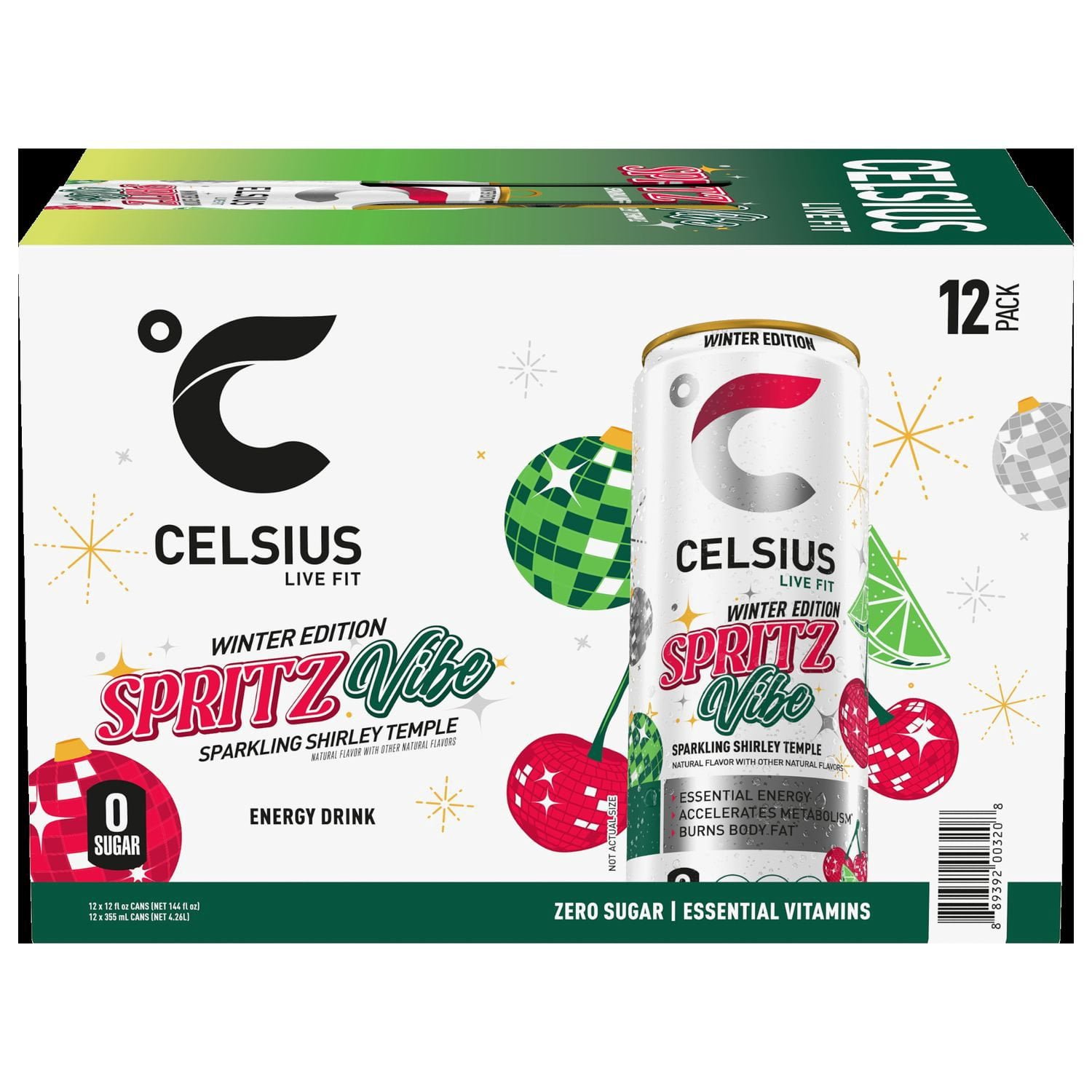
Before ordering beverages for an office or event, confirm the exact products, expected attendance, preferred formats, case counts, delivery timing, and storage arrangements. Keep caffeinated and non-caffeinated choices clearly identified rather than assuming one drink suits everyone. Use a quantity plan with explicit assumptions, then check the actual available selling units and order terms.
This guide explains an organizer’s purchasing worksheet for beverages. It covers preference collection, whole-case arithmetic, budget comparisons, label access, and receiving checks. The worked quantities are hypothetical planning examples, not intake recommendations or a guarantee that a particular event will require that amount.
Define the occasion and the purchasing scope
Write down whether the order supports a one-time event, a recurring office supply, or several separate sessions. Those arrangements can require different quantities and delivery plans. Keep the date, location, expected attendance, and purchasing responsibility together before selecting a case merely because it has an attractive unit price.
Also identify what the order is meant to supply. A beverage purchase may be one optional part of a broader event arrangement rather than the entire drink provision. Clarify what the venue or office already supplies so the comparison does not duplicate stock or assume an item is included elsewhere when it is not.
If several people are organizing, agree on the selected product list and quantity basis. A simple shared record can prevent separate organizers from ordering overlapping cases. This is an internal planning choice, not a claim that the store provides event management, catering, or a custom beverage service.
Ask about preferences before choosing one formula
Collect the relevant preferences at an appropriate level of detail. Options might involve still or sparkling drinks, flavors, sugar-related preferences, caffeine preferences, and the need for readable ingredient information. Do not assume that a familiar brand or popular review score establishes what every attendee wants.
Keep preference collection separate from individualized medical judgments. If someone has a particular ingredient or allergy-related requirement, obtain the exact current label information and allow that question to be handled specifically. A general organizer’s worksheet cannot certify a product as suitable for every person.
Avoid treating several similarly colored cans as interchangeable choices. Regular, sugar-free, and other named versions can have different declarations. Identify the actual products in the plan rather than reducing the list to a broad brand name that leaves the formula unclear.
| Planning field | What to record | What it prevents |
|---|---|---|
| Occasion | Event, office supply, or repeated sessions | Mixing different purchasing periods |
| Attendance | Current estimate and uncertainty | Treating a guess as a confirmed headcount |
| Existing provision | Products already supplied by venue or office | Duplicate or missing purchases |
| Preferences | Relevant requested options | One formula assumed to suit everyone |
| Exact selection | Product, version, flavor, size | Brand-only ambiguity |
| Responsibility | Person handling purchase and receipt | Overlapping or unowned tasks |
Identify caffeine explicitly
For a caffeinated product, record the exact declaration and whether it describes a serving or complete container. Do not infer caffeine absence from a fruit flavor, electrolyte description, or sugar-free name. If the amount or basis is unclear, request product-specific information rather than filling a planning table with a guess.
Keep optional caffeinated choices distinct from other beverage options. The quantity plan should not turn a purchased case into an instruction for attendees to consume a particular amount. This guide does not recommend caffeine intake or determine an individual’s suitability for a product.
Make current product information accessible to the people choosing it. Preserve the actual label rather than replacing it with an informal description such as light energy or natural boost. Those phrases do not provide the amount, basis, or full ingredient declaration needed for an informed product-specific check.
Match package counts with the intended purchasing quantity
Confirm the number of individual containers in each selected offer and the size of each. A case count does not establish one labeled serving per container. Keep retail units, labeled servings, and liquid volume in separate fields so the order arithmetic remains clear.
For an invented planning target of 50 individual units, cases containing twelve units would require five whole cases if only whole cases are available. That supplies 60 units, leaving ten beyond the target. The calculation describes a purchasing arrangement, not an expected consumption amount for a fixed number of people.
If a smaller pack or single-unit offer is explicitly available, compare that actual alternative. Do not assume the store splits cases or sells inner items at the average case price. Use the selling units actually offered and their current applicable terms.
| Hypothetical planning target | Available selling unit | Whole units of that offer needed | Supplied count | Difference from target |
|---|---|---|---|---|
| 50 containers | 12-container case | 5 cases | 60 | 10 above target |
| 50 containers | 24-container case | 3 cases | 72 | 22 above target |
| 48 containers | 12-container case | 4 cases | 48 | Matches target |
| Target uncertain | Confirm actual pack | Scenario only | Recalculate after update | Keep uncertainty visible |
Keep planning assumptions visible
An organizer may use an estimated number of units for a budget scenario, but that estimate should be labeled as an assumption. Attendance, duration, other available drinks, and preferences can change the purchase plan. Do not present a simple multiplier as a universal rule for what each person should drink.
Create a lower and higher purchasing scenario if uncertainty matters. Compare their total cost, whole-case quantities, and storage implications. The purpose is to understand the consequences of the estimate rather than disguise it as confirmed demand.
Update the plan when attendance or product selection changes. A mathematically correct order for an earlier assumption can become a different quantity commitment later. Keep the current target and its date beside the selected cases so that an outdated number is not reused without review.
Confirm variety-pack allocation
A variety pack can help offer several flavors, but confirm what it actually includes. A package image showing three flavors does not necessarily establish equal numbers of each. If attendees have specific preferences, the allocation matters as much as the total case count.
Use separate rows for different formulas or sizes. Do not assume one photographed nutrition panel covers every item in a mixed assortment. If a shared declaration is supplied, preserve the scope it actually states, and request separate information when needed.
Do not invent a custom mixed-brand sampler or substitutions. If several separate cases are selected, describe them as separate products in one order unless an actual combined offer is stated. A practical event plan should match the store’s confirmed offers rather than promise a packing service that has not been established.
Compare the complete budget
Calculate item cost per container using confirmed pack prices and counts, then keep delivery and any other applicable charges separate until known. A lower case unit price may require buying more containers than the planning target. Save both the unit result and the complete purchase commitment.
For an invented example, four twelve-unit cases at 24 currency units each supply 48 containers for an item subtotal of 96 units. If a stated 12-unit delivery fee applies in that hypothetical scenario, the included total becomes 108 units, or 2.25 units per container for those costs. This is not a store quote.
If several products share one fee, keep the actual order total visible and state any allocation method used in an internal worksheet. Do not present an assigned item-level share as the retailer’s official product price. Unknown charges should remain unresolved rather than being entered as zero for convenience.
Check delivery timing against the actual event date
Availability and arrival are different questions. An in-stock statement does not by itself establish dispatch timing, the service available to the destination, or arrival before a particular event. Ask about the exact selected products, quantities, destination, and required date.
Preserve whether a reply is an estimate or a specific commitment. Do not join separate estimates into a guaranteed deadline that the source did not provide. A manufacturer release announcement or general stock guide also does not establish the retailer’s delivery arrangement for the order.
If the event depends on an unresolved deadline, make that uncertainty visible in the plan. This guide does not promise expedited shipping, appointments, venue delivery services, or a backup arrangement. Confirm any such option through the actual available process before relying on it.
Confirm receiving arrangements
Identify who will receive the order and where it should go within the location. Follow the actual information required by the store’s delivery process. A broad office name may not resolve building access or the correct receiving point, so clarify relevant details through the applicable order process.
Check that the selected quantity can be moved and stored as planned. This guide does not provide a universal handling limit or assume specialized equipment is available. Keep physical access, package dimensions, and responsible receiving arrangements distinct from the number of containers in the budget table.
Save the final selected products and counts with the order record. If a substitution or quantity change is proposed, revisit both preferences and label information. A different version should not be treated as automatically equivalent merely because it arrives before the event.

Plan storage and serving without inventing product rules
Read the actual storage directions for each selected beverage. Keep unopened instructions separate from any after-opening information. A serving suggestion such as preferred taste when chilled should not automatically become a complete storage requirement unless the label supplies that direction.
If chilling or storage space matters, obtain the relevant package dimensions and compare with usable space. Total fluid volume does not establish the carton’s shape or how many cases fit. Do not create a stacking or shelf-load recommendation from geometry alone; use applicable actual guidance.
For powders, confirm the directed preparation, water access, and suitable containers if that format is selected. Do not treat a box of packets as equivalent to an already prepared bottle case without reviewing the preparation and volume basis. A compact package can still require a different event arrangement.
Keep labels available at the point of choice
Preserve product identity so attendees can distinguish the actual versions being offered. Do not decant or reorganize items in a way that loses the connection with relevant ingredient and caffeine information. An informal organizer-created name should not replace the original declaration.
For a specific ingredient question, provide the current label and any product-specific confirmation rather than a general reassurance. This guide does not certify allergy suitability or replace individualized advice. Keep uncertainty visible if a declaration is missing or does not cover a substituted version.
If several formulas are supplied, label the organizational record clearly enough to avoid mix-ups. That can be a simple product list rather than a complex display. The goal is accurate identification and access to the actual information, not a new nutritional or safety claim created by the organizer.
A final organizer’s checklist
| Check | Record | If unresolved |
|---|---|---|
| Plan | Occasion, date, attendance estimate | Keep quantity assumptions explicit |
| Preferences | Relevant requested options | Avoid one-formula assumptions |
| Products | Exact versions, sizes, and pack counts | Confirm the actual selling units |
| Labels | Ingredients, caffeine, and relevant declarations | Request current product information |
| Budget | Item subtotal and known applicable charges | Separate unknown amounts |
| Timing | Actual service information and required date | Do not turn an estimate into a guarantee |
| Receiving | Location and responsible person | Resolve access through actual order process |
| Storage | Product directions and usable space | Avoid generic handling rules |
| Arrival check | Delivered names, counts, and condition | Preserve any specific discrepancy |
Frequently asked questions
How many drinks should I order per person?
Use an explicit purchasing scenario based on your occasion and preferences rather than treating this guide as an intake rule. Keep attendance uncertainty and other supplied beverages visible. Convert the planning target into actual available selling units and review the extra quantity caused by whole-case ordering.
Does a variety pack guarantee equal flavors?
Confirm the actual allocation. A package image or evenly divisible count is not evidence of equal distribution. If a particular flavor matters, record its confirmed quantity and keep any stated variation visible rather than filling the worksheet with an assumed assortment.
Does in stock mean arrival before my event?
No delivery deadline follows from stock wording alone. Ask about the exact order, destination, service, and required date. Preserve qualifications and distinguish estimates from commitments. This guide does not promise an expedited or event-specific service that has not been confirmed.
Can I treat a replacement flavor as equivalent?
Review it as a separate version, including formula, size, label, and preferences. A matching brand or case count does not establish identical contents. Keep any substitution agreement explicit and update the order plan if the actual products change.
What should I check when the delivery arrives?
Match the delivered products, sizes, counts, relevant labels, and package condition with the confirmed order. Preserve any specific discrepancy and use the applicable support process. Update the organizer’s record before relying on information prepared for a different version or quantity.