




Blog
How many cans are in an energy drink multipack?

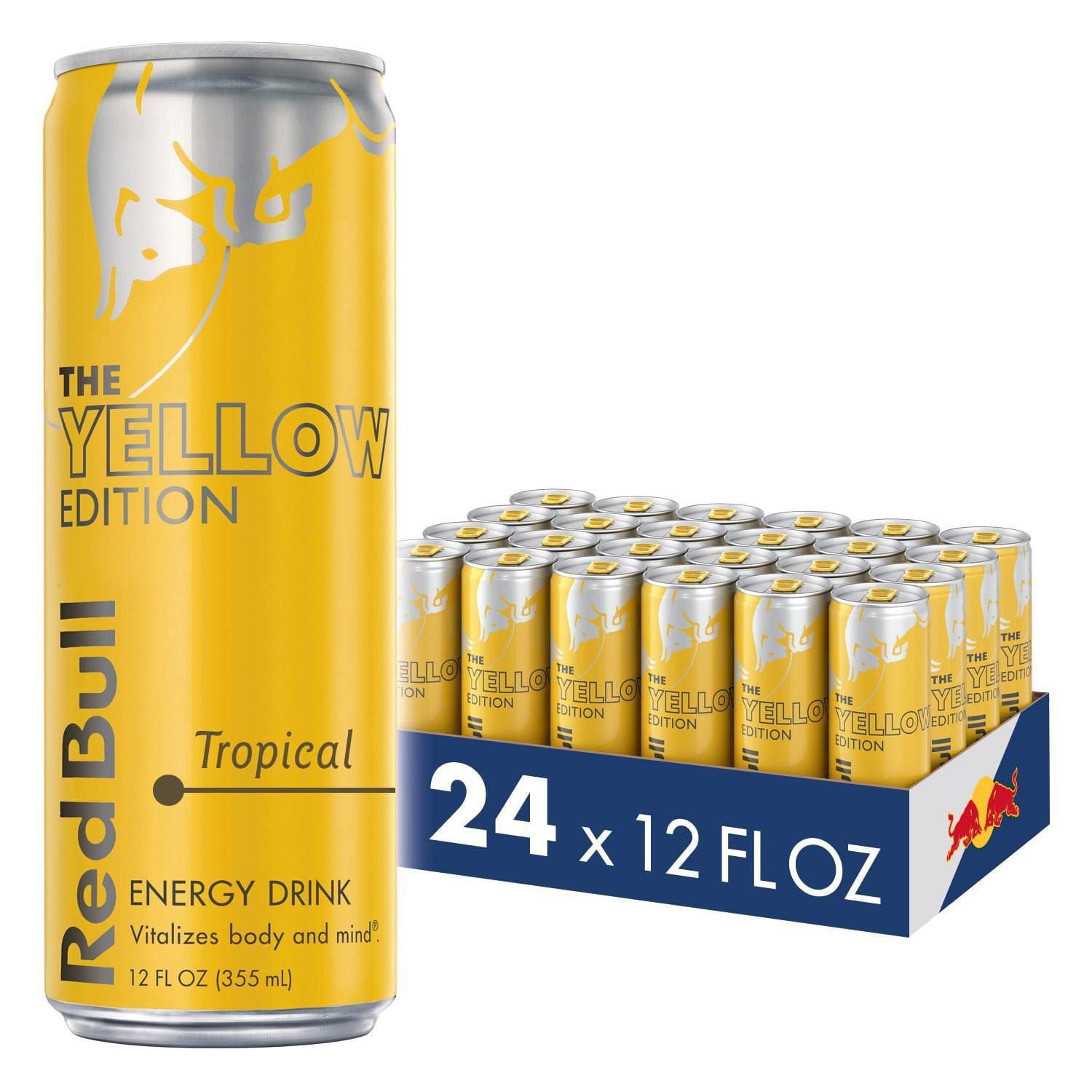
The number of cans in an energy drink multipack comes from the exact product’s written package contents and selected option. Check the full title, option selector, description and cart line together. A single-can photograph may represent a case listing, while a photograph of many cans may simply display a range. Neither image arrangement should replace a confirmed written count.
This guide shows how to identify the purchase unit, distinguish can count from serving count and total an order containing several packs. It also covers conflicting descriptions, mixed assortments and useful questions to ask before checkout. Numerical packages below are hypothetical examples unless an image caption identifies the illustrated packaging. They are not current stock or price promises.
What exactly is the unit you are buying?
First establish whether one quantity in the cart represents a single can, one multipack or one case. The number entered in a cart quantity box usually counts the selected sale unit; it should not be assumed to mean loose cans when the selected product is a pack. Read the actual line item and package description.
For a hypothetical twelve-can pack, a cart quantity of one would represent one selected pack if that is how the offer is defined. A quantity of three would represent three packs, supplying 36 cans. This arithmetic depends on the twelve-can contents being confirmed for the selected listing.
Keep the word pack tied to a number. Phrases such as case, multipack and bundle help describe an offer but do not establish a universal quantity across all products. One brand’s familiar carton size should not be carried over to a different product without checking.
| Term | What it identifies | What still needs confirmation |
|---|---|---|
| Single unit | One selected sale unit | Whether that unit is a can or a packaged offer |
| Multipack | Several units sold together | Exact number and container sizes |
| Case | A packaged quantity | Count for this particular listing |
| Cart quantity | Number of selected sale units | Contents of each selected unit |
| Serving count | Label-defined portions | Relationship to complete containers |
Where should you look for the can count?
Read the complete title first, then find the selected package option and itemized contents. If the title includes a count, confirm that the option you selected uses that count. A page offering both single cans and cases can show shared artwork while the purchase configuration changes.
Check the description for any details about inner packs or multiple cartons. An outer case may contain several smaller packs, but you need the actual breakdown before multiplying. Do not count both the outer-case total and its component packs as additional cans.
Finally, review the cart line before paying. It should identify the option you intended to buy. If you changed the selection while browsing, earlier notes about count or price may no longer apply. Match the current cart item with the written package information again.
How do you calculate total cans across several packs?
Once the contents are confirmed, multiply cans per pack by the number of packs ordered. For a hypothetical eight-can pack ordered in a quantity of three, the total is 24 cans. Keep the two inputs visible so another person can understand where the total came from.
For mixed pack sizes, calculate each line separately and then add the totals. Two twelve-can packs plus one six-can pack provide 24 plus 6, or 30 cans. Multiplying the combined number of three packs by twelve would incorrectly assume every pack had the same contents.
| Hypothetical order line | Cans per pack | Number of packs | Total cans |
|---|---|---|---|
| Product A | 12 | 2 | 24 |
| Product B | 6 | 1 | 6 |
| Combined order | Two pack sizes | 3 packs | 30 |
These totals describe quantity only. They do not confirm availability, delivery timing, flavor preferences or the suitability of any drink for an individual. Keep those matters in separate fields rather than allowing a correct count to imply that every other order detail is settled.
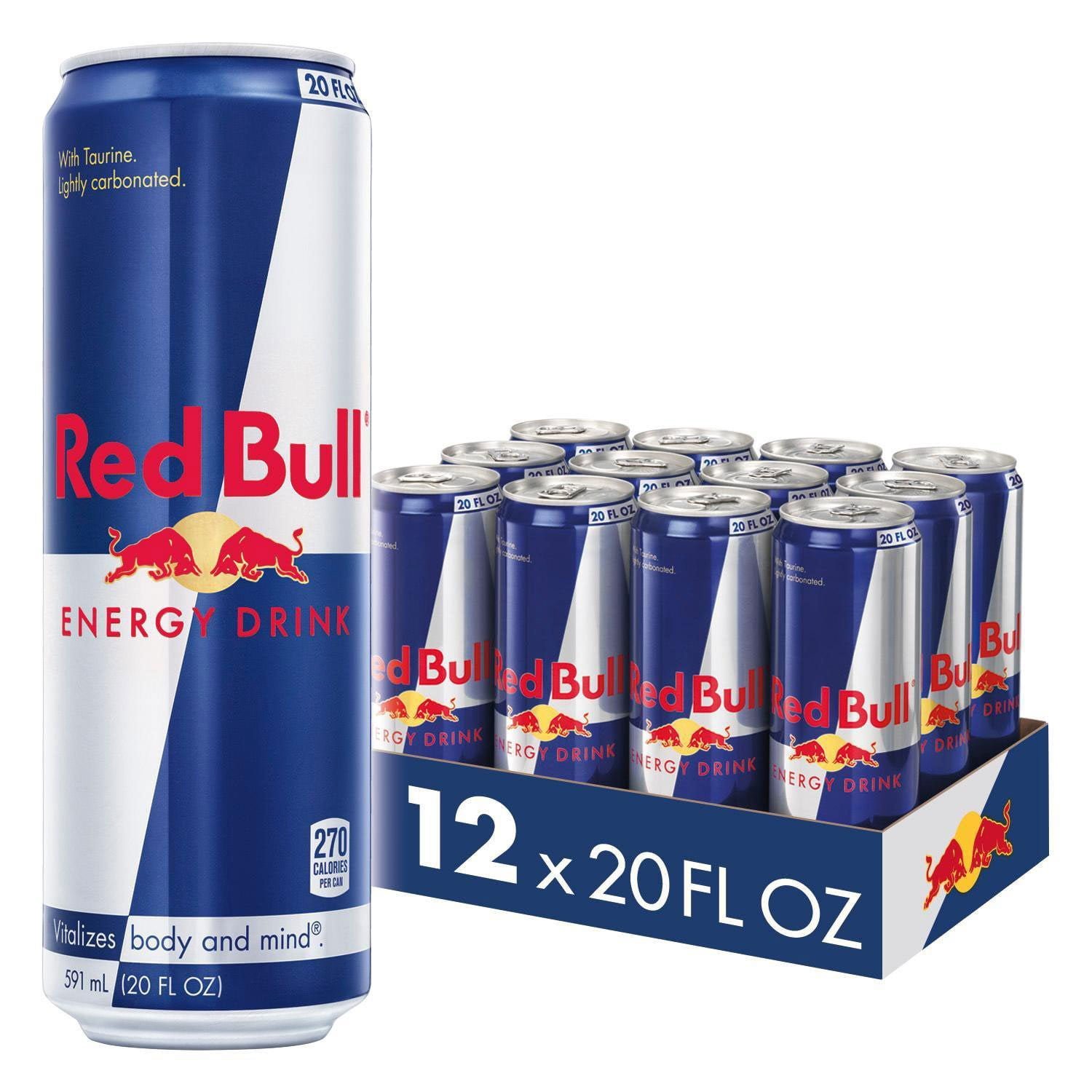
Can count and serving count are different measurements
A can is a physical container. A serving is the portion used for label information. Do not assume that a serving count on a panel is the number of cans in the sale package. Read how the manufacturer describes the portion and how the retailer describes the purchase contents.
This distinction matters when comparing quantities printed on a label. A figure given per serving should remain attached to that basis until you confirm its relationship to the complete can. Likewise, the number of cans in a case does not itself tell you the total number of labeled servings.
Use separate columns for containers and servings in your notes. If the relationship is unclear, ask for a readable panel and written pack contents rather than guessing. A precise question can resolve the ambiguity without changing the original product information to fit an assumption.
What if a picture shows one extra can beside a case?
Treat the loose can as an illustration unless the written contents say it is additional. Product images often arrange packaging and a representative container together so the design can be seen. That display should not automatically increase the confirmed case count.
For example, a hypothetical case described as twelve cans may be pictured with its carton and one can standing in front. The relevant question is whether the stated offer includes twelve total or explicitly includes another unit. Do not decide by visually adding the display objects.
The opposite situation also occurs: a single-can photograph can accompany a written multipack offer. This is why the same rule works in both directions. Read the selected contents and obtain clarification when needed, rather than treating the number of photographed objects as the sale quantity.
How should you count a variety pack?
Request the flavor breakdown and add the quantities. A hypothetical pack containing five cans of Flavor A, five of Flavor B and two of Flavor C contains twelve cans. That mix is different from four of each flavor even though both total twelve.
If the listing names flavors without counts, you know less about the assortment than an itemized breakdown would provide. Ask for the split when it matters to your purchase. Do not assume equal quantities from the number of flavor names or the arrangement of cans in a photograph.
If the offer says the assortment varies, clarify what can be confirmed. A fixed favorite flavor should not be treated as guaranteed when only a variable mix has been described. Keep the total count and the certainty of the flavor breakdown as separate comparison fields.
| Hypothetical flavor | Quantity |
|---|---|
| Flavor A | 5 cans |
| Flavor B | 5 cans |
| Flavor C | 2 cans |
| Complete pack | 12 cans |
Does the same can count mean the same amount of drink?
No. Record the volume of each can as well as the count. Twelve smaller cans and twelve larger cans supply different total volumes. The purchase comparison becomes clearer when both measurements remain visible instead of treating a container as a universal amount.
For a hypothetical twelve-can pack with 12-fluid-ounce cans, the total volume is 144 fluid ounces. The same count of 16-fluid-ounce cans supplies 192 fluid ounces. This explains quantity, not formula equivalence or a recommendation to choose larger containers.
When a pack mixes can sizes, calculate each group separately and add the volumes. Do not multiply every can by the largest size pictured. Use one consistent unit throughout the worksheet, and keep any conversion explicit when the source listings use different units.
How do you check a nested or double-pack offer?
Read whether the offer contains a stated number of cans in total or a stated number of inner packs. A description such as two packs of six gives twelve cans when the inner count is confirmed. A description giving twelve total with two inner packs should not be added again as if the inner packs were extra contents.
Write the packaging hierarchy in plain language before calculating. For example: one selected sale unit contains two inner packs, and each inner pack contains six cans. That sentence makes the multiplication understandable and reduces the chance of counting the same contents twice.
If a listing mixes total and inner-pack numbers ambiguously, ask which number represents the complete supplied quantity. Do not resolve the ambiguity by choosing the larger total. The exact offer, not the most favorable interpretation, determines what should be in the order.
What if the title and description disagree?
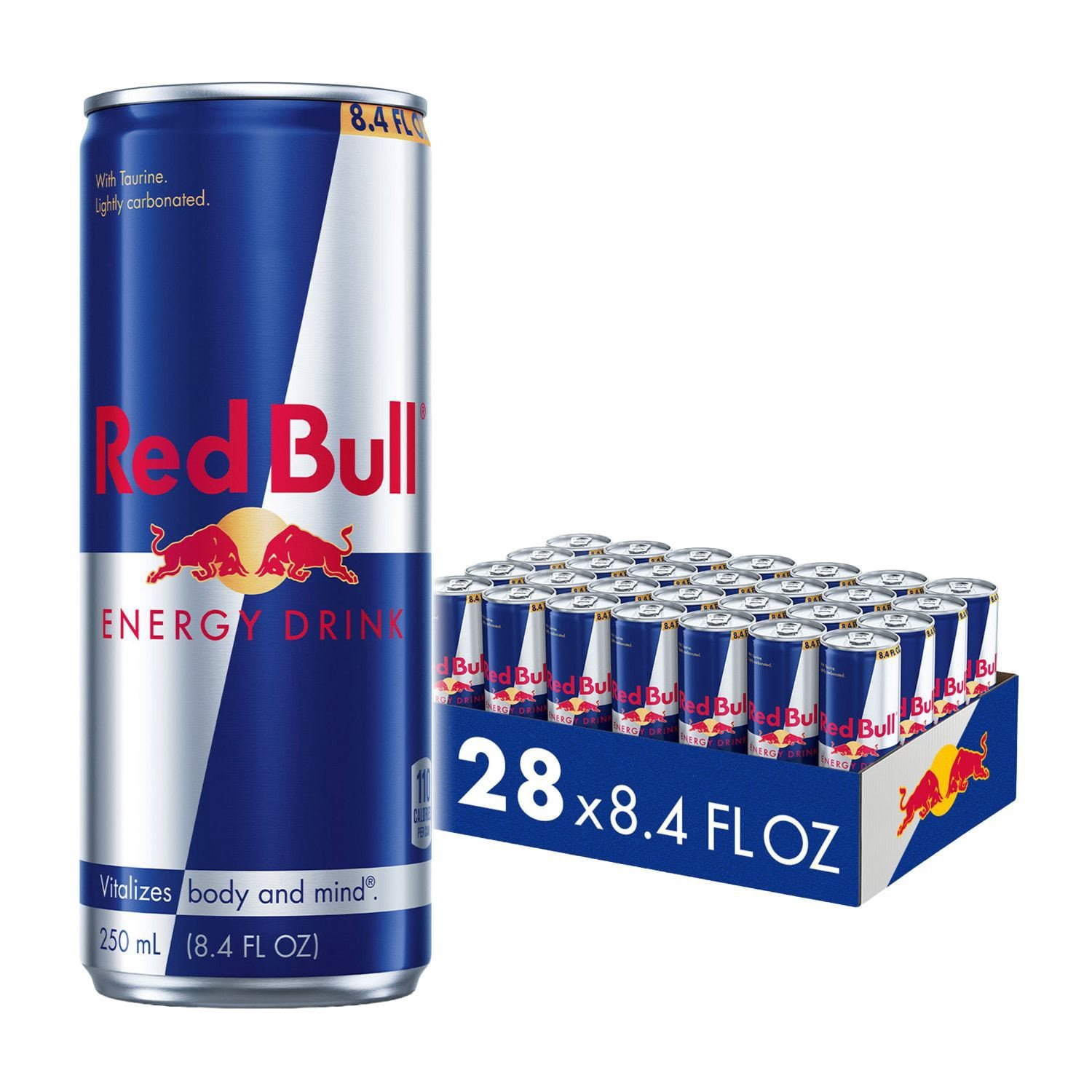
Send the direct listing link and identify the conflict in one sentence. A useful message is: “The title shows twelve cans, but the description refers to six. Please confirm the number of cans and the volume of each can covered by the selected price.” This asks for a checkable answer.
Include the selected flavor and package option. An answer about the default selection may not apply to a different option you chose. If the store provides a clarification, keep it with the listing link and compare it with the cart before checkout.
Do not assume an order note will correct a mismatched product selection. Obtain confirmation first. If the page is updated after your question, review the revised details so your comparison reflects the current offer rather than a mixture of old and new information.
How does the count affect price comparisons?
Divide the selected product price by the confirmed number of cans to calculate product cost per can. A hypothetical $24 pack containing twelve cans costs $2 per can before additional charges. If the pack actually contained six, the figure would be $4. Count uncertainty therefore directly affects the price result.
For delivered cost, use the final confirmed order total and the appropriate total can count. If the order contains unrelated goods, keep shared delivery charges separate or explain any allocation method. An estimated allocation should not be presented as a retailer’s official per-can price.
Keep flavor and can volume beside the cost. Two packs with the same price per can can still differ in container size or assortment. The calculation is useful because it clarifies one dimension of the purchase, not because it replaces every other product check.
A final count-check worksheet
Before paying, complete the following fields using the exact selected offer. Mark unresolved details clearly instead of filling them from memory. A short worksheet can prevent a quantity misunderstanding that would otherwise remain hidden behind a familiar brand or attractive photograph.
| Check | Information to confirm |
|---|---|
| Selected sale unit | Single can, multipack or case as actually offered |
| Cans per sale unit | Written confirmed count |
| Number ordered | Current cart quantity |
| Complete can total | Count per unit multiplied by quantity |
| Volume per can | Exact selected size |
| Flavor breakdown | Quantities of each included flavor |
| Nested packaging | Inner counts and outer total without double-counting |
| Price basis | Price covers the selected sale unit |
| Conflicting details | Clarified before checkout |
Check the worksheet again if you change the cart. Removing a pack, selecting another size or switching to a single-unit option changes the total. Keep the final calculation attached to the actual current order rather than to an earlier version of the basket.
Questions shoppers often ask
Does every case contain twelve cans?
No. Use the count stated for the exact selected listing. Familiar carton sizes from another product do not establish the contents of a different case or multipack.
Does cart quantity two mean two cans?
It depends on the defined sale unit. If the selected item is a confirmed multipack, the quantity counts those multipacks. Check the line item and written contents before calculating the total cans.
Should I count a loose display can as an extra?
Only when the written offer explicitly includes an additional unit. A product image may show a representative can beside its packaging without increasing the stated total.
What if I need a precise quantity for an event?
Start with the confirmed can requirement in your own plan, then calculate how many of the available pack sizes would supply it. If you need thirty cans and the selected offer contains twelve per pack, two packs provide twenty-four and three provide thirty-six. The arithmetic shows the difference; it does not establish which amount is appropriate for attendees.
Confirm stock and delivery arrangements separately before relying on the order. A precise pack calculation should not be confused with a promise about arrival timing or the availability of every flavor. Keep the actual purchase arrangement beside your quantity plan.
Where should I begin checking the exact listing?
Browse the energy drink department and open the exact listing. For related questions, read about variety-pack breakdowns and price-per-can calculations. Ask through the contact page if the selected package quantity is unclear.