




Blog
How much does a sports drink cost per bottle?

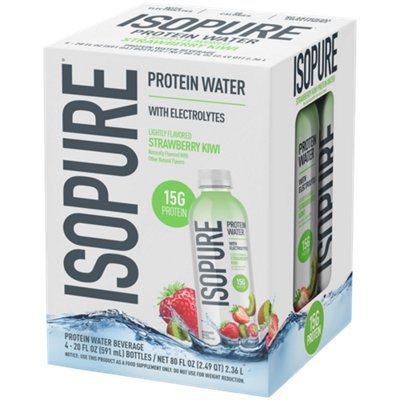
Find a sports drink’s cost per bottle by dividing the current price of the selected offer by its confirmed bottle count. Keep the bottle size, formula, currency, and included charges beside the result. There is no single price that applies to every brand, size, market, or package, and a guide should not present an invented amount as a live store offer.
This guide explains how to compare beverage purchases using price per bottle, per liter, and per labeled serving. The worked figures are hypothetical. They illustrate arithmetic rather than current Sprinkles Menu prices, delivery charges, discounts, or availability. Read the exact listing and order information before applying the method to a purchase.
Start with the selected offer
Record the complete product name, flavor, formula, bottle volume, and package count. A single bottle and a multipack are different offers even if the product name is similar. A regular and a zero-sugar version should also remain separate until the actual selected information establishes what is included.
Use the price attached to that exact option. A product page may display several quantities, a previous price, or a promotion with specific conditions. Do not divide a single-bottle price by a case count borrowed from another listing, or use an advertisement’s old price as though it were the current selected offer.
Save the currency and the date checked. A numerical price without currency is incomplete, and an older comparison may no longer describe the offer available when you order. The useful record should make it easy to replace a changed price without having to reconstruct the original package details.
Confirm the number of bottles
Read the stated package contents instead of counting bottles in a promotional image. Images can illustrate a range, show several angles, or include a representative arrangement. The written count for the selected offer is the input needed for a defensible per-bottle calculation.
Distinguish bottle count from serving count. A label may describe more than one serving in each bottle, while the retail pack contains a separate number of bottles. Dividing by labeled servings answers cost per serving, not cost per bottle. Both can be useful, but they must be named correctly.
If the count is missing or contradictory, ask before calculating. An exact-looking unit price based on a guessed denominator is not a verified comparison. Keep the field marked unconfirmed rather than choosing the number that gives the lowest apparent cost.
| Input | What to save | Why it matters |
|---|---|---|
| Item price | Current price of the selected offer | Establishes the numerator |
| Currency | Currency actually shown | Prevents incompatible comparisons |
| Bottle count | Confirmed containers in that offer | Establishes the per-bottle denominator |
| Bottle volume | Actual size of each container | Allows an equal-volume comparison |
| Formula and flavor | Full selected version | Keeps different products separate |
| Included charges | Item-only or specified order total | Defines what the result covers |
| Date | Time of the price check | Supports later updates |
Calculate a basic per-bottle price
For an invented example, a six-bottle offer priced at 15 currency units costs 2.5 units per bottle before other charges. Divide 15 by six and label the result item cost per bottle. Do not describe it as delivered cost if delivery or other applicable amounts have not been included.
A hypothetical twelve-bottle offer priced at 27 units works out to 2.25 units per bottle. That is a lower item cost per bottle than the first example, but it does not establish that the formulas or bottle sizes match. Complete the product comparison before treating the two prices as equivalent options.
Keep the original pack price and count visible beside the result. A standalone unit price hides the size of the purchase needed to obtain it. Someone comparing a small order with a larger case needs both the total commitment and the unit arithmetic, not just the smaller-looking number.
Compare bottle sizes with cost per liter
Price per bottle is most straightforward when the bottles hold the same volume. If sizes differ, calculate a shared volume basis as well. Multiply bottle count by individual volume, convert the total to liters, and divide the selected price by that total. Keep the volume input tied to the exact offer.
For a hypothetical six-pack of 500-milliliter bottles priced at 15 units, the total supplied volume is three liters. Dividing 15 by three gives 5 units per liter. A hypothetical twelve-pack of 330-milliliter bottles priced at 18 units supplies 3.96 liters and costs about 4.55 units per liter before additional charges.
The second offer costs less per bottle partly because each bottle is smaller. The per-liter result makes the volume comparison explicit, while the total price still shows the purchase commitment. Neither calculation establishes identical ingredients, a preferred formula, or an individualized recommendation.
| Hypothetical offer | Pack price | Bottle count | Bottle size | Price per bottle | Item cost per liter |
|---|---|---|---|---|---|
| Pack A | 15 units | 6 | 500 mL | 2.50 units | 5.00 units/L |
| Pack B | 18 units | 12 | 330 mL | 1.50 units | About 4.55 units/L |
| Pack C | 27 units | 12 | 500 mL | 2.25 units | 4.50 units/L |
| Pack D | 20 units | Unconfirmed | 500 mL | Cannot verify | Cannot verify |
| Pack E | 16 units | 8 | Volume unclear | 2.00 units | Confirm the volume first |
Per serving answers another question
If a bottle contains more than one labeled serving, cost per serving differs from cost per bottle. Use the actual serving definition rather than assuming that one container always represents one serving. The calculation should preserve the label basis and should not be interpreted as a recommendation about consumption.
Imagine an invented bottle costing 2.4 units with two labeled servings. The arithmetic gives 1.2 units per labeled serving. The bottle still costs 2.4 units as a purchase. Presenting only the serving price could understate the amount required to buy the container.
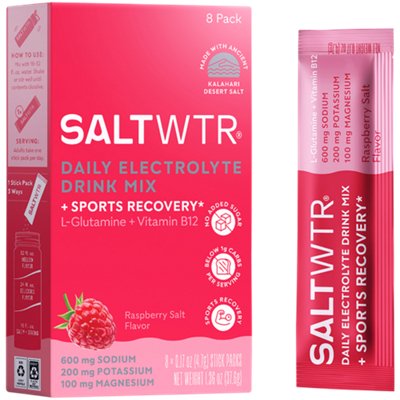
When comparing with powders, keep the distinction especially clear. One powder packet and one bottle might be described as one serving while providing different prepared volumes. Use their exact directions and volume information if you want a meaningful prepared-liter comparison rather than a count-only comparison.
Item cost and delivered cost should stay separate
An item-only unit price divides the product price by the bottle count. A delivered unit price, where the applicable total is known, includes the charges actually being counted. Label each result clearly. Do not call an item-only calculation delivered simply because a general shipping page exists elsewhere on the site.
For a hypothetical pack priced at 24 units with a confirmed 6-unit delivery charge and twelve bottles, the combined amount is 30 units. Dividing by twelve gives 2.5 units per bottle for those included costs. This example does not establish a store shipping rate or imply that other charges are absent.
If an order contains several products, decide how any shared charge is being allocated and state the method. There may be more than one reasonable accounting approach, but the allocation is your comparison method, not a newly discovered product price. Avoid false precision when the order information does not support it.
Handle discounts using the actual conditions
Use a discounted price only when the selected offer and your intended order meet the stated conditions. A promotion may concern a particular pack, selected flavor, minimum quantity, or other requirement. Do not assume that a headline discount applies to every product or that separate offers can be combined.
Record both the total paid for the relevant items and the confirmed bottle count after the discount is applied. If the promotion includes additional products, clarify what is included before calculating a per-bottle result. A mixed bundle can require a different comparison from a straightforward case of identical bottles.
Also distinguish a one-time offer from any recurring arrangement. This guide does not establish that subscriptions or repeat-order discounts are available. Where a listing actually offers them, read the applicable terms and keep that offer separate from a standard single purchase rather than silently using its price as the universal reference.
Compare variety packs without inventing allocations
A variety pack’s total bottle count can support an average pack cost per bottle, provided the count and price are confirmed. It does not necessarily establish a separate selling price for every flavor. If the offer does not state equal allocation, do not assume the flavors are distributed equally.
For an invented twelve-bottle assortment priced at 24 units, the average item cost is 2 units per bottle. That does not establish that a particular flavor is independently available at 2 units or that the pack contains four of each of three illustrated flavors. Keep average allocation and confirmed contents separate.
If your decision depends on a specific flavor, confirm the actual quantities before treating the assortment as equivalent to a single-flavor case. Price arithmetic cannot resolve an unknown contents statement. A lower average cost may still describe a different purchasing arrangement from the one you intended.
Do not rank formulas by price alone
After the unit calculation, compare the actual product information that matters to your selection. Bottle volume, sugars, sodium, other ingredients, caffeine where relevant, and preparation format can differ. A cheaper unit does not establish that all of these fields match or that one formula is superior.
Use the current label and complete ingredient list for those questions. Keep amounts and serving bases attached to the exact product. A similar-looking bottle or shared brand name should not be used to transfer a declaration from one version to another.
The calculation also does not establish product testing, certification, authenticity, or availability. Those require their own evidence. A useful shopping record can include several checks without pretending that a low per-bottle number answers all of them.
A final order worksheet
| Check | Record | Reason to clarify before ordering |
|---|---|---|
| Product match | Full selected formula, flavor, and size | Similar names identify different versions |
| Package contents | Bottle count and any assortment details | Images and written counts disagree |
| Item calculation | Price divided by confirmed bottles | Price or denominator is missing |
| Volume calculation | Total liters and price per liter | Bottle size is unclear |
| Included costs | Actual charges counted | Delivered and item-only figures are mixed |
| Promotion | Applicable conditions and selected offer | Discount eligibility is uncertain |
| Current order | Availability and final displayed amounts | An older comparison no longer matches |
Frequently asked questions
Is there one normal sports-drink price per bottle?
Prices depend on the actual product, size, market, currency, package, and offer. Use the current selected listing rather than a generic invented price. The method is consistent: divide the relevant confirmed price by the bottle count and state which costs the calculation includes.
Is a larger case always cheaper per bottle?
Not necessarily. Calculate the unit price for each current offer and verify matching bottle sizes and formulas. A larger case can have a different promotion or total purchase requirement. Keep both the pack price and the calculated unit figure visible rather than assuming a bulk discount exists.
Why should I calculate price per liter too?
Different bottle sizes can make per-bottle figures misleading as a volume comparison. Cost per liter provides a shared quantity basis, while price per bottle still describes the individual purchasing unit. Save both when sizes differ and keep formula differences separate from the arithmetic.
Can I use the package photograph to count bottles?
Use the confirmed written contents for the selected offer. A photograph can illustrate flavors or show several views without establishing the exact count. If the written information is missing or inconsistent, ask for clarification instead of calculating a precise unit price from an assumed number.
Does the lowest price mean the best product?
Price arithmetic establishes a cost on a defined basis. It does not establish matching ingredients, a quality ranking, or suitability for an individual. Compare the actual declarations and practical purchasing details separately so the smallest number does not hide a different product or quantity.
What should I recheck at checkout?
Confirm the selected product, count, current price, applicable discounts, and the charges included in the final order information. Update the worksheet if the offer changes. A dated calculation is useful only while its inputs still match the purchase you are actually making.