Blog
What should a beginner ask before ordering a pre-workout?

Before ordering a pre-workout for the first time, ask for the exact formula, a readable current label, the serving basis, clear caffeine information, complete ingredients, and the purchase conditions for the selected size. Separate questions about the product being sold from questions about whether using it is appropriate for you. A seller can clarify a listing, while personal health and supplement-use questions may require a qualified healthcare professional.
A useful first purchase begins with understandable information, rather than the strongest-sounding name or largest discount. This guide turns that approach into specific questions you can answer from a listing, direct to a seller, or take to an appropriate professional. It does not prescribe a product, ingredient amount, or use routine.
1. What exact product and version am I ordering?
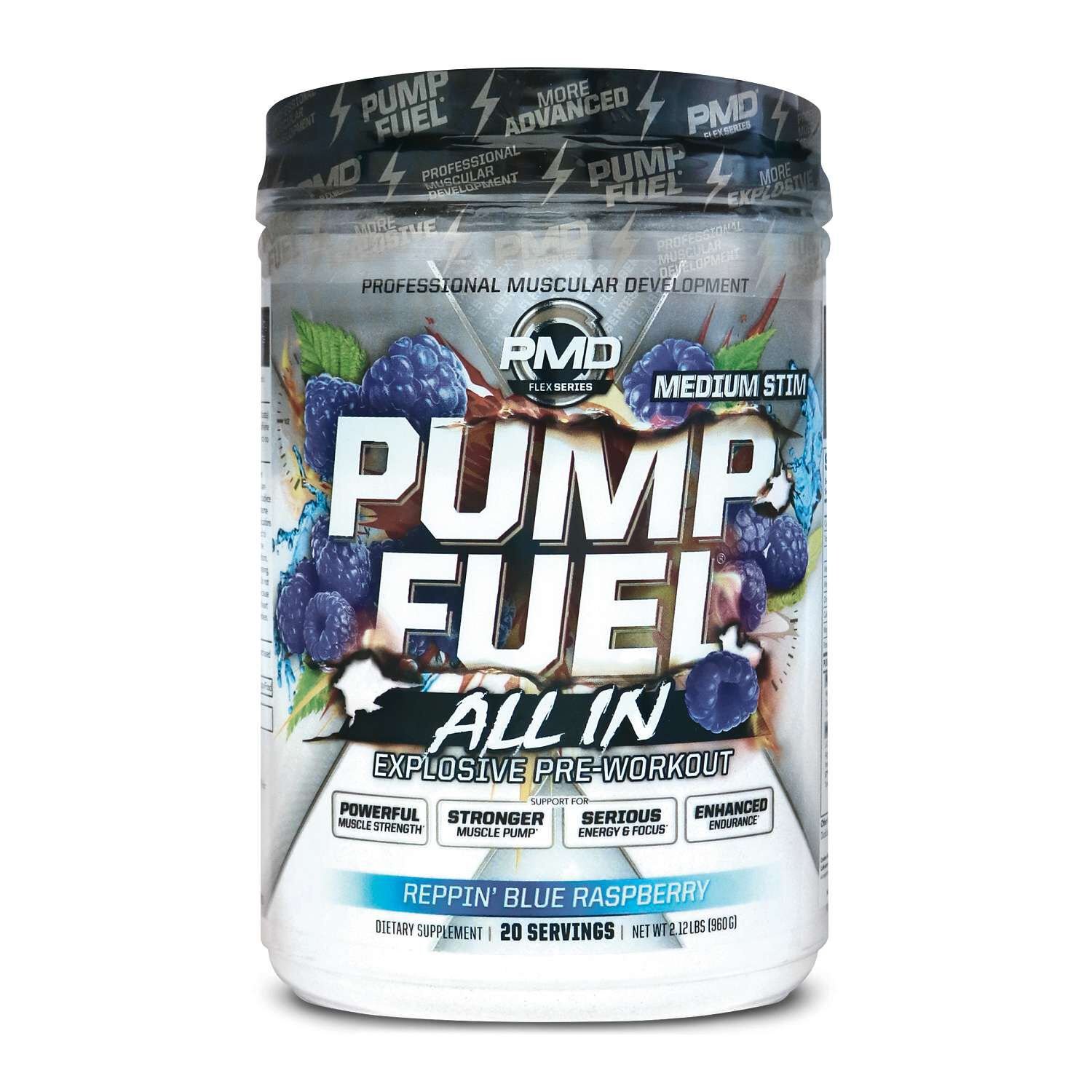
Copy the brand, product line, flavor, package size, and form. A company may offer several formulas with similar names, including different stimulant and caffeine-free variants. Make sure the option selected on the page matches the item you intend to investigate.
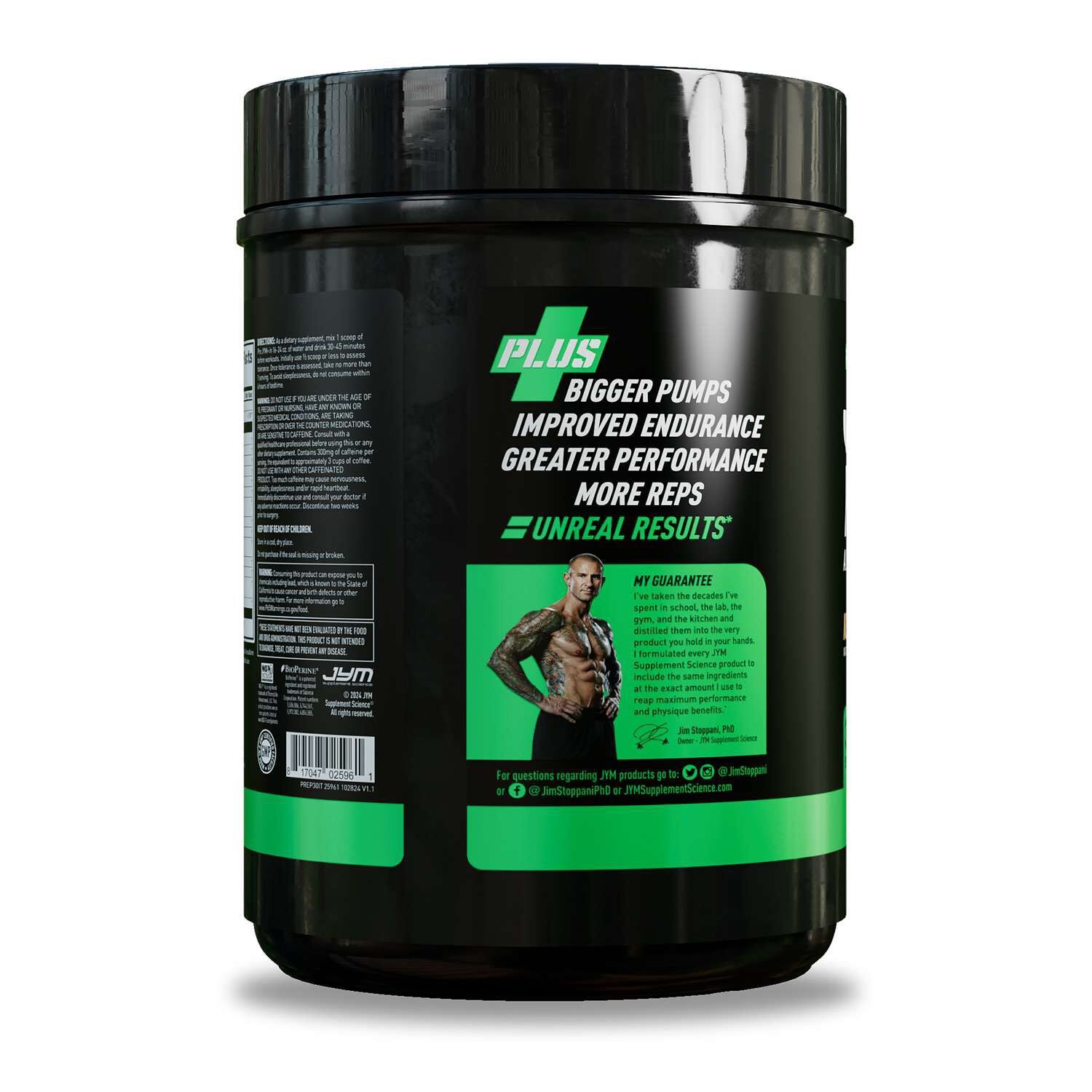
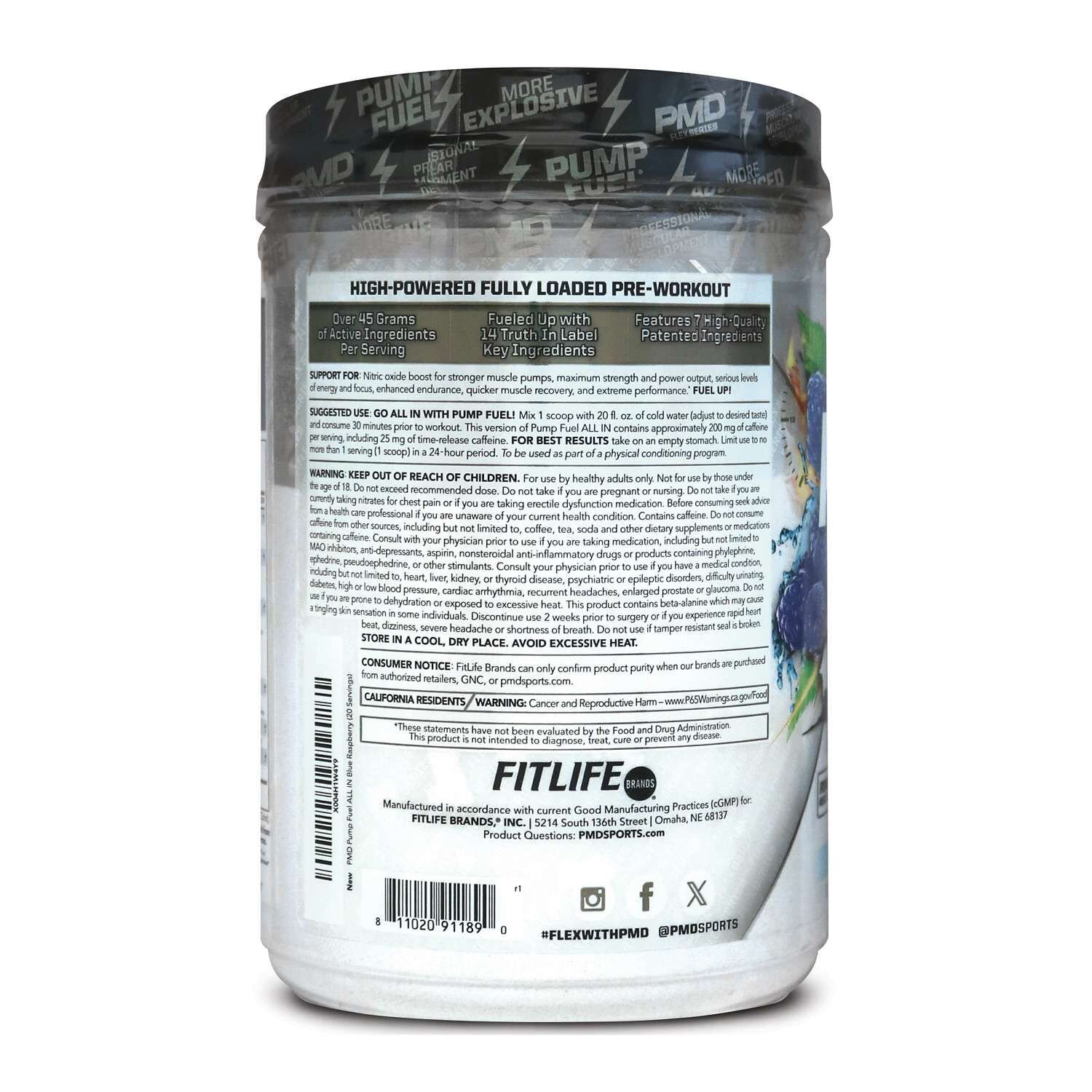
Compare the title with the front and back photographs. If they show different flavors or serving counts, ask which current version is offered. Do not resolve a mismatch by borrowing the most favorable detail from each image. Your comparison should describe one identifiable product.
Save the source link and date checked. If packaging or formulas change later, those details help you understand what your earlier notes referred to. Recheck the actual package when received, especially where ingredients or instructions are essential to your decision.
2. Can I read the complete current label?
Look for the Supplement Facts panel, full ingredient statement, directions, and warnings. A front image can identify a product but rarely answers every question needed for a first purchase. Open an original gallery image if the thumbnail is too small to read.
The FDA’s consumer supplement overview describes serving size and per-serving ingredient information on Supplement Facts labels. Keep that information connected to the exact variant instead of assuming a general brand description supplies the current formula.
If the panel is missing or unreadable, ask for a clear photograph for the selected flavor and size. Mark the relevant fields unconfirmed while waiting. An empty comparison cell should not quietly become zero, absent, or suitable merely because the page does not provide an answer.
| First question | Useful evidence | If the listing does not answer |
|---|---|---|
| Which exact item is offered? | Matching title, option, and photographs | Request the current variant details |
| Is the panel readable? | Clear matching label image | Ask for an original photograph |
| What is one labeled serving? | Serving line and amount headings | Request the scoop and gram basis |
| What is the caffeine statement? | Explicit amount and denominator | Ask for current quantitative clarification |
| What else is included? | Complete ingredient and allergen information | Clarify essential preferences |
3. What does the label call one serving?
Read the serving-size line before copying ingredient numbers. One scoop is not automatically one serving, and a scoop is not standardized across products. Record the stated scoop count and gram weight together where supplied.
If several amount columns appear, preserve each heading with its corresponding figures. A large number copied from the wrong column can misrepresent the product even when every digit was transcribed correctly. Keep the original label statement visible before adding calculations.
This is an interpretation task, not a recommendation about which portion you should use. Read the actual directions and warnings. Do not choose a portion because it produces a more impressive ingredient number or a lower calculated price.
4. Is the caffeine information clear?
Find an explicit statement and establish whether it is per scoop, per labeled serving, or another specified portion. A blend total or a caffeine-containing ingredient’s entire weight should not be treated as a confirmed caffeine amount without the relevant explanation.
If avoiding caffeine is an essential requirement, missing information does not establish absence. Verify the exact formula and ask for clarification. A familiar brand, an evening-related product name, or a broad category label does not resolve that question on its own.
For a detailed reading method, see caffeine per scoop versus per serving. Keep personal intake and suitability questions separate from the shopping worksheet rather than treating an online comparison as an individualized limit.
5. Which ingredients matter to my requirements?
Read the whole formula rather than stopping at the first familiar ingredient. Check flavoring, sweetening, and other ingredients relevant to your preferences. Similar packaging across flavors does not establish identical statements, so use the current list for the selected item.
Distinguish an ingredient that is not listed from one listed within a blend without an individual amount. If a precise declaration matters, request the missing information. Do not divide a blend total across its components or enter an undisclosed amount as zero.
For allergy-related or other individual medical questions, obtain appropriate professional guidance with the exact current information available. A general shopping article can organize the facts, but it cannot determine an individual’s safety from a product name or photograph.
6. Does the product fit the question I actually want answered?
Write down the reason you began looking at the category. Then ask whether a supplement purchase is necessary to address that question, and who is best placed to help you assess it. A marketing promise should not substitute for clarifying your own goal and circumstances.
The NIH Office of Dietary Supplements encourages discussing supplement use with healthcare professionals and explains that quality-assurance seals do not guarantee safety or effectiveness. Its consumer guide provides useful background for that conversation.
Bring the exact product label, rather than asking about an undefined pre-workout in general. A precise formula allows a more relevant discussion, especially where medications, health conditions, or other supplements are involved. You do not need to send a seller unnecessary personal medical details simply to request a readable panel.
7. What evidence supports a claim that matters to me?
Copy the exact wording of a testing or benefit claim and identify the supporting organization or source. A statement about a manufacturing facility, a raw ingredient, and a finished-product certification can concern different things. Preserve the scope instead of combining them into one general quality assurance.
If a named certification is essential, verify the applicable current product information through the relevant program. A logo in an old retailer photograph is a prompt to investigate, not a reason to assume that every flavor or product from the brand is covered.
Keep personal outcomes separate from verified label facts. A clear ingredient amount does not itself promise a result, and a positive review does not establish that another person will have the same experience. Record what the evidence answers and what remains outside its scope.
8. What is the total cost of the actual order?
Check the price for the selected size and quantity, then include applicable checkout charges when assessing your spending limit. A displayed subscription figure, a multibuy offer, and an ordinary one-time price may represent different commitments.
For a hypothetical example, a 30-unit product plus six units of applicable delivery would require 36 units for that order. These are not current store prices or delivery rates. Use the actual checkout information and leave unknown charges provisional.
Then calculate price per labeled serving if you want to compare quantities. Keep the serving basis, formula differences, and initial payment visible. The lowest unit price is not automatically the best first purchase if it requires a much larger commitment or fails an essential requirement.
9. How much product am I committing to?
Confirm the net contents and stated serving count. A large-looking tub does not establish either figure, and shipping weight should not be silently substituted for net product weight. Resolve conflicting counts before dividing the price.
Think about whether you already know the flavor and preparation suit your preferences. A verified smaller option can offer a lower-commitment purchase if it is actually available. This guide does not promise samples or small sizes for every item.
Do not turn a large purchase into pressure to use a product more frequently. Quantity planning is a shopping task and should not set an individual’s supplement routine. A discount does not determine an appropriate use pattern.
| Purchase detail | What to confirm | Why it matters for a first order |
|---|---|---|
| Selected size | Exact net contents and count | Defines the commitment |
| Total payment | Applicable current checkout amount | Tests the spending limit |
| Recurring terms | Whether the option renews | Distinguishes a one-time purchase |
| Smaller alternatives | Actual available options | Avoids assuming a trial size exists |
| Published terms | Applicable conditions | Prevents reliance on another seller’s policy |
10. What preparation and storage are required?
Read the current directions and consider whether the preparation fits your setting. Equipment, measuring information, and mixing requirements belong to the exact product. Do not copy another powder’s instructions because its container looks similar.
Check unopened and opened storage information where provided, and any instructions relevant to a prepared drink. A serving-count calculation does not establish shelf life. The actual date wording and storage directions answer separate questions from how many portions the purchase contains.
If a particular date or package dimension matters, ask about the item offered. A generic gallery image may not show the date on every unit, and net weight does not supply cupboard measurements. Keep those details unknown until the relevant evidence is available.
11. What happens if the delivered item differs from the listing?
Read the applicable published purchase and contact information before ordering. Do not assume opened supplements can be returned because you dislike a flavor, or that another store’s policy applies. Ask for clarification of any condition that would materially affect your decision.
When an item arrives, compare its identity and label with the information used for your purchase. If there is a meaningful mismatch, document the specific difference and contact the seller through the appropriate channel. Keep the question tied to the actual item rather than making assumptions about why it differs.
A clear message identifies the product, selected variant, order reference where relevant, and the conflicting detail. Avoid sharing unrelated sensitive information when a photograph and concise product question would explain the issue.
Build a short first-purchase worksheet
Keep facts, calculations, and personal questions in separate columns. Mark each essential field confirmed, unclear, or requiring professional discussion. This prevents a detailed-looking table from hiding the one missing answer that matters most.
| Question type | Example | Best source for the answer |
|---|---|---|
| Product identity | Which flavor and size is offered? | Current listing and seller clarification |
| Formula detail | What does this panel declare? | Exact current label or manufacturer |
| Purchase condition | Is this a recurring offer? | Applicable checkout terms |
| Arithmetic | What is the cost per labeled serving? | Verified price and count |
| Individual suitability | Does this fit my circumstances? | Appropriate healthcare professional |
Frequently asked questions from first-time shoppers
Should a beginner choose the strongest-sounding product?
A dramatic name does not establish suitability or a useful comparison. Start with the exact formula, readable information, and your own requirements. Keep individual use questions separate from marketing language and purchase arithmetic.
Does a larger ingredient list mean a better first choice?
List length alone does not show a superior result or fit. Read the complete declarations and supporting evidence relevant to your questions. More ingredient names should not replace understanding the formula.
Can I rely on a review instead of reading the panel?
Reviews can identify questions or describe a person’s experience, but they do not establish your current product’s ingredients or an individual outcome. Use the exact label and current purchase information for the factual comparison.
What if I cannot get a clear caffeine answer?
Keep it marked as unconfirmed. If that answer is essential to your decision, resolve it before treating the product as a match. Do not convert missing information into a zero-caffeine claim.
Should I buy extra to receive a discount?
Compare the total payment and quantity with your original plan. A lower divided unit price can still require more spending. Use the fixed-budget guide for worked examples.
What makes a useful final decision?
You should be able to identify the exact item, explain its relevant label information, understand the purchase commitment, and name any unresolved question. If an essential answer is missing, an attractive image or discount does not supply it.