
Blog
How do I compare pre-workout products under a fixed budget?

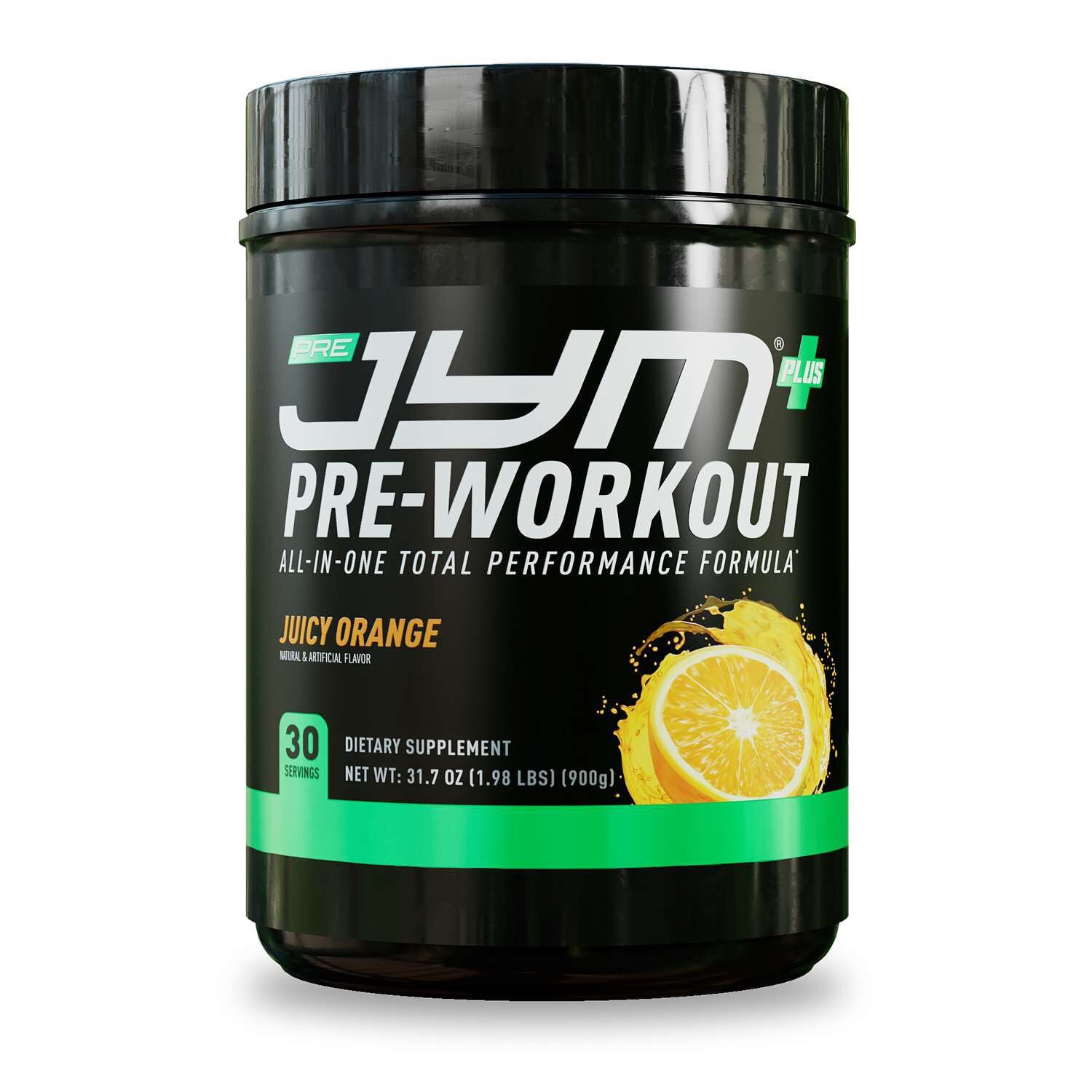
To compare pre-workout products under a fixed budget, set a maximum total payment, identify formulas that meet your requirements, and compare the current checkout cost and labeled serving count. Keep the initial payment separate from price per serving. A large tub can offer a lower unit price while exceeding the amount you actually planned to spend.
A useful budget comparison also keeps ingredient information, caffeine requirements, package quantity, and purchase conditions visible. This guide provides a practical worksheet with hypothetical prices. It does not identify a permanent cheapest product, recommend a personal supplement routine, or treat a higher stimulant amount as better value.
Define the budget as a total payment
Write the maximum amount you intend to pay for the actual order. Decide whether that includes applicable delivery charges and taxes, and keep the definition consistent across products. A product-page price below your limit does not necessarily mean the final order will also fit it.
For example, imagine a total budget of 40 currency units. A product costing 36 before a seven-unit delivery charge would produce a 43-unit total for that hypothetical order. The example is not a store price or shipping rate; it illustrates why the budget needs a clear scope.
Record checkout costs from the order you actually intend to place. Do not assume a delivery threshold, coupon, or free-shipping offer from another retailer applies. If an applicable charge is not yet known, mark the total as provisional rather than presenting it as confirmed.
Decide which products qualify before comparing prices
Write down the requirements that determine whether an item belongs on your shortlist. These might include an exact ingredient preference, a confirmed caffeine requirement, readable current label information, or a relevant verified certification. Price cannot answer those separate questions.
Remove confirmed mismatches and keep essential uncertainties visible. A low price is not an equivalent alternative if the formula does not meet the requirement you began with. This also saves time by preventing detailed arithmetic for products you would not actually choose.
Keep personal suitability separate from this shopping method. Use the current product information and appropriate guidance for individual health, medication, allergy, or use questions. A budget worksheet helps organize costs and quantities; it does not establish that a particular pre-workout is appropriate for you.
| Shortlist requirement | Evidence to check | Budget implication |
|---|---|---|
| Exact formula identified | Matching title and current label | Price belongs to the right item |
| Ingredient preferences met | Complete ingredient statement | Avoids comparing an unsuitable substitute |
| Caffeine information clear | Explicit statement and serving basis | Prevents cost from hiding uncertainty |
| Required testing claim verified | Applicable official product information | Keeps essential evidence separate |
| Purchase conditions acceptable | Current quantity and recurring terms | Defines the actual commitment |
Compare initial payment and unit price side by side
The initial payment determines whether the order fits your cash limit. Price per labeled serving helps compare the quantity bought for that payment. Keep both figures visible, because either one alone can produce an incomplete impression of value.
Imagine a smaller package costing 24 units for 20 labeled servings and a larger package costing 42 for 40. Their basic unit prices are 1.20 and 1.05 respectively. With a 35-unit product-only limit, the larger package would not qualify despite its lower unit figure.
These products are hypothetical and their formulas are not assumed equivalent. Compare serving bases and ingredients before interpreting the difference. A lower price per labeled serving does not prove equal quantities of every ingredient or a better personal result.
| Hypothetical option | Package price | Labeled servings | Price per labeled serving | Within 35-unit product-only limit? |
|---|---|---|---|---|
| Smaller package | 24 units | 20 | 1.20 units | Yes |
| Larger package | 42 units | 40 | 1.05 units | No |
| Alternative package | 30 units | 25 | 1.20 units | Yes |
Read the serving basis before dividing
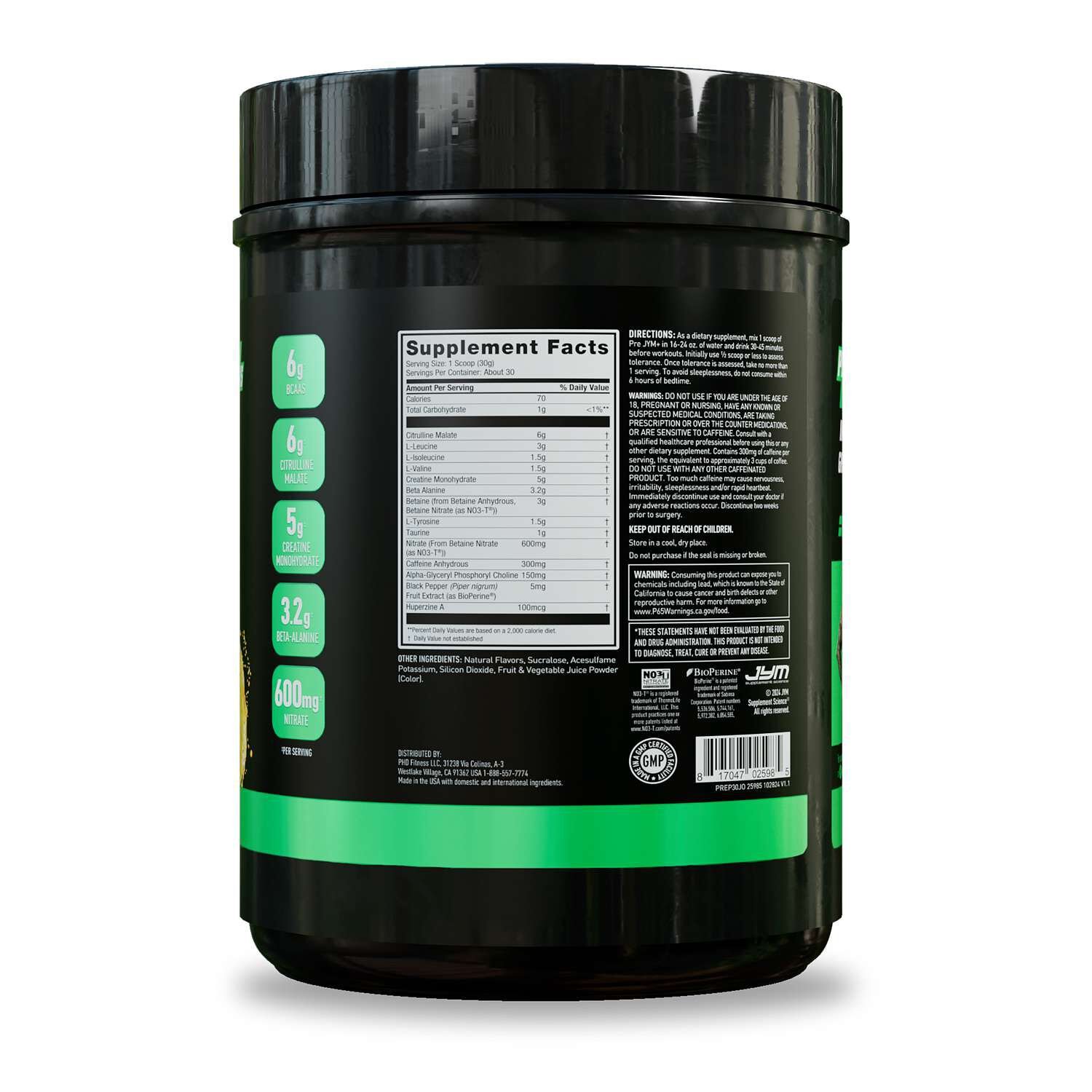
Confirm the stated serving count for the selected size and read the serving-size line. A scoop is not a standard measure shared by all products, and some labels describe more than one portion column. Copy the actual wording instead of assuming that every tub’s count uses the same basis.
If a title and photograph show different counts, resolve that discrepancy before ranking the prices. Do not use the larger count because it makes the calculation look more attractive. An accurate denominator matters more than completing every cell in a worksheet quickly.
Preserve qualifiers such as about and label any arithmetic as an estimate based on the stated figures. If you calculate another measure, such as price per product weight, keep it in a separate column. Different denominators should not all appear under a vague best-value heading.
Avoid treating caffeine as a value score
A budget comparison should not reward the highest caffeine amount per unit of cost as though more were automatically better. First establish the information relevant to your own requirements and keep it separate from price. An ingredient amount is not a universal measure of product value.
Read the exact caffeine statement and its serving basis. A proprietary blend total, a large scoop, or a dramatic energy claim does not supply a confirmed caffeine amount. If information is unclear and essential to your decision, keep the product unconfirmed until the question is answered.
For the label-reading step, see caffeine per scoop versus per serving. That guide explains denominators; it does not set an individual intake target or recommend changing a serving to fit a price calculation.
Compare one-time and recurring prices accurately
A subscription offer may have a lower displayed figure than an ordinary purchase, but it can involve recurring charges and separate terms. Record the current terms relevant to the option you select, including any introductory pricing, renewal information, or cancellation requirements made available.
Do not treat a first-order discount as the permanent price unless the actual terms establish that. A budget for one order and a budget for an ongoing commitment are different plans. Keep the future obligation visible instead of comparing only the amount shown on the first screen.
If you want a one-time purchase, compare one-time options on that basis. If you are considering recurring delivery, evaluate the applicable terms deliberately. A discount should not silently change the type of purchase you intended to make.
Evaluate coupons and multibuy offers by their total commitment
Check whether a coupon requires a minimum order, a particular product, or another eligibility condition. Record the actual discount that applies to your intended order rather than the largest advertised percentage. An unavailable or ineligible discount does not belong in a confirmed comparison.
For a multibuy, write the required number of packages and total payment. An imaginary two-for-50 offer costs 25 per package but requires paying 50. That may exceed a budget that comfortably allows a single 30-unit package, even though the multibuy’s per-package figure is lower.
Ask whether you would buy the additional quantity without the promotion. A saving on a purchase you did not intend can increase expenditure rather than solve the original budget problem. Keep the decision focused on the actual quantity and formula you need to evaluate.
| Offer type | Record | Common mistake |
|---|---|---|
| Standard price | Exact selected item and quantity | Using another size’s price |
| Coupon | Eligibility, conditions, actual reduction | Assuming every shopper receives it |
| Multibuy | Required packages and total payment | Comparing only the divided unit price |
| Introductory subscription | Initial amount and relevant future terms | Treating the first price as permanent |
| Bundle | All included items and total cost | Assigning the entire saving to one item |
Do not add unwanted products just to reach a threshold
A delivery threshold or order promotion can make an extra item seem financially necessary. Compare the complete totals before adding anything. The relevant question is how much money leaves your budget, not whether one line item becomes free or discounted.
For a hypothetical example, an order costing 30 units plus six delivery units totals 36. Adding a 12-unit item to remove that delivery charge would produce a 42-unit total if all other conditions were unchanged. That could still be worthwhile if you independently wanted the added item, but it is not a six-unit saving on the original purchase.
Use actual current terms when applying the method. This example does not assert any store threshold or delivery policy. Keep a promotion’s conditions visible and evaluate the final order you would receive rather than the wording of the incentive alone.
Consider whether a trial purchase is more practical
An unfamiliar flavor or formula adds uncertainty about whether you will want the full quantity. A larger container’s lower unit price may need to be weighed against that uncertainty. If a suitable smaller option exists, compare the commitment as well as the serving price.
This page does not promise samples, small packages, or returns after opening. Check actual available sizes and applicable published terms before relying on any of those possibilities. Another retailer’s policy should not be assumed to apply to the item in your cart.
Do not turn a large purchase into pressure to use a product more often. Package planning and personal use are different questions. The practical budget is the one built around an appropriate existing plan, rather than a plan invented to justify buying more.
Check storage and date information separately
A serving-count estimate can help describe quantity, but it does not establish shelf life. Read the exact product’s storage directions and date information, including instructions relevant after opening where supplied. Do not infer a safe storage period from how many weeks a spreadsheet suggests the package might cover.
If space is limited, look for actual package dimensions. A large tub may not fit where you intend to store it according to its instructions. Net weight and a front photograph are not reliable substitutes for the measurement needed to assess shelf fit.
Ask about current stock information when it is essential to the purchase. A generic image may not show the dates on the unit you receive. Keep unverified details explicitly unknown rather than allowing a low price to settle a separate information question.
Make a final checkout worksheet
Use one row per realistic order option, including the exact item, quantity, applicable discount, checkout charges, total payment, labeled servings, and price denominator. Save the source and date so the result can be revisited if prices change.
Mark provisional totals clearly. If a delivery charge or selected-size price is unresolved, do not rank the option as a confirmed winner. A useful worksheet identifies the missing answer rather than hiding it behind a precise-looking calculation.
| Final field | What to enter | Why it matters |
|---|---|---|
| Exact option | Product, flavor, size, quantity | Identifies the order |
| Product subtotal | Applicable current price | Establishes the starting cost |
| Discount | Verified eligibility and amount | Avoids imaginary savings |
| Other charges | Applicable checkout information | Defines the actual payment |
| Total | Confirmed or provisional amount | Tests the budget limit |
| Quantity basis | Labeled count and relevant differences | Supports transparent unit arithmetic |
Frequently asked questions about pre-workout budgets
Is the cheapest tub always the best budget option?
No. Check the formula, quantity, serving basis, purchase conditions, and total payment. A low package price may buy fewer labeled servings, while a low serving price may require more initial spending than your limit allows.
Should I compare the largest caffeine amount for the money?
No. Higher caffeine is not a universal measure of value or suitability. Keep caffeine information and personal requirements separate from the arithmetic. A budget worksheet should clarify the purchase rather than encourage a higher stimulant amount.
Can a subscription discount be compared with a one-time price?
You can examine both, but identify the different commitments and applicable terms. Do not silently treat a recurring option as an ordinary one-time purchase or an introductory price as permanent.
Is a multibuy useful if it exceeds my payment limit?
Its lower divided price does not make the total fit your limit. Record the required expenditure and quantity. Consider the offer only as a deliberate change to your purchase plan, with the commitment understood.
Does buying more to remove delivery charges always save money?
No. Compare the final order totals and whether you independently want the extra item. Removing one charge can still increase total expenditure. Use actual current conditions rather than assuming a threshold or promotion.
What if a serving count is unclear?
Request a matching current panel for the selected size. Keep the denominator unconfirmed until the discrepancy is resolved. Do not estimate from container appearance or use another flavor’s count to finish the calculation.
Which information should be checked after the price comparison?
Review the exact current ingredients, directions, storage information, unresolved requirements, and purchase terms. For the label step, use the pre-workout ingredient-comparison guide. Recheck the final selected option before placing an order.