


Blog
How can I identify caffeine-free pre-workout products?

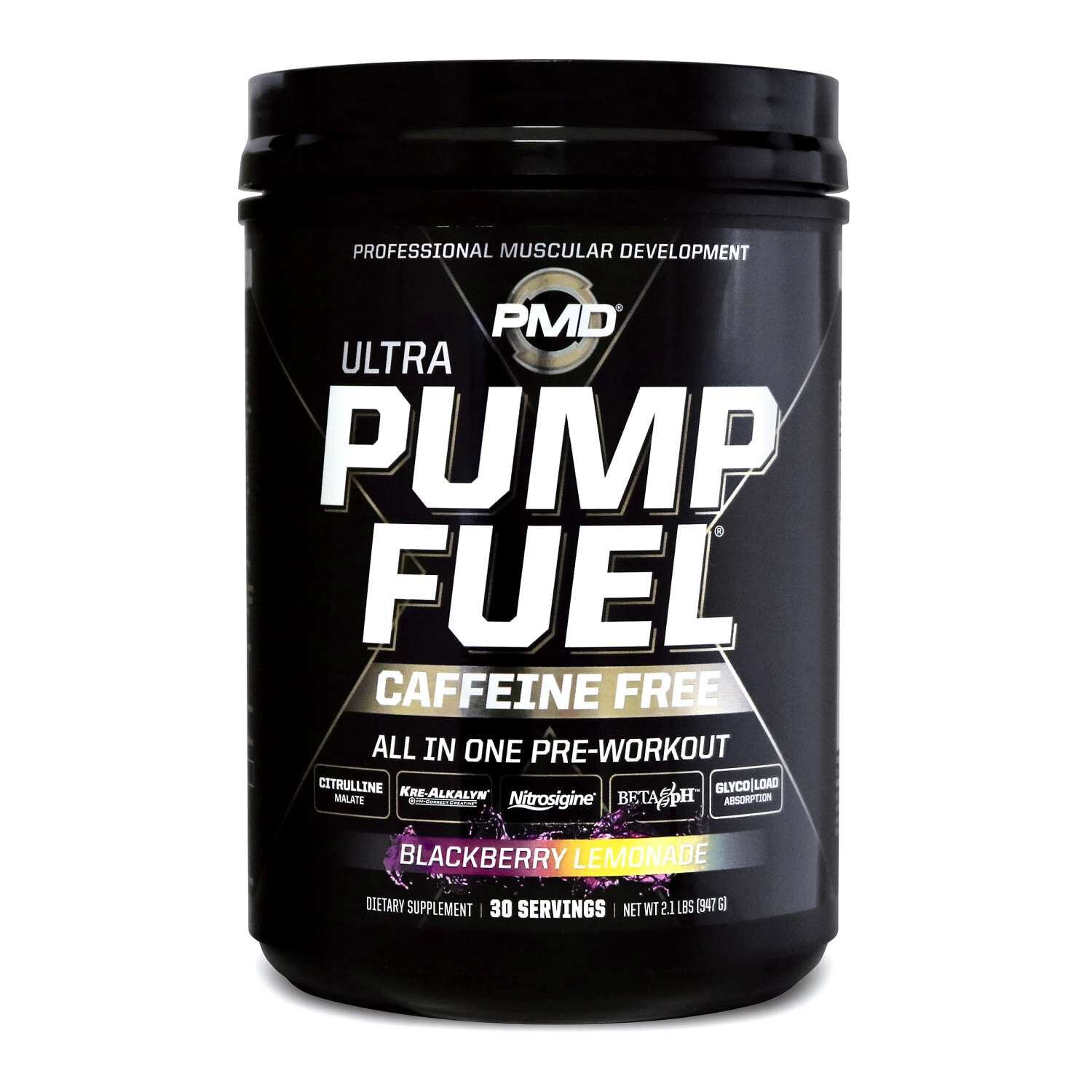
To identify a caffeine-free pre-workout, look for an explicit statement on the exact formula and verify it against the current product information. Read the complete name, selected flavor, ingredient panel and any manufacturer clarification. Do not infer caffeine-free status from a mild flavor, a small serving, a pastel package or a product name that sounds less intense.
This guide explains how to organize that verification before purchasing. It does not recommend a pre-workout for an individual, establish that a formula is medically suitable or rank products by performance outcomes. If avoiding caffeine is part of a personal medical requirement, use appropriate professional advice alongside the exact product documentation.
Begin with the complete product version
A brand can sell both caffeinated and caffeine-free formulas with similar artwork. Copy the whole product-line name, including any caffeine-free wording, rather than stopping at the brand. Then record the flavor, package size and selected option. These details keep your question tied to the item you intend to order.
Check that the title, option selector and available images describe the same version. If the title identifies a caffeine-free product but the photograph appears to show another formula, ask which item is supplied. Do not assume that the most reassuring line of text overrides every conflicting detail elsewhere on the page.
Keep the direct product link with your notes. A search result can combine several versions, and an old article may describe a product whose current information is different. A precise reference makes it easier for the retailer or manufacturer to check the formula you actually mean.
| Identity field | What to record | Why it matters |
|---|---|---|
| Brand and line | Complete product name | Separates similar ranges |
| Version wording | Any explicit caffeine-free statement | Identifies the claim being checked |
| Flavor | Exact selected option | Keeps the label match precise |
| Package | Selected size and serving count | Prevents mixing unrelated options |
| Reference | Direct listing and current panel | Makes the question traceable |
Where should you look for the caffeine statement?
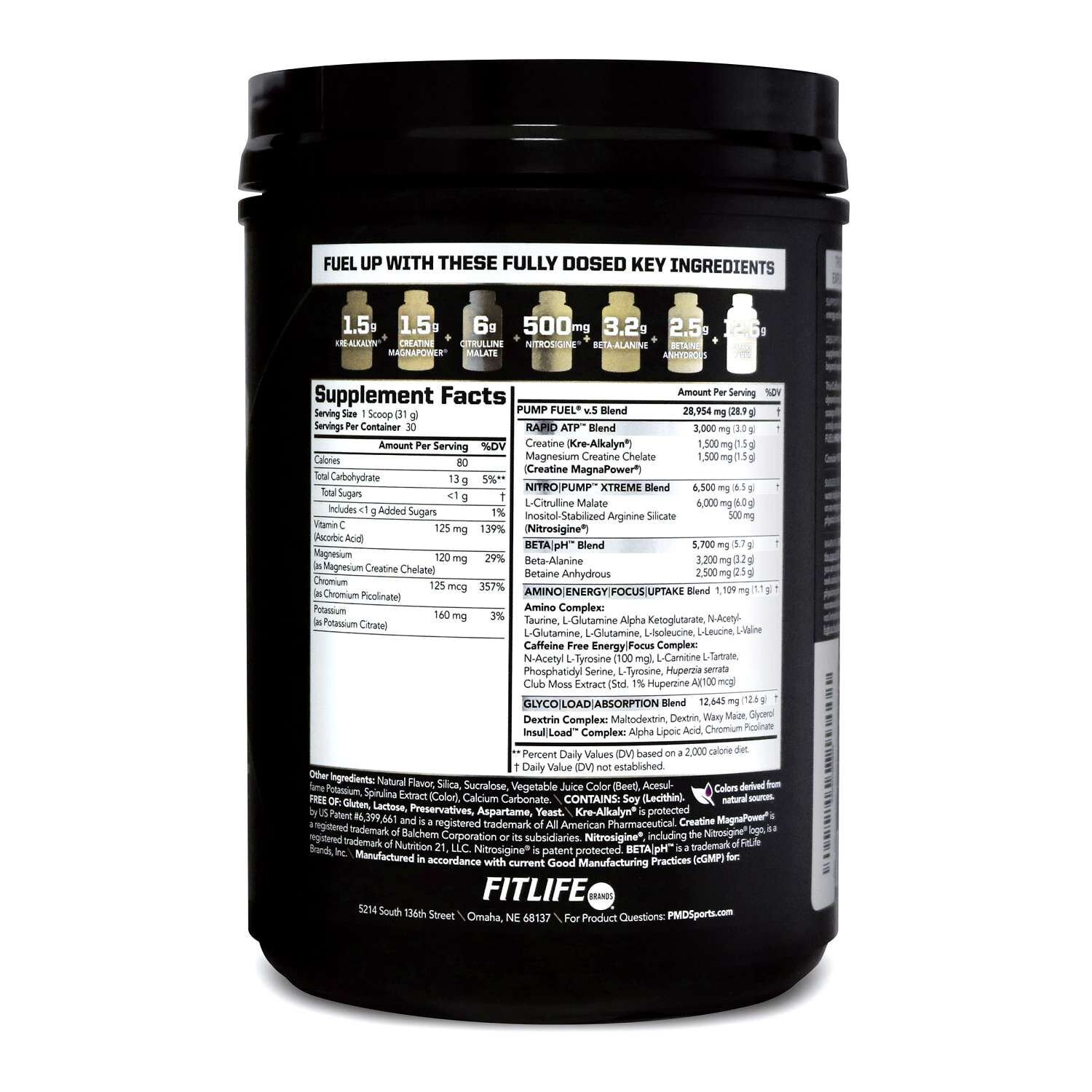
Review the product title, front packaging, ingredient information and manufacturer description for the exact formula. These sources should be read together. A short category description may not contain the complete information needed to identify the product’s caffeine status, and missing wording in a title should not be treated as a definitive answer.
When a label states a caffeine amount, keep the quantity and its serving basis together. If the amount is not disclosed or the description is unclear, ask for clarification rather than estimating it from another product. A number copied without its portion definition is incomplete information.
The FDA’s caffeine resource explains that products can contain caffeine from different sources and that amounts vary. For a shopping decision, the useful action is to verify the exact formula and ask the manufacturer when its information is unclear, rather than infer an amount from a broad product category.
Why read the full ingredient list?
The complete formula gives more information than a caffeine-focused headline. Record the named ingredients and any disclosed quantities, including components you want clarified. A caffeine-free statement addresses one aspect of a product; it does not describe every ingredient or establish that nothing else requires your attention.
Do not fill an unclear ingredient field with information from a similar pre-workout. A regular version, a different flavor or another regional package may have a different formula. Keep the uncertainty visible until you obtain the information for the exact selected product.
If you do not recognize an ingredient, request the manufacturer’s explanation or consult an appropriate professional source. Avoid deciding from the ingredient’s unfamiliar name that it must contain caffeine, or that it must not. A verification question is more reliable than a confident guess based on the name alone.
Are caffeine-free and stimulant-free interchangeable descriptions?
Treat them as separate claims that need their own exact wording and explanation. Do not replace one phrase with the other in your comparison notes merely because they sound related. Ask the manufacturer what a particular statement means for the finished formula if that distinction matters to your purchase.
Likewise, a description such as low caffeine is not the same statement as caffeine free. The wording should remain precise. If a listing uses several different descriptions, request a direct clarification instead of combining them into a stronger assurance than the page actually provides.
The same discipline applies to decaffeinated descriptions on other products. The FDA notes that decaffeinated coffee and tea can still contain caffeine. That is a reason to read the exact claim and product context, not to treat every caffeine-related phrase as equivalent across all foods, drinks and supplements.
| Wording encountered | What to do before relying on it |
|---|---|
| Caffeine free | Confirm it refers to the exact finished formula |
| Low caffeine | Ask for the amount and serving basis if needed |
| Stimulant free | Read the manufacturer’s scope and full ingredients |
| No caffeine information visible | Request a readable current label or clarification |
| Several conflicting descriptions | Ask which statement applies to the supplied product |
How should you compare regular and caffeine-free versions?
Build separate columns for the full formulas. Do not assume that one is the other with a single ingredient removed unless the manufacturer documents that relationship. Record the ingredient lists, quantities where disclosed, serving definitions and preparation instructions individually.
This matters when calculating cost as well. If two versions use different serving sizes or package counts, their tub prices cannot be compared as if they contain identical numbers of portions. Calculate the cost for each version’s own stated servings and keep any formula differences beside the result.
If an old review discusses the regular version, use it only as a source of questions, not as the current label for the caffeine-free option. Reviews about taste, preparation or packaging may also concern a different flavor or package revision. The exact panel should remain your primary product reference.
What should you check about servings and scoops?
Read how the manufacturer defines one serving. A scoop and a complete serving are not automatically identical across products. Copy both the gram quantity and any scoop wording where supplied. Do not borrow a measuring assumption from another powder, even if the tubs look similar.
Keep the serving definition with every listed amount in your worksheet. If a hypothetical formula states a two-scoop serving, a quantity printed per serving belongs to that defined portion. This is a label-reading example, not a recommendation to take two scoops or adjust a personal intake.
Read the preparation directions separately from the comparison arithmetic. A price-per-serving calculation tells you how the package cost is distributed; it does not establish how much of the product is appropriate for a particular person. Keep those questions distinct when reviewing options.
Does caffeine-free mean suitable for every shopper?
No single label phrase can answer every individual suitability question. The complete formula, package warnings and a person’s circumstances still need appropriate consideration. This article helps identify product information; it does not establish a formula’s suitability for pregnancy, a medical condition, a medicine combination or a particular age group.
If your reason for avoiding caffeine comes from professional advice, take the exact formula and readable label to the relevant professional. A retailer can help locate those facts, but should not replace an individualized clinical discussion with a broad product-category answer.
Do not use a caffeine-free description to claim that a product guarantees sleep, avoids every unwanted effect or produces a particular workout result. Those are separate assertions requiring their own evidence. Keeping the shopping claim narrow makes the information clearer and avoids promising more than the label states.
How do you compare prices without losing the formula distinction?
Divide the selected package price by its stated number of servings, then add actual order charges when comparing delivered costs. Keep the exact product version and serving definition beside each figure. A cheaper serving of a different formula is a different option, not automatically an equivalent bargain.
For a hypothetical $36 tub with 30 servings, the product cost is $1.20 per serving. A hypothetical $30 tub with 20 servings costs $1.50 per serving. These are illustrative calculations, not current Sprinkles Menu prices. Neither figure establishes which formula is appropriate for an individual.
| Hypothetical option | Product price | Labeled servings | Cost per labeled serving |
|---|---|---|---|
| Formula A | $36 | 30 | $1.20 |
| Formula B | $30 | 20 | $1.50 |
If delivery differs, recalculate using the actual total for the selected destination and items. A product-only price should not be compared with another option’s delivered total. Keep unknown charges visible instead of assuming a promotion or arrangement that has not been confirmed.
What should you ask when a listing is unclear?
Send the exact product link, full name, selected flavor and package size. State the question directly: “Please confirm whether the supplied finished formula is the caffeine-free version and send its current ingredient panel.” This is more useful than asking whether a brand in general is caffeine free.
If the title and image conflict, identify the discrepancy. You can explain that the title uses caffeine-free wording while the visible photograph appears to show another version. Ask which product will be supplied before ordering rather than assuming the store will infer your intended choice from a general message.
Keep the reply with your product notes and recheck the selected cart item. If you switch options after asking, the earlier answer may no longer apply. The final confirmation should match the exact version, flavor and package that you are actually purchasing.
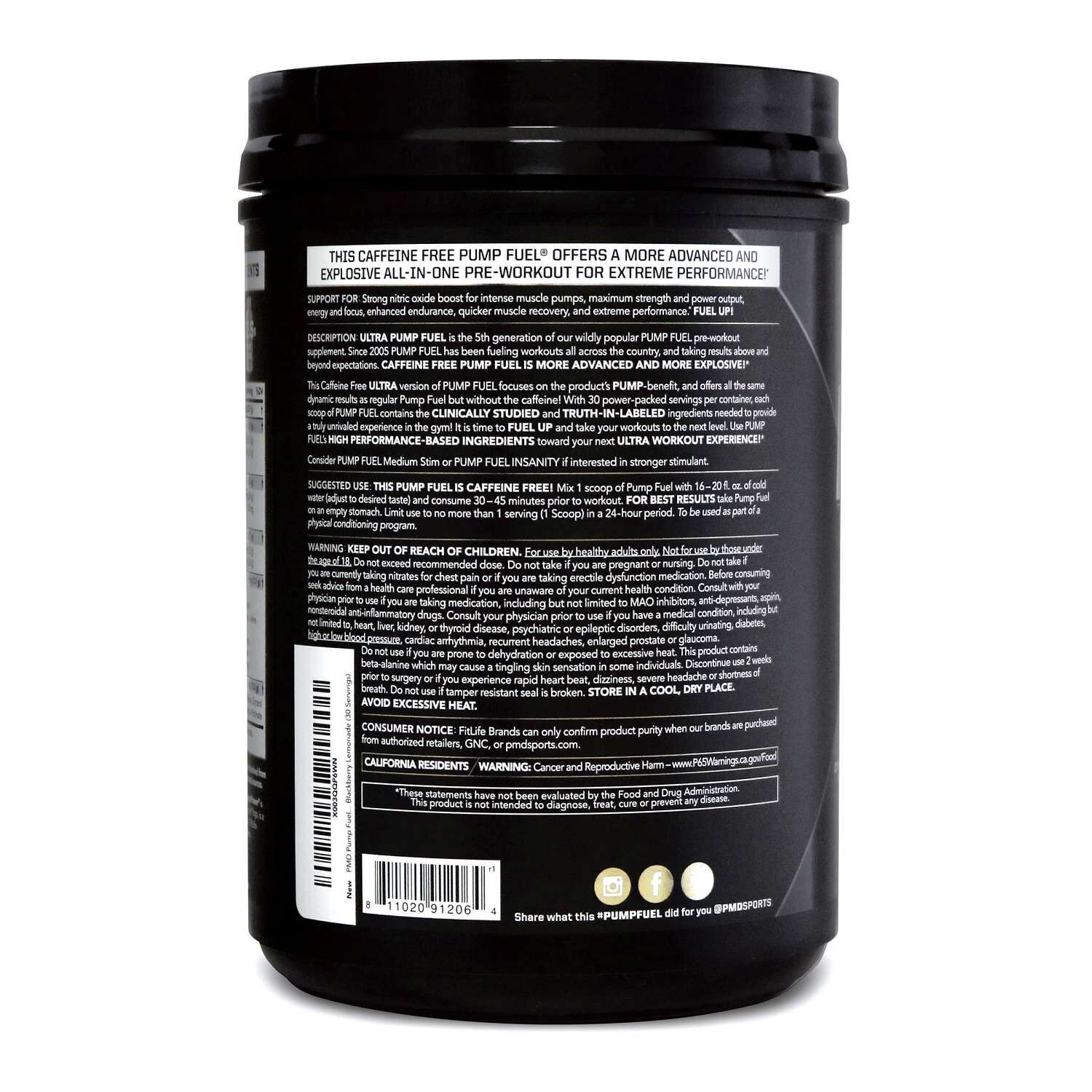
A verification worksheet
Use this checklist for every candidate rather than assuming that a single brand-level description applies across a range. Record unknown when the required information is not supplied. A visible unresolved question gives you a clear next step; an invented answer does not improve the comparison.
| Check | What to record |
|---|---|
| Exact formula | Complete product and version name |
| Selected option | Flavor and package size |
| Claim wording | Precise caffeine-related statement |
| Current panel | Readable ingredient and serving information |
| Serving definition | Gram quantity and scoop wording |
| Other ingredients | Full list and any questions requiring clarification |
| Package warnings | Actual wording for the selected formula |
| Manufacturer response | Reference for any clarification obtained |
| Current cost | Product price and confirmed order charges |
| Final cart match | Same version as the checked information |
Review the worksheet before comparing taste preferences or convenience. If the formula identity remains uncertain, obtain that answer first. An accurate price calculation for the wrong version does not resolve the reason you began checking caffeine information.
Questions shoppers often ask
Can I identify caffeine-free status from flavor or packaging color?
No. Use an explicit statement and the current product information for the exact formula. Packaging style and flavor names are not a reliable substitute for the label or manufacturer confirmation.
Does a smaller scoop establish less caffeine?
Do not infer a quantity from scoop appearance. Read the stated amount and serving basis where supplied, and ask for clarification if they are unclear. Different formulas can use different scoop measures and ingredient compositions.
Can I use the regular version’s ingredient list?
Use the caffeine-free product’s own current information. Similar branding does not establish that the formulas, portions or other ingredients match. Keep separate comparison entries until the exact relationship is documented.
Does a sugar-free statement answer the caffeine question?
It addresses a different aspect of the product. Keep sugar-related wording and caffeine-related wording in separate fields, and verify each against the selected formula’s information. Do not turn a statement about one ingredient category into a statement about another. This is particularly useful when several prominent claims appear together on the front of a package.
What if only an old label image is available?
Ask whether it describes the formula currently supplied for the selected option. If the retailer or manufacturer identifies a revised panel, use that information in your comparison and retain the exact version reference. An older photograph may remain helpful for recognizing a product, but it should not silently override a confirmed update.
What information should I keep after a clarification?
Keep the product link, selected option, question and exact answer together. This makes it easier to check that the cart still matches the formula discussed. If the answer applies only to one size or flavor, preserve that limitation rather than extending it across the whole range.
Where should I begin checking current options?
Browse the pre-workout department and open the exact version. Read the related guides to serving-basis checks and questions before ordering. Use the contact page to request a current label or clarify a conflicting listing.