




Blog
How much protein is listed in one serving of a powder?

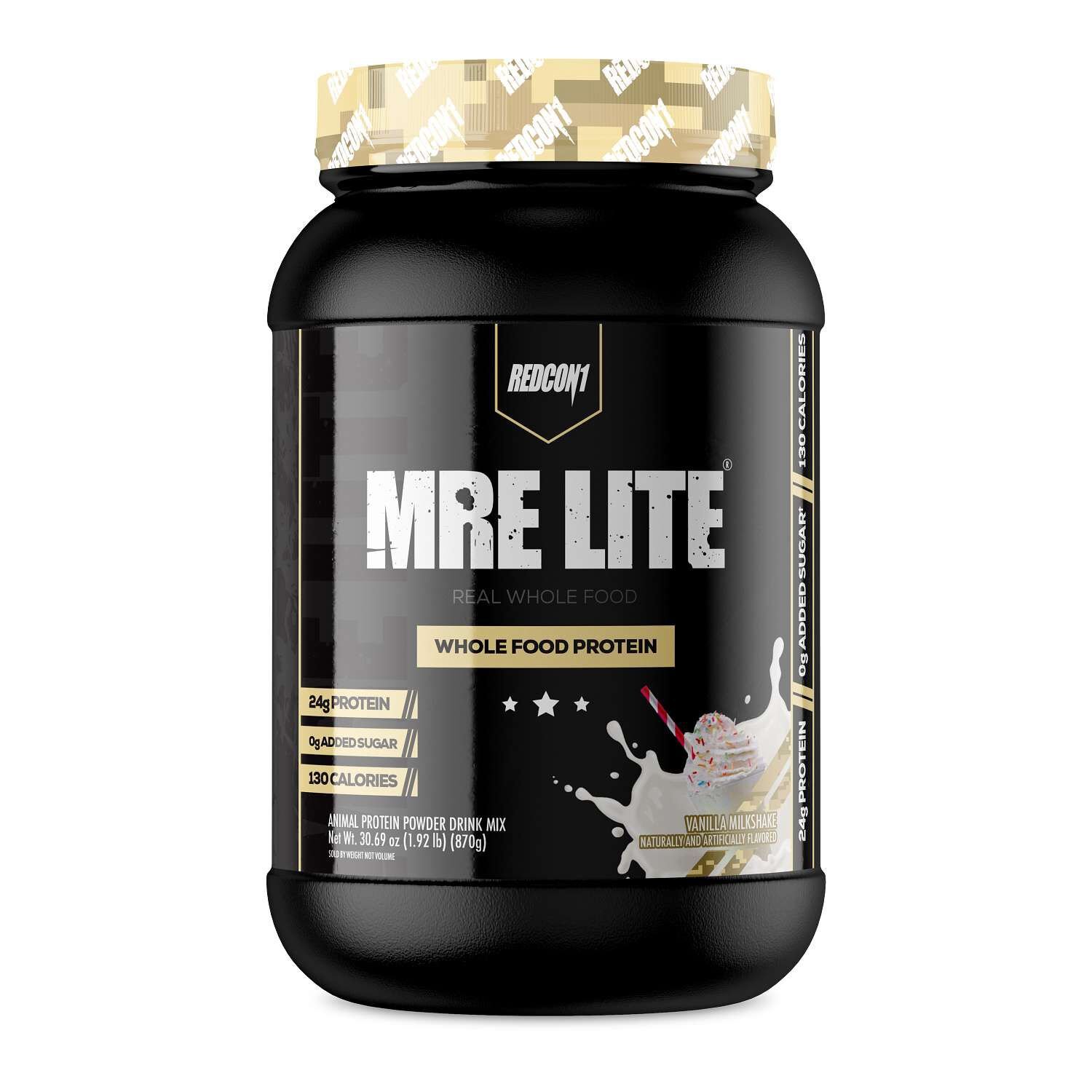
To find how much protein is listed in one serving of a powder, locate the protein entry on the exact product’s panel and read it together with the serving-size line. The weight of a scoop, the total powder in a tub and the protein attributed to a serving are different quantities. Keep all three visible so that a large package number is not mistaken for the amount of protein in one portion.
The other essential check is preparation basis. A panel or illustrated example may describe dry powder or a prepared drink made with additional ingredients. Before comparing products, establish which basis each number uses. This guide explains the reading and arithmetic, using hypothetical examples rather than recommending an individual protein intake or claiming current product quantities.
Find the serving-size line before the protein figure
The protein amount needs a defined portion to be meaningful. Read the serving size first, including grams and any scoop description. Then find the protein line belonging to that portion. An isolated protein number copied from a headline can lose the context needed to understand what amount of product it describes.
Save the exact flavor and package version with the panel. A brand can sell several formulas under related names. If you change an option while browsing, do not assume the first panel you noted still describes the new choice. Check the current selected product before using its figures.
If the serving-size information cannot be read, ask for a clearer label. Guessing that one scoop must be one serving makes the rest of the comparison uncertain. The useful first step is to establish the portion, not to perform more calculations on an unidentified amount.
| Label field | What it means for the comparison | What it should not be confused with |
|---|---|---|
| Net weight | Total powder supplied | Protein in one serving |
| Serving weight | Powder quantity used for a labeled portion | Grams of protein automatically |
| Scoop wording | Manufacturer’s described measuring basis | A universal scoop size |
| Protein entry | Protein listed for the defined portion | Total weight of the powder portion |
| Servings per container | Stated number of portions in the package | Number of grams in the tub |
Why serving weight is not protein weight
A powder’s portion can contain several ingredients. Its total gram weight and its listed protein quantity therefore belong in different fields. Do not call the entire portion protein simply because the product is marketed as a protein powder. Use the exact protein entry instead.
For a hypothetical 35-gram serving that lists 24 grams of protein, record both numbers: 35 grams of powder and 24 grams of listed protein. The remaining portion weight should not be assigned to a particular ingredient category without the label’s own information. Do not invent a complete composition by subtraction.
This distinction also prevents a pricing error. Dividing a tub’s price by net powder weight calculates a cost per gram of powder. It does not automatically calculate cost per gram of protein. Choose the metric that answers your shopping question and label it accurately.
How do scoops relate to the serving?
Use the manufacturer’s stated relationship between scoops and the labeled portion. Different products can use different scoop measures or multiple scoops for a serving. The appearance of a measuring scoop in a photograph does not establish its capacity or its relationship to the panel.
Copy both the gram amount and scoop wording where supplied. If a hypothetical serving is described as two scoops, its printed protein amount refers to that complete stated serving. The example explains how to read a panel; it does not advise someone to take two scoops or change a personal amount.
Do not transfer a scoop from another product into the calculation by assumption. A familiar scoop can represent a different quantity of a different powder. Follow the exact product’s measuring instructions and request clarification when the available information is inconsistent or incomplete.
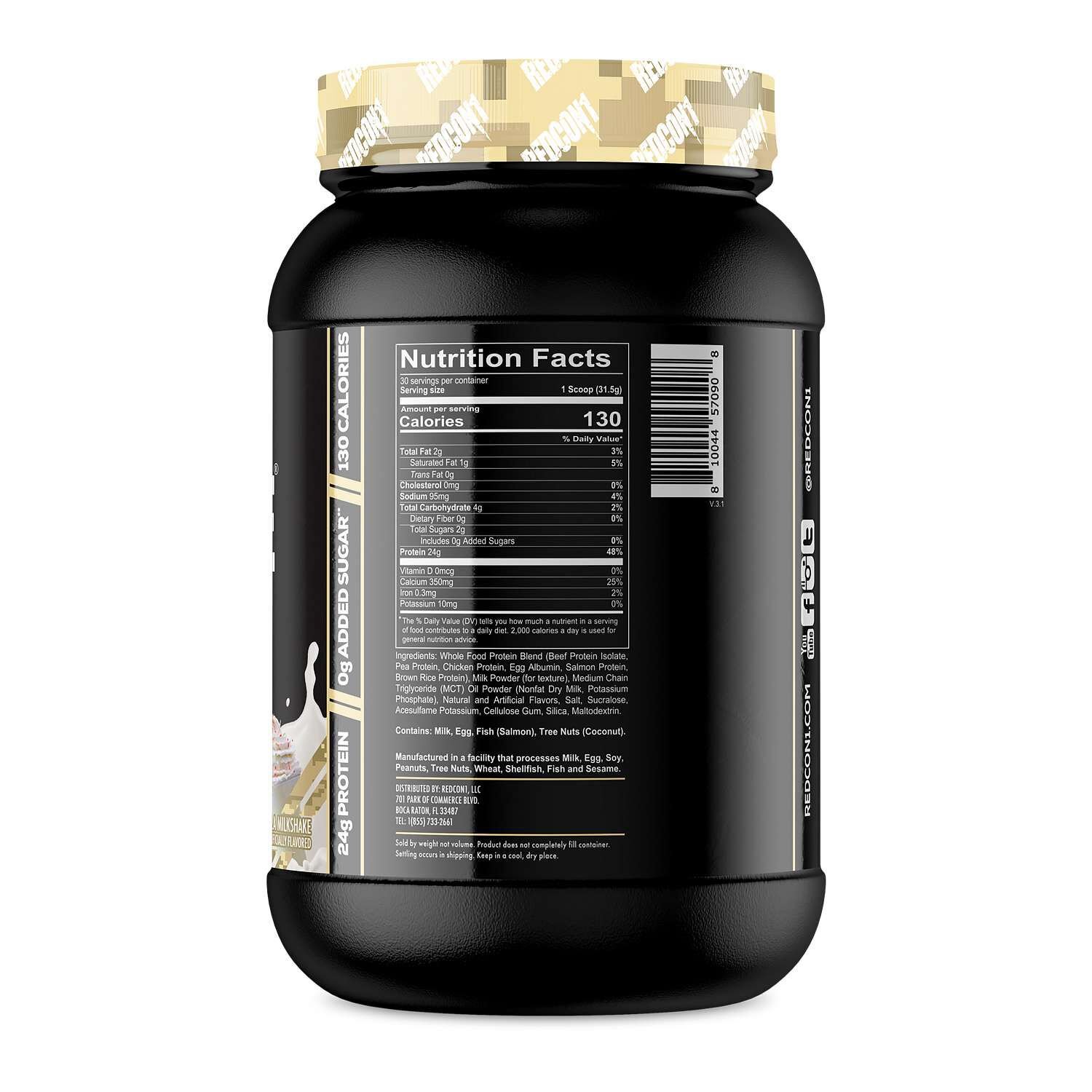
Dry powder and a prepared drink need separate notes
Identify whether the quoted quantities describe the powder alone or a prepared serving using additional ingredients. If milk or another ingredient is added in the manufacturer’s example, keep that preparation basis visible. Do not compare a prepared total with another product’s powder-only number as if both described the same purchase component.
If the package provides separate columns for different preparations, copy the appropriate column and name it in your worksheet. An unlabeled combined figure can make one powder appear to supply more protein even when the comparison includes an additional ingredient that has not been accounted for on the other side.
For your own prepared-drink costing, record the purchased mixer separately from the powder. That helps distinguish the product you are ordering from the complete drink you plan to prepare. Use the actual product directions; do not invent preparation instructions or turn a shopping worksheet into an individualized nutrition plan.
How do you read more than one labeled serving?
Once the serving basis is clear, multiplication can explain the relationship between quantities. If a hypothetical labeled serving lists 20 grams of protein, two such servings correspond arithmetically to 40 grams. This is a reading example, not advice to consume two servings.
Likewise, a fraction of the defined portion changes the quantity represented by a simple calculation. Keep the stated serving and the amount being calculated in separate columns so that the result is not mistaken for the manufacturer’s standard panel entry.
| Hypothetical calculation | Relationship to labeled serving | Listed protein represented arithmetically |
|---|---|---|
| Standard example portion | 1 serving | 20 g |
| Double example portion | 2 servings | 40 g |
| Half example portion | 0.5 serving | 10 g |
These calculations do not establish how an individual should measure, prepare or use a product. Follow the actual directions and seek appropriate professional advice about personal requirements. The purpose here is to keep the mathematical basis of a comparison understandable.
How do you compare products with different serving sizes?
Record the labeled portion and protein amount for each product before drawing a conclusion. A powder with a larger serving can list a larger protein amount without establishing that the same weight of powder supplies more. Keep the original panel figures rather than silently normalizing them and presenting the result as the label.
For a clearly identified arithmetic comparison, you can calculate protein grams divided by portion grams using hypothetical or confirmed label figures. Label the result as a calculation from the listed amounts, not a laboratory measurement or a replacement for the manufacturer’s information.
| Hypothetical product | Powder per serving | Protein listed per serving | Simple ratio from listed figures |
|---|---|---|---|
| Product A | 30 g | 24 g | 24 ÷ 30 = 0.80 |
| Product B | 40 g | 28 g | 28 ÷ 40 = 0.70 |
The ratio answers a narrow quantity question. It does not rank every ingredient, taste, preparation feature or personal outcome. If the products have different formulas or intended formats, retain those differences instead of allowing one derived number to become a universal recommendation.
What if the front label and panel appear different?
Check whether the front statement describes the same portion and preparation as the detailed panel. A headline may need context from nearby wording or another part of the package. Read the complete statement rather than extracting only the largest number.
If the relationship still cannot be established, ask the retailer or manufacturer for clarification. Include the product link, complete name, flavor and package size. Explain which two statements appear inconsistent so the response can address the actual discrepancy rather than describe the brand generally.
Do not resolve the conflict by choosing whichever figure seems more favorable. A useful comparison depends on the exact supplied product and a clear basis. Keep the field marked unresolved until the available information supports a specific interpretation.
Why do flavor and formula changes matter?
Treat the selected flavor as a specific version of the product. Its serving weight, ingredients or other panel details may need separate checking. Do not copy a vanilla panel onto a chocolate or unflavored option solely because the tub design looks similar.
The same caution applies to package revisions. If a review or old image shows a different label, ask whether it describes the version currently supplied. A historical reference can help identify a question, but it should not override a confirmed current panel.
Keep your worksheet tied to a direct listing link. If the product title or option changes while you browse, revisit the relevant fields. That final identity check is especially useful when several related formulas appear together in a category or search result.
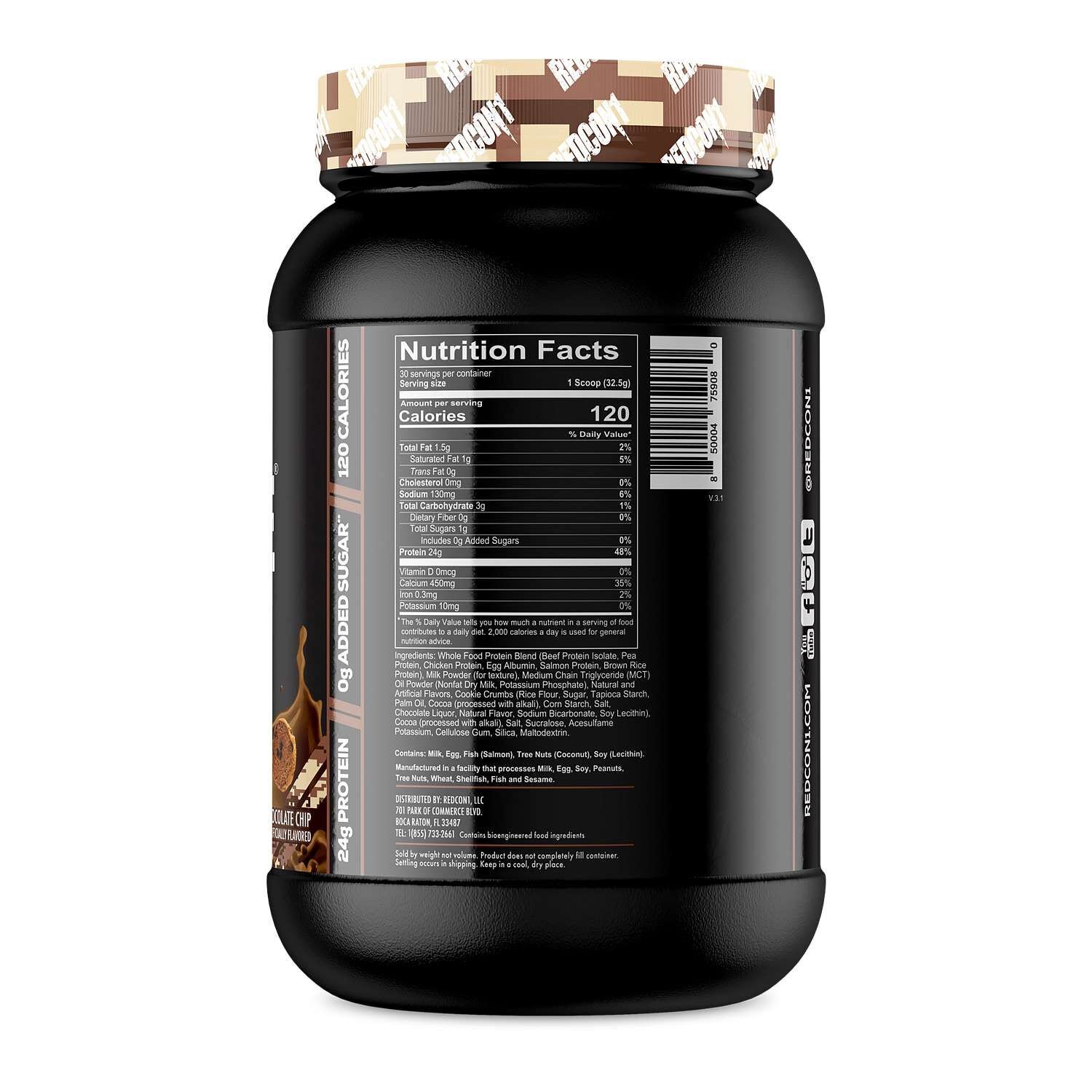
How does the protein figure enter a cost comparison?
First calculate product cost per labeled serving by dividing the selected package price by stated servings. If you then want cost per listed gram of protein, divide that portion cost by the protein amount for the same portion. Keep the ingredient and preparation differences visible beside the result.
For a hypothetical $30 tub with 25 servings, the portion cost is $1.20. If that same labeled serving lists 24 grams of protein, the calculated cost is $0.05 per listed gram. This does not establish a current store price, a suitable intake or equivalence with every other powder.
Include actual order charges when comparing delivered costs, and keep any shared-basket allocation explicit. A product-only price and a delivered total should not be placed in the same comparison column without explanation. The accuracy of the protein figure does not remove the need to identify the price basis.
A label-reading worksheet
Use the following rows for each candidate product. Enter unknown when a detail cannot be confirmed rather than guessing from a photograph or another flavor. The worksheet should make missing information visible so you can ask a focused question before ordering.
| Check | Information to record |
|---|---|
| Exact product | Complete formula, flavor and selected package |
| Serving definition | Grams and any scoop wording |
| Protein entry | Amount and units for that defined portion |
| Preparation basis | Dry powder or stated prepared serving |
| Additional ingredients | Kept separate where a prepared example uses them |
| Package quantity | Net weight and stated servings |
| Conflicting statements | Identified for clarification |
| Price metric | Portion cost or listed-protein cost, clearly labeled |
| Current reference | Direct listing and readable panel |
Review these rows against the cart before checkout. A correct calculation for one selected flavor or tub size does not automatically apply after switching options. The goal is a traceable comparison of the product actually being purchased, not merely a collection of plausible numbers.
Questions shoppers often ask
How should I handle two different columns on a panel?
Read the heading above each column and record the basis explicitly. A panel can provide information for different portions or preparations. Do not take the serving weight from one column and the protein figure from another without explaining the relationship. Copying one complete, clearly identified set of figures is a safer starting point for comparison.
If the column headings cannot be read in the online image, ask for a clearer copy. Keep the question focused on the exact column and selected product rather than asking the store to estimate a protein quantity. Once the basis is confirmed, update the worksheet and retain the original portion definition beside any calculated result.
Does a thirty-gram scoop mean thirty grams of protein?
No such equivalence should be assumed. The scoop or portion weight describes powder quantity. Read the separate protein entry for that portion and keep both figures in the comparison.
Can I use the total tub weight as the protein quantity?
Net weight describes all powder supplied. It should not be substituted for the listed protein amount. If you calculate a quantity from the package’s serving information, label the calculation and retain the original figures.
Is a bigger protein number always a stronger formula?
Check the portion and preparation basis first. A larger serving or an added preparation ingredient can change the comparison. The number alone does not establish the complete formula or personal suitability.
What if the label image is too small?
Ask for a readable current panel for the exact selected product. Include the direct link and identify the field you need clarified. Avoid filling the gap from another formula simply because its artwork looks similar.
Where can I continue the comparison?
Browse the protein powder department. Read about serving-cost calculations and serving versus tub weights. For missing product information, use the contact page with the selected listing link and your precise question.