




Blog
How do I read the sugar information on an energy drink?

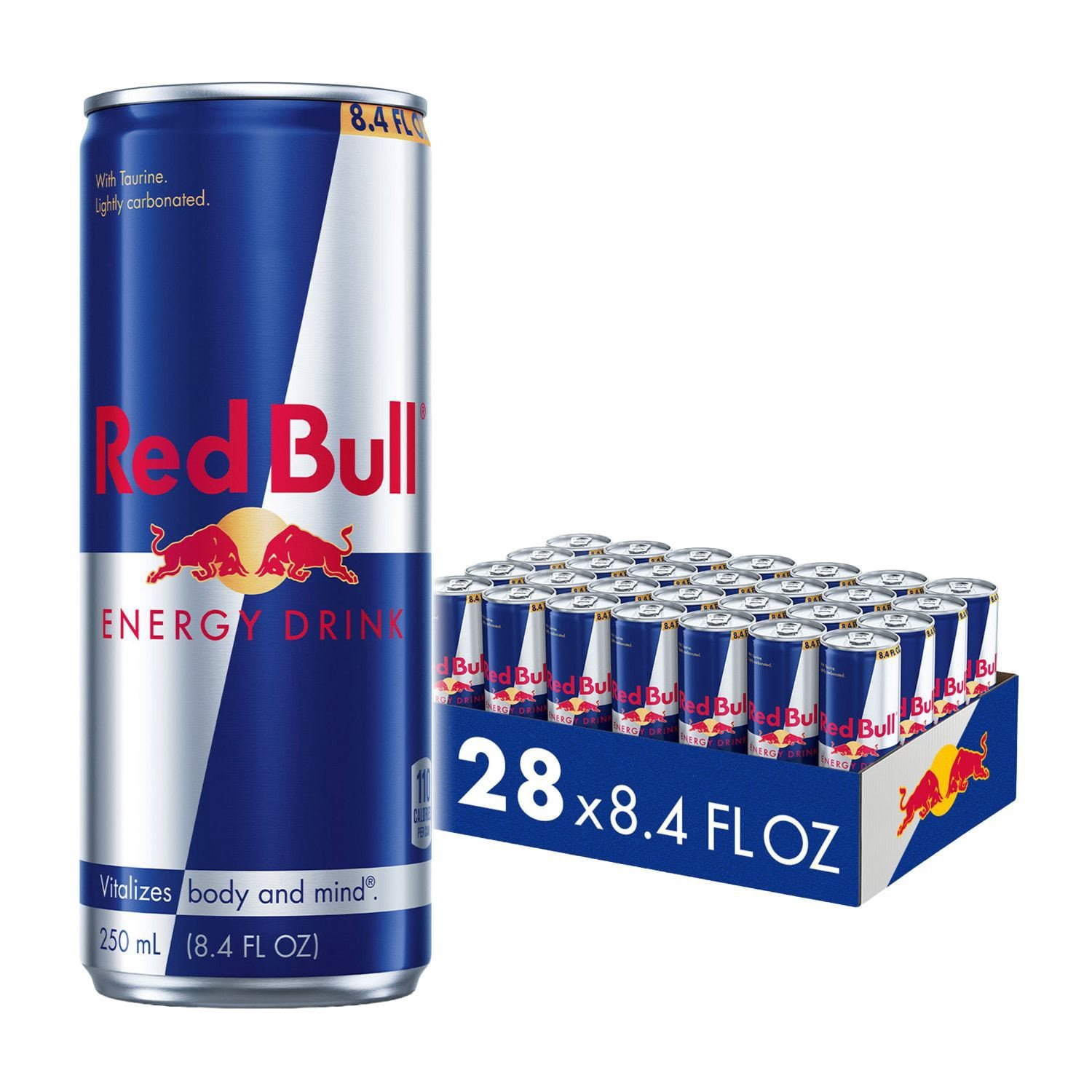
Read an energy drink’s sugar information by checking its serving size first, then recording total sugars and added sugars from the same label column. Added sugars are included within total sugars; they are not a second amount to add on top. Compare drinks on a matching basis, such as one complete can or the same volume, before drawing a numerical conclusion.
This guide explains a practical way to review energy-drink labels. It covers the difference between sugar lines, container calculations, ingredient questions, and variety-pack checks. Worked figures are hypothetical teaching examples. They are not current nutrition declarations for the pictured products or personal dietary advice.
Identify the exact drink before reading the numbers
Start with the complete product name, flavor, formula, and container size. Keep regular, sugar-free, and other named versions separate in your notes. Similar packaging does not establish identical ingredients or nutrition information. A brand-level search result can lead to a different can size or a formula intended for another market.
On the selected listing, look for a readable current label that matches the item being offered. Record the source and date of your check. If the title and package photograph identify different versions, resolve that mismatch before treating either as a confirmed description of the order. An attractive product image cannot settle an unclear specification.
This identification step is especially useful for flavored editions and variety packs. The phrase energy drink identifies a broad category, while the sugar declaration belongs to a particular formula and serving. A worksheet should have a separate row whenever the version or relevant label information changes.
Read total sugars and added sugars together
The FDA’s added-sugars explanation distinguishes total sugars from added sugars and explains that the latter are already part of the former. Total sugars cover naturally present sugars as well as added sugars. The word includes on the added-sugars line signals that relationship.
For an invented example, a declaration of 18 grams total sugars including 12 grams added sugars does not mean 30 grams of sugars. The total remains 18 grams for the stated label basis. Keep both lines in your record because they answer different questions, but do not combine them into a new larger total.
Read the full wording rather than a cropped number. A screenshot that shows only 12 g can lose the distinction between total and added sugars. When transcribing a label, copy the nutrient name, grams, and column heading together. This makes the result easier to verify and less likely to be misinterpreted later.
| Label item | What to record | Common reading error |
|---|---|---|
| Serving size | Stated amount and unit | Assuming the whole can is one serving |
| Servings per container | Number and any approximation | Ignoring a multi-serving container |
| Total sugars | Grams for the selected column | Adding the added-sugars line again |
| Added sugars | Grams and stated percentage where provided | Treating it as separate from total sugars |
| Total carbohydrate | Its own declared amount | Relabeling all carbohydrate as sugar |
| Calories | The stated value and basis | Assuming a sugar statement supplies the full calorie figure |
Find the serving basis before comparing drinks
Look at the serving information and the heading above the nutrition values. The FDA’s Nutrition Facts guide explains that serving size supplies the basis for the corresponding nutrient amounts and is not a recommendation of how much to consume. Keep that distinction when reading a drink label.
If a container has more than one labeled serving, a per-serving sugar amount does not automatically describe the complete container. Conversely, a column explicitly labeled per container already supplies a whole-container basis. Do not multiply that value by the serving count again simply because a separate serving-size line appears elsewhere.
Copy the original basis into your worksheet. A note saying 10 grams per 250-milliliter serving is more useful than a note saying 10 grams with no context. Preserve qualifications such as approximate serving counts rather than presenting rounded label inputs as exact measurements.
Work through a complete-container example
Imagine a hypothetical bottle with two servings, each declaring 9 grams total sugars and 6 grams added sugars. Using those stated inputs, the complete bottle corresponds to 18 grams total sugars and 12 grams added sugars. Calculate each line independently; added sugars remain included in the total after conversion.
Write the operations as 9 × 2 = 18 grams total sugars and 6 × 2 = 12 grams added sugars. Do not calculate 18 + 12 as the complete bottle’s total sugars. That addition would count the added component again and would misrepresent the original relationship between the two label lines.
If the label also provides a complete-container column, compare your interpretation with that declaration and check for rounding or a different basis. If a meaningful discrepancy remains, obtain clarification from the manufacturer. Do not average two inconsistent figures or choose the one that best fits your preferred comparison.
Compare equal volumes when sizes differ
A per-can comparison answers how much the stated complete containers contain. An equal-volume comparison answers a different question: how the declarations compare for the same volume of drink. Both can be useful, but the basis should remain visible in the table heading.
For hypothetical Can A, 10 grams total sugars in 250 milliliters corresponds to 4 grams per 100 milliliters. Hypothetical Can B, 15 grams in 500 milliliters, corresponds to 3 grams per 100 milliliters. Can B has the larger complete-container amount in this example while having the smaller equal-volume figure.
This is why changing the comparison basis can change the order of the numbers. It does not mean either calculation is wrong. Choose the question first, show the container volume, and avoid describing a per-can result as if it were a concentration result. Use the actual printed volume for any real product calculation.
| Hypothetical item | Complete-container volume | Total sugars per container | Total sugars per 100 mL |
|---|---|---|---|
| Can A | 250 mL | 10 g | 10 × 100 ÷ 250 = 4 g |
| Can B | 500 mL | 15 g | 15 × 100 ÷ 500 = 3 g |
| Bottle C | 400 mL | 16 g | 16 × 100 ÷ 400 = 4 g |
| Item D | Volume unconfirmed | 12 g stated per container | Insufficient volume information |
| Item E | 330 mL | Sugar basis unclear | Confirm the declaration first |
Keep sugar, carbohydrate, calories, and caffeine separate
A shopping comparison can include several label fields without collapsing them into one judgment. Record total carbohydrate under its own name rather than automatically treating it as total sugars. Likewise, record the stated calorie figure rather than attempting to reconstruct the whole label from the sugar amount alone.
Caffeine requires its own declaration and basis. A sugar-free name does not give the milligrams of caffeine in the product. A caffeine statement does not tell you how much sugar is present. Check each relevant line independently so that a prominent claim on the front of a package does not stand in for unrelated information.
The same applies to ingredient preferences. A total-sugars figure does not identify every sweetening ingredient by name. Use the ingredient list for that question, preserving the exact version and current wording. A useful comparison can place ingredient names beside nutrient amounts while acknowledging that they are different kinds of information.
Read front-of-package wording in context
Words such as zero sugar, sugar free, reduced sugar, or no added sugar direct attention to a particular claim. Record the wording accurately and then review the actual nutrition panel and ingredient list. Do not treat all of these expressions as interchangeable descriptions of an entire formula.
This guide does not assign legal thresholds to those phrases across markets. Products sold in different jurisdictions can use different labeling conventions. For a specific product, start with the label intended for that market and ask the manufacturer about a claim that remains unclear. A shortened retail title may omit an important qualification.
If you are comparing two versions from one brand, save the full names and current labels separately. Avoid transferring a sugar-free declaration to the regular version or treating a flavor description as evidence of fruit-derived sugar. A name helps identify what to check; it does not replace the relevant declaration.
Use the ingredient list for identification questions
When you want to know which ingredients are used, read the ingredient list for the exact item. Copy names carefully instead of replacing them with broad terms such as artificial or natural. Those shortcuts can erase distinctions and may not answer the particular preference you are trying to check.
Do not estimate grams of sugar from an ingredient’s position or the perceived sweetness of the drink. The numerical declaration and the ingredient list serve different purposes. A very sweet taste cannot establish a precise sugar amount, and a less sweet taste cannot confirm the absence of a particular sweetening ingredient.
If a readable ingredient list is unavailable, request it before relying on an exclusion claim. A brief product description might highlight a few ingredients without listing the complete formula. Keep missing information marked as unconfirmed rather than turning the absence of a name in marketing copy into proof that the ingredient is absent.
Review variety packs flavor by flavor
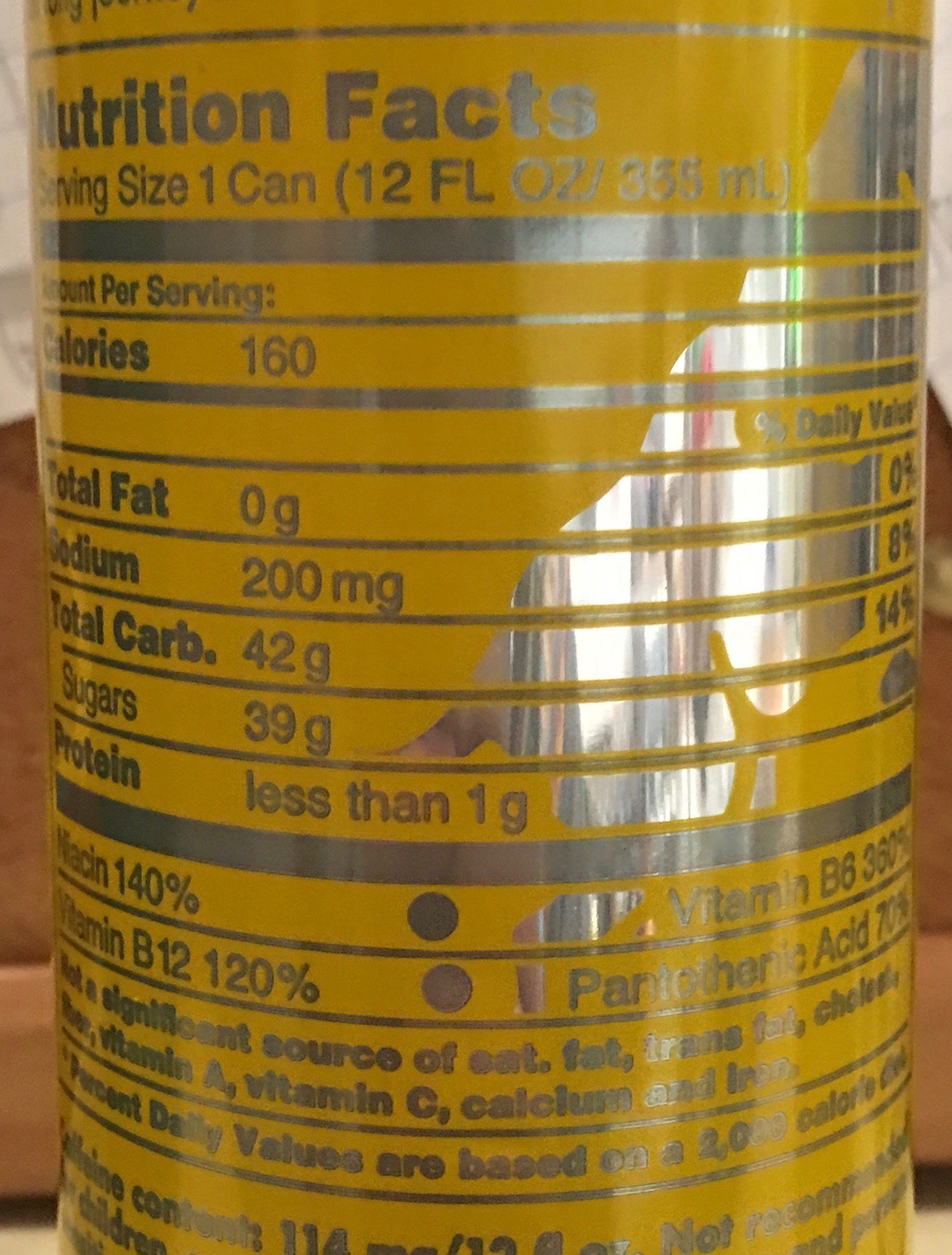
A mixed-flavor package can contain several individually identified drinks. Confirm whether its published nutrition information applies to all included flavors or only to the example shown. Do not assume a single photographed panel establishes identical sugar declarations for every can in an assortment.
If the manufacturer supplies a shared statement, note exactly which products it covers. If declarations differ, use separate rows and retain the relevant can sizes. A package total alone cannot establish the distribution of flavors, and equal numbers of pictured cans are not a substitute for a confirmed contents statement.
For an order comparison, also record the current pack count and selected option. These purchasing details do not change the sugar amount in an individual can, but they help identify what you will receive. Keep any substitution terms explicit so that the comparison is not based on an unconfirmed assortment.
A practical worksheet for an actual listing
| Check | Information to save | Action when unclear |
|---|---|---|
| Product match | Formula, flavor, size, and selected pack | Resolve title-and-image differences |
| Label basis | Serving size and column heading | Request a complete label image |
| Sugar fields | Total and added sugars separately | Avoid filling missing values with guesses |
| Container conversion | Confirmed servings or volume | Show the arithmetic and units |
| Ingredients | Exact current list | Ask for the complete declaration |
| Evidence | Source and review date | Recheck when the version changes |
Frequently asked questions
Do I add total sugars and added sugars together?
No. Added sugars are already included within total sugars. In the hypothetical example with 18 grams total sugars including 12 grams added sugars, the declared total remains 18 grams for that basis. Preserve both figures in separate columns without creating a new combined sugar total.
Does a per-serving value always describe a whole can?
Check the serving information and column heading. If the whole can matches one labeled serving, the bases may match; if it contains multiple servings, a conversion may be needed. Use the exact declaration rather than assuming a universal rule for every drink or container size.
Is a larger can necessarily more concentrated in sugar?
No conclusion follows from size alone. A larger complete container can have more total grams while having fewer grams per equal volume. The hypothetical comparison table illustrates this distinction. Use confirmed values and clearly state whether you are comparing whole containers or the same volume.
Can I identify sweeteners from the total-sugars number?
Use the current ingredient list to identify named sweetening ingredients. A nutrient amount alone is not a complete formula. If avoiding a specific ingredient matters to your decision, obtain the exact list and resolve unclear wording rather than inferring its presence or absence from taste or branding.
Does a sugar-free product name tell me the caffeine amount?
No. Check the separate caffeine declaration for its amount, unit, and serving or container basis. Keep that information beside the sugar comparison as a different field. One front-of-package claim should not be used to fill in unrelated details that have not been verified.
What if the product photograph is too small to read?
Do not enlarge it and guess the missing digits. Request a readable current label or consult the official manufacturer information for the exact version. If neither source resolves the amount or basis, keep the comparison pending. An empty field is preferable to an inaccurate nutrition claim.
Check the record when the package arrives
Compare the delivered formula, flavor, can volume, and label with the information you saved. If they differ, update the worksheet before relying on the old calculation. Keeping the original basis and source alongside the numbers makes the record useful even when packaging or product information changes.