




Blog
Which sweeteners are listed in a sugar-free energy drink?

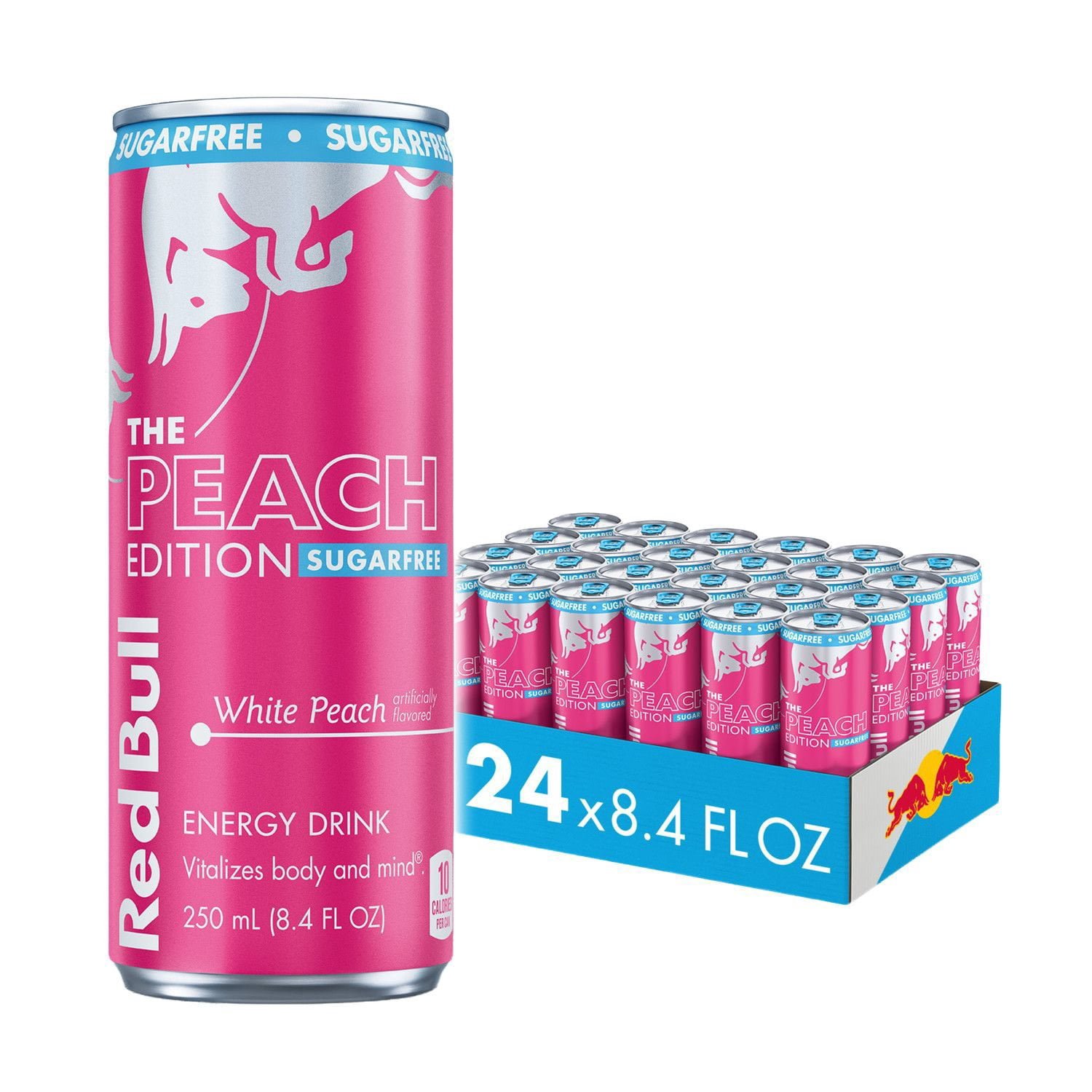
The sweeteners in a sugar-free energy drink depend on its exact formula, flavor, and market. Read the ingredient list on the current product rather than assuming that every sugar-free drink uses the same combination. Names you may encounter include sucralose, acesulfame potassium, aspartame, and stevia-derived ingredients, but their presence must be checked product by product.
This guide explains how to identify sweeteners when browsing energy drinks, interpret common naming differences, and keep a useful comparison record. It also includes a manufacturer example and questions to ask when a package image is unclear. It does not rank sweeteners by health effects or claim that every ingredient discussed appears in the pictured drinks.
Begin with the complete ingredient list
Look for the actual ingredients declaration, not just a short description of featured ingredients. Marketing text might mention caffeine, vitamins, or a flavor without reproducing the complete formula. A missing sweetener name in that short description does not establish that the ingredient is absent from the drink.
Read the declaration from beginning to end and preserve its wording. If the photograph is too small to distinguish similar names, request a readable image for the selected version. Do not rely on a search snippet that may belong to a different can size, a previous formula, or another country’s packaging.
The FDA’s sweetener information explains that consumers can identify sweeteners by their names in the ingredient list. That gives a practical starting point: record the declared ingredient rather than trying to infer it from sweetness, branding, or a front-of-can sugar claim.
Know which product you are checking
Write the brand, full product line, flavor, container volume, and market before recording sweeteners. A single company can offer several sugar-free formulas. Even when the packaging is similar, a statement about one named product should not automatically be extended to every edition or assortment sold under that brand.
Keep a source and date with the record. If you find different ingredient lists online, compare their product identification and publication context. An older label may be authentic historical information while still failing to establish what is in the current item. Treat the difference as a question to resolve, not permission to combine the lists.
When ordering a variety pack, identify which included versions the published list covers. A photograph of one flavor cannot confirm all other cans in the package. If a shared ingredient declaration is provided, record its stated scope and retain any flavor-specific qualifications alongside it.
| Identification detail | Why it matters | Useful record |
|---|---|---|
| Product line | One brand may sell several formulas | Full name from the selected listing |
| Flavor or edition | Versions may have different declarations | Exact named variant |
| Container size | Helps match the physical item | Printed volume and format |
| Market | Available labeling and formula information can differ | Country or region identified by the source |
| Source date | Old information may describe a previous version | Review date and source link |
| Ingredient scope | An image may cover only one flavor | Single product or confirmed assortment |
Recognize acesulfame potassium naming variations
The FDA identifies acesulfame potassium, acesulfame K, and Ace-K as names used for the same sweetener. Recognizing those variations helps avoid mistakenly counting them as three different ingredients in a comparison. Preserve the wording on the package, then add a note connecting the naming variation if helpful.
For example, one worksheet row might transcribe acesulfame potassium while another transcribes acesulfame K. That difference in wording alone does not establish a different sweetener. You would still need to compare the rest of each formula and its current declaration before saying the products have matching ingredient lists.
Do not extend this naming shortcut to unrelated ingredients merely because they share a word such as potassium. Read the full name. A nutrient mineral, an acidity regulator, and a sweetener can have different roles even when part of their names looks familiar. Exact transcription is more reliable than matching isolated words.
Keep sucralose and other names distinct
Sucralose and sucrose are different names and should remain separate in your notes. A quick glance at a small image can make similar-looking words easy to confuse. Enlarge a readable original or obtain a clearer label before turning an uncertain transcription into a product claim.
The same principle applies when a declaration names a stevia-derived ingredient. Record the actual wording instead of replacing every related term with a broad marketing category. If a manufacturer explains an ingredient’s identity, keep that explanation tied to the exact product and avoid making a wider claim than the source supports.
The purpose of this identification step is to establish what is listed. It does not determine the quantity of each sweetener or the drink’s overall nutritional profile. Ingredient names and nutrient amounts belong in separate fields so that a clear formula record does not become an unsupported numerical estimate.
| Name or wording encountered | How to handle it | What it does not establish alone |
|---|---|---|
| Sucralose | Copy the exact name | Amount used in milligrams |
| Acesulfame potassium, acesulfame K, Ace-K | Recognize the naming relationship | An identical complete formula |
| Aspartame | Record presence when actually declared | Presence in every sugar-free product |
| A stevia-derived ingredient | Preserve the package’s specific wording | That every stevia-branded formula matches |
| A sugar-alcohol name | Record separately and check the actual list | Interchangeability with every other sweetener |
| Sugar-free front wording | Use it to identify a claim to review | A complete ingredient list |
A current manufacturer example
In the United States manufacturer information reviewed on October 17, 2026, Red Bull identifies sucralose and acesulfame potassium for Red Bull Sugarfree. This is a specific manufacturer statement, not a universal formula for all sugar-free energy drinks or all products bearing the same brand.
Use that example to see how a precise answer differs from a guess based on the phrase sugar-free. The manufacturer names the sweeteners for the product discussed. For a purchase, still match the exact current can and market, particularly if a listing uses an older photograph or a different edition name.
Do not transfer this example to a flavored edition without checking the relevant information. Nor should a current webpage be used to erase the wording on a delivered package that appears different. Save the details and request clarification about the exact version instead of choosing one source silently.
A blend is still a list of separate ingredients
A drink can use more than one sweetening ingredient. When the list names a combination, record every relevant name rather than choosing the first familiar one and ignoring the rest. A two-ingredient blend does not become a single ingredient merely because the front label uses one broad phrase.
For an invented comparison, Product A might list sucralose and acesulfame potassium, while Product B might list a different named sweetener. That example demonstrates a worksheet structure, not a declaration for any live listing. The correct product-specific answer comes from the current ingredient list or a sufficiently specific manufacturer response.
If your preference involves avoiding a particular name, check the entire declaration and relevant product information. Do not assume that the presence of one preferred ingredient excludes another. A claim such as made with a particular sweetener may highlight an ingredient without establishing that it is the only one used.
Separate sweetener identity from sugar grams
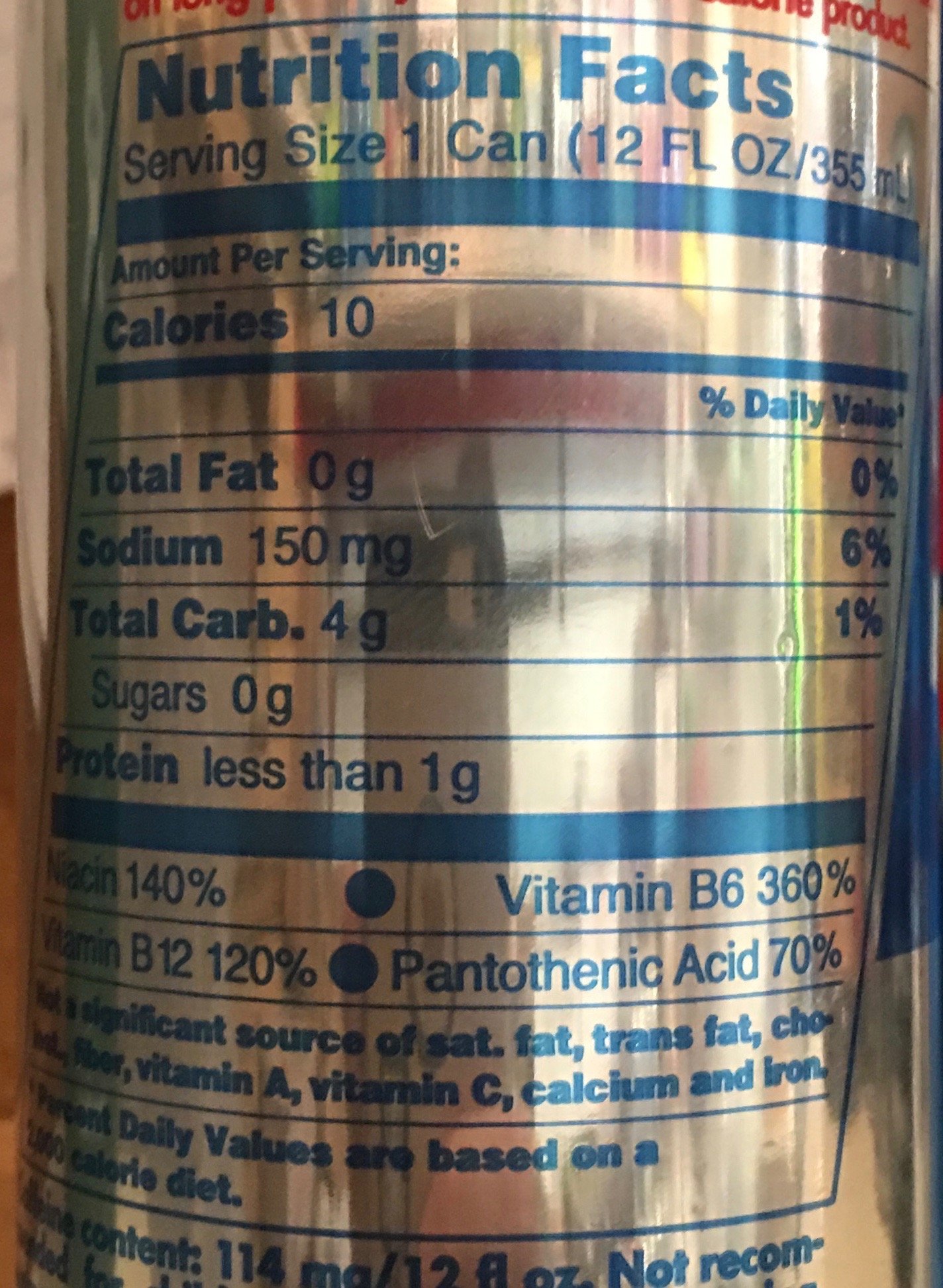
The ingredient list answers which named ingredients are declared. The nutrition panel provides the relevant nutrient amounts for its stated basis. A sugar figure should not be used as a substitute for reading the formula, and an ingredient list should not be used to invent a missing numerical nutrition declaration.
Record total sugars, added sugars where provided, calories, and serving size in separate columns when those details matter to your comparison. Do not turn the phrase sugar-free into a promise about every other field. In particular, check caffeine separately rather than assuming a sugar claim supplies any information about caffeine quantity.
This separation makes the worksheet more useful. You can compare a particular ingredient preference without mislabeling it as a calorie comparison, and you can compare declared sugars without claiming that every drink has the same sweetening ingredients. Keep each conclusion attached to the evidence that actually supports it.
Read sugar-alcohol wording carefully
Sugar alcohols form a different category from the high-intensity sweeteners discussed above. The FDA’s general sweetener overview discusses these categories separately and notes that sugar alcohols are not the alcohol found in alcoholic beverages. The shared word can otherwise cause unnecessary confusion when reading an ingredient list.
For a product comparison, preserve the specific declared name and consult reliable information if its meaning is unclear. Do not classify every unfamiliar ingredient as a sweetener. A drink formula can contain ingredients serving other purposes, and a similar-looking chemical name does not establish the same function.
This guide does not provide individualized tolerance advice or recommend a sweetener for a medical condition. Its practical role is to help identify the declaration accurately. If an ingredient choice is tied to a medical need, use the exact current label when discussing that need with an appropriate professional.
Ask a question that can be answered precisely
When information is missing, provide the full product name, flavor, container size, market, and the listing link. Ask for the complete current ingredient list rather than a broad assurance that the product is sugar-free. If you are checking a particular sweetener, name it explicitly and ask whether other sweetening ingredients are also present.
A useful request might say: please confirm the sweeteners listed for this exact flavor and can size, and provide the complete current declaration. If the question concerns a variety pack, include the included flavors and ask whether the response applies to all of them. That avoids relying on a general brand answer.
Save the reply with the date and the product it covers. If the answer only repeats a front-label claim, the ingredient question may still be unresolved. Keep that limitation visible rather than turning a vague response into an exclusion statement. Clear records are especially helpful when a formula changes later.
| Question | Evidence that helps | If the answer remains unclear |
|---|---|---|
| Which sweeteners are used? | Complete current ingredient list | Request the actual declaration |
| Is a particular ingredient absent? | Product-specific confirmation and label | Avoid an unsupported exclusion claim |
| Does this cover every flavor? | Explicit assortment scope | Check each version separately |
| Is this the current formula? | Matching market and dated information | Ask about the conflicting versions |
| How much is used? | An explicit quantified statement | Do not calculate from ingredient order |
Frequently asked questions
Do all sugar-free energy drinks use sucralose?
No universal conclusion should be drawn from the category name. Check each exact product’s ingredient list. The manufacturer example above identifies a particular combination for a named product, while another product may use different ingredients. Keep the full formula and market attached to every comparison entry.
Are acesulfame K and acesulfame potassium different sweeteners?
They are naming variations identified by the FDA for the same sweetener. Preserve the package wording and note the relationship if comparing labels. That naming match does not establish that two drinks have identical amounts, flavors, caffeine declarations, or complete ingredient lists.
Does sugar-free mean there are no sweeteners?
The phrase does not provide a complete ingredient list. Read the declaration to identify which sweetening ingredients, if any, are named for the exact formula. Taste and front-of-package wording cannot reliably supply the names or quantities missing from an unreadable list.
Can I estimate how much sweetener is used from the list?
Do not turn ingredient position into an invented milligram value. Record a quantified amount only when a product-specific source actually provides it. A list can help identify declared ingredients while still leaving their individual quantities undisclosed. Keep that distinction clear in any comparison you save.
Why do two websites show different ingredients?
Possible explanations include different versions, markets, dates, or incomplete transcriptions, but do not select an explanation without evidence. Match the product details and ask the manufacturer when necessary. A current, specific answer is more useful than combining two conflicting lists into a formula that neither source declares.
What should I check after delivery?
Read the actual package and compare its identity and ingredients with the information used for the order. If the version or declaration differs, resolve the difference before relying on an earlier preference check. Keep the current label available so a later question can refer to the exact item received.