Blog
How do amino acid tablets and liquids compare as purchases?

Compare amino-acid tablets and liquids by reading the exact formula, labeled portion, package quantity, preparation directions, storage information, and current price. A tablet count and a bottle volume describe different quantities, so neither can be compared directly as though it were a serving count. Start with the label, then calculate the cost of the portion it actually describes.
Format alone does not establish identical ingredients, faster results, better absorption, or individual suitability. This guide focuses on purchasing and label interpretation. The arithmetic examples are hypothetical and do not recommend an amount to use or assign unverified serving information to a pictured product.
Identify the exact product before comparing formats
Record the brand, product line, variant, package size, and form. Products described broadly as amino-acid supplements can have different declared compositions. An amino-acid complex, a liquid combination formula, and a ready-to-drink product should not be assumed interchangeable because their names share a word.
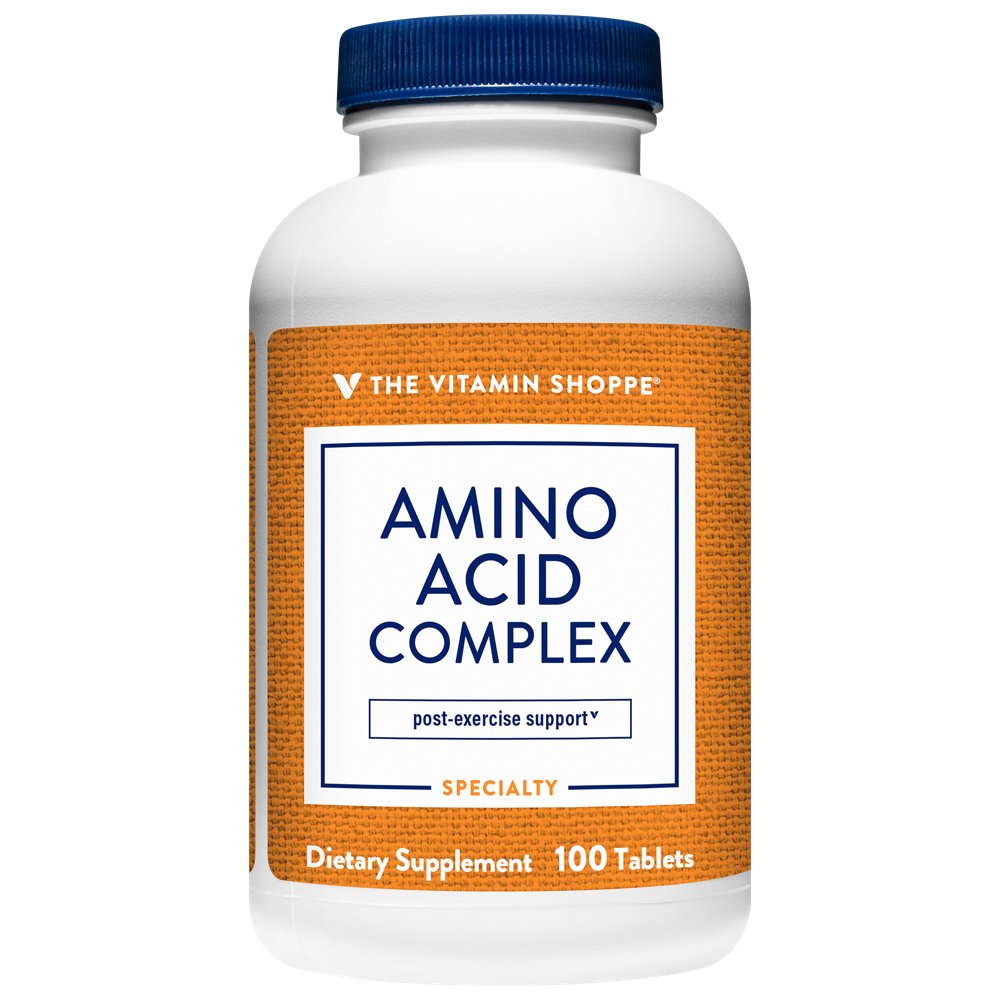
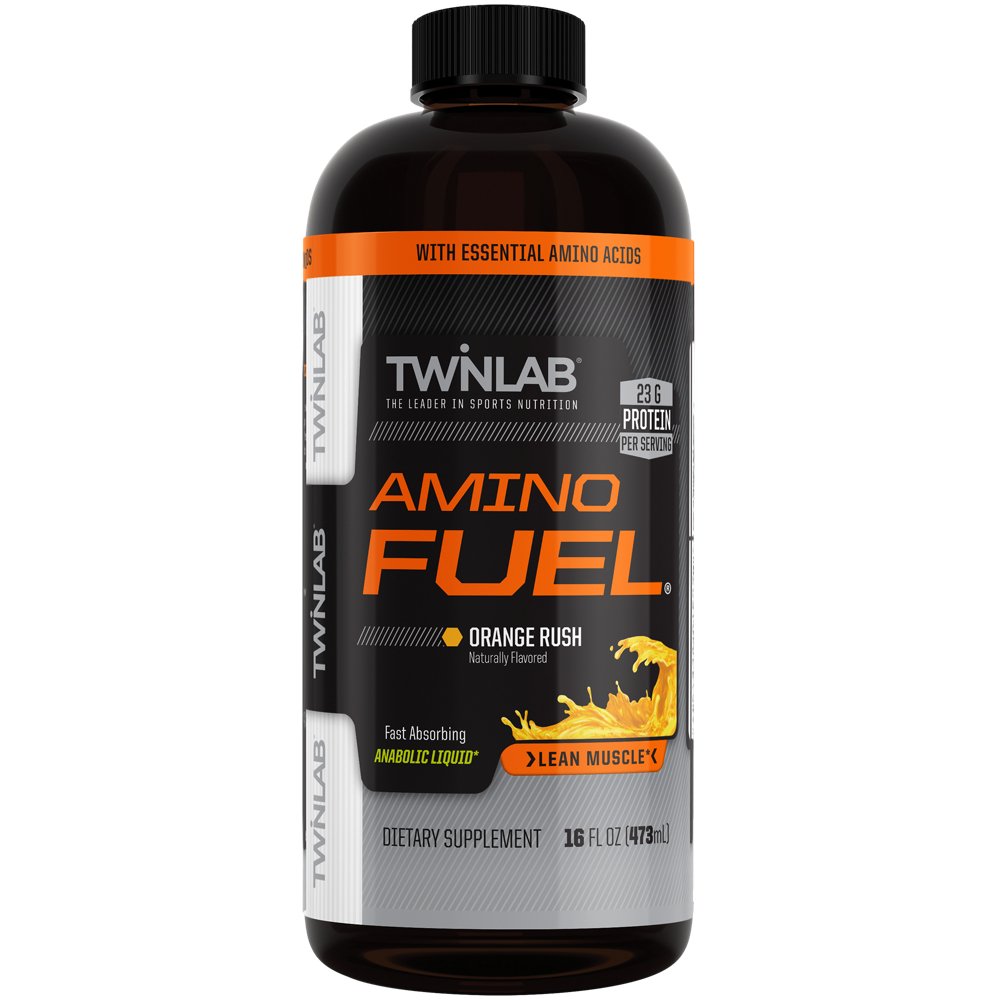
The Sprinkles Menu catalog includes an Amino Acid Complex listing described as 100 tablets and an Amino Fuel Orange Rush liquid listing described as 16 fluid ounces. These are examples of package formats. Their titles do not establish equal serving counts or equivalent ingredient amounts.
Match the current panel to the item selected on the listing. If a photograph, title, or dropdown option appears to describe another size, clarify the exact offered version before doing arithmetic. Save the source link and review date so the comparison remains traceable.
A tablet count is not necessarily a serving count
Read the serving-size line to learn how many tablets form the labeled portion. A bottle containing 100 tablets does not automatically provide 100 labeled servings. The count on the front describes the number of units, while the panel establishes the serving basis.
For a hypothetical example, a 100-tablet bottle whose stated portion is four tablets would contain an arithmetic total of 25 such portions. This is an illustrative calculation, not the verified directions or serving declaration of the catalog product mentioned above.
Keep the tablet count and serving count in separate columns. If the package uses a qualifier such as about, preserve it. Do not choose a personal portion merely to make the package last longer or produce a lower cost figure; individual use is a separate question from purchasing arithmetic.
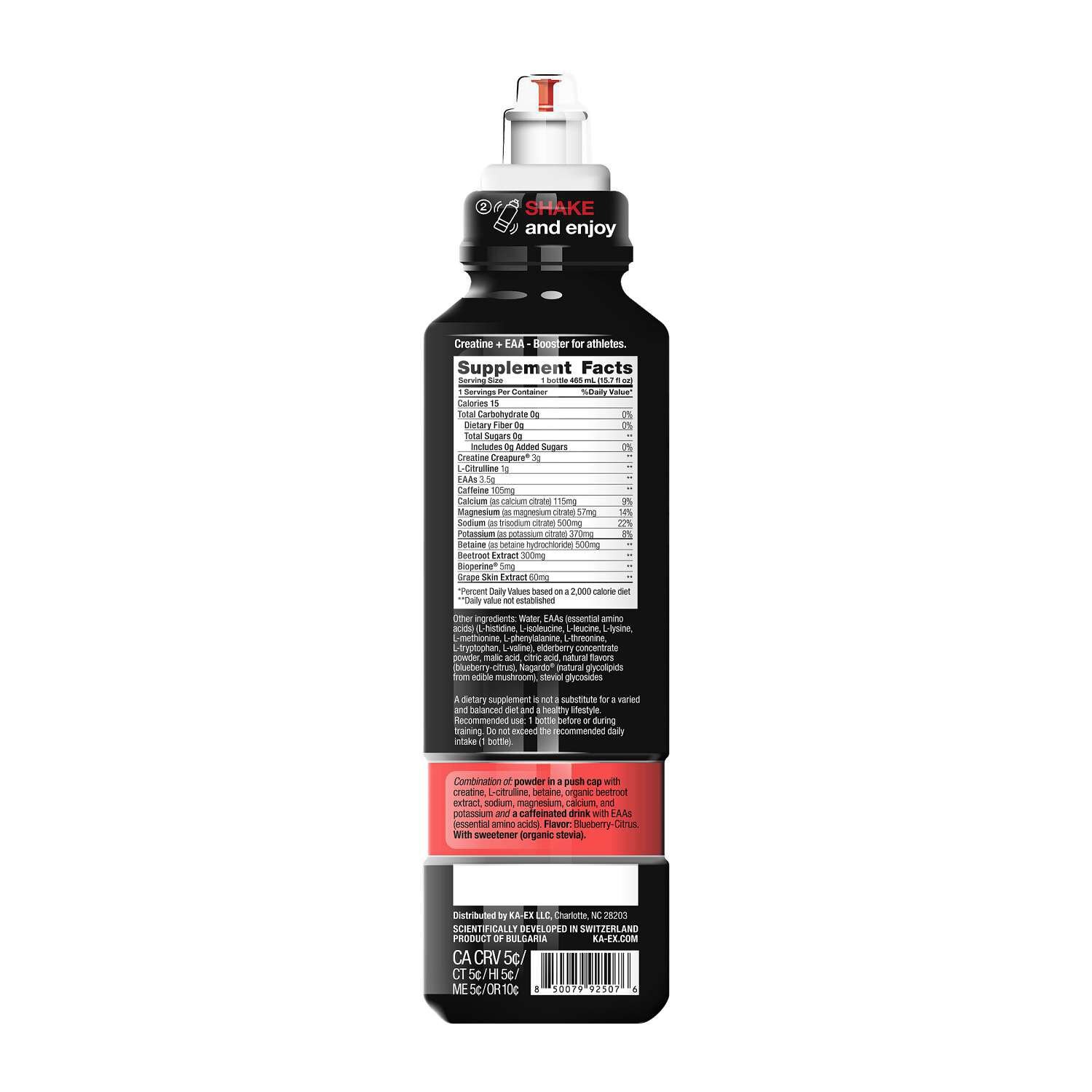
A bottle volume is not necessarily a ready-to-drink serving
Read the liquid product’s description and directions to determine whether it is measured, diluted, or supplied as a packaged drink. A bottle shape alone does not establish how the manufacturer intends the contents to be prepared or used.
Record the labeled serving volume and total net volume in compatible units. A hypothetical 300-milliliter bottle with a stated 15-milliliter portion represents 20 such portions arithmetically. That example does not describe a product pictured here or establish an individual’s appropriate intake.
Do not interpret a large liquid container as one serving because it is sold as one bottle. Likewise, a ready-to-drink container may need its own serving check. The package information determines the basis; the physical container is only part of the purchase description.
| Quantity | What it describes | What it does not establish alone |
|---|---|---|
| Tablet count | Number of tablets in the package | Labeled servings or ingredient amount per serving |
| Tablets per serving | Unit count for the label basis | Total package count |
| Net liquid volume | Total volume offered | Number of portions or preparation method |
| Volume per serving | Liquid quantity for the label basis | Individual suitability |
| Declared ingredient amount | Composition on the stated basis | Equivalence to a different formula |
Keep fluid volume separate from weight
Fluid ounces describe volume, while ounces used for weight describe a different quantity. Preserve the unit wording rather than shortening both to ounces in a worksheet. Milliliters can help organize a volume comparison, but do not convert volume into product mass without a valid basis.
If a label supplies both unit systems, record the printed values and use a consistent basis for the calculation. Displayed conversions can involve rounding, so avoid adding unnecessary precision. Keep the manufacturer’s original declaration visible alongside any derived result.
Shipping weight is another separate figure. It may include packaging and cannot automatically replace net liquid volume or ingredient quantity. When a listing does not identify the needed measurement clearly, request clarification rather than using whichever number is easiest to find.
Compare declared composition on its own terms
Read the amino-acid names and amounts provided for each exact serving. A tablet formula can differ from a liquid formula in more than its physical form. Check the full current ingredients and facts panel rather than assuming the format comparison is nutritionally equivalent.
Where a blend gives only a combined amount, keep that total separate from its listed components. Mark undisclosed individual quantities as not stated. Do not divide the total equally across ingredients or interpret the whole liquid volume as a quantity of amino acids.
The BCAA-versus-EAA guide explains the terminology and the importance of exact declarations. Use that background to identify questions, while keeping the current product’s panel as the source for its own composition.
Review the complete ingredients, including the delivery format
Check ingredients beyond the highlighted amino acids. Tablet and liquid formulations can contain different additional ingredients relevant to your preferences. A flavored liquid also needs its own ingredient review rather than an assumption about sweetness or sugar amounts from its name.
If an allergen or another essential requirement determines your decision, verify the exact current statement. A category description, familiar brand, or different flavor’s panel is not confirmation. Keep unresolved requirements visible and obtain clarification before counting the product as a match.
For personal health, medication, allergy, or dietary questions, seek appropriate guidance with the exact formula available. This guide organizes shopping facts and cannot establish individual suitability from a tablet count, a liquid volume, or a front-label phrase.
Calculate cost per labeled serving
First confirm the serving count, either explicitly stated or supported by clear package information. Then divide the current price by that count. Label the result as price per labeled serving rather than presenting it as a universal measure of nutritional value.
Consider hypothetical tablets costing 20 currency units for 25 labeled portions and a liquid costing 24 for 20. Their basic prices are 0.80 and 1.20 per portion. These examples do not describe current store prices or imply equivalent amino-acid composition.
If you calculate cost per declared amount, keep the denominator precise and use only clear information. A tablet’s mass, a liquid’s volume, and an amino-acid declaration are not interchangeable. Leave the calculation unconfirmed when the label does not establish the required quantity.
| Hypothetical option | Package price | Labeled portions | Basic portion price |
|---|---|---|---|
| Tablet formula | 20 units | 25 | 0.80 units |
| Liquid formula | 24 units | 20 | 1.20 units |
| Another liquid format | 30 units | 30 | 1.00 unit |
The table illustrates arithmetic only. It does not establish equal formulas, preparation requirements, personal effects, or total checkout costs. Keep those differences visible instead of allowing a single unit-price column to answer every question.
Consider preparation and measuring requirements
Read each package’s directions and identify what the format requires in your actual setting. A measured liquid, a packaged drink, and tablets can involve different preparation or handling steps. Compare the routine you would realistically follow rather than judging convenience from the container alone.
For measured liquids, use the product’s specified units and applicable measuring information. Do not assume a supplied cap represents a serving unless the directions establish that. For tablets, do not infer permission to alter their form or directions from a general format comparison.
Keep the practical question separate from a claim about absorption or results. A format that suits your routine is a convenience observation. It does not by itself establish a superior physiological outcome or make a different formula an equivalent substitute.
Read storage and date information separately
Check unopened and opened storage directions, including any instructions specific to a liquid after opening. Do not assume all liquids require the same conditions or that every tablet product follows identical instructions. Use the exact current package.
A portion-planning calculation does not establish storage life. Dividing a package count by an intended frequency only describes quantity over time. Read the actual date wording and applicable instructions instead of turning that arithmetic into a shelf-life guarantee.
If current stock-date information matters, ask about the exact item offered. A generic image may not represent every unit’s date. If space is limited, request actual dimensions rather than treating a tablet count or fluid volume as a container measurement.
Check the total purchase commitment
Verify whether the price covers one bottle, a multipack, or another bundle. A lower divided price can require a larger initial payment. Keep the checkout total and quantity beside the cost per portion so the actual commitment remains clear.
Read applicable discount and recurring-order conditions. An introductory subscription figure is not automatically the one-time price or a permanent future price. Use the terms relevant to the option you intend to select rather than combining the most favorable numbers from different offers.
Do not assume samples or opened-product returns are available. Check actual published terms and available sizes. If trying an unfamiliar flavor or format, consider quantity uncertainty alongside the arithmetic saving without making claims about taste, eligibility, or store policy.
What if the label and listing disagree?
Compare the exact variant first, then inspect units and serving bases. An apparent mismatch may involve a different size, formula, or photograph. Do not resolve it by choosing the larger count or interpreting a fluid-volume figure as a nutrient amount.
Ask a focused question identifying the product and the conflicting statements. Request the current panel and confirmation of the quantity offered for the price. A precise inquiry is easier to answer than asking whether a product is generally good value.
Keep the option marked as unconfirmed until the essential discrepancy is resolved. A polished spreadsheet should not hide uncertainty. The useful result is an accurate comparison record, including what you still need to know.
Build a format-comparison worksheet
Use one row per exact item. Separate package quantity, labeled portion, declared composition, preparation, storage, price, and purchase conditions. Save the evidence source and date so you can revisit changes without relying on a remembered thumbnail.
| Worksheet field | Tablets | Liquid |
|---|---|---|
| Exact identity | Brand, line, size | Brand, line, flavor, size |
| Package quantity | Tablet count | Net volume or container count |
| Portion basis | Tablets per stated serving | Volume or container per stated serving |
| Composition | Disclosed amounts and other ingredients | Disclosed amounts and other ingredients |
| Practical requirements | Current directions and storage | Current directions, measuring, and storage |
| Cost | Denominator and actual commitment | Denominator and actual commitment |
Frequently asked questions about amino-acid tablets and liquids
Does a 100-tablet bottle provide 100 servings?
Not necessarily. Read the labeled tablet count per serving and preserve the package’s own serving statement. A total unit count and a portion count are different quantities. Do not infer a personal portion from package arithmetic.
Is one bottle of liquid always one serving?
No. Check whether the product is a measured liquid, a packaged drink, or another format, then read its serving information and directions. Container shape and the fact that it is sold as one item do not establish its portion basis.
Can fluid ounces be compared directly with tablet weight?
No. Fluid volume and mass describe different quantities. Keep the units explicit and use the declared composition for any ingredient comparison. A volume figure does not become an amino-acid amount simply because both appear on the package.
Does liquid automatically mean faster or better results?
The format alone does not establish that conclusion. Ask what evidence supports the exact claim and whether it applies to the formula and outcome being discussed. Preparation convenience and physiological results are different questions.
Is the cheaper labeled portion always the better option?
No. Formulas, declared amounts, directions, and purchase conditions can differ. Keep the arithmetic beside those differences rather than treating one unit-price number as a complete ranking or a recommendation for every individual.
What should I ask when serving information is unclear?
Request the current panel for the exact item and ask which tablet count or liquid volume defines the labeled serving. Confirm the package quantity as well. Keep any resulting calculation provisional until the relevant quantities are established.