




Blog
What should I check in a flavored amino acid powder?

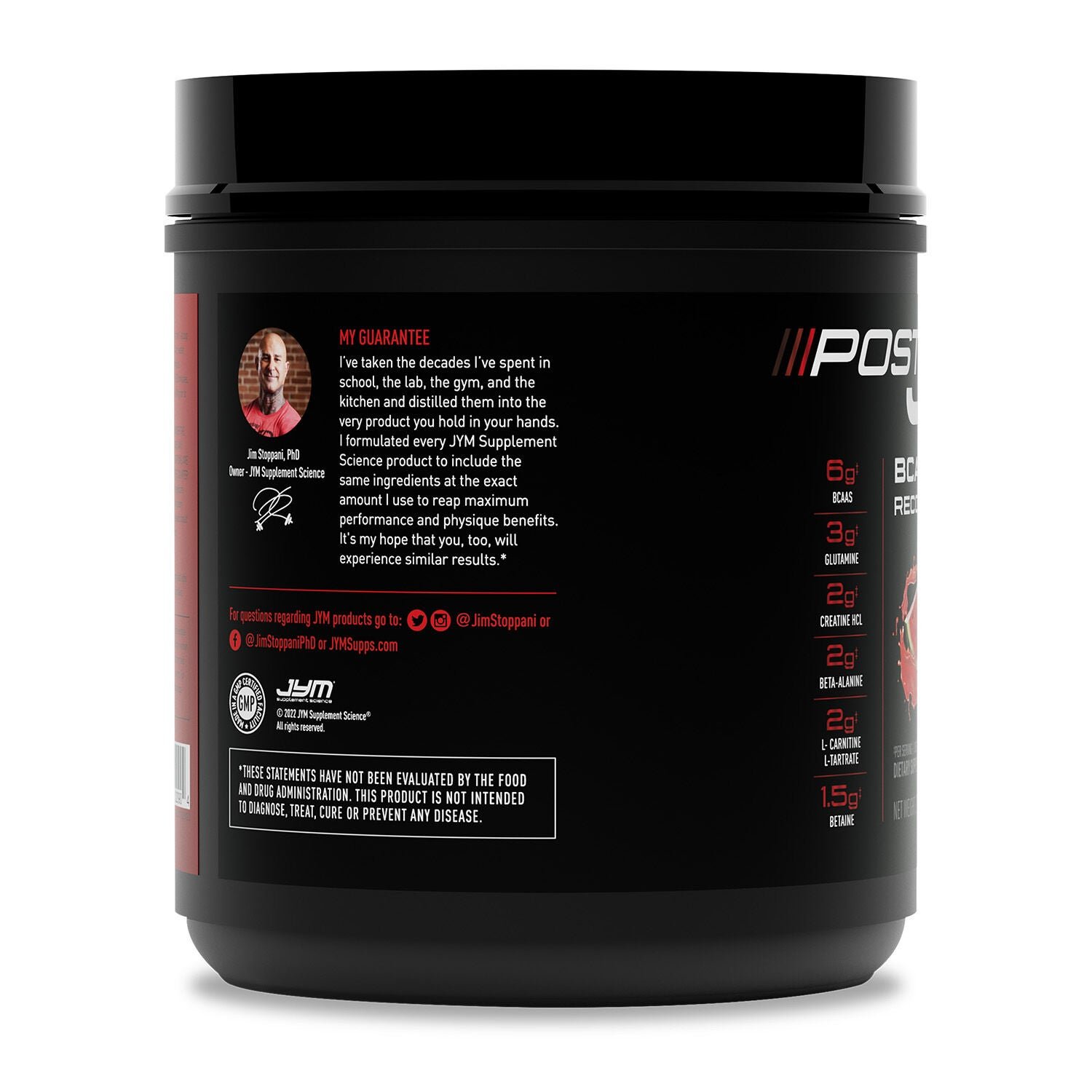
Buying a flavored amino-acid powder involves more than choosing a fruit name or comparing the largest number on the container. Check the exact formula, its stated serving size, the ingredients used for flavor and sweetness, the package quantity, and the total cost of the order. A watermelon powder and a citrus combination formula can occupy the same shopping category while offering very different contents.
This guide explains a practical way to compare amino acids and recovery products. It addresses the questions that matter before purchase: what is actually included, how much information the label provides, how the flavor fits your preferences, and whether a larger package represents useful value. It is a shopping guide, not a personal supplement recommendation.
What is the exact product and flavor?
Begin by recording the brand, full product name, selected flavor, format, and package size. Do this before comparing prices. A manufacturer may sell several products with similar names, including powders, tablets, bottled drinks, and formulas containing other ingredients. A photograph from one format does not establish the contents of another.
Match the selected option with the title, package photograph, and ingredient panel. If the page title says fruit punch but the panel belongs to a watermelon version, do not assume that only the flavor name changes. Ask for the matching label, especially if a particular sweetener, color, or ingredient matters to your decision.
Keep the date and source of your comparison. A saved photograph helps identify what you checked, but it does not prove that every future batch will use the same label. When the order arrives, compare the actual package with the information that supported your purchase.
Which amino acids are listed?
Read the named ingredients rather than treating the words amino acids as a complete description. Compare which ingredients are identified, whether individual quantities are provided, and what amount the label assigns to the stated serving. If a blend gives only a total, preserve that uncertainty in your comparison instead of dividing the total equally between its components.
Distinguish a simple amino-acid product from a combination formula. A product may also include creatine, electrolytes, caffeine, vitamins, or other ingredients. Check the panel and directions before deciding that two flavored powders are equivalent. The front name alone may not explain every part of the formulation.
A practical comparison sheet should separate disclosed facts from unanswered questions. Write the listed amount exactly as shown, including its unit and serving basis. Where the image is too small to read, record the amount as unconfirmed. An attractive package or familiar brand cannot supply information that is missing from the label.
| Comparison field | What to record | Why it changes the purchase |
|---|---|---|
| Exact variant | Product line, flavor, and package | Prevents comparing different versions by mistake |
| Formula | Named amino acids and additional ingredients | Shows whether the products serve the same shopping purpose |
| Quantity basis | Amount per stated serving | Keeps numbers on a consistent basis |
| Blend disclosure | Individual amounts or total only | Identifies limits in a numerical comparison |
| Directions | Manufacturer’s stated preparation | Shows what equipment and preparation are involved |
How should I compare sweetness and flavor ingredients?
A flavor name describes a profile to investigate, not a complete ingredient list. Look for the ingredients used to sweeten, flavor, color, or adjust the product. Decide which of these details matter to you before browsing a large selection. This makes it easier to reject an unsuitable option without becoming distracted by a discount.
Keep separate questions separate. A product being fruit flavored does not establish that it contains fruit juice. A sugar claim does not explain every sweetening ingredient. A bright package does not show the prepared drink’s appearance. Use the actual ingredient statement and any applicable nutrition information for these questions.
Taste reviews can help you identify points to investigate, but they cannot guarantee your experience. A reviewer may use a different amount of water, a different temperature, or a different product version. Look for specific descriptions, such as whether the reviewer found the drink strongly sweet, rather than treating a star score as a precise measure of flavor.
Consider the setting in which you expect to prepare the powder. Will you use a marked shaker at home, carry individual packets, or measure from a container away from home? The convenient option is the one that fits your actual preparation routine and the manufacturer’s directions. Avoid choosing a format solely because its packaging looks compact.
Does the serving size match the way I am comparing prices?
Read the stated serving size alongside the servings per container and net weight. These are related shopping details, but they answer different questions. Net weight describes the total contents by mass. Servings per container reflects the manufacturer’s stated portion. Neither should be silently substituted for the other.
Do not compare the price of one scoop across products unless the labels establish a meaningful common basis. Scoop sizes can differ. A heaped scoop in a customer photograph is not a reliable measurement standard. Keep your calculations tied to the stated label serving, without changing directions to make a product appear cheaper.
If the listing omits servings per container, check the readable label or request confirmation. Calculating an estimate from net weight may be useful for identifying a discrepancy, but label it as an estimate and investigate any mismatch. Do not present a calculated guess as a confirmed package specification.
What does a fair cost comparison look like?
Start with the payable item price and the confirmed number of labeled servings. Divide the price by that count to calculate a basic cost per labeled serving. Then add order costs that actually apply, such as delivery and taxes shown at checkout. Use the same currency and purchasing conditions for every option.
The following figures are hypothetical arithmetic examples, not current Sprinkles Menu prices or product specifications. They show how an apparently cheaper container can have a higher cost per labeled serving. They also show why delivery should be considered before choosing between separate orders.
| Hypothetical option | Item price | Labeled servings | Item cost per labeled serving |
|---|---|---|---|
| Container A | $24 | 30 | $0.80 |
| Container B | $20 | 20 | $1.00 |
| Packet box C | $14 | 14 | $1.00 |
| Container A with $6 delivery allocated to it | $30 total | 30 | $1.00 |
The table does not establish that Container A is the best choice. It may contain different ingredients, use a different serving basis, or be a flavor you do not enjoy. Price arithmetic becomes useful after you establish that the products are reasonable alternatives for your shopping requirements.
Avoid assigning a cost per gram of a specific amino acid when that amount is undisclosed. Dividing the price by total powder weight includes everything in the powder, not just the ingredient you are investigating. If you use price per unit of net weight, label that metric clearly and explain what it measures.
Is a larger flavored container worth buying?
A larger package can reduce the item cost per labeled serving, but only if the comparison is accurate and the quantity suits your plans. Before choosing it, consider whether you have already tried the exact flavor, whether you have suitable storage space, and whether the package information is complete.
A smaller first purchase may reduce the amount committed to an unfamiliar flavor. That is a budgeting decision rather than evidence that smaller packages are always superior. Compare the actual available options and any delivery difference instead of assuming that the largest tub is automatically economical.
Check the package’s storage instructions and date information before planning a large order. Do not infer a shelf life from a different flavor, another retailer’s old photograph, or a customer review. If the information is unavailable before purchase, ask what date and storage details can be confirmed for the offered stock.
Powder containers and packets: what changes?
Containers and packets can differ in portability, measuring steps, packaging quantity, and price. They may also contain different formulas. Begin with the exact label before treating a packet box as the same product divided into smaller portions. Similar branding does not settle that question.
Packets may be convenient when you want to carry a sealed portion, while a container may fit a routine with measuring equipment available. Confirm how many packets are included and what the directions say about each packet. A box count should not automatically be interpreted as a confirmed serving count without checking.
The example package below illustrates a combination product format. It is not evidence that all amino-acid powders contain creatine or that this formula is interchangeable with the watermelon product pictured earlier. Use each product’s own complete information when making a comparison.

What should I do when a product page is unclear?
Identify the smallest missing fact that prevents a confident comparison. This might be the complete ingredient statement, the quantity per serving, the exact flavor, or the number of packets. A specific request is easier to resolve than asking generally whether a product is good.
Describe any mismatch precisely. For example, say that the selected option names one flavor while the panel photograph appears to show another. Include the product link and the package size you intend to order. Do not combine details from separate listings to create a specification that no single source confirms.
| Unclear detail | Useful question before ordering | Assumption to avoid |
|---|---|---|
| Ingredient panel is unreadable | Can you provide a readable panel for this exact flavor? | Every flavor has identical ingredients |
| Several sizes share photographs | Which package size does this label describe? | The largest photograph is the selected item |
| Packet count is visible but serving count is not | What serving information is stated on this box? | One packet always equals one labeled serving |
| Formula includes an unnamed blend | Which quantities are actually disclosed? | Every component has an equal share |
| Promotional price appears | What is the payable total for this order? | A headline price includes every charge |
Keep unresolved details visible in your notes. If the seller cannot confirm a requirement that matters to you, choosing an alternative with clearer information can be more useful than filling the gap with an optimistic guess. A complete shopping record includes what remains unknown.
How can I make a useful shortlist?
Choose two or three candidates that meet your essential requirements. Compare the exact variant, readable label, format, package count, and total price in one place. Eliminate options that lack information essential to your decision before spending time on small price differences.
Next, rank the remaining preferences. You might value a familiar flavor, a smaller initial purchase, fewer preparation steps, or clearer individual ingredient quantities. Ranking these preferences makes tradeoffs explicit. It also prevents a temporary promotion from overriding the reason you began comparing products.
Finally, revisit the selected listing before checkout. Confirm that the flavor, size, quantity, and price have not changed while browsing. Review the actual order summary rather than relying on a search preview. Save the product information needed to identify what you selected when the package arrives.
Frequently asked questions about flavored amino-acid powders
Does a better flavor mean a better formula?
Flavor preference and formula comparison are different decisions. An enjoyable flavor may make a particular product more appealing to you, but it does not establish the amounts or identity of its ingredients. Compare the panel first, then consider taste preferences among the options that meet your requirements.
Can I compare two products by scoop count alone?
Only with care. A scoop count does not establish equal scoop mass or equal ingredient content. Use each product’s stated serving information and record differences explicitly. If the label is missing, request it instead of assuming that similarly sized containers use equivalent portions.
Does a fruit name establish that the powder contains fruit?
Do not use the flavor name as a substitute for the ingredient statement. Check the actual listed ingredients and the exact wording of any relevant claim. Where a particular fruit ingredient matters to your purchase, seek confirmation for the selected product rather than relying on packaging artwork.
Should I buy the cheapest cost per serving?
Use that figure as one comparison tool after checking the formula and serving basis. A lower number can reflect a different product, package condition, or purchasing arrangement. Consider the payable total and whether the quantity suits your plans, especially when you have not tried the flavor before.
Are customer reviews enough to confirm the label?
Reviews can highlight questions, but the exact current product label is a stronger basis for checking package specifications. A review may discuss another size, flavor, or version. Keep subjective taste comments separate from factual details such as the stated net weight or disclosed ingredient quantities.
What should I check when the order arrives?
Confirm the product name, flavor, size, package condition, and label against your order. Read the supplied directions and storage information before use. If there is a mismatch, document it and contact the seller through the appropriate support channel rather than assuming the difference is merely cosmetic.