Blog
How do I compare amino acid powders by ingredients and price?

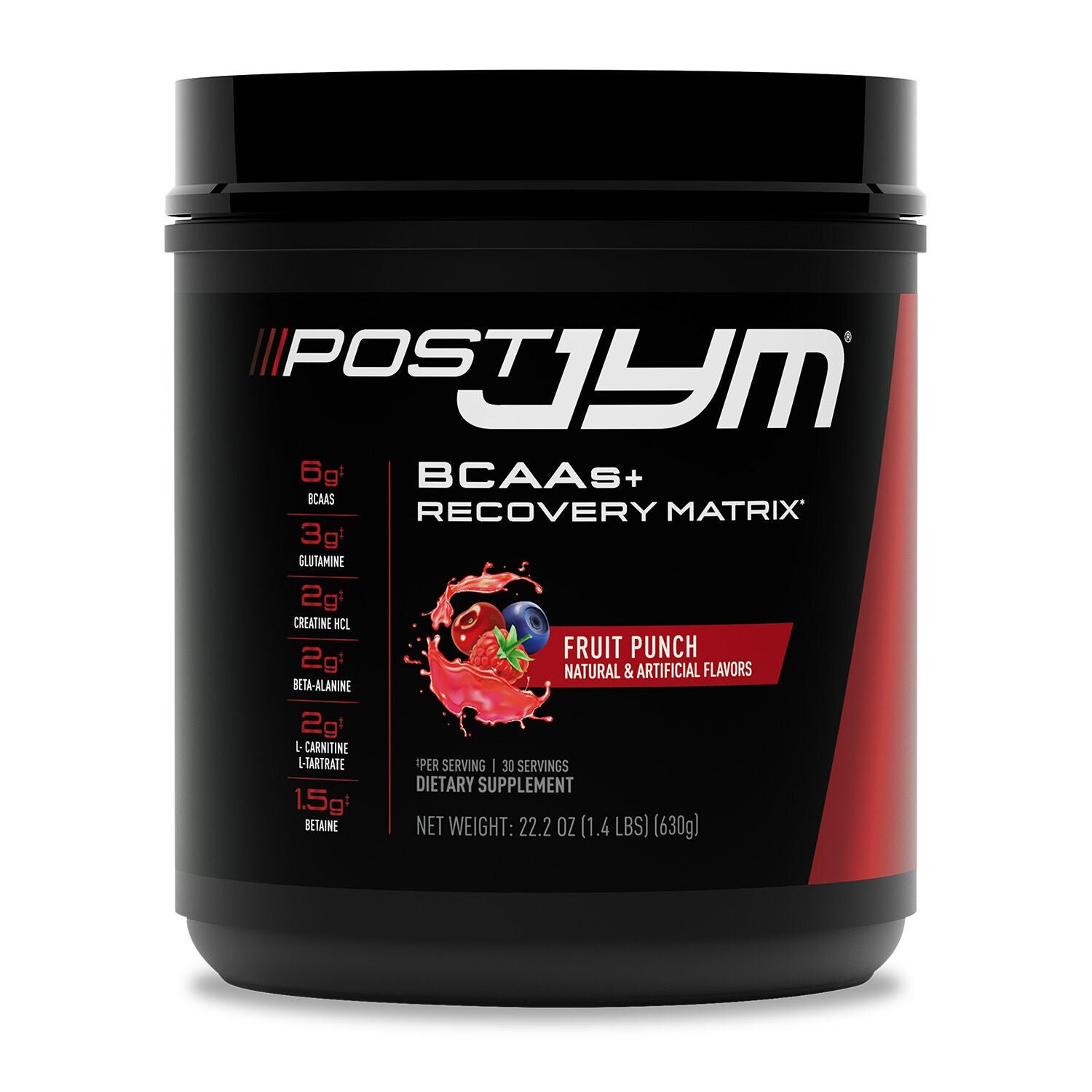
Compare amino-acid powders in two stages: first establish which exact formulas meet your requirements, then calculate their costs using the same clearly stated basis. Keep product weight, declared amino-acid amounts, labeled servings, and checkout expenditure in separate columns. A cheaper tub and a cheaper labeled serving can be different answers, and neither proves that two formulas are equivalent.
This guide provides a worked shopping method rather than a current price ranking or a recommendation about personal intake. Its prices and quantities are hypothetical. Use the current label for an actual product, and seek appropriate professional guidance for individual nutrition, medication, allergy, or supplement-use questions.
Choose the question before making the spreadsheet
Decide what you want the comparison to establish. You might be assessing the lowest initial payment, price per labeled serving, or the cost of a clearly declared amount. These are different calculations. Naming the question first prevents an apparently precise result from answering something you did not intend to ask.
Write down essential formula preferences separately. If avoiding a particular ingredient is necessary, establish that before treating a powder as a comparable option. A product that fails the requirement is not an equivalent alternative simply because its package costs less.
Keep personal suitability outside the arithmetic. A worksheet can organize declarations and purchase conditions, but it cannot establish that an individual needs an amino-acid supplement or should use a particular amount. The purchase comparison should remain limited to the information it actually examines.
Identify the exact powder and variant
Record the brand, line, flavor, package size, and version information available. A company may sell several amino-related powders, including combination formulas with additional ingredients. A shared brand name or package design does not establish identical composition.
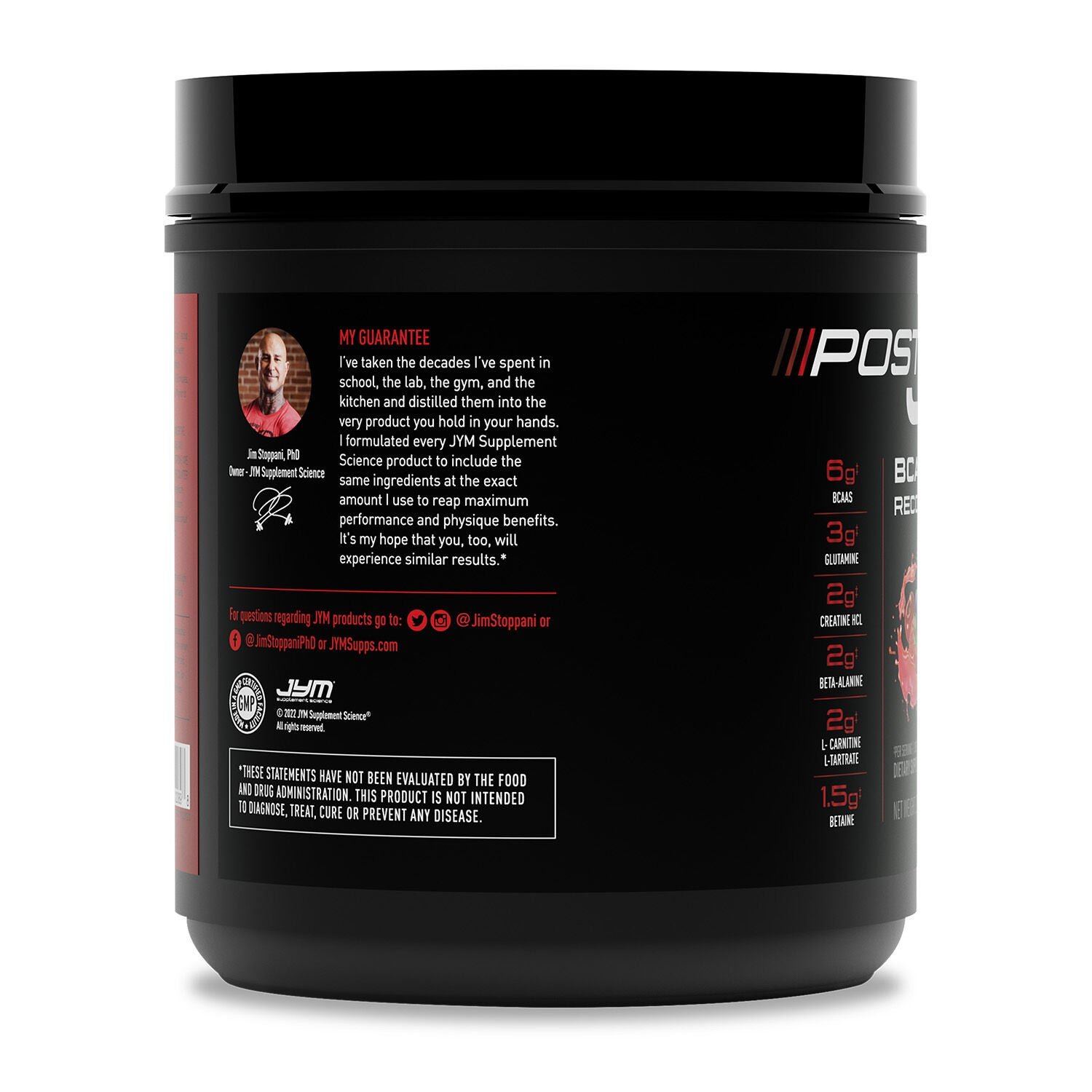
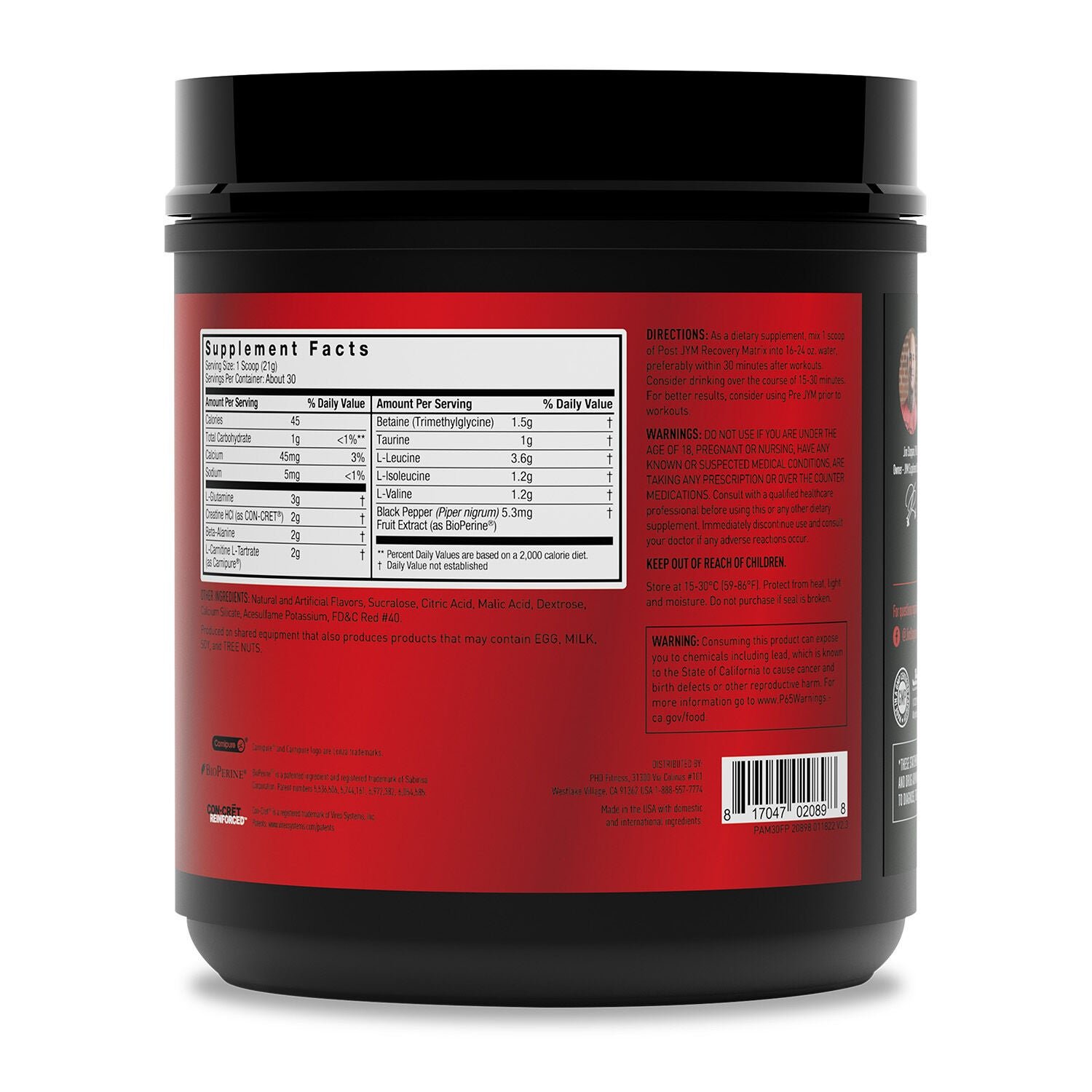
Match the selected listing option with the front and back photographs. If a title describes one size while a panel appears to show another, request clarification before copying the serving count. Do not assemble a favorable product description from mismatched variants.
Save the source link and the date checked. When a price or formula changes, those details help explain your earlier notes. Recheck the actual package when received, particularly where an ingredient declaration or instruction is essential to the purchase.
| Comparison question | Required figures | Result to label clearly |
|---|---|---|
| Which package requires less spending? | Actual order total | Initial payment |
| Which labeled portion costs less? | Price and stated serving count | Price per labeled serving |
| What does a declared amount cost? | Clear ingredient amount and relevant price basis | Calculated price per named amount |
| Which exact formula meets my preferences? | Complete current label | Confirmed match or unresolved requirement |
| Which option fits my routine? | Directions, format, quantity, storage | Practical purchase notes |
Read the portion basis before the ingredient rows
Find the serving-size line and record the scoop count and gram weight where supplied. A scoop is not a universal unit shared by every powder. Keeping its stated weight visible prevents a comparison from treating different portions as identical.
If a panel has several amount columns, preserve each heading with its figures. Copying the largest number from every row can produce a combination that appears nowhere on the actual label. Keep the original declaration available before making conversions or derived calculations.
The total powder portion is not automatically the amino-acid quantity. Other ingredients can contribute to its mass. Do not use a scoop’s full weight as an undisclosed amino-acid total, and do not infer the complete recipe by subtracting a few named ingredients from that weight.
Separate individual declarations from blend totals
Create a row for each clearly declared amino acid or named blend relevant to your question. Record the printed amount, unit, and serving basis. Where components are listed without individual amounts, mark them as not stated rather than zero.
Do not divide a blend total equally across its listed ingredients. That calculation would invent quantities. Likewise, an ingredient’s place in a list does not establish a precise amount suitable for filling a numerical worksheet.
If the missing figure determines whether you can compare two products, request current clarification for the exact variant. Until then, show the limitation explicitly. An honest comparison can identify that a quantity-based ranking is not yet supported by the available declarations.
Understand what a ratio can and cannot supply
A ratio describes relative proportions on the basis stated by the product. It does not establish total quantity by itself. A two-to-one-to-one ratio represents four parts, but you still need an applicable total and clear definitions to interpret those parts numerically.
For a hypothetical arithmetic example, a clearly identified eight-gram three-component blend in those proportions would correspond mathematically to four, two, and two grams. This is not a statement about a pictured powder, proof of a benefit, or a suggestion about personal use.
Preserve the package’s original ratio wording and label any calculation as calculated. A more dramatic ratio should not automatically receive a higher value score. Proportions, total quantity, evidence about outcomes, and personal requirements are separate questions.
Build an ingredient-first shortlist
Compare the complete formula rather than stopping at the highlighted group name. Amino-related powders can contain flavoring, sweetening ingredients, minerals, or other declared components. A combination formula should be assessed as the combination offered.
If you need help with terminology, read the BCAA-versus-EAA comparison guide. Use it to identify questions while keeping the current product panel as the source for its own composition and quantities.
Remove confirmed mismatches from the shortlist. Keep essential unanswered requirements visible instead of letting a low price settle them indirectly. This makes the later arithmetic more useful because it compares options you would realistically consider purchasing.
| Ingredient field | Useful entry | Entry that hides uncertainty |
|---|---|---|
| Declared amino acids | Names and printed quantities | Product-group name alone |
| Blend total | Named total with serving basis | Assumed amount for each component |
| Undisclosed amount | Not stated individually | Zero or a guessed figure |
| Other ingredients | Current list checked against preferences | A vague quality adjective |
| Evidence date | Current source and review date | Assuming every future version matches |
Calculate the package price per labeled serving
Divide the current package price by its stated serving count after confirming the exact size. An imaginary 30-serving tub priced at 36 currency units costs 1.20 per labeled serving. An imaginary 20-serving tub priced at 28 costs 1.40.
Those results compare labeled portions, not automatically equivalent ingredient quantities. Keep each serving basis and formula beside the calculation. A lower serving price does not establish that the powder provides more of a particular ingredient or is a better choice for every shopper.
Preserve qualifiers such as about if the manufacturer uses them. The calculation is based on displayed information and should not imply an exact count of individually weighed portions beyond that statement. Avoid unnecessary decimal places that suggest greater precision than the source provides.
Work through a two-powder example
Suppose hypothetical Powder A costs 36 units for 30 labeled portions and explicitly declares six grams of the named blend you are comparing per portion. Powder B costs 28 units for 20 portions and explicitly declares four grams of its named blend. Begin by checking whether those blend descriptions actually refer to comparable compositions.
The basic portion prices remain 1.20 and 1.40. If the declared quantities are appropriate for the specific mathematical comparison, their total stated blend quantities would be 180 grams and 80 grams. Dividing the package prices by those totals gives 0.20 and 0.35 units per declared gram respectively.
This example illustrates arithmetic, not a product ranking. The labels must support the exact denominator, and different blends are not made nutritionally interchangeable by expressing both in grams. Do not apply the calculation to total powder mass when your question concerns a separately declared ingredient quantity.
| Hypothetical detail | Powder A | Powder B |
|---|---|---|
| Package price | 36 units | 28 units |
| Labeled portions | 30 | 20 |
| Basic portion price | 1.20 units | 1.40 units |
| Explicit example blend declaration | 6 g per portion | 4 g per portion |
| Arithmetic total of that declaration | 180 g | 80 g |
| Price per declared gram, where comparison is justified | 0.20 units | 0.35 units |
Include the actual checkout conditions
A product-page price and the total for the order can differ. Use applicable delivery charges, taxes, discounts, and quantity conditions when comparing actual expenditure, or show those items separately with a clear explanation.
A subscription figure is not automatically the ordinary one-time price. A multibuy can reduce a divided unit price while requiring more initial spending. Record the exact commitment rather than choosing the lowest visible number from several different offer types.
Do not assume a coupon or delivery threshold applies because another retailer offers one. Mark unknown charges as provisional. A precise-looking unit calculation is less useful if it silently depends on an unverified discount or the wrong selected package.
Consider flavor and preparation costs realistically
Read the exact directions and think about the preparation you would repeat. A powder requiring mixing equipment presents a different routine from an individually packaged drink. Compare the actual preparation rather than assuming every amino-related format is equally convenient.
If you add a beverage or other ingredients, keep their cost and composition separate from the powder’s own declaration. A recipe total should not replace the dry-product figures in your notes. Use measured quantities relevant to the preparation you intend to compare.
An unfamiliar flavor also adds purchase uncertainty. A verified smaller option may offer a lower-commitment purchase if available, but this guide does not promise samples or return eligibility after opening. Check the actual available sizes and applicable terms.
Check quantity, dates, and storage independently
Read net contents and labeled servings together. A large container photograph does not establish either figure, and shipping weight is not necessarily net product weight. Resolve mismatches before using them in a calculation.
A portion-planning estimate does not establish shelf life. Check the actual date wording and current storage instructions, including relevant information after opening. Do not infer a storage period from the number of weeks produced by a worksheet.
If cupboard fit or current stock dates matter, request the appropriate information about the item offered. Net weight does not supply container dimensions, and a generic image does not establish the date on every unit. Keep unverified details clearly unknown.
Make the comparison easy to revisit
Save one row per exact variant, with source links and the date checked. Separate original declarations from calculations and unresolved questions. This lets you update prices later without reconstructing which product or portion an old figure described.
Use clear status notes: confirmed, not stated, unreadable, or needs clarification. A blank can later be mistaken for zero. Accurate uncertainty is more useful than completing every numerical cell with an assumption.
Keep evidence about benefits separate from composition and price. An individually disclosed amount, a favorable ratio, or a low cost does not establish a personal outcome. If an outcome claim matters, investigate evidence that matches its specific wording and scope.
Frequently asked questions about amino-acid powder value
Is the lowest tub price the lowest serving price?
No. Divide by the confirmed labeled count and preserve the portion basis. A cheaper package may provide fewer stated servings. Keep initial payment and unit price visible because they answer different shopping questions.
Can total powder grams be used as amino-acid grams?
Not automatically. Other ingredients can form part of the powder mass. Use clear relevant declarations, and leave an ingredient-based calculation unconfirmed if the label does not support its denominator.
Does a blend ratio establish total quantity?
No. A ratio describes proportions on its stated basis. You need an applicable declared total to interpret quantities. Keep any calculation separate from the manufacturer’s wording and avoid treating a ratio as a universal benefit score.
What if individual amounts are not disclosed?
Mark them as not stated and request clarification if they are essential to your comparison. Do not divide a blend total equally or enter zero. The absence of a numerical declaration is a limit on the comparison, not permission to invent one.
Are tablet and liquid prices directly comparable with powder prices?
Only after clarifying the exact formulas and serving bases. For a separate format worksheet, read amino-acid tablets versus liquids. Package count, volume, and ingredient quantity must remain distinct.
What should I ask about an unclear offer?
Identify the exact product, flavor, size, and statement needing clarification. Request the current panel and confirmation of the quantity covered by the price. Keep the calculation provisional until the essential figures are established.