




Blog
How can I compare supplement brands without relying on review scores?

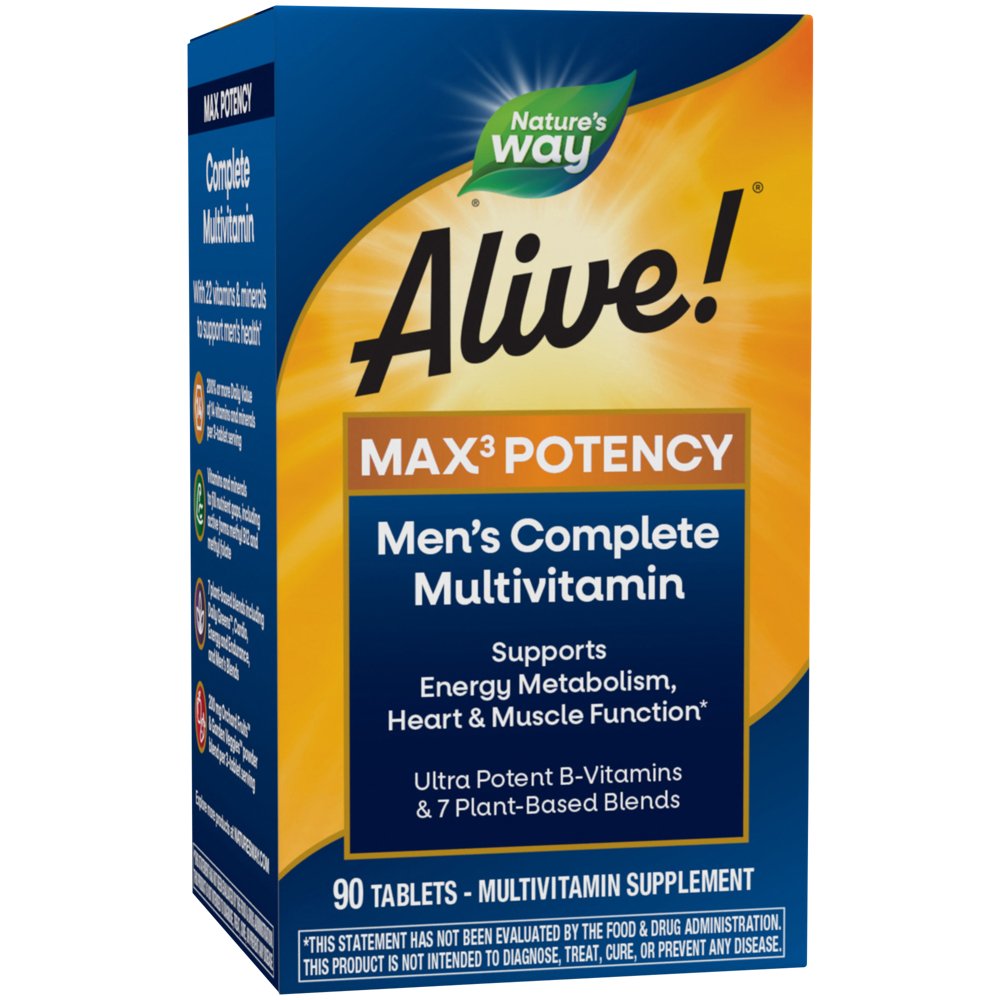
Compare supplement brands by examining exact products, current labels, relevant evidence, comparable costs, and practical order information. A review score can describe customer opinions, but it does not establish a formula match, a verified certification, or suitability for an individual. Build a comparison in which every conclusion points to the information that actually supports it.
This guide provides a product-based worksheet for vitamins and supplements. It covers serving arithmetic, ingredient forms, evidence matching, missing information, and buying questions. It does not rank every brand or recommend a supplement, dose, or combination for a medical condition.
Compare identified products rather than entire brands
Start with the full name, formula, strength, format, flavor, size, and market of each selected item. A brand can sell many different products, so a brand-level reputation does not establish the exact contents of every bottle or tub. Keep one row per actual formula.
If the products are not direct alternatives, preserve that distinction. A single-ingredient capsule, a multi-ingredient blend, and a packet containing several components answer different purchasing questions. Do not force them into an equivalent comparison simply because their descriptions mention the same ingredient.
Save the listing link and current label source. That makes it possible to recheck a detail when the selected option changes. A comparison based on another market’s version or an older flavor label can look precise while describing the wrong product.
Decide which questions matter to the purchase
Write a short list of concrete criteria before reading reviews. Examples include ingredient identity, declared amount and basis, format, relevant ingredient preferences, evidence supporting a named claim, and cost per stated serving. Each should be a question that a source can actually answer.
Keep personal preference separate from documented characteristics. Capsule size, flavor, or packaging convenience can matter without becoming universal quality judgments. A useful comparison can record that one format is preferred while leaving technical claims dependent on their own evidence.
Avoid a single unexplained star score of your own. Combining price, formula, and evidence into a homemade total can hide missing information. A clear table showing confirmed, different, and unconfirmed fields is often more useful than a precise-looking numerical ranking that lacks a defensible basis.
| Criterion | Evidence to use | What a review score cannot establish |
|---|---|---|
| Exact formula | Current label and complete ingredients | Every version has identical contents |
| Declared amount | Nutrient or ingredient field and serving basis | The amount in the selected container |
| Format | Actual capsule, tablet, powder, or packet directions | One format suits everyone |
| Claim support | Product-specific document or source | Technical verification from popularity |
| Comparable cost | Current price and confirmed serving quantity | Best value without matched inputs |
| Practical order | Selected count, availability, applicable terms | Current fulfillment details from old opinions |
Read the serving definition before comparing quantities
A bottle’s capsule count is not automatically its serving count. Read the current serving definition and the stated servings per container where provided. Preserve the basis with the declared amount so a per-serving figure is not accidentally treated as an amount per capsule.
For an invented example, a 100-capsule bottle with two capsules per labeled serving contains 50 labeled servings by that count relationship. A 90-tablet bottle with three tablets per labeled serving contains 30. The example explains label arithmetic, not a suggested use pattern or a declaration for a pictured product.
If a label provides a servings count directly, keep that statement and any qualification. Do not silently replace approximate information with an exact claim. If the relationship is unclear, ask about the exact version rather than calculating from a different bottle in the range.
Match ingredient identity and form
Copy the ingredient name and relevant form exactly as declared. Two products can mention the same broad nutrient while presenting different forms or combinations. A shared word in the title does not establish identical formulas or make every printed amount directly comparable.
Keep units and the labeled basis visible. Milligrams, micrograms, percentages, and other expressions should not be ranked by the size of their raw numbers. Use a verified relevant conversion only when it applies to the actual ingredient and question; do not invent equivalence from similar-looking labels.
A larger declared amount is not automatically a recommendation or a quality score. This guide compares product information, not individual needs. If the decision concerns suitability or use, keep the actual label available for appropriately qualified advice rather than deriving a personal plan from a shopping table.
Review the complete ingredient list
Use the full current declaration for sweeteners, capsule materials, flavors, and other named ingredients relevant to your preference. Marketing copy can highlight selected components without reproducing the whole formula. An absent name in a short summary does not establish its absence from the product.
If avoiding a particular ingredient matters, ask that exact question about the selected version and market. Preserve the original wording if a term is unfamiliar. Do not replace it with a broad category or borrow an explanation from another product without confirming that the relationship applies.
For allergen-related questions, keep uncertainty visible and obtain specific current information. This guide does not certify a formula as suitable for an individual. A previous purchase or positive review should not replace the actual declaration on the product being considered or received.
Separate quality evidence from product-effect claims
Identify which assertion a document is intended to support. A test report, current certification listing, ingredient study, and customer story are different sources. Keep their scopes separate rather than treating any favorable record as proof of every product characteristic or outcome.
For an actual certification claim, use the named issuer’s current information and match the exact product. NSF’s program information, for example, directs buyers to its product database. That is a method for checking a particular status, not a claim that any pictured supplement here is certified.
If a report is batch-specific, preserve the lot relationship. If it concerns an ingredient rather than the finished formula, retain that distinction. A genuine document can still leave another question unresolved. The useful conclusion should be no stronger than the evidence actually supports.
Calculate comparable cost without treating it as a dose decision
Divide the current selected price by the confirmed number of labeled servings to calculate item cost per stated serving. Keep the serving definition beside the result. Cost per capsule can also be useful, but it answers a different question and should not be mislabeled as cost per serving.
For an invented 20-unit bottle with 50 labeled servings, item cost is 0.4 currency units per serving. An invented 18-unit bottle with 30 labeled servings costs 0.6 units per serving. The second bottle has the lower total price but the higher calculated serving price in this hypothetical example.
These values do not establish equivalent formulas or current store prices. Preserve declared amounts, ingredient identity, and other relevant differences. A lower serving price is a cost fact on a defined basis, not proof of a superior product or a recommendation to use it.
| Hypothetical offer | Package count relationship | Labeled servings | Item price | Cost per labeled serving |
|---|---|---|---|---|
| Product A | 100 capsules; 2 per stated serving | 50 | 20 units | 0.40 units |
| Product B | 90 tablets; 3 per stated serving | 30 | 18 units | 0.60 units |
| Product C | Serving count unconfirmed | Unknown | 16 units | Cannot verify |
| Product D | Different multi-ingredient formula | Confirm actual basis | Confirm actual price | Not automatically an equivalent alternative |
Keep order costs and policies visible
An item-only serving cost excludes charges beyond the selected item price. If delivery or another applicable amount is confirmed and included, label the combined calculation accordingly. Do not compare an item-only figure with a delivered total without explaining the difference.
Save the currency, date, selected count, and promotion conditions. A discount for a different size or purchasing arrangement should not silently become the reference price for every order. Keep any recurring offer separate from a one-time purchase where that distinction is actually available.
This guide does not establish a refund, subscription, or cancellation policy. Read the actual applicable terms for the selected order. A commercial promise is separate from evidence about formula or effects, so neither should be used as a substitute for the other.
Consider practical fit without inventing quality conclusions
Format, container size, storage space, and preparation requirements can affect the purchase. A powder may require measurement and mixing, while a packet arrangement may organize several components. Use the exact directions rather than assuming every format is interchangeable or simpler for every customer.
Read the product-specific storage and date information. Do not assign a universal shelf life or condition to all supplements. A lower unit price does not resolve whether the selected quantity fits the actual storage plan or expected purchase frequency.
Keep preferences in their own column. A customer can prefer one flavor or format without claiming it has better technical quality. A transparent worksheet separates what is documented, what is personally preferred, and what still needs clarification.
Use reviews for the questions they can help with
Reviews may describe taste, packaging, ease of opening, or an individual’s experience. Read them as that source type. Do not convert a high average score into laboratory verification, certification, a confirmed ingredient list, or a prediction that every user will have the same outcome.
Also check whether the review concerns the exact version and date relevant to the purchase. A comment about an older flavor, another size, or a different market may not answer the current question. Preserve those differences rather than treating every review under a broad brand as equally applicable.
If a review raises a concrete product-information concern, use it to identify a question for the current label or manufacturer. The review can prompt verification without becoming the final proof. That keeps the comparison useful while avoiding a dependence on star counts alone.
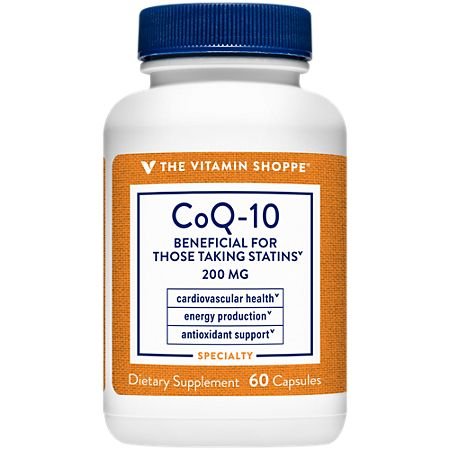
Mark missing information instead of filling gaps with reputation
If a serving basis, ingredient list, or evidence match is missing, label it unconfirmed. Do not enter a favorable value because the brand is well known or a negative value because it is unfamiliar. The comparison should reflect the actual information available.
Ask a focused question using the full product link, formula, format, and exact missing detail. A general reply about company standards may not resolve a particular ingredient or lot question. Keep the response’s scope and qualifications rather than summarizing it as universal verification.
When the answer remains incomplete, preserve that limit in the final comparison. Different fields can have different certainty levels. A useful purchase record does not require every product to receive a complete score; it requires the conclusions to match the evidence.
Recheck the actual purchase and delivered item
Before ordering, confirm the selected version, count, current price, availability, and relevant terms. If an alternative is proposed, identify it separately and revisit its label. A matching brand or broad category does not make a replacement formula equivalent.
After delivery, compare the actual product and declaration with the information used for the purchase. If something differs, retain the details and use the applicable support route. This guide does not create replacement or return terms, but a clear record makes the specific issue easier to describe.
Update the worksheet when a version changes. An earlier careful comparison should not become a permanent assurance about all later products. Keeping the source and date beside each field makes a future review more efficient and more accurate.
A final product-comparison worksheet
| Field | Record | Type of conclusion supported |
|---|---|---|
| Identity | Full selected formula, format, market | Exact product match |
| Label | Ingredients, amounts, serving basis | Declared contents and quantities |
| Evidence | Specific current record and scope | Narrow claim verification where matched |
| Cost | Current price, servings, included charges | Defined unit-price comparison |
| Practical fit | Actual directions and preference notes | Purchasing convenience and constraints |
| Reviews | Relevant exact-version opinions | Context for subjective experience |
| Unknowns | Specific missing information | Questions still needing an answer |
| Delivery check | Actual product and label | Whether the reviewed version arrived |
Frequently asked questions
Can I compare entire brands with one score?
A broad score can hide product differences and missing evidence. Compare identified formulas using clear criteria and source-based fields. A brand can sell several formats and versions, so a reputation summary does not establish the exact contents or status of every item.
Is the product with more capsules the better value?
Check serving definition, formula, current price, and relevant order costs. Capsule count alone does not establish labeled servings or equivalent declared amounts. Keep the total purchase price and cost basis visible rather than ranking from the largest count.
Does a lower serving price prove better quality?
No quality conclusion follows from price arithmetic alone. A cost comparison answers a defined purchasing question, while evidence for particular product claims needs its own match. Preserve formula differences and avoid treating a lower ratio as a universal recommendation.
Should I ignore reviews entirely?
Use them for the kind of information they provide, such as personal preferences or packaging experience. Let concrete concerns prompt checks against current direct sources. Do not use star scores as substitutes for label identity, certification records, or individualized advice.
What if I cannot verify an important field?
Keep it unconfirmed and ask a specific product-level question. Preserve the answer’s qualifications and scope. An honest gap is more useful than a confident conclusion supplied by brand familiarity or an unrelated favorable document.