




Blog
How should I compare supplement bundle contents?

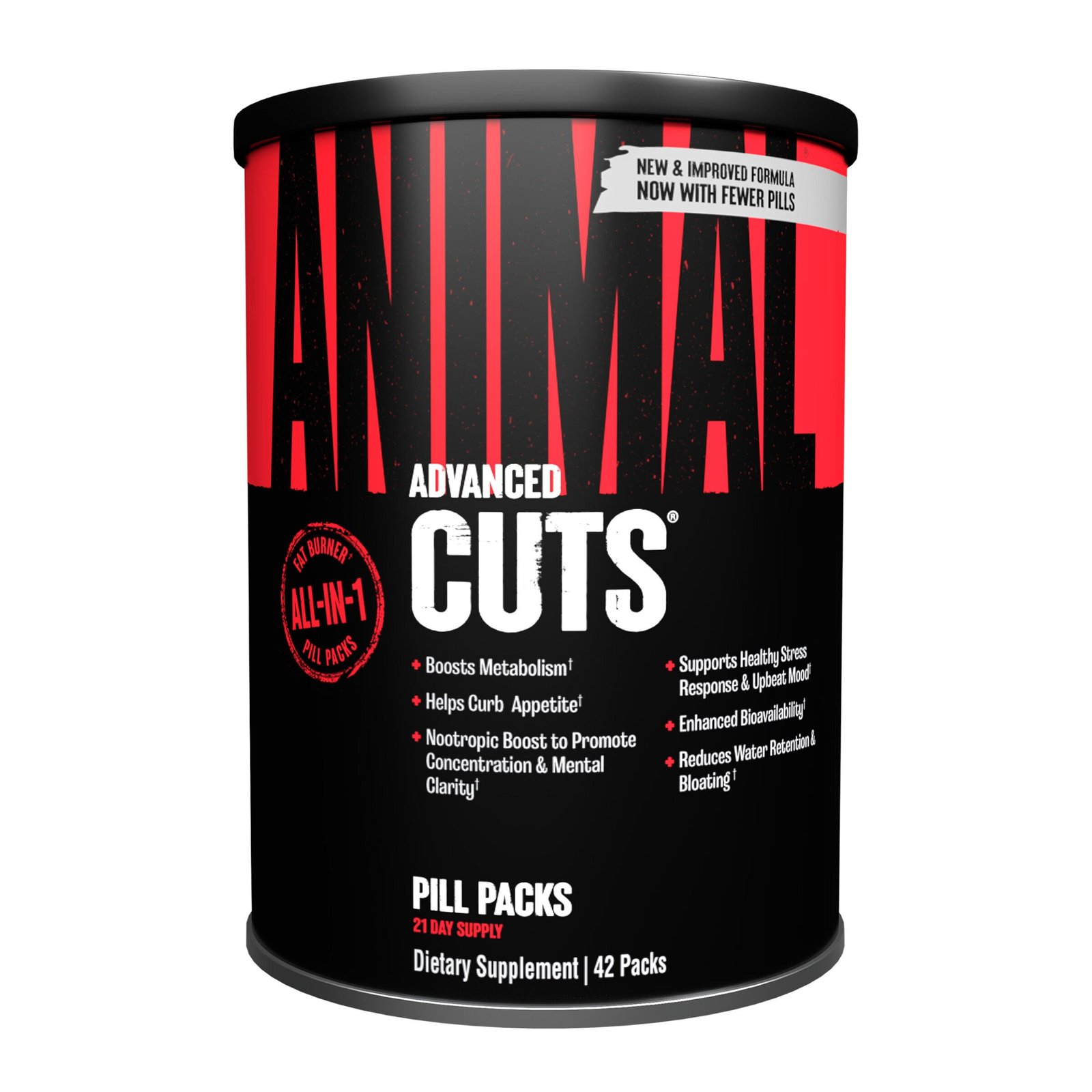
Compare supplement bundle contents by identifying every included product, its formula, package quantity, labeled serving basis, and any stated variation. A commercial bundle is a purchasing arrangement, not an individualized supplement plan. Do not assume that all included products should be used together or that matching brand names establish a coordinated formula.
This guide explains a contents-first worksheet for vitamins and supplements. It covers inner packets, separate bottles, ingredient overlap, price comparisons, and questions to ask about unclear offers. It does not prescribe a combination, dose, schedule, or product for a medical condition.
Start with an actual contents statement
Read the selected offer’s full list rather than relying on a promotional image. A useful statement identifies product names, versions, sizes, and counts. A picture can show representative packaging or several angles without establishing everything supplied in the purchase.
Keep the exact listing and selected option in your record. A page can discuss more than one package size or related set. Do not combine details from several options into a bundle that the offer does not actually describe.
If the contents are unspecified, request them before assessing value. An average price based on a guessed item count is not a verified comparison. The first question is what the stated price buys, including any qualifications about the assortment or selected version.
Distinguish bundles, multipacks, and single-product packets
A bundle may combine separate products, while a multipack can contain repeated units of one product or range. A container of individually wrapped portions can also be one formulated product rather than a collection of separate supplements. Read the actual contents and serving information instead of deciding from the word pack.
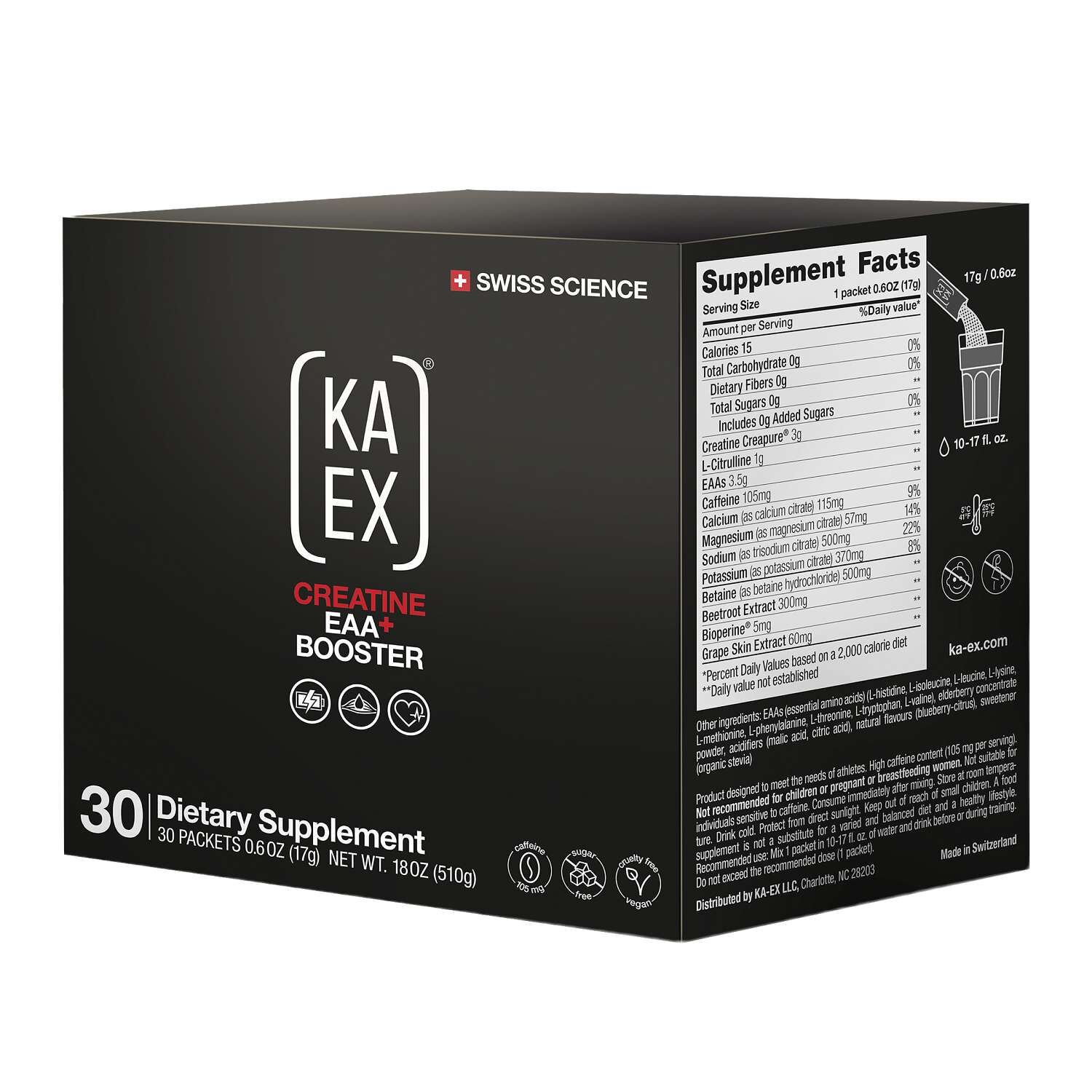
For a packet product, identify what one packet contains and how the label defines a serving. Packet count and serving count are not automatically identical. For a bottle set, identify the individual count and labeled servings for each bottle separately.
Do not infer a custom packing service from a general bundle name. If several separate listings are selected in one order, describe that as a multi-item purchase unless an actual combined offer is stated. The purchasing record should match the arrangement confirmed by the store.
| Offer format | What to identify | Assumption to avoid |
|---|---|---|
| Separate-bottle bundle | Every formula, bottle size, and count | One shared serving definition |
| Repeated-product multipack | Exact repeated product and units | Several different supplements are included |
| Individually wrapped product | Packet contents and serving basis | One packet necessarily equals one serving |
| Flavor assortment | Included versions and allocation | Equal allocation from pictured flavors |
| Multi-item order | Each actual selected listing | A ready-made combined program exists |
| Custom request | Explicit availability and terms | Custom mixing or packing is standard |
Record every product in its own row
Keep one row per distinct formula, format, flavor, or strength. Include the full name and market where relevant. A shared brand does not establish identical ingredients, directions, or documentation across the products included in a set.
For a hypothetical bundle, one row might describe a capsule bottle, another a powder tub, and another a packet box. Those entries have different quantity bases and should remain separate. Adding their package counts together does not establish one meaningful combined serving total.
If two entries are genuinely identical repeated units, record their number explicitly. Do not count an outer box as an additional supplement on top of all its inner packets. Preserve the packaging hierarchy so that a stated total is not inflated by counting the same contents at several levels.
Read serving definitions independently
A capsule count, tablet count, scoop count, and packet count need their own label interpretation. Do not assume that one physical unit always equals one labeled serving. Save the actual serving definition with the quantity and ingredient declaration for each product.
For an invented example, a bottle with 60 capsules and two capsules per labeled serving represents 30 servings by that relationship. A tub stating 20 labeled servings remains a separate 20-serving product. Adding 30 and 20 does not establish a 50-day combined schedule or a recommendation to use both.
The number of days a bundle lasts depends on assumptions that this purchasing guide does not prescribe. Do not infer a coordinated use period from the package count. If a seller makes a duration claim, ask what product and use basis it describes and keep that scope separate from individualized advice.
Use an ingredient-overlap worksheet as a question list
If several included labels name the same ingredient, record that overlap without inventing a combined use recommendation. Preserve ingredient form, amount, units, and the serving basis for each occurrence. A shared name can be useful information to review, but it does not resolve individual suitability.
Do not sum incompatible figures or treat different forms as automatically equivalent. A quantity per capsule and a quantity per serving need their relationship established before any arithmetic can be meaningful. Keep unclear amounts unconfirmed rather than borrowing a conversion from another product.
The FDA’s information on supplements and medications explains that interactions can occur and advises discussing supplement use with a health care professional. Bring the actual included labels and relevant personal information to that discussion rather than treating a commercial grouping as confirmation of compatibility.
| Hypothetical contents row | Package basis | Label information to preserve | Question for further review |
|---|---|---|---|
| Capsule product A | 60 capsules | Exact serving and declared ingredients | Is there relevant overlap with another selected product? |
| Powder product B | 20 labeled servings | Ingredient forms, amounts, and directions | Does a quantity use the same basis as another entry? |
| Packet product C | Confirm actual packet count | Contents per defined serving | Is one packet the labeled serving? |
| Repeated bottle D | Two identified bottles | Same current version confirmed | Is the repeated quantity wanted? |
| Unspecified extra | Unknown | No reliable declaration yet | What exact product is included? |
Keep personal suitability separate from purchase convenience
A bundle can simplify selecting several products in one transaction without establishing that the combination is appropriate for an individual. Format convenience and a lower package price answer different questions from compatibility, need, or a medical condition.
This guide does not recommend taking every included item, increasing an amount, replacing medication, or creating a schedule. If the purchase involves those decisions, use the complete current labels with appropriately qualified guidance. A bundle title cannot supply that individualized assessment.
Also preserve any explicit product warnings and directions. Do not shorten several labels into one simplified instruction that loses important qualifications. The useful comparison file retains the original declarations so a specific question can be reviewed accurately.
Review allergens and other ingredient preferences product by product
A mixed set can contain several different ingredient lists. Obtain the current declaration for each relevant item rather than applying one photographed panel to the whole bundle. If a specific ingredient matters, state the question explicitly about the selected version and market.
A broad description such as natural, plant-based, or a shared flavor name does not replace the complete list. Do not infer an exclusion from abbreviated marketing text. If the declaration is unreadable or incomplete, request clarification and keep the field unresolved until the information supports a conclusion.
If substitutions are possible under actual stated terms, an alternative version needs its own review. Matching the brand or package count does not establish matching ingredients. Preserve the specific proposed replacement instead of treating it as automatically equivalent to the original selected product.
Compare bundle price with matched separate purchases
Identify the actual separate offers that match the confirmed contents, sizes, and quantities. Add their current item prices on a consistent basis, then compare with the selected bundle price. Do not assign invented retail values to unspecified extras or use a price for a different bottle size.
For an invented example, matched separate products might total 70 currency units while a confirmed bundle costs 63 before other charges. The difference is 7 units, or ten percent of that 70-unit reference. This hypothetical calculation does not establish a live offer or a saving for every buyer.
If only part of the bundle would otherwise be purchased, compare that realistic alternative as well. A lower full-set price can still require more spending than buying the smaller wanted subset. Keep total commitment, unwanted or repeated quantity, and current charges visible alongside the headline discount.
Avoid misleading averages across unlike contents
Dividing a bundle total by the number of included bottles produces an average per bottle on that counting basis. It does not establish equal bottle sizes, equal servings, or each item’s independent selling price. A powder tub and a small capsule bottle should not silently become equivalent units of value.
For an invented three-product set costing 63 units, the simple average is 21 units per included product. That is an accounting summary, not evidence that each item is separately available or worth 21 units. The confirmed contents list is still necessary to understand the purchase.
If an offer includes outer boxes and inner packets, choose one consistent counting level. Do not count both as additional products in order to produce a lower-looking average. A transparent calculation is more useful than a large item total that counts the same contents repeatedly.
Check quality claims within the actual scope
If a bundle highlights testing or certification, determine which included product and claim the evidence covers. A statement about one item should not automatically become verification of the entire set. Match the exact formula and relevant current record where available.
Likewise, an ingredient study and a finished-product report are different evidence types. Preserve what was actually evaluated. Do not treat a general quality statement as proof that the combined products produce a particular effect or should be used together.
If the supporting information is incomplete, ask a focused question and keep the answer’s qualifications. A business may not supply every internal record publicly, but that limit should be described accurately rather than filled with a stronger assurance or an unsupported negative conclusion.
Dates, storage, and delivery need separate checks
Different products can carry different markings and storage directions. Keep those records separate rather than averaging dates or assuming one outer-box statement supplies a universal shelf life. Ask what any shared claim actually covers when its scope is unclear.
Compare physical package sizes with available storage where relevant. Total serving count does not establish carton dimensions or a suitable storage condition. Follow the actual directions and request missing information rather than creating one rule for every capsule, powder, liquid, and packet.
Availability and delivery also depend on the actual selected offer and quantity. A guide does not establish live stock, custom assembly, or a guaranteed arrival date. Use the current applicable order information and preserve estimates as estimates rather than converting them into commitments.
Save a final bundle-comparison record
| Check | Evidence to save | If unclear |
|---|---|---|
| Contents | Full names, versions, sizes, counts | Request an exact list |
| Package hierarchy | Outer and inner units separately | Avoid double-counting |
| Serving basis | Actual definition for every product | Do not create a duration claim |
| Ingredients | Current complete declarations | Keep overlap and preference questions visible |
| Personal review | Original labels and relevant guidance | Do not infer compatibility from the bundle |
| Price | Matched separate offers and included costs | Avoid invented values for extras |
| Claims | Exact evidence scope for each item | Do not extend one status to all products |
| Order | Confirmed contents and applicable terms | Preserve any specific delivered mismatch |
Frequently asked questions
Does a supplement bundle mean all products should be taken together?
A commercial grouping does not establish an individualized plan. Review the actual labels and relevant circumstances with appropriate guidance. This article compares contents and costs; it does not prescribe a combination, schedule, or amount for an individual.
Can I add the serving counts into one duration?
Keep each product’s serving definition separate. A total of unlike servings does not establish how many days a coordinated set lasts or whether every product should be used. Any duration claim needs its actual stated basis, distinct from personal use advice.
Does a bundle always save money?
Compare matched current separate offers and actual applicable charges. A lower full-set price can still cost more than the smaller subset a customer wanted. Keep total commitment and repeated or unwanted contents visible rather than relying only on a headline discount.
Can one label cover the whole bundle?
Only within a scope actually confirmed for the identified contents. Different formulas need their own relevant declarations. A shared brand, package image, or outer count should not become a substitute for the current information on every included product.
What should I check after delivery?
Match the delivered formulas, sizes, counts, and labels with the confirmed set. Preserve any specific difference and use the applicable support route. Revisit the comparison if a substitution changes the actual products rather than relying on an earlier record for another version.