




Blog
Which supplement claims need closer review before purchase?

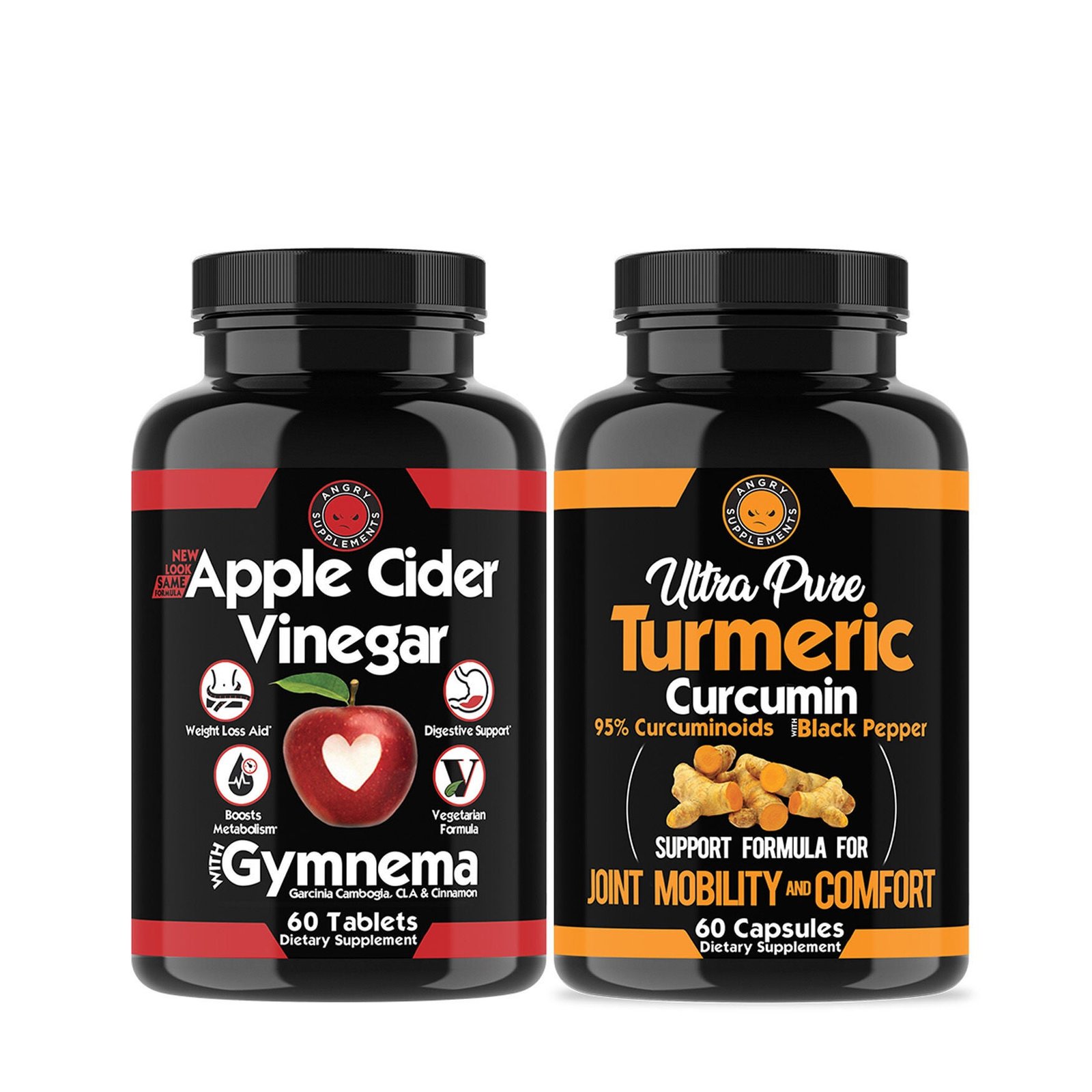
Review a supplement claim more closely when it promises a disease outcome, guarantees the same result for everyone, uses an unclear approval statement, or relies on impressive wording without product-specific support. Start by recording the exact claim and the product it describes. Then ask what evidence supports that statement and whether the evidence actually matches the formula, context, and scope being advertised.
This guide provides a purchasing checklist for vitamins and supplements. It covers claim wording, research references, testimonials, certification language, and questions to ask. It does not determine legal compliance for an individual advertisement, certify a pictured product, or recommend a supplement for a medical condition.
Capture the complete claim before judging it
Save the wording, product name, source, and date. Include nearby qualifications and the context in which the statement appears. A headline can convey a different impression from a narrow ingredient note, and removing the surrounding words can make the claim appear stronger or weaker than the original.
Distinguish a statement about the finished product from a statement about one ingredient. A formula can contain several ingredients, different quantities, and a different serving basis from the material discussed in a study. Do not assume a citation about one component establishes every advertised result for the complete product.
Also distinguish a label declaration from a customer opinion. An ingredient amount, a personal review, and a certification statement are different evidence types. A useful record preserves their source instead of converting all favorable information into proof of the same claim.
Give disease-related promises particular attention
The FDA’s supplement overview explains that products intended to treat, prevent, cure, or alleviate disease symptoms are regulated as drugs even if presented as supplements. A buyer should not treat a supplement’s disease-related promise as a substitute for appropriate medical care or evidence of approval.
Keep the exact statement and ask what is actually being claimed. General support language, a nutrient-content statement, and a disease-treatment promise should not be casually merged into one category. This guide does not make a legal determination about an individual product’s wording.
If the purchase decision involves a medical condition, medication, pregnancy, or another specific circumstance, use the actual current label when seeking appropriately qualified advice. A purchasing article cannot establish individual suitability from a marketing phrase or a list of ingredients alone.
| Claim feature | Question to ask | Evidence that needs matching |
|---|---|---|
| Disease-related promise | What exactly is the product said to do? | Actual product and appropriate regulatory context |
| Guaranteed result | What supports that level of certainty? | Scope and limits of the supporting evidence |
| Research wording | Was this formula or only an ingredient studied? | Identity, quantity basis, and context |
| Approval wording | Which authority and what was approved? | Exact status, not a vague association |
| Certification wording | Which program and product record? | Current issuer confirmation |
| Testimonial | What does the opinion establish? | Separate support for broader product assertions |
Do not turn registration language into product approval
Read exactly which business, facility, ingredient, or product a statement concerns. A reference to a regulator does not automatically establish approval of the selected supplement or of a claimed health effect. Ask what status is actually being asserted and where it can be confirmed.
The FDA’s explanation of approval terminology distinguishes different product categories and discusses supplement claim disclaimers. Use the relevant specific context rather than treating every official-looking phrase as equivalent evidence.
Keep any response’s scope. A document about a facility or a notification should not silently become an assurance that every product or claim has undergone the same review. If the statement remains vague, record it as unresolved rather than strengthening it into a product-specific approval claim.
Ask what clinically studied actually refers to
A research reference needs a clear connection to the assertion. Identify whether the study concerns the exact finished formula, one named ingredient, a different preparation, or another population or context. The existence of a study is not the same as a demonstrated match to the advertised product and result.
Record the actual source and read beyond an abstract or a short promotional summary when the conclusion depends on it. Do not assume that a headline accurately represents every limitation. If technical interpretation matters, seek an appropriately qualified assessment rather than inferring a broad promise from scientific-looking wording.
A useful question is: which part of this claim does this particular reference support? That is more precise than asking whether the product has any studies. The answer should preserve differences in formula, measured outcomes, and scope instead of treating all related research as interchangeable.
Keep personal testimonials in their proper role
A testimonial can describe someone’s reported experience, but it does not by itself establish the same result for every buyer. Preserve what the person actually says and avoid converting it into a universal product effect. A high review score also does not identify the formula, batch, or evidence supporting a technical claim.
The FTC’s health-products guidance explains that health-related advertising requires appropriate scientific support and addresses testimonials and implied claims. A seller cannot rely on a favorable story alone to settle the underlying evidence question.
For a purchasing comparison, separate opinion about taste, packaging, or convenience from assertions about medical effects or guaranteed outcomes. Different questions require different support. A clear record can include reviews without treating them as certification, laboratory verification, or individualized advice.
Read guarantees and time promises literally
If a statement promises a particular result within a particular period, save those details. Ask what supports the exact timing and level of certainty. Do not weaken the promise in your notes to make it easier to justify or expand a narrow statement into a stronger one that the source never made.
Also distinguish a commercial guarantee from a product-effect assertion. An actual return term, where offered, is an order policy; it does not independently establish that a health outcome will occur. This guide does not create a money-back promise or interpret a specific seller’s terms.
Keep the relevant conditions and exclusions with any policy record. A promotional phrase may need the actual applicable terms to be meaningful. If they are unclear, ask before relying on them rather than treating an attractive headline as a complete explanation of the purchase arrangement.
Natural and traditional wording need specific context
Broad descriptive terms should not replace the actual ingredient list or a product-specific evidence question. If a claim relies on traditional use, ask what is being asserted about the selected preparation and whether the supporting information matches it. A historical association does not identify every modern formula or amount.
Likewise, a natural description does not provide a complete assessment of individual suitability. Read the exact ingredients and directions and keep unresolved questions visible. Do not infer that an unfamiliar combination is appropriate for everyone because a familiar plant name appears on the label.
This guide does not rank ingredients by whether they sound natural or technical. It organizes the claim, product, and evidence relationship. A concrete declaration and a clear scope are more useful than a broad label that leaves the actual assertion undefined.
Certification and testing claims need their own verification
Identify the exact program or test rather than treating every seal as equivalent. A product can make a narrow assertion about selected testing without establishing every characteristic or effect. Match the supporting record to the exact formula and relevant batch where its scope requires that match.
If a certification directory is available, use the issuer’s current information and compare the product details. A related brand result should remain unconfirmed until the relationship is established. Do not transfer one product’s status to every item a company sells.
A quality-related record also answers a different question from a clinical outcome. A document about contents or selected contaminants should not automatically become proof of a disease benefit or a guarantee for every individual. Keep the evidence tied to the specific characteristic it actually evaluates.
| Evidence question | Detail to preserve | Shortcut to avoid |
|---|---|---|
| What was evaluated? | Finished product, ingredient, or facility | All stages treated as one |
| Which version? | Exact formula, format, and market | Brand name used as a full match |
| Which result? | Actual measured or stated outcome | Any favorable finding supports every claim |
| Which population or context? | Scope relevant to the assertion | One context generalized to everyone |
| Which period or batch? | Record date and relevant identifiers | A past example covers all future stock |
| Which conclusion? | Qualifications and limits | A stronger promise than the source supports |
Compare amounts without creating a use recommendation
If a claim mentions an ingredient quantity, record the actual serving basis and ingredient form. A per-serving amount and a complete-container amount are different fields. Do not multiply, combine, or compare them without establishing the relevant relationship from the current label.
A larger numerical amount is not automatically a better product or a recommendation to use more. This guide does not provide dose advice. Keep quantity arithmetic separate from questions about individual need, combinations, and suitability.
If several supplements are considered together, identify overlapping ingredients as a question to review with appropriate guidance rather than assuming a bundle is a coordinated plan. A commercial grouping does not establish that all included products should be taken together by every customer.
Ask a focused question before purchase
Provide the exact product link, version, and claim wording. Ask which evidence supports the assertion and whether it concerns the finished formula or a particular ingredient. If a status claim is involved, ask which authority or issuer confirms it and what the confirmation actually covers.
Keep the reply complete, including any qualifications. A response that discusses general brand practices may not resolve the selected product’s specific statement. If the answer does not match the question, leave that field unconfirmed rather than summarizing it as verified.
A business may not make every internal document public. Record the available evidence and its limits accurately without automatically declaring a particular failure. The purchasing decision should reflect what is actually established, not a stronger assurance created to fill the information gap.
Keep price and urgency separate from evidence
A discount or limited-stock message does not provide scientific support for a claim. Calculate the actual purchase cost separately and review the evidence on its own terms. A lower price should not make an unresolved health assertion more credible, and a higher price is not a substitute for documentation.
If a deadline or promotion changes the practical decision, preserve its actual conditions without rushing the product-information check. This guide does not confirm any particular promotion or stock level. Use the current selected offer and keep unknown terms visible.
The useful final record can say that a claim remains unconfirmed while the item price is known. Different fields can have different levels of certainty. A transparent comparison does not require every row to end with a reassuring conclusion.
A final claim-review worksheet
| Check | Record | If unresolved |
|---|---|---|
| Exact assertion | Full wording, context, source, date | Ask what is actually being claimed |
| Product match | Formula, format, flavor, market | Avoid brand-wide assumptions |
| Evidence | Specific record or research reference | Do not substitute reputation |
| Scope | What, whom, and which version it covers | Preserve qualifications |
| Status | Exact authority, program, or issuer | Do not equate registration with approval |
| Personal decision | Relevant current label for professional review | Avoid individualized conclusions from marketing |
| Order terms | Actual price and policy wording | Keep commercial promises separate from effects |
Frequently asked questions
Does a study link prove every advertised benefit?
Match the actual study and assertion. A reference can concern another preparation, ingredient, context, or outcome. Preserve those distinctions and obtain qualified interpretation when needed rather than treating any scientific citation as proof of the entire finished product’s marketing.
Is a favorable review enough evidence for a guaranteed result?
A personal account does not establish the same outcome for every buyer or replace support for a broader health assertion. Keep reviews separate from technical evidence and individualized advice. Taste and packaging opinions answer different questions from claims about medical effects.
Can a certification establish personal suitability?
Review the named program’s actual scope and product match. A quality-related status does not automatically determine an individual’s needs or a medical outcome. Use the actual current label when seeking appropriate guidance for a specific circumstance.
Does a money-back phrase prove the product works?
A commercial policy and a product-effect claim are different information. Read the actual applicable terms if such an offer exists, but do not treat it as scientific support. This guide does not create or confirm a particular refund arrangement.
What if the answer remains vague?
Record the precise unresolved question and the scope of the information supplied. Do not turn general reassurance into a stronger product-specific conclusion. A clear unconfirmed field is more useful than a confident claim built from unrelated sources.