




Blog
How can I check a vegan claim on an omega-3 product?

Check a vegan claim on an omega-3 product by reviewing the exact finished formula, the oil source, the capsule or other delivery materials, and the wording of the claim. A plant-derived main ingredient is useful information, but the full product statement is what matters when you need to establish whether every relevant component meets your requirement.
This guide explains how to investigate omega-3 products without treating a broad category name or package illustration as complete evidence. It covers ingredient lists, capsule materials, certification scope, manufacturer answers, label quantities, and purchase records. It does not independently certify an item or determine personal supplement suitability.
Identify the exact product making the claim
Record the brand, complete product line, format, flavor where relevant, and selected package size. A brand can sell both fish-derived and algae-derived formulas under related names. Keep the claim attached to the exact item rather than applying a general impression of the brand to every product.
Check the title, front label, and current ingredient panel together. If vegan wording appears only in a retailer’s short description, seek confirmation from the matching package or manufacturer information. A similar name from another version is not enough to settle the selected formula.
Record whether each answer comes from a retailer, the manufacturer, or a named certification program. This makes the evidence trail clearer when several sources discuss related products.
Save the date and source of the statement. This helps distinguish current information from an older image or remembered purchase. If you change the selected version while browsing, review the claim again instead of automatically carrying the previous information forward.
Read the oil-source statement separately
Look for explicit ingredient wording identifying the oil source. An algae-oil description addresses the main oil ingredient, while a vegan claim can concern the complete finished product. Keep those fields separate so that one does not silently substitute for the other.
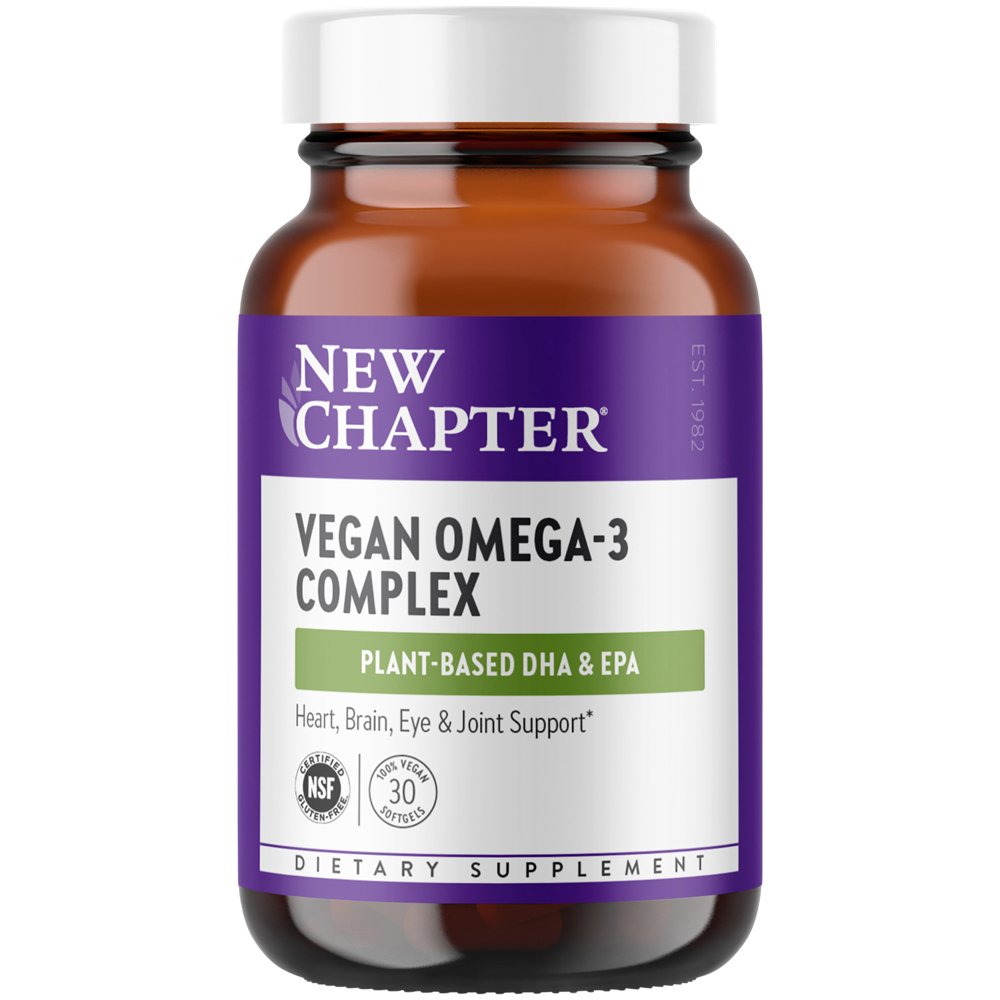
A useful manufacturer example is New Chapter’s Vegan Omega-3 Complex information, which identifies algae oil and describes the other ingredients, including its vegan softgel materials. The example illustrates what a product-specific review can examine; it does not establish the formulation of unrelated brands.
A marine-themed package does not by itself identify fish as the source, and a plant-themed package does not establish the entire formula. Read the actual written specification. If the source is unclear, ask for the exact ingredient statement before relying on a visual impression.
| Question | Evidence to examine | Why it remains a separate check |
|---|---|---|
| Which product? | Exact formula, format, and selected version | Related items may differ |
| What oil source? | Ingredient description | Main ingredient and finished formula have different scopes |
| What delivery materials? | Capsule, coating, or other ingredient statement | Materials can be separate from the oil |
| What claim? | Exact vegan wording and qualifications | Broad impressions can omit limitations |
| What support? | Relevant manufacturer explanation or certification | Scope and product identity need confirmation |
Check the capsule and other ingredients
Read the complete other-ingredient statement for the selected formula. The capsule shell, flavoring, carrier ingredients, and other components belong in the finished-product review. A statement about the main oil alone may leave these questions unanswered.
Where a material’s source matters but is not clear from the ingredient name, ask the manufacturer how the relevant product claim applies to that component. Avoid guessing from a familiar-sounding term or transferring a material statement from another product.
Keep the manufacturer’s answer product-specific. A response about its usual capsule materials may need clarification if the company sells several formulas or formats. Ask which statement applies to the exact item and preserve any qualification in your notes.
Distinguish vegan wording from certification
Copy the exact claim and identify whether the product names a third-party program or makes a manufacturer statement. These are different descriptions of evidence. Do not add a certification claim when the product does not identify one.
If a program or seal is named, check the organization, standard, subject, and relevant scope. A certificate can concern an ingredient, operation, process, or finished product. Confirm what it actually identifies before extending its meaning to every component or every item sold by a brand.
Record any relevant dates or version information. A document about an older formula or another package may not answer the question for the selected product. If the connection is unclear, ask the manufacturer or program to explain how the document applies.
Why does an EPA or DHA name not settle the claim?
EPA and DHA quantities describe disclosed fatty-acid information, not the complete origin and composition of the finished formula. Read source and other-ingredient statements separately. A product title emphasizing DHA should not automatically be described as vegan.
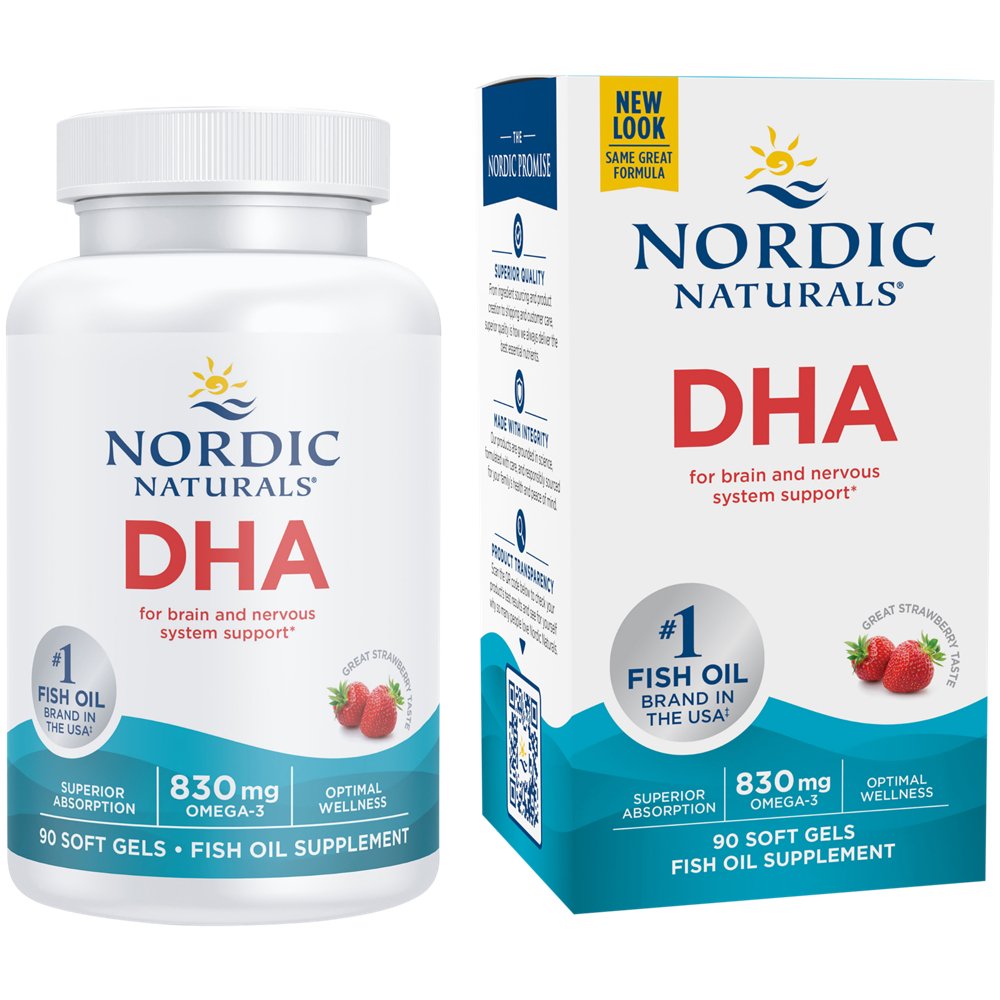
The package pictured below illustrates a DHA product name. Its presence here is a label-reading example, not confirmation of a vegan claim. Establish any dietary status from the exact full product information rather than from the nutrient abbreviation alone.
Keep nutrient quantities in the comparison after reviewing the claim. Two products can both meet a stated purchasing requirement while differing in individual EPA, DHA, combined amounts, and labeled servings. A source or dietary statement does not establish equal nutrient composition.
How should I evaluate a retailer description?
Use the retailer listing to identify the selected item and the information available for the order. Then compare important claims with the matching package and manufacturer explanation. Keep the source of each statement visible instead of merging several pages into an unqualified conclusion.
If the retailer and manufacturer appear to disagree, describe the exact conflict. A different version, package image, or incomplete summary may be involved. Ask which information applies to the offered stock before relying on the claim.
Do not treat an unanswered question as confirmed simply because the listing appears professional or has positive reviews. A precise product-specific answer is more useful for this requirement than a general assurance about quality or brand reputation.
What questions should I ask the manufacturer?
Include the full product name, format, selected size, and link. Ask whether the vegan statement covers the entire finished product, including the delivery materials and other ingredients relevant to your question. Refer to the exact wording rather than asking only whether the brand is vegan.
If a particular component is unclear, identify it directly and ask how its source relates to the finished-product claim. This keeps the answer focused and reduces the chance of receiving a general description that leaves the original uncertainty unresolved.
If certification is mentioned, request the program name and product-specific scope. Preserve the distinction between a manufacturer statement and an independently documented certification rather than presenting them as identical forms of evidence.
| Unclear point | Focused question | Information to retain |
|---|---|---|
| Claim scope | Does this statement cover the complete finished product? | Exact wording and qualifications |
| Capsule material | What materials apply to this exact formula? | Product-specific explanation |
| Ingredient source | How does this component fit the claim? | Relevant source statement |
| Certification | Which program and product scope are identified? | Document or verified program details |
| Version mismatch | Which current formula is being offered? | Matching product identity |
Keep quantity information on the correct basis
Read serving size before recording EPA and DHA amounts. A serving can contain multiple softgels, while a liquid uses its own measured portion. Keep physical package count separate from labeled servings so that the quantity and price comparison remains accurate.
Where individual EPA and DHA values are disclosed on the same basis, their sum can be calculated. If only a combined total is provided, preserve that limitation rather than inventing equal shares. A dietary claim does not fill a gap in nutrient disclosure.
Record source information, claim evidence, and quantities in separate columns. This lets you see whether an option meets the dietary requirement and how its disclosed formula compares, without using either question as a shortcut for the other.
Compare prices after essential requirements are clear
Start with candidates whose essential information has been confirmed. Record the selected package price and labeled serving count, then calculate cost per labeled serving. Keep formula and quantity differences beside the result instead of calling every serving equivalent.
The following figures are invented purchasing examples. They are not live offers, actual product specifications, or suggested amounts to use. They show how package price and serving price answer different budgeting questions.
| Hypothetical package | Item price | Labeled servings | Cost per labeled serving |
|---|---|---|---|
| A | $24 | 30 | $0.80 |
| B | $30 | 60 | $0.50 |
| C | $21 | 30 | $0.70 |
| B with $6 allocated delivery | $36 total | 60 | $0.60 |
Include applicable checkout charges consistently. Record coupon, subscription, and multi-buy conditions. A lower introductory price is not automatically the permanent cost of a recurring order, and a bundle requires confirmed included products before its servings are totaled.
A larger package can reduce unit cost while increasing the upfront commitment. Consider whether the exact formula and format are familiar, and review the actual storage information. Ask about available date details for offered stock when that affects your intended quantity.
How can I avoid repetitive or misleading comparisons?
Keep the claim review focused on evidence that answers the specific dietary question. Repeating a broad phrase such as plant based in several parts of a listing does not supply additional component detail. Look for the full formula and a clear statement about its scope.
A product example should remain attached to its own label. The algae-derived example below illustrates a formula for which manufacturer ingredient information is available. It does not certify every algae oil or establish identical quantities across brands.
Keep subjective reviews separate from claim verification. A customer can describe flavor or package convenience without establishing ingredient sources. Look for the relevant label and documents when the requirement concerns a finished-product statement.
Review the order and delivered package
Before checkout, confirm the exact version, format, size, label, claim information, and payable total. Revisit the evidence if you change variants. An earlier answer about one formula should not automatically carry over to a newly selected item.
After delivery, compare the product identity, ingredient statement, claim wording, physical count, and package condition with the information saved for the order. Keep relevant package identifiers available while resolving any discrepancy.
Contact the seller with a precise description when something differs. A changed ingredient statement or missing claim can matter to the purchasing requirement, so document the actual difference rather than assuming it is only a design update.
Frequently asked questions about vegan omega-3 claims
Does an algae-oil source describe every ingredient?
The main oil and the finished product are different scopes. Read capsule materials and other ingredients, and check whether the actual vegan statement covers the complete formula relevant to your requirement.
Is a DHA product automatically vegan?
A nutrient name does not establish the complete source and ingredient record. Check the exact oil description, delivery materials, other ingredients, and finished-product claim rather than inferring status from the abbreviation.
Does manufacturer wording always mean third-party certification?
Record the evidence accurately. A manufacturer statement and a named certification are different descriptions. Identify the actual program and scope before adding a certification claim to your comparison.
Can a general brand answer settle every product?
Keep the response attached to the exact formula and version it describes. Brands can sell several sources and formats. Ask for product-specific clarification where a general explanation leaves the selected item uncertain.
Should the cheapest option decide the purchase?
Confirm the essential requirement and full formula first. Then compare price alongside disclosed quantities, serving count, format, order conditions, and package commitment. A low unit cost does not establish a claim’s accuracy.
What should I keep in my records?
Retain the exact product identity, source statements, complete ingredients, claim wording, supporting evidence, quantities, serving basis, price conditions, date checked, and unanswered questions. This makes the decision easier to verify before ordering and after delivery.