




Blog
What is the difference between store-brand and national-brand food when comparing purchases?

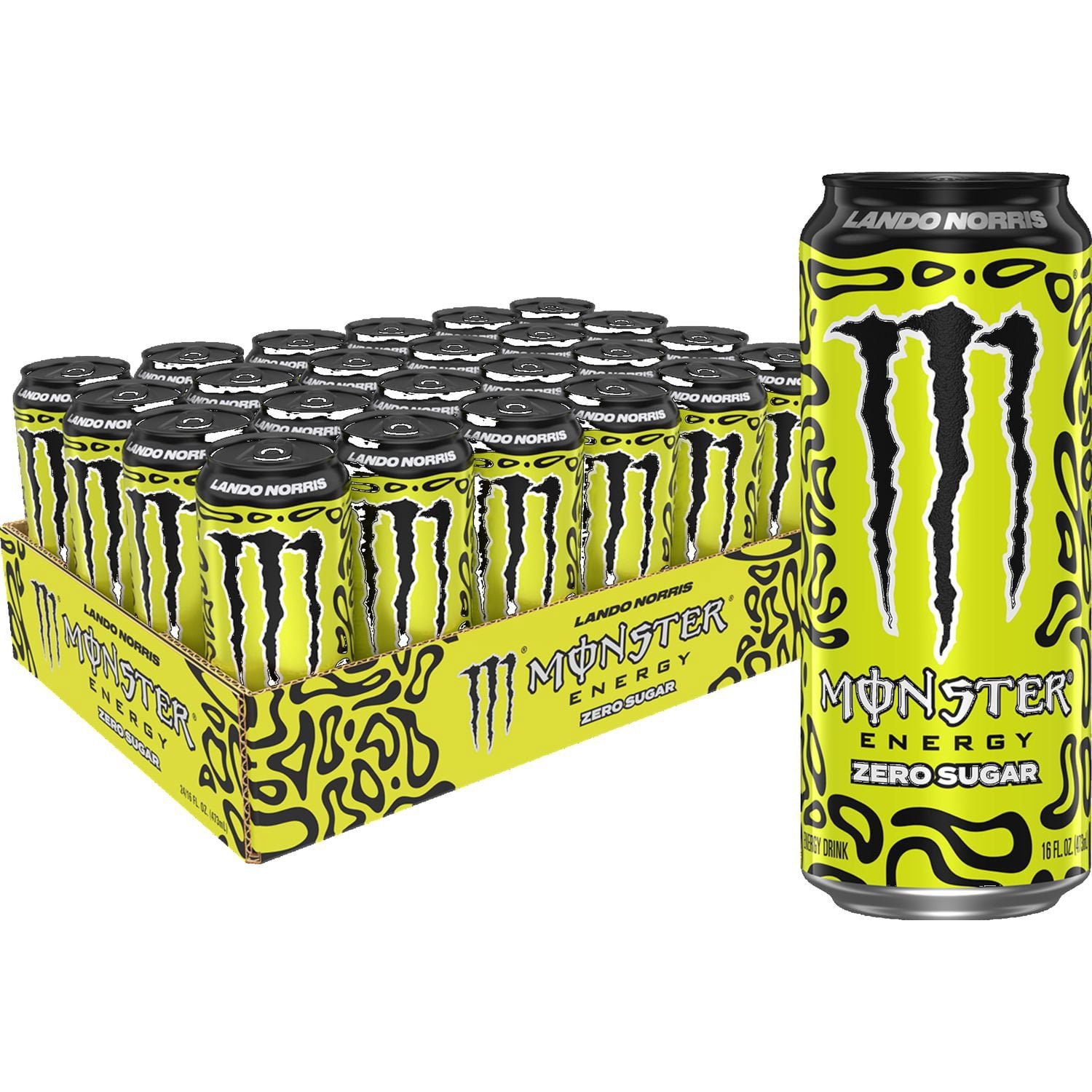
When comparing food purchases, store-brand usually refers to a retailer’s own-label offer, while national-brand describes a separately recognized brand sold through a broader retail presence. Those descriptions identify branding arrangements, not a universal difference in ingredients, quality, or price. Compare the exact products, sizes, declarations, and current offers rather than deciding from the category name alone.
This guide provides a purchasing worksheet for groceries and pantry items. It covers product matching, unit prices, ingredient preferences, packaging, and evidence for specific claims. It does not identify a Sprinkles Menu own-label food range or claim that two pictured products are made in the same factory.
Define the actual alternatives
Write the complete product name and selected version for each offer. A broad comparison such as store-brand versus famous brand is too general to establish what is being purchased. Flavor, formula, size, preparation format, and pack count can change the result even within one brand.
Keep the relevant listing links and review date. An older comparison can refer to a previous package size or promotion. Use the current selected offers rather than a remembered price or a product photograph that may represent another version.
Also clarify the question you want to answer. Lower cost for the same weight, a particular ingredient preference, and a preferred taste are different comparisons. A useful worksheet can address several questions while keeping their evidence separate instead of combining everything into one unexamined quality score.
Branding does not establish the complete formula
Read the current ingredient list for each exact product. Similar names or package designs do not establish identical ingredients. Conversely, a difference in branding does not, by itself, prove a particular ingredient difference. The label is the starting point for a product-specific formula comparison.
Copy specific names carefully and preserve relevant qualifications. A short marketing description may highlight selected ingredients without reproducing the entire list. Do not infer absence from the fact that a name is missing in abbreviated copy, and do not replace an unfamiliar term with a broad category without understanding the original wording.
If a specific ingredient matters to the purchase, ask that question directly about the selected version. Keep the answer tied to its market, formula, and date. A general assurance about a brand should not silently become a confirmed statement for every product it sells.
| Comparison question | Evidence to use | What branding alone cannot establish |
|---|---|---|
| Are the ingredients the same? | Complete current declarations | Identical formulas |
| Which costs less by weight? | Matched quantities and current prices | A universal price ranking |
| Are the servings comparable? | Actual serving definitions | Equal amounts from equal serving counts |
| Which taste do I prefer? | Personal experience with the identified versions | An objective preference for every customer |
| Is a specific claim supported? | Product-specific wording and evidence | Certification from reputation alone |
| Who made it? | Actual role and origin information | A shared factory from package similarity |
Match the individual size before comparing price
A lower package price can describe a smaller quantity. Record the net weight or liquid volume of each selected item and the number included in the offer. If a multipack is involved, distinguish the outer selling unit from the inner products.
For dry foods, a shared basis such as price per kilogram or per 100 grams can clarify differences. For liquids, use a common volume unit. Price per item remains useful when the items are genuinely comparable, but it should not hide different bag or container sizes.
Do not use shipping weight as a substitute for labeled food quantity. A carton can include packaging or other transport components that do not belong in a food unit-price denominator. Keep the actual quantity statement and count attached to the calculation.
Calculate unit prices from current offers
For an invented comparison, Product A contains 750 grams and costs 6 currency units. Its item cost is 8 units per kilogram. Product B contains one kilogram and costs 7.5 units, giving 7.5 units per kilogram. The smaller package has the lower total price but the higher equal-weight price in this hypothetical example.
The arithmetic does not depend on whether either product is described as store-brand or national-brand. Use the confirmed numerator and denominator from each selected offer. A branding assumption should not replace the actual calculation or turn an illustrative result into a claim about every product in a category.
Keep the currency, date, and included charges visible. An item-only figure is different from a delivered total. If a fee or promotion is unknown, leave it unresolved rather than entering a convenient value that makes one option appear cheaper.
| Hypothetical offer | Net quantity | Item price | Calculation | Item cost per kilogram |
|---|---|---|---|---|
| Product A | 750 g | 6 units | 6 ÷ 0.75 | 8 units/kg |
| Product B | 1 kg | 7.5 units | 7.5 ÷ 1 | 7.5 units/kg |
| Product C | 1.5 kg | 12 units | 12 ÷ 1.5 | 8 units/kg |
| Product D | Quantity unclear | 5 units | Denominator unconfirmed | Cannot verify |
Read nutrition values on a matching basis
A product-to-product nutrition comparison needs matching serving or volume information. A number per serving from one label cannot be compared directly with a complete-package figure from another unless the relationship is established. Save the original heading with every value.
If serving sizes differ, normalize to a shared quantity where that answers the intended question. Keep complete-package amounts separate from concentration. A larger container can hold a larger total while having a smaller amount per equal volume; the basis determines what the comparison actually shows.
Do not treat one selected nutrient as an overall quality ranking. Record the fields relevant to the purchase under their own names and units. A lower sugar figure, higher protein figure, or other numerical difference does not establish identical ingredients or universal suitability for every person.
Compare preparation and usable quantity
A ready-to-use food and a concentrated or dry product can require different preparation. If you compare prepared yield, use each product’s actual directions and identify the basis clearly. Do not invent a dilution or recipe to make one offer appear more economical.
Likewise, keep net quantity and any separately stated drained quantity distinct where relevant. A comparison based on one should not be mixed with a comparison based on the other without explanation. The chosen unit should answer the practical purchasing question rather than simply produce the most favorable number.
If the household’s likely use matters, create a separate scenario using an explicit estimate. That estimate is not a confirmed product fact or a shelf-life claim. Keep it separate from the mathematically correct package unit price so that expected waste or unused quantity does not disappear into an unexplained conclusion.
Do not infer manufacturing identity from similar packaging
Two items can look similar without that proving where either was made or how their formulas relate. Read actual business-role and origin wording, and preserve the distinction between manufacturer, distributor, and retailer where those roles are identified. A familiar address or package shape is not a complete sourcing record.
If a shared-manufacturer claim matters, ask for product-specific evidence rather than repeating a rumor or review. Even a confirmed shared business relationship would need its actual scope preserved. It would not automatically establish identical ingredients, specifications, or handling for every item associated with that business.
This guide makes no claim that particular store-brand and national-brand foods come from the same production line. The useful purchasing approach is to verify the exact statement being relied upon and avoid strengthening it beyond what the source actually supports.
Review certification and quality claims separately
A label logo or quality phrase needs its own identification and scope. Read what is actually claimed, which product it covers, and whether supporting information is available from the relevant issuer or manufacturer. Reputation and price are not substitutes for checking a specific statement.
Do not expand a narrow claim into a promise about every characteristic of the food. A statement about one ingredient, production method, or identified certification does not automatically establish all other qualities or personal suitability. Preserve the exact wording and ask about unclear terms.
If evidence is missing, record that limit rather than treating a familiar brand as automatically verified or a retailer label as automatically inferior. A product comparison is stronger when it separates confirmed details from impressions and leaves unsupported claims out of the conclusion.

Taste and convenience belong in the decision
A lower unit price does not establish that the household will prefer or use the product. Taste, texture, preparation effort, and package convenience can affect the practical result. Keep those preferences clearly identified rather than presenting them as objective facts for every customer.
For an unfamiliar alternative, a smaller actual offer may provide a more manageable trial than a large case, if that option is available. Do not assume custom splitting or single-item sales at a multipack’s average price. Use the selling units actually offered and their current terms.
A preference comparison can be simple: identify the exact versions, note what matters, and record the experience without inventing a universal ranking. An item’s popularity or review score can provide context, but it does not replace the current label or determine another person’s preference.
Availability and substitutions can change the comparison
Recheck the selected current offer before ordering. A product listed earlier may not have the same availability, size, or promotion later. If an alternative is proposed, identify it as a separate product and revisit its formula, quantity, and cost rather than treating it as interchangeable by category alone.
Keep any actual substitution terms explicit. A different flavor or package size can change both the ingredient question and the unit arithmetic. If the offer does not state a substitution arrangement, do not invent one in a shopping guide or assume that a preference will automatically be honored without confirmation.
Delivery timing and costs also need their own applicable information. A lower item price does not establish a lower delivered total or a particular arrival date. Save the final order details and update the worksheet when the selected destination, quantity, or service changes.
A final brand-comparison worksheet
| Check | Record | What it prevents |
|---|---|---|
| Exact alternatives | Full names, formulas, flavors, markets | Brand-level assumptions |
| Quantity | Net amount, individual size, pack count | Smaller packages appearing equivalent |
| Price | Current currency, date, included costs | Outdated or incompatible totals |
| Ingredients | Complete current declarations | Marketing summaries treated as formulas |
| Nutrition basis | Original values and serving quantities | Unlike units compared directly |
| Preparation | Actual directions and relevant yield | Invented equivalent servings |
| Claims | Exact wording and supporting scope | Reputation substituted for evidence |
| Practical fit | Preference, space, actual need | Unit price treated as the entire decision |
Questions to ask when the evidence is incomplete
Ask for the current declaration for the exact selected version rather than a general brand statement. If quantity is unclear, request the actual selling unit and net amount. If a manufacturing or certification claim matters, identify the specific assertion and ask what supports it.
Keep the reply’s date, scope, and qualifications. A response about one flavor or market should not silently become confirmation for every product in a range. If it does not answer the original question, leave that field unresolved instead of shortening it into a stronger assurance.
Before purchasing, compare the realistic alternatives again using current inputs. The final answer may favor a different option for price, taste, quantity, or convenience. A clear record makes those reasons visible without pretending that one branding category always wins every comparison.
Frequently asked questions
Is store-brand always cheaper?
No universal result follows from the label category. Calculate current matched unit prices and keep applicable order costs visible. Promotions, package sizes, and selected versions can change the outcome, and a lower total package price may simply describe a smaller quantity.
Are similarly packaged foods necessarily identical?
No manufacturing or formula identity is established by appearance alone. Use actual product declarations and supporting information for any specific sourcing claim. Do not repeat an assumption about a shared factory as evidence that every ingredient or specification matches.
Should I decide from nutrition numbers alone?
Use matching bases and keep relevant fields separate, but also review ingredients, preparation, quantity, and preferences. One numerical difference does not establish a universal quality ranking or personal suitability. Preserve what the label actually supports and leave unrelated conclusions out.
Can a lower unit price still be the less useful purchase?
A larger or unfamiliar offer can require more spending, space, or unwanted quantity. Keep those practical considerations separate from the unit arithmetic. An explicit household planning scenario is more useful than assuming every included item replaces something the customer already intended to buy.
What should I verify after delivery?
Match the actual product, formula, size, count, and label with the selected offer. Revisit the comparison if the version differs. Preserve any specific discrepancy and use the applicable support process rather than relying on an earlier record for another product.