




Blog
What is included in a pantry bundle?

A pantry bundle includes only the products and quantities explicitly identified in its current offer. The word bundle does not establish a standard contents list, a guaranteed value, or permission to substitute items. Before ordering, confirm every included product, its size and count, and any stated variation in the assortment.
This guide explains how to review a proposed grocery or pantry bundle. It uses hypothetical contents and price examples to demonstrate a clear comparison. It does not announce a specific ready-made Sprinkles Menu bundle, custom packing service, mystery-box arrangement, or current stock offer that has not been confirmed on an actual listing.
Begin with the written contents statement
Look for a list naming the included items and their quantities. A useful statement distinguishes the brand or product, flavor, individual size, and number of units. A photograph can illustrate the offer, but it should not be treated as a complete manifest when the written description leaves important details open.
Keep the exact selected offer in view. A page may discuss several package sizes or show a general collection image. Confirm which contents belong to the option actually being purchased rather than combining examples from different offers into one imagined bundle.
If no clear contents statement exists, ask for it before calculating value. A precise-looking average price cannot compensate for an unknown denominator. The useful first answer is what the price actually buys, not how large a saving could be claimed under an assumed assortment.
Distinguish a bundle from a multipack
For this purchasing checklist, a multipack means an offer containing several identified units of a product or product range. A mixed bundle can combine different items. The seller’s wording may vary, so read the actual contents rather than relying on the terminology alone.
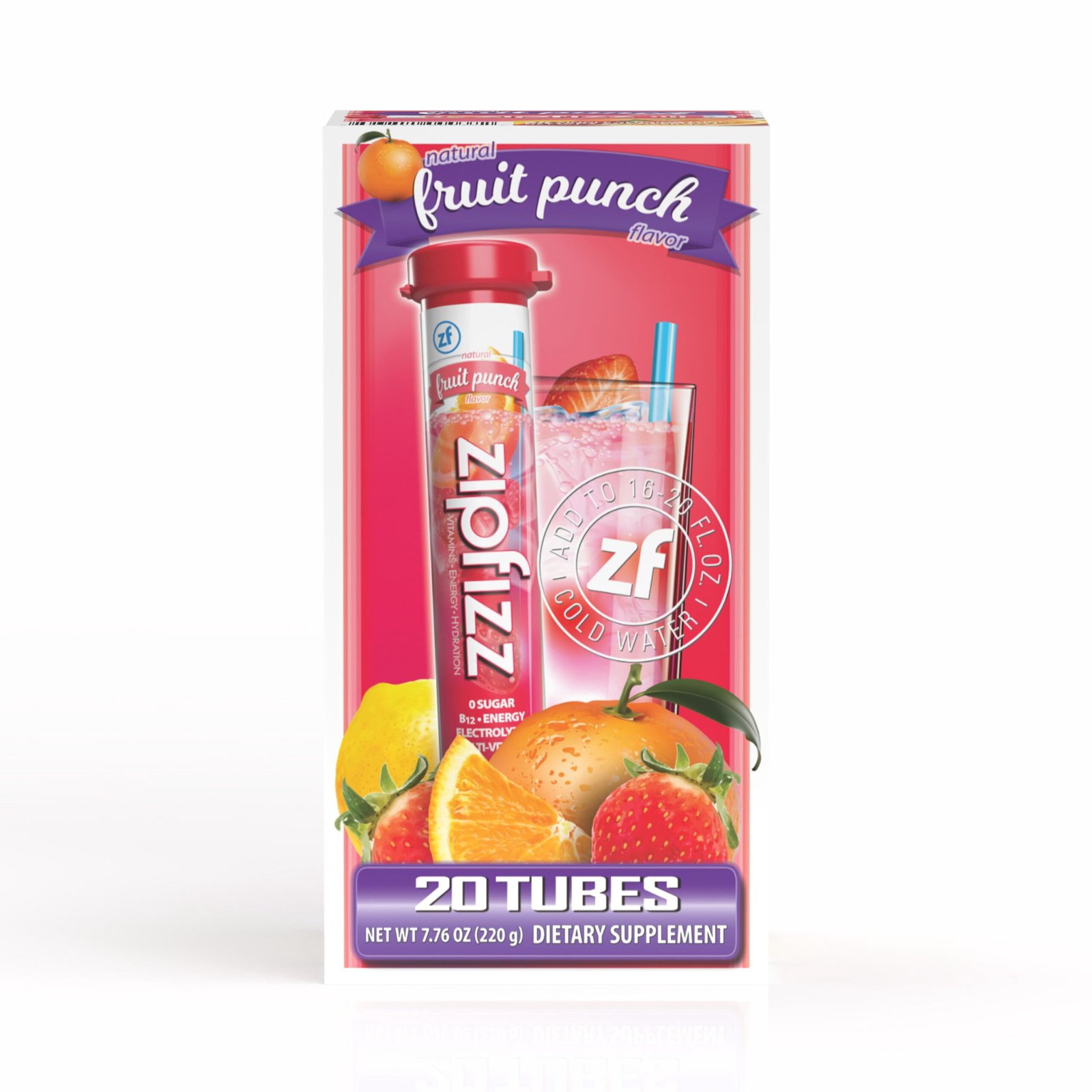
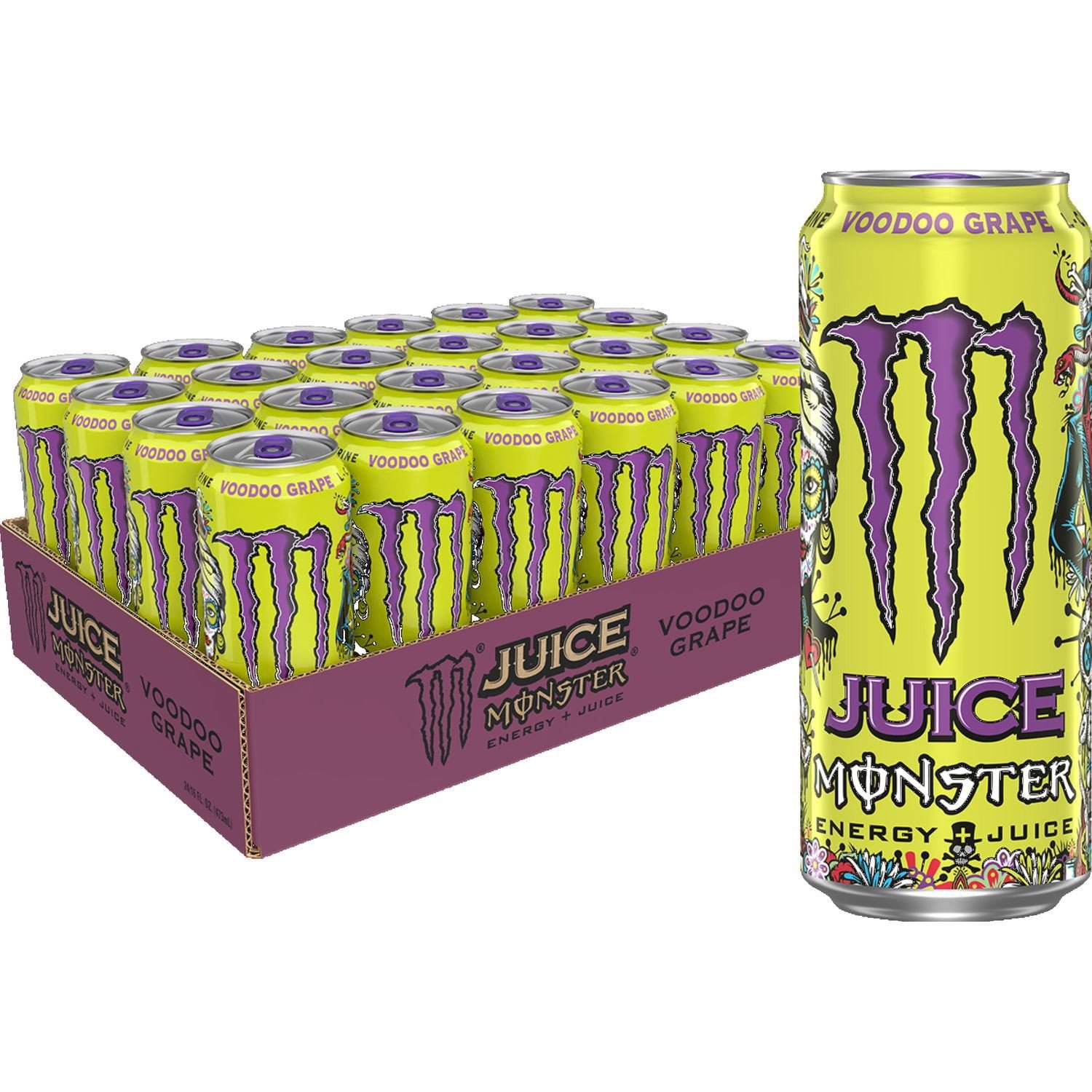
A box of drink-mix packets does not automatically represent a broader pantry bundle. A beverage variety case can offer several flavors while still being a specifically identified beverage package. Keep that distinction clear so a browsing label does not create an expectation of unrelated foods or household supplies.
If several separate listings are added to one order, describe them as a multi-item order unless an actual combined offer is stated. Buying several products together does not establish a prepacked bundle, a special combined price, or a custom fulfillment arrangement.
| Offer description | What to confirm | What the wording alone does not establish |
|---|---|---|
| Single-product multipack | Exact product, size, and count | A broader mixed pantry assortment |
| Flavor variety pack | Included flavors and allocation | Equal numbers of every pictured flavor |
| Mixed pantry bundle | Every included item and quantity | A universal standard contents list |
| Several separate listings | Each selected offer and order total | A ready-made combined package |
| Custom request | Explicit availability and confirmed terms | That custom packing is offered |
Record sizes as well as item counts
Ten included items can represent very different total quantities depending on their sizes and formats. Record the net quantity or volume of each rather than treating item count as a complete measure of contents. A small packet and a large bag should not silently become equivalent units in a value comparison.
For an invented example, a proposed bundle could list two 500-gram bags, four 250-milliliter drinks, and three individually identified snack units. Those entries should remain separate because they describe different products and quantity bases. Adding the count to nine does not create a meaningful combined food weight or nutritional equivalence.
If an item has several inner units, preserve the package hierarchy. One box containing six packets is one box and six inner packets, not seven separately supplied products. Establish which count an advertised total uses before comparing it with another bundle.
Use a contents worksheet before assessing price
A simple table can expose missing information quickly. Include one row per distinct product and a separate field for the number of those products included. If versions or sizes differ, use separate rows instead of hiding them under one broad label such as assorted groceries.
The following table is invented to show the structure. It is not a current offer or an assurance that these products are available in a ready-made package. Replace every entry with the actual confirmed contents of the selected listing before using it for a purchase decision.
| Hypothetical contents entry | Individual quantity | Number included | Detail still worth confirming |
|---|---|---|---|
| Pantry item A | 500 g bag | 2 | Exact formula and product name |
| Beverage item B | 250 mL container | 4 | Flavor and current label |
| Snack item C | Identified single unit | 3 | Individual size and ingredients |
| Packet box D | 6 named packets per box | 1 box | Whether the advertised count refers to box or packets |
| Unspecified extra | Unknown | Unknown | Cannot assign contents or value reliably |
Confirm flavors and allocation
If a bundle or variety pack contains several flavors, obtain the actual allocation when it matters. Three pictured flavors in a twelve-unit pack do not automatically establish four of each. A package image may illustrate a range rather than a precise count statement.
A customer seeking one preferred flavor should compare the confirmed quantity of that flavor with the alternative single-flavor purchase. The bundle’s average item price does not establish a separate selling price or available quantity for a particular included version.
If allocation can vary, preserve that qualification. Do not turn an assorted offer into a guaranteed exact assortment in your notes. The comparison should describe what is confirmed and what remains variable rather than filling every row with a convenient assumed distribution.
Read substitution wording before relying on exact contents
A bundle may state specific terms about variation or substitutions, or it may provide no such information. Read the actual offer and ask if the distinction matters. This guide does not establish that substitutions are used or permitted for any particular store order.
If a replacement is proposed, identify it separately. A different flavor, formula, size, or brand can change ingredients, quantity, and the price comparison. Matching the broad category does not automatically make it equivalent to the original requested product.
Keep any agreement tied to the selected offer and order. Do not infer a custom-mixing service from a general phrase such as assorted. If the actual available arrangement is unclear, ask before relying on a bundle for a specific ingredient preference, event plan, or quantity requirement.
Check ingredients for each relevant item
A mixed bundle can contain products with different declarations. Obtain the current ingredient information for each item relevant to your selection. One label photograph should not be treated as the complete formula for an assortment of unlike foods or beverages.
For a particular allergen or ingredient question, preserve the exact product and wording. A broad bundle name, plant-based description, or previous purchase does not replace the current declaration. If the information is missing or unclear, request clarification rather than treating the absence of a statement as assurance.
Also keep nutrition amounts attached to their own serving bases. Do not add unlike serving figures into a homemade bundle nutrition score. A quantity worksheet can identify contents while leaving individualized dietary decisions outside the purchasing arithmetic.
Compare with the individual purchases you would otherwise make
To examine price, identify the actual separate offers that match the bundle’s confirmed products and sizes. Add their current prices on a consistent basis, then compare with the bundle price and any applicable charges. Avoid assigning invented retail values to unspecified extras.
For an invented example, matched separate items might total 30 currency units while a confirmed bundle costs 27 units before other charges. That gives a 3-unit item-price difference for those exact hypothetical contents. It does not establish a live discount or mean the bundle saves every customer 3 units.
If the customer would otherwise buy only part of the contents, compare that realistic alternative too. A bundle can cost less than purchasing every included item separately while costing more than the smaller purchase actually needed. Keep both comparisons visible rather than treating the full assortment as an automatic saving.
An average item price has limits
Dividing a bundle price by the total confirmed item count gives an average on that counting basis. It does not establish identical value, weight, or a separate selling price for every product. If the count mixes outer boxes with inner packets, the average may be especially easy to misunderstand.
For an invented 27-unit bundle containing nine identified retail items, the simple average is 3 units per retail item. That is an accounting summary, not proof that every item is independently worth or sold for 3 units. Keep the actual contents list beside the average.
For unlike products, item-by-item comparison may be more useful than one average. Do not force a single weight or volume denominator across items where it does not answer a meaningful question. The aim is a transparent purchase comparison, not a larger advertised value created by arithmetic shortcuts.
Review storage and dates product by product
Different included products can have different date wording and handling directions. Keep those details with each item instead of assuming one outer-box statement supplies a universal shelf life for the entire assortment. Ask what any shared statement actually covers if its scope is unclear.
A production or lot code should remain separate from a calendar-style date until its meaning is confirmed. Do not average dates across a bundle or interpret unknown codes using another brand’s system. Preserve the original information for any product-specific question.
Also compare the package sizes with actual available space. A total item count or combined food weight does not establish the outer carton’s shape. If the bundle is large and fit matters, request the relevant dimensions rather than estimating them from a photograph.
Check availability, delivery, and the final selling unit
Confirm the actual current offer and requested quantity before ordering. A general guide or old promotion does not establish live stock. If several items are purchased separately, keep their individual availability and applicable order information visible rather than assuming that a combined bundle exists.
Delivery costs and timing need their own confirmation. A bundle price does not automatically establish included delivery or a particular arrival date. Use the actual terms for the selected destination and order, and keep estimates distinct from guarantees.
This guide does not create a returns, replacement, or missing-item policy. Save the order’s confirmed contents and applicable terms. If the delivered assortment differs, a precise record of what was stated and what arrived provides a clearer basis for the available support process.
A final bundle-review checklist
| Check | Evidence to keep | Reason to clarify |
|---|---|---|
| Actual offer | Specific listing and selected option | A general guide is mistaken for a live bundle |
| Contents | Product names, sizes, and counts | Items or allocations are unspecified |
| Counting basis | Outer packs and inner units separately | One box is counted again as extra contents |
| Variations | Actual assortment and substitution wording | An exact mix is assumed |
| Ingredients | Relevant current declaration for each item | One label is applied to unlike products |
| Price comparison | Matched separate offers and included charges | Invented values are assigned to extras |
| Practical fit | Storage directions, date information, space | One rule is assumed for every item |
| Delivery record | Confirmed contents and applicable order details | A mismatch cannot be described precisely |
Frequently asked questions
Does pantry bundle mean a standard list of essentials?
No universal contents follow from the name. Use the actual current offer’s list and quantities. A useful bundle description identifies products, sizes, and any permitted variation. Do not assume that familiar pantry categories are included simply because the title sounds comprehensive.
Are pictured items guaranteed to be included?
Read the written contents and any qualifications. A promotional image can illustrate a range without establishing exact quantities. If the offer does not make the contents clear, ask before relying on the picture as a manifest or calculating a value from the assumed items.
Can I assume every flavor is supplied equally?
Confirm the actual allocation. Evenly dividing a total count is a mathematical possibility, not evidence of the assortment. Keep any stated variation visible and compare the quantity of a preferred flavor only when that quantity is actually confirmed.
Is a bundle always cheaper than separate items?
Compare matched current offers and actual applicable charges. A bundle can have a lower full-assortment price while still costing more than the smaller subset a customer intended to buy. Avoid assigning invented values to extras or treating an average as every item’s separate retail price.
What should I check after delivery?
Match the delivered products, versions, sizes, counts, and relevant labels with the confirmed order contents. Preserve any specific difference and use the applicable support route. A clear contents record is more useful than an unsupported assumption about what the bundle name should have meant.