




Blog
What should I check in an Alani Nu multipack listing?

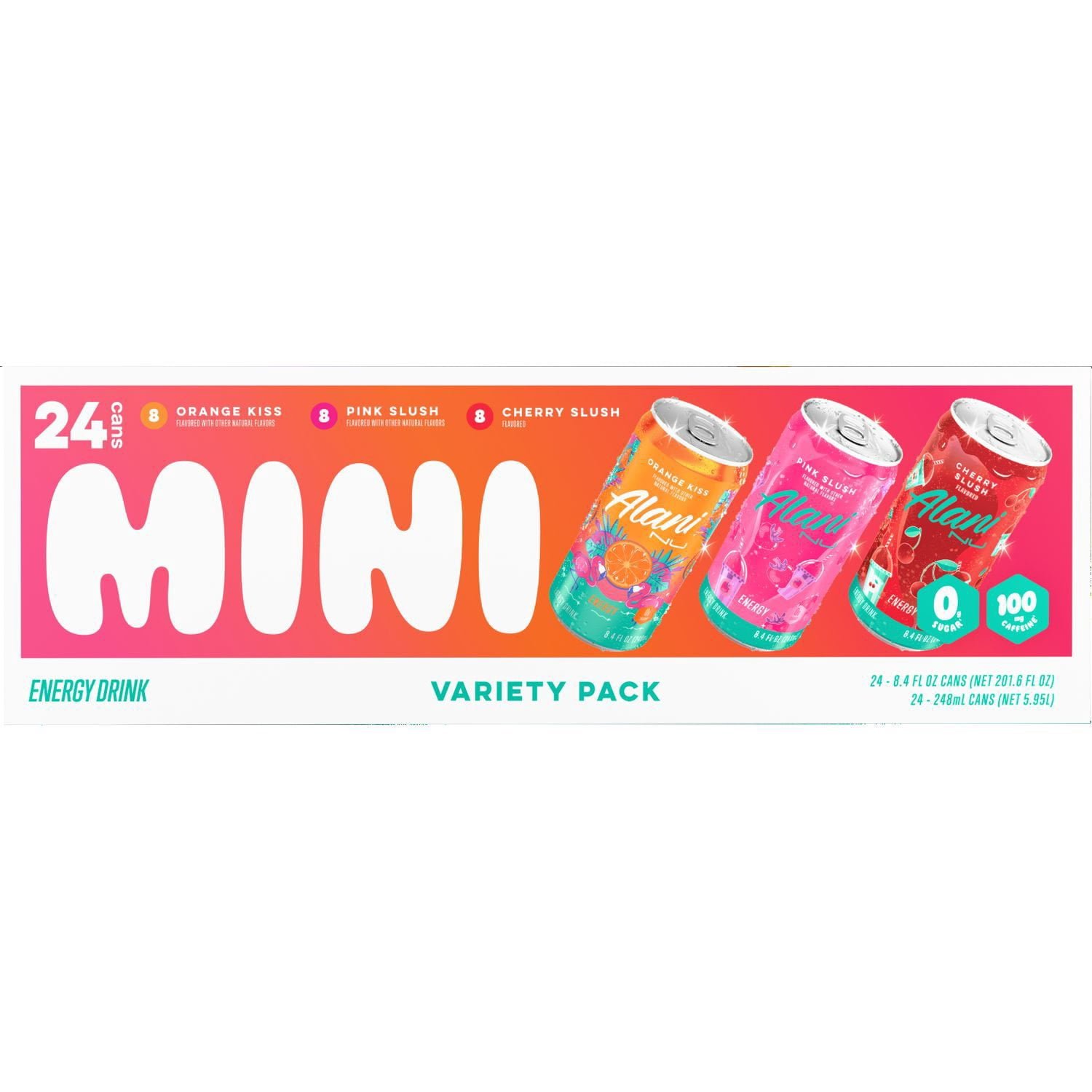
Check an Alani Nu multipack by confirming its exact product line, individual can size, total can count, included flavors, and current label information. Do not assume that every variety pack has the same contents or that a larger can count means more total drink volume. Mini and larger-can offers should be compared as separate products.
This guide explains how to review energy-drink multipacks, using two specifically identified Sprinkles Menu listings and a separate manufacturer example. It covers quantity arithmetic, caffeine basis, ingredient questions, and ordering checks. It does not promise a flavor allocation, current price, or continuing stock beyond the information actually confirmed.
Start with the full selected name
Read the complete listing title instead of stopping at Alani Nu or variety pack. The product line, size, and count identify the purchasing unit. A photograph of several colorful cans can make two offers look similar while their actual quantities differ. Preserve the selected title in your notes before comparing anything else.
Also distinguish ready-to-drink cans from powder sticks or other products carrying the brand. A common logo does not establish a shared serving definition or formula. If the format changes, begin a new comparison row and use that product’s own current directions and declarations.
When a page offers options, confirm the selected option rather than relying on the page’s default image. If the listing describes one simple pack without options, use its specific stated contents. Do not invent selectable flavors, custom mixing, or smaller quantities that have not actually been offered.
Two reviewed listings have different quantities
On October 17, 2026, the store records identified an Alani Nu Energy Drink Variety Pack with 18 cans of 12 fluid ounces and an Alani Nu Mini Variety Pack with 24 cans of 8.4 fluid ounces. Both records were marked in stock at the time checked.
That dated observation identifies the offers reviewed; it does not guarantee later availability or the exact quantity available for a larger order. Recheck the actual listing when purchasing. The titles establish different can sizes and pack counts, while flavor allocation and current formula details need their own confirmation.
Using the stated title quantities, 18 × 12 gives 216 fluid ounces for the larger-can offer, while 24 × 8.4 gives 201.6 fluid ounces for the mini offer. The mini pack has more individual cans but a smaller calculated total volume. This is title-based quantity arithmetic, not a recommendation about consumption.
| Reviewed listing basis | Individual size | Can count | Calculated total fluid ounces | What still needs checking |
|---|---|---|---|---|
| Energy Drink Variety Pack | 12 fl. oz. | 18 | 216 fl. oz. | Exact included flavors and current label |
| Mini Variety Pack | 8.4 fl. oz. | 24 | 201.6 fl. oz. | Exact included flavors and current label |
| A different selected offer | Use its own title | Confirm its count | Recalculate from that offer | Do not transfer these contents automatically |
More cans does not automatically mean more volume
The reviewed quantities illustrate why both fields belong in a comparison. Can count describes the number of individual containers. Total volume describes the combined stated liquid quantity. A customer may care about one or both, but the two should not be treated as interchangeable measures of package size.
If your question concerns storage or the number of separate units, the count is useful. If it concerns a shared volume-price comparison, use total volume as well. Keep the physical package dimensions separate from calculated liquid volume, since a volume total does not establish how the outer carton fits a shelf.
This distinction also prevents misleading price comparisons. A lower price per mini can would not, by itself, prove a lower price for the same amount of drink. Compare current prices on both a per-can and equal-volume basis when the selected sizes differ, with the currency and included charges clearly stated.
Confirm the flavor allocation explicitly
A variety-pack name establishes that you should check an assortment, not that every pictured flavor appears in equal numbers. Look for a contents statement naming the included flavors and their quantities. If only a total count is given, do not divide it equally across the flavor illustrations without supporting information.
For a hypothetical eighteen-can pack showing three flavors, six of each would be one possible allocation, but it is not a confirmed fact merely because the arithmetic divides evenly. Ask for the actual contents if a particular flavor matters. Keep any stated assortment variation or substitution qualification attached to the offer.
This also matters when comparing a manufacturer’s own website with a retailer’s listing. A manufacturer may show a differently sized pack or a differently named assortment. Use that information to understand the specific product discussed there, not to silently overwrite the count or flavor allocation of another offer.
A manufacturer example shows why pack identity matters
The manufacturer’s Mini Energy Splash Pack page reviewed for this guide describes a 12-pack containing six Cherry Slush, three Orange Kiss, and three Juicy Peach cans, and states 100 milligrams caffeine per serving. That is a specific manufacturer offer with its own stated contents.
It is not the same pack count as the reviewed Sprinkles Menu 24-pack title. Do not double its flavor allocation and present the result as confirmed contents for the store listing. A convenient calculation is not evidence that a separately identified package has exactly that assortment.
Likewise, the manufacturer’s Beach Blend variety page identifies another named offer and states 200 milligrams caffeine per serving. These examples demonstrate the need to match the actual formula and basis; they should not be transferred automatically to every Alani Nu product or market.
Read caffeine with its serving basis
For the selected multipack, obtain the current caffeine declaration for the individual products included. Record the amount in milligrams and whether it describes a serving or the complete can. The pack count is a retail quantity, not the serving count for an individual can.
If a declaration is per serving, establish the serving size and servings per container before deriving a complete-can figure. If it already says per can, do not multiply by the serving count again. Keep the original wording so that another reader can check how the result was obtained.
Do not estimate a mini product’s caffeine amount by scaling the liquid volume of a larger product. Different versions can have different formulas. The exact declaration is the source for the amount; container size alone cannot establish it. Leave missing information unconfirmed rather than filling the gap with proportional arithmetic.
Read ingredients flavor by flavor where needed
Use the complete current ingredient list when checking sweeteners, named botanical ingredients, colors, or other preferences. A short description of highlighted ingredients may not reproduce the whole formula. Do not treat an absent name in marketing text as a product-specific exclusion statement.
If the pack provides shared information for several flavors, record exactly which versions it covers. If ingredient lists differ, keep separate rows. One pictured label should not automatically stand in for every can in a mixed assortment, particularly when the published contents are themselves unclear.
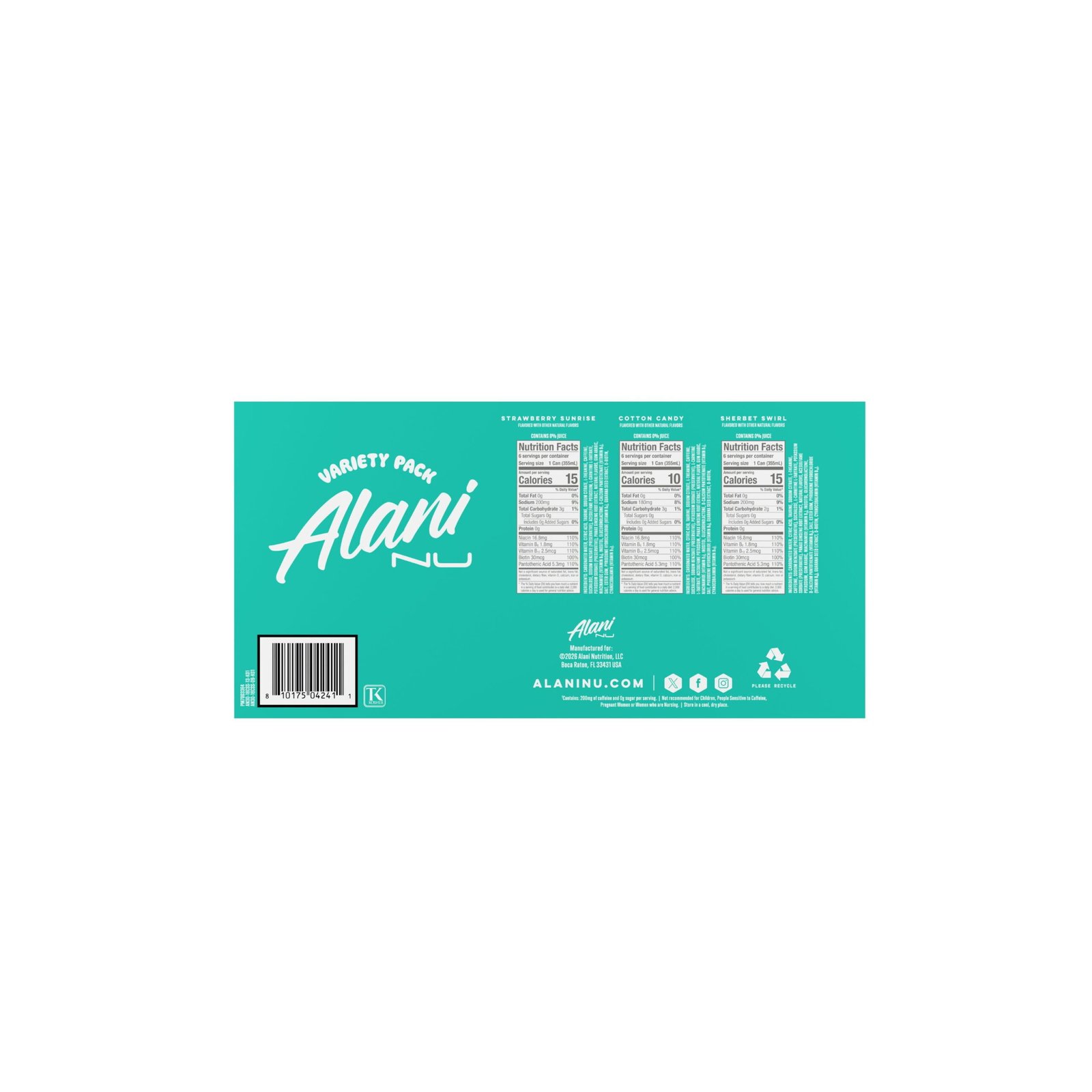
A sugar-related title also does not establish every nutrition field. Record sugars, calories, sodium, and any other relevant declared information from the actual label with its serving basis. Avoid turning a single front-of-package claim into a statement that the complete formula matches another version.
| Label question | Evidence to request | Assumption to avoid |
|---|---|---|
| How much caffeine is declared? | Amount, unit, and serving or can basis | Scaling from another can size |
| Which sweeteners are listed? | Complete current ingredient list | One brand-wide formula |
| Do all flavors match? | Shared declaration scope or separate labels | One pictured panel covers everything |
| What are the sugar amounts? | Actual nutrition fields and basis | Product name supplies every figure |
| Which market is covered? | Exact version and current source | Another country’s page is identical |
Compare the current price on two bases
Divide the selected pack price by its confirmed can count to find item cost per can. For different can sizes, also divide price by the total stated volume. Keep the original price, currency, count, and review date alongside the calculation instead of saving only a unit number.
For an invented example, a 24-can offer priced at 36 currency units costs 1.5 units per can. An eighteen-can offer priced at 30 units costs about 1.67 units per can. These figures do not establish the current prices of the reviewed listings, and the sizes still need to be considered before comparing volume cost.
Additional order charges should be identified explicitly. An item-only calculation is not a delivered price. Use actual applicable order information rather than borrowing a shipping amount from another purchase or assuming a promotion applies to every quantity. Save the total purchase commitment as well as the unit result.
Check availability for the quantity you need
A dated in-stock observation is not a reservation or a promise of unlimited cases. Reopen the exact current listing and verify the selected offer. For a larger order, ask whether the requested number of those packs can be supplied rather than inferring an exact quantity from a general availability label.
Keep dispatch and arrival questions separate from stock wording. If timing matters, review the actual information for your destination and order. Do not convert an in-stock label into a guarantee of same-day dispatch or a particular delivery date that has not been stated.
Also check whether any applicable substitution terms are present. A customer choosing one named assortment may not regard a different flavor set as equivalent. Do not assume custom mixing or automatic replacement is offered. An alternative should remain a separately identified option until its contents and terms are clear.
Record a final purchase checklist
| Check | Record before ordering | What to resolve if missing |
|---|---|---|
| Exact offer | Full title, size, and count | Which product is actually selected? |
| Assortment | Included names and quantities | Is allocation confirmed? |
| Formula | Current relevant label information | Which flavors and market does it cover? |
| Quantity math | Per-can and total-volume basis | Are count and volume being confused? |
| Price | Currency, date, included charges | Is this the applicable current offer? |
| Availability | Current status and requested quantity | Is the needed number of packs confirmed? |
| Fulfillment | Actual relevant order information | Is any timing assumption unsupported? |
Frequently asked questions
Are the mini and larger-can packs the same quantity?
The reviewed store titles identify different counts and can sizes. Their calculated total fluid-ounce quantities also differ. Use the exact current offer and preserve both count and volume rather than treating the word variety as evidence of an equivalent package.
Can I assume equal numbers of every pictured flavor?
No. Read the confirmed contents statement or ask for the allocation. Even when the total count divides evenly by the number of pictured flavors, the arithmetic does not establish the actual assortment. Keep any stated variation or substitution information visible.
Can I apply the manufacturer’s 12-pack contents to a 24-pack?
Not without confirmation that the separately identified offer uses that allocation. The manufacturer example demonstrates a specific pack. Doubling its numbers is only an arithmetic possibility, not verified contents for another listing. Match the exact package before relying on a flavor quantity.
Can I scale caffeine by can volume?
Use the exact current caffeine declaration rather than assuming proportional formulas. Record its serving or container basis and any needed confirmed serving count. Different versions can have different declarations, so a volume ratio alone does not establish the amount in another product.
What should I check when the pack arrives?
Match the delivered edition, can sizes, count, assortment, and labels to the confirmed order information. If something differs, preserve the details and raise the specific question through the available order-support route. A saved listing and dated confirmation make that comparison easier.