




Blog
Which ingredients are included in a greens powder?

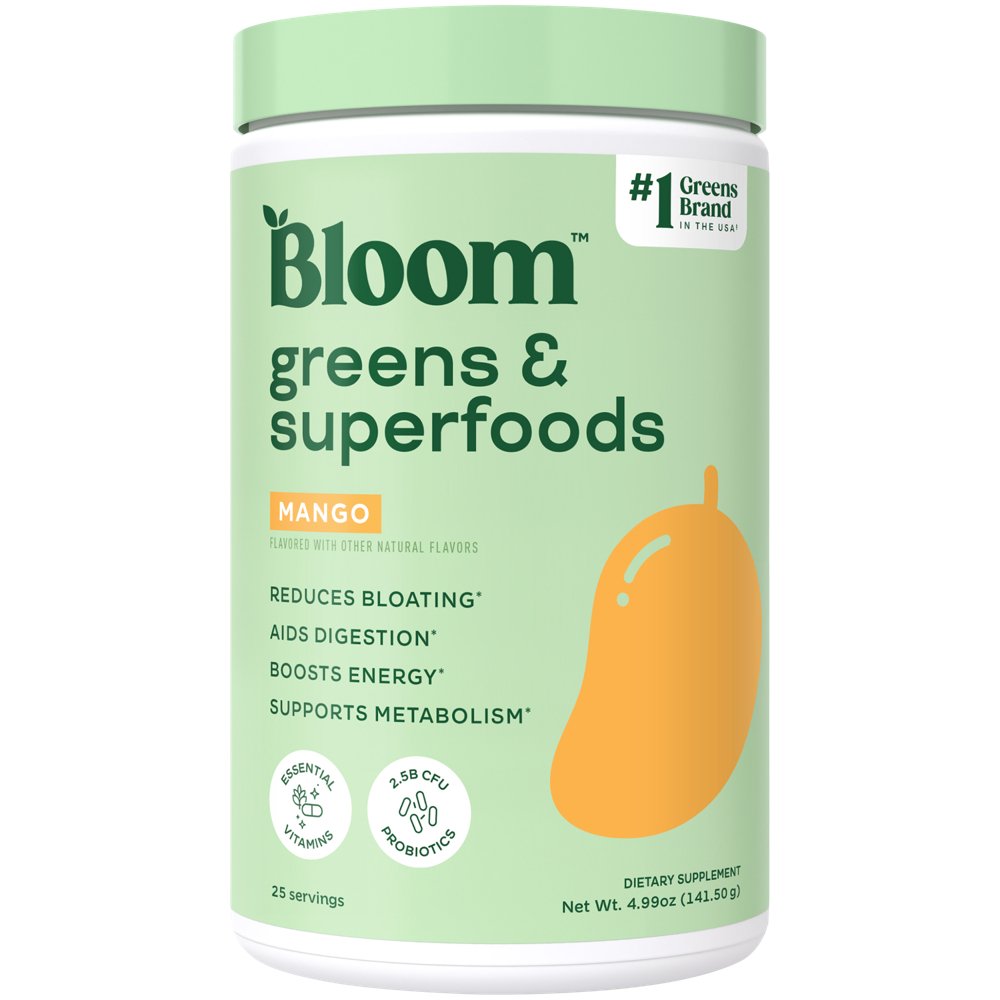
Find out what is included in a greens powder by reading the exact product’s complete ingredient statement, Supplement Facts panel, and serving information. A front phrase such as greens or superfoods does not identify every component or quantity. Separate named ingredients, blend totals, disclosed individual amounts, and flavor-related ingredients before comparing packages.
This guide explains how to review greens and superfood powders using a practical worksheet. It covers ingredient groups, plant descriptions, added components, portion measurements, claims, prices, and questions to ask. It does not assume that every powder has the same composition or promise a particular result from purchasing one.
Begin with the exact selected product
Record brand, full product line, format, flavor, and container size. A range can include unflavored, fruit-flavored, and combination formulas under related names. Keep the ingredient panel matched to the selected variant rather than borrowing a list from a neighboring flavor.
Check the title, front photograph, and detailed panel together. If the images appear to describe different versions, ask which information applies to the offered item. A short summary may highlight selected components while leaving the complete formula to another image or manufacturer resource.
Save the source and date checked. This helps distinguish current information from an older label or remembered purchase. If you change the selected size or flavor while browsing, revisit the matching panel before carrying the earlier comparison forward.
Make a full ingredient inventory
Copy the disclosed ingredient names in a structured list. Where the label uses blend headings, retain each heading and the components listed beneath it. Do not replace a detailed statement with a broad phrase such as vegetable blend if that loses information relevant to your decision.
Keep individual amounts and blend totals in different fields. A combined mass does not establish each component’s separate share. If an amount is undisclosed, mark it that way rather than dividing the total equally or assigning it to the ingredient that interests you most.
The categories below are a reading checklist, not a claim that every greens powder includes every group. Use only the actual selected label to establish which components are present and what quantities are disclosed.
| Possible ingredient group | What to look for on the actual label | What to preserve in the record |
|---|---|---|
| Named plant ingredients | Exact common or scientific wording where supplied | Identity and any plant-part description |
| Fruit or vegetable components | Complete disclosed names | Individual amount or blend limitation |
| Fiber or other additions | Exact ingredient statement | Amount and quantity basis where supplied |
| Microorganisms | Full organism wording and quantity statement | Identity, CFU basis, and disclosure limits |
| Vitamins or minerals | Separate nutrient rows where listed | Amount, unit, and serving basis |
| Flavor-related components | Complete selected-variant ingredients | Exact wording rather than flavor-name assumptions |
Read plant descriptions carefully
Record the actual plant names and parts where the label supplies them. A root, leaf, fruit, whole ingredient, and extract can be described differently. Preserve that wording instead of treating every ingredient carrying a familiar plant name as identical.
If a manufacturer resource uses a more detailed name than the retailer summary, confirm that both describe the same formula. A similar common name may not settle every identity question. Ask for the exact product specification when the detail matters to your requirements.
Keep missing information visible. A useful comparison can identify that a plant part or component amount is not disclosed without inventing it. A clear limit is more helpful than a complete-looking ingredient table built from guesses.
What does a proprietary or combined blend tell me?
Read which ingredients the stated total covers. A blend heading can provide a group quantity while leaving component-level amounts undisclosed. Preserve both the total and the full list so that the comparison does not lose the distinction.
For an invented example, a 4 g blend containing several named components does not establish that each contributes an equal amount. It also does not mean that one selected component accounts for the whole 4 g. The example illustrates disclosure limits rather than an actual formula.
If an individual amount is essential to your decision, ask the manufacturer whether it is available for the exact product. A response repeating the blend total can leave the component question unresolved. Keep the relevant field undisclosed until clarified.
Keep flavor and formula questions separate
A flavor name describes a profile to investigate, not a complete recipe. Read the actual sweetening, flavoring, coloring, and other ingredients where supplied. Do not assume that a fruit name proves the presence of a particular fruit component or establishes every source detail.
Compare flavored and unflavored variants using their own panels. Related artwork does not establish identical additional ingredients. A product described as unflavored can still require a separate review of its complete formula and preparation preferences.
Taste reviews can identify questions to investigate, but they do not verify ingredient quantities. Check whether a reviewer discusses the same version and preparation method. Keep subjective flavor comments in a separate field from factual label information.
What about added probiotics, enzymes, or other components?
Read the actual names and quantity bases instead of relying on a broad headline. If microorganisms are listed, preserve their full disclosed identities and any CFU statement separately from powder mass. A total weight does not supply an undisclosed microorganism count.
For any other component, copy the exact amount and unit where provided. Avoid adding unrelated quantities into one combined strength score. Different ingredients and units answer different questions and should remain independently identified.
A combination product can be a different purchase from a simpler greens formula. Matching a front serving count or price does not establish equal contents. Keep the complete ingredient record beside any cost calculation.
Read the powder portion and measure together
Copy the serving-size line with its number, unit, and measuring description. A scoop from one product should not be assumed to represent the same mass in another. Use the exact directions rather than a customer photograph of a heaped measure.
Keep total serving mass separate from individual nutrient or component quantities. If a hypothetical portion weighs 8 g and a named blend is 5 g, those figures describe different fields. Converting units does not erase that difference.
Where net weight and serving mass support an arithmetic consistency check, retain the original values and compare the result with labeled servings. Investigate a mismatch instead of choosing the larger count merely because it produces a lower apparent unit cost.
| Hypothetical field | Invented value | Meaning in the exercise |
|---|---|---|
| Finished powder portion | 8 g | Total stated portion mass |
| Named blend | 5 g | Disclosed group quantity within the formula |
| Individual component | Undisclosed | Separate amount cannot be assigned from the total |
| Package servings | 30 | Labeled portions represented by the package |
These figures are mathematical examples only. They do not describe either photographed product and are not suggested portions. Their purpose is to show why finished powder, blend, individual component, and package quantity should remain separate.
Review claims according to their scope
Copy the exact claim you want to investigate and identify the supporting source. A statement about one ingredient, a particular certification, or a tested measurement should not automatically become a promise about every feature of the finished product.
If research is cited, check the actual ingredient or formula, quantity basis, population, and outcome. Similar terms in a paper and product title do not necessarily establish a direct match. Keep the limits visible rather than expanding a narrow finding into a universal result.
For a personal question about suitability alongside medicines, conditions, or other products, use the complete label with appropriate qualified guidance. A retailer comparison can organize information but should not prescribe an individual routine from a marketing phrase.
What practical preparation details matter?
Read the manufacturer’s actual mixing and handling directions. Consider the equipment, storage, and cleanup involved in your intended setting. Convenience can influence a purchase without establishing a nutritional advantage or a particular outcome.
Review the exact storage statement and any relevant after-opening information. Do not transfer instructions from another greens powder merely because the format looks similar. Ask for clarification when a practical requirement essential to your plans is missing.
For a larger order, investigate available date information for offered stock if it affects quantity planning. An old image does not establish the date on a future container. Keep unknown details visible instead of borrowing assumptions from another product.
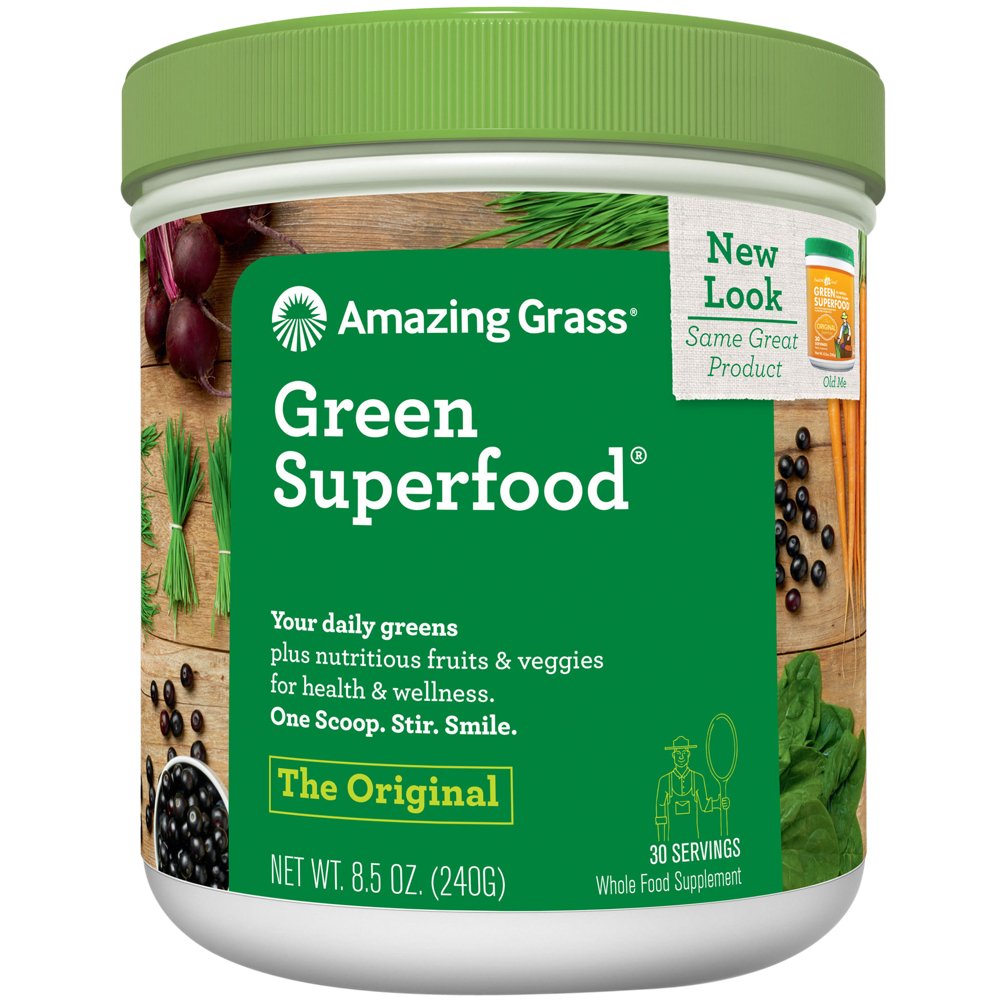
Compare costs after establishing the formula
Record the selected package price and confirmed labeled servings. Divide price by servings for a basic purchasing metric. Keep the full formula and disclosure limits beside the result rather than implying that every scoop is equivalent across products.
If you calculate price per gram of finished powder, name that metric explicitly. It describes the powder rather than a selected plant, blend component, nutrient, or microorganism quantity. A narrow ingredient-specific cost requires a clearly disclosed amount for that ingredient.
The following invented figures demonstrate package arithmetic. They are not current offers, actual specifications, or suggested amounts to use. They show why a lower item price can differ from a lower serving cost.
| Hypothetical container | Item price | Labeled servings | Cost per labeled serving |
|---|---|---|---|
| A | $25 | 25 | $1.00 |
| B | $36 | 40 | $0.90 |
| C | $24 | 20 | $1.20 |
| B with $4 allocated delivery | $40 total | 40 | $1.00 |
Include applicable checkout charges consistently. Record subscription, coupon, and multi-buy conditions. A promotional first price is not automatically the permanent cost of a recurring arrangement, and a bundle needs confirmed contents before labeled servings are combined.
Consider initial commitment as well as unit cost. An unfamiliar flavor or preparation method may make a smaller package worth comparing. Keep that budget preference separate from claims about ingredient quality or effects.
Ask focused questions about missing information
Include the product link, selected flavor, size, and the exact field you need clarified. Ask for the complete ingredient list, a readable panel, an individual amount if disclosed, a plant-part description, or matching directions as appropriate.
If the title and panel disagree, describe the conflict directly and ask which information applies to the offered item. Avoid combining preferred details from several versions into a formula that no source actually confirms.
Keep a separate column for unresolved details so that a missing amount is not confused with a confirmed zero.
Save the answer with the date and exact product identity. Recheck the selected option before checkout. After delivery, compare the actual label, format, count or net weight, and package condition with your order information.
Frequently asked questions about greens-powder ingredients
Does a front greens claim identify every component?
Use the complete ingredient statement and panel for the selected variant. A broad product name can highlight a category while leaving individual identities, quantities, and additional ingredients to be checked separately.
Can I divide a blend total equally?
A combined amount does not establish equal component shares. Record individual amounts only where disclosed and preserve the limitation when separate quantities are unavailable.
Is total powder mass the same as a selected ingredient amount?
Keep those fields separate unless the exact disclosed composition establishes the relationship. A flavored or combination powder can contain several components, each requiring its own quantity information.
Does an unflavored version have the same formula as every flavor?
Read each selected variant’s own label. Related branding or artwork does not establish identical additional ingredients or directions. Request matching information when the listing is unclear.
Can a review verify the ingredient list?
Reviews can describe subjective experience, but the exact current label and relevant confirmed product information should support ingredient and quantity records. Keep those sources separately identified.
What is the most useful comparison worksheet?
Retain exact product identity, ingredient and blend names, disclosed amounts and units, serving basis, full formula, directions, source links, dates, price conditions, and unresolved questions. Preserve original wording beside calculations.